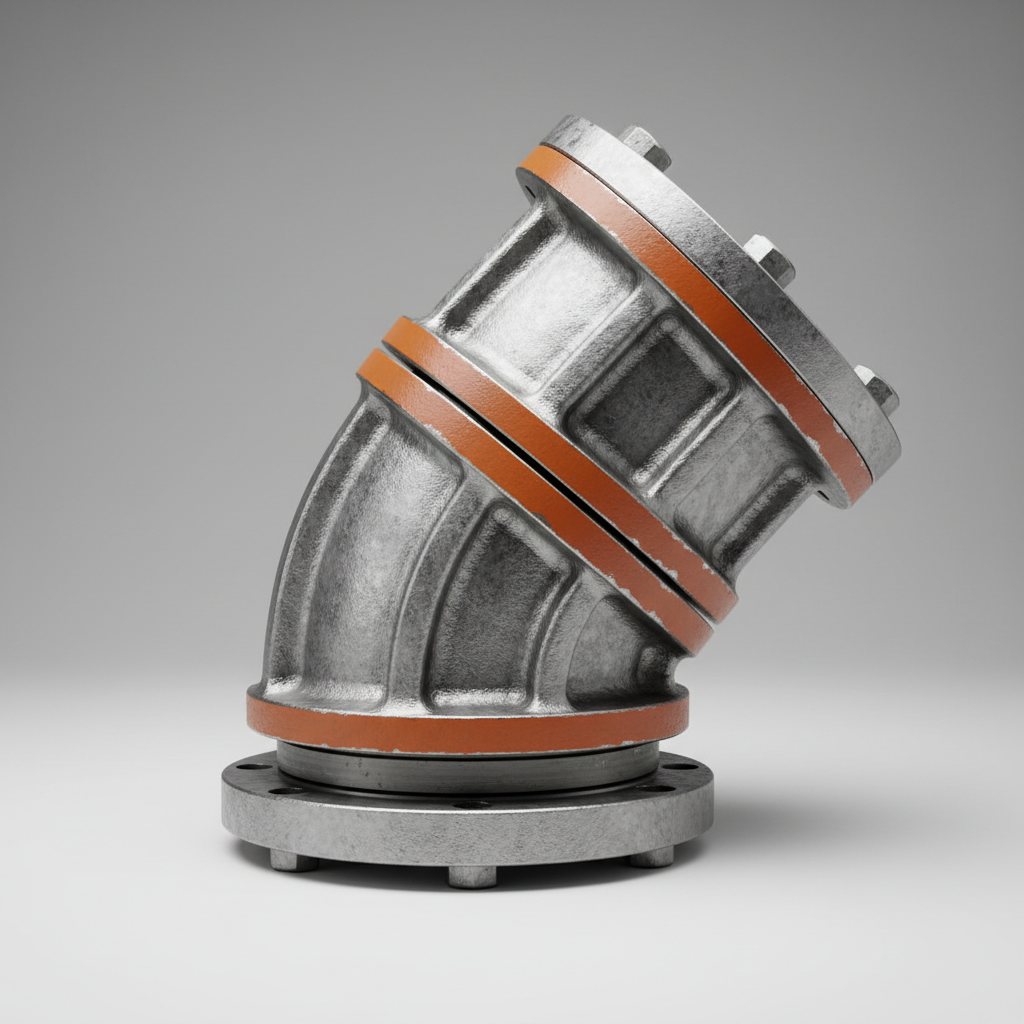
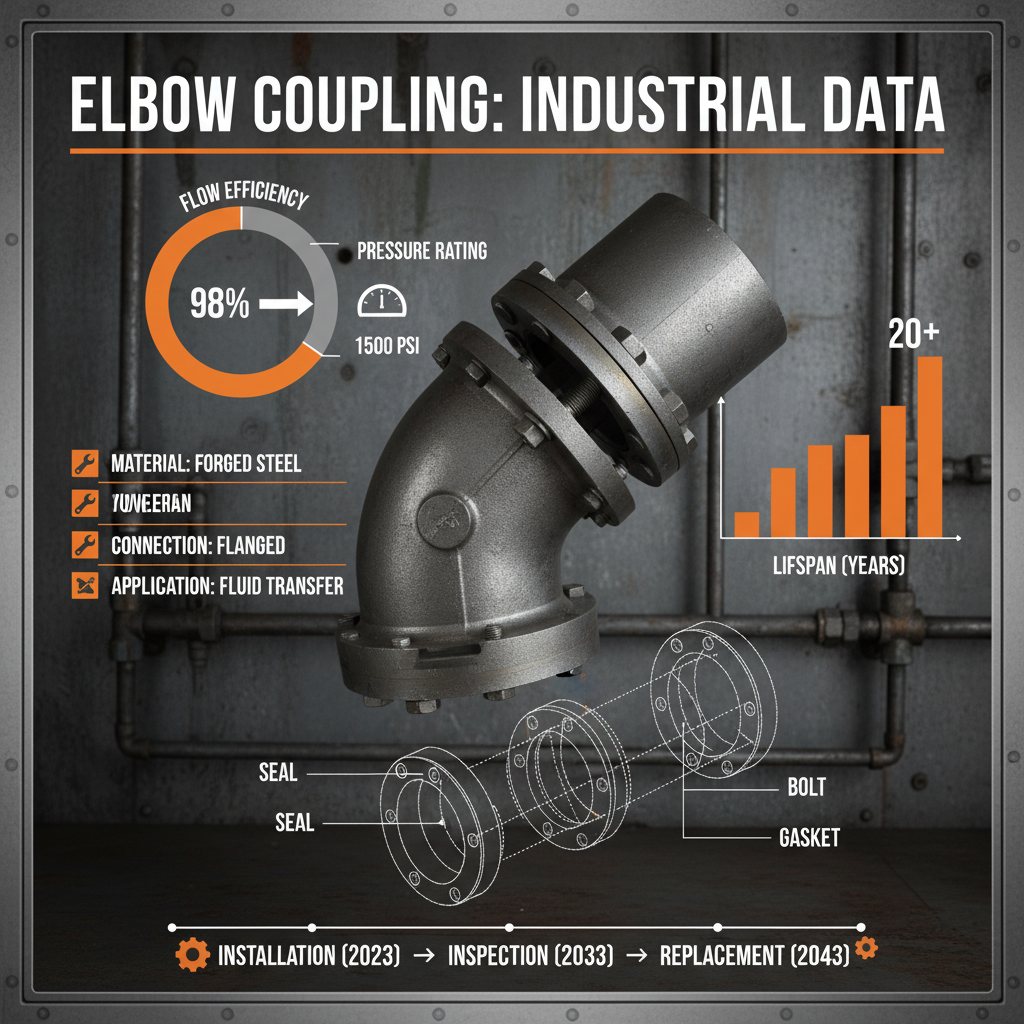
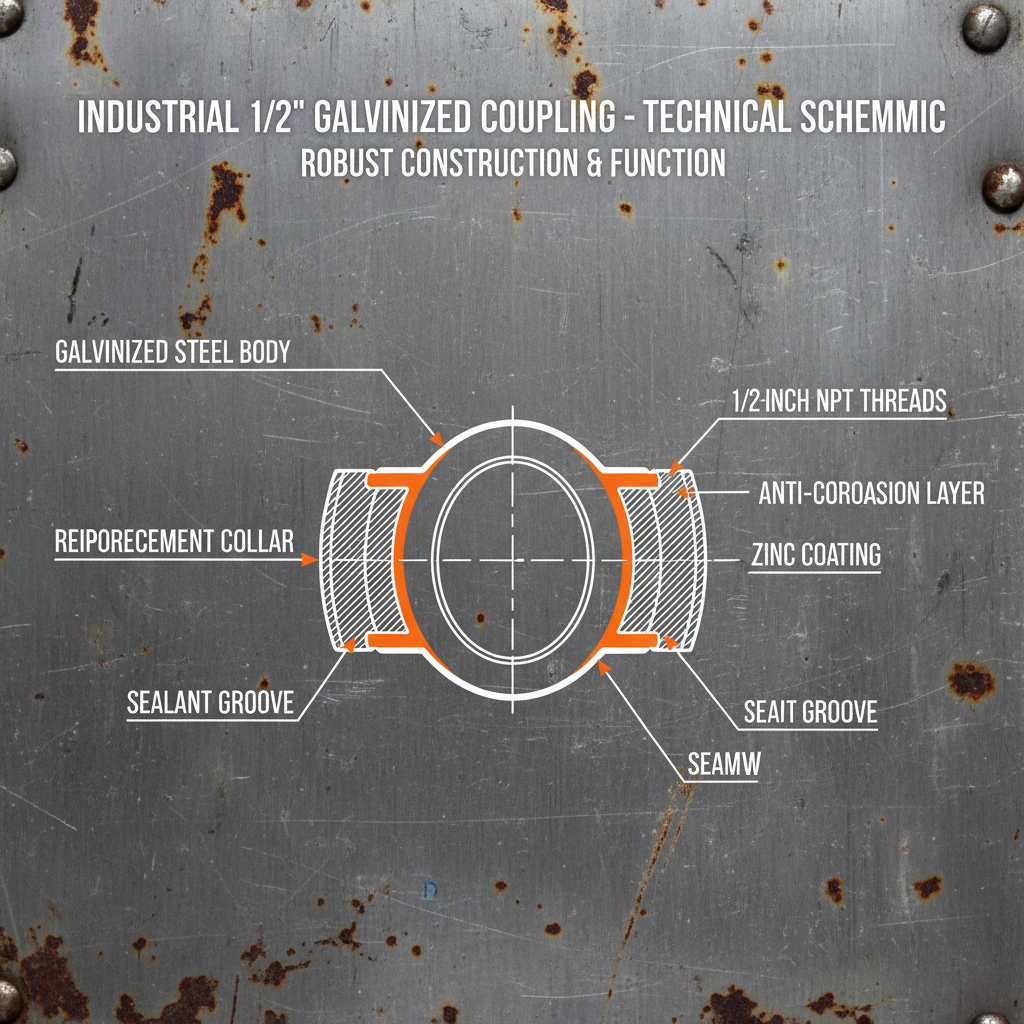
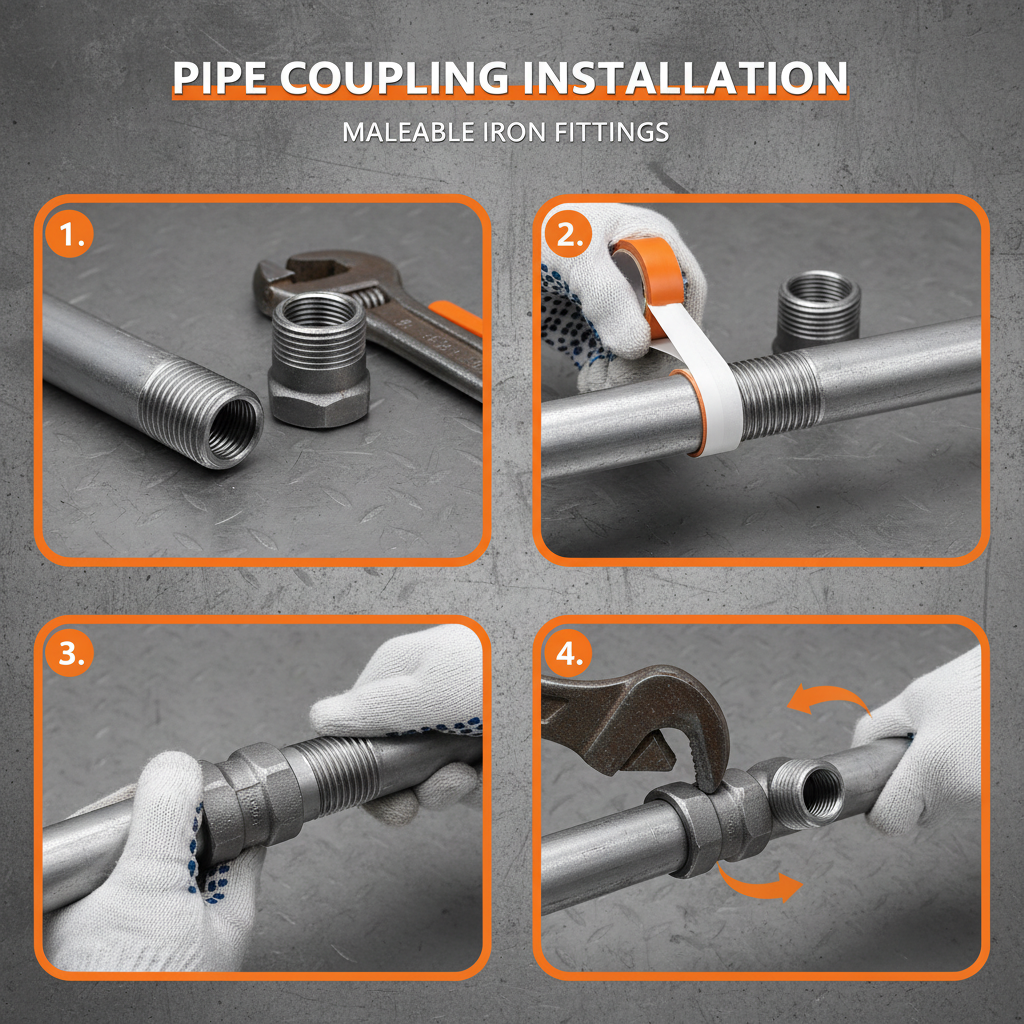
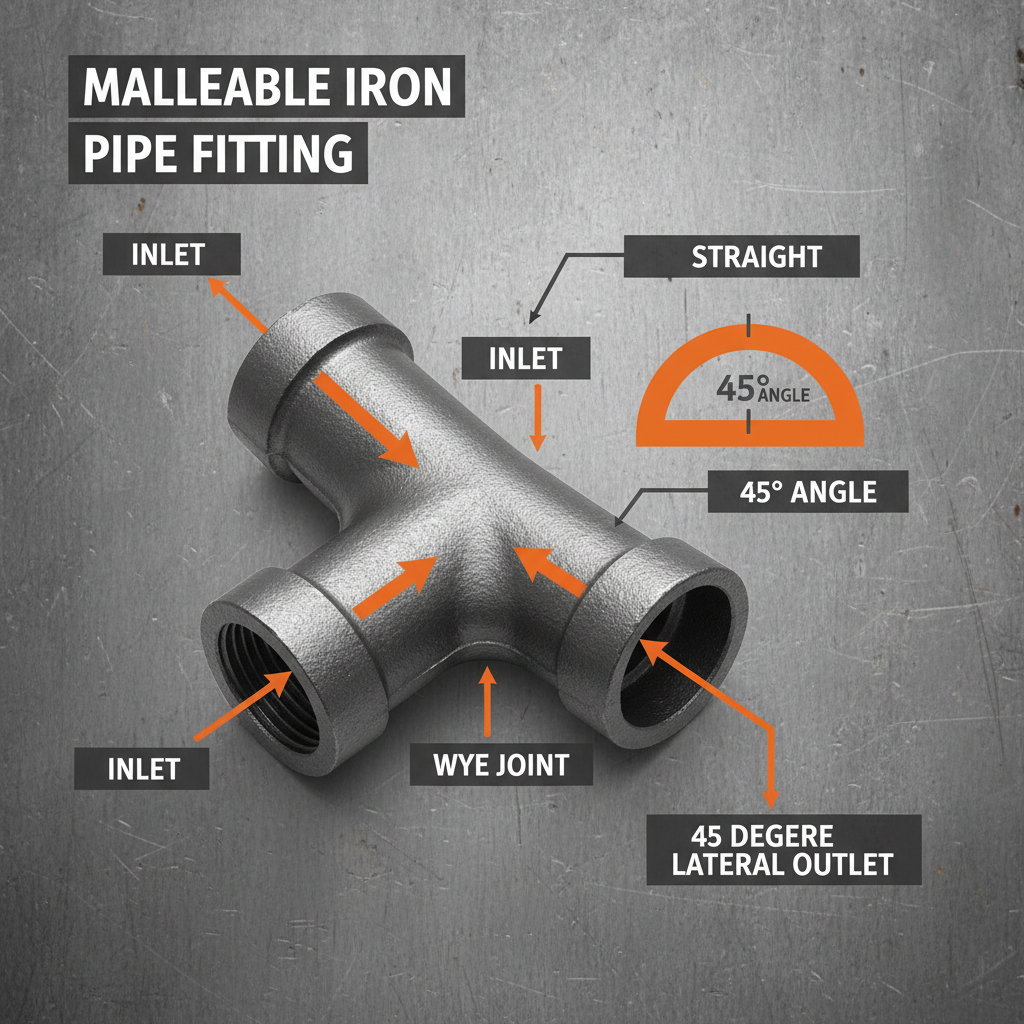
Elbow couplings are fundamental components in piping systems across a vast range of industries, enabling changes in direction while maintaining flow. Their significance isn’t merely technical; they underpin the infrastructure that delivers essential resources like water, gas, and oil, impacting global health, sanitation, and economic development. Understanding their design, materials, and applications is crucial for engineers, technicians, and anyone involved in maintaining and improving these critical systems.
The global demand for robust and reliable piping systems is constantly increasing, driven by urbanization, industrial growth, and the need for efficient resource management. Elbow couplings, as integral parts of these systems, face evolving challenges related to corrosion, pressure requirements, and environmental sustainability. Addressing these challenges necessitates continuous innovation in materials science and manufacturing techniques.
Effective implementation of elbow coupling solutions translates directly to reduced maintenance costs, enhanced safety, and improved operational efficiency – contributing to the long-term viability of infrastructure projects worldwide.
The Importance of Elbow Couplings
Elbow couplings aren’t merely connecting pieces; they are vital for the integrity of fluid transport systems. Without them, complex piping networks would be impossible to construct, limiting the delivery of essential services. Their correct specification and installation are paramount to prevent leaks, maintain pressure, and ensure the longevity of infrastructure. elbow coupling designs vary based on angle (45°, 90°) and connection type (threaded, welded, flanged).
The demand for high-quality elbow couplings is consistently high across diverse sectors, including oil and gas, water treatment, chemical processing, and construction. As infrastructure ages and new projects emerge, the need for reliable, corrosion-resistant, and durable elbow couplings will only intensify.
Defining Elbow Coupling Technology
An elbow coupling is a pipe fitting installed on piping to change the direction of flow, typically by 45° or 90°. It facilitates the connection of two pipes while altering the flow path, allowing for complex piping configurations in confined spaces. They serve as crucial components in fluid conveyance systems, ensuring that liquids, gases, or slurries can be transported efficiently and safely.
Historically, elbow couplings were primarily manufactured from carbon steel. However, advancements in materials science have led to the widespread use of stainless steel, plastic (PVC, CPVC, PEX), and other alloys to suit specific application requirements. These advancements are driven by the need for increased corrosion resistance, temperature tolerance, and pressure ratings.
The fundamental principle behind an elbow coupling is to maintain flow continuity while changing direction. Proper selection, based on factors like fluid compatibility, temperature, pressure, and industry standards, is critical to system performance and reliability.
Key Factors Influencing Elbow Coupling Performance
Durability is paramount. Elbow couplings must withstand internal pressure, external loads, and the corrosive effects of the transported fluid. Material selection, manufacturing quality, and proper installation all contribute to longevity. The materials must meet industry standards and resist degradation over time.
Pressure rating dictates the maximum operating pressure the coupling can safely handle. Choosing a coupling with an adequate pressure rating is crucial to prevent catastrophic failure. Standards like ASME and DIN define pressure rating classifications, ensuring safety and reliability.
Corrosion resistance is essential, especially in harsh environments. Stainless steel and plastic couplings excel in this area, offering protection against rust, chemical attack, and galvanic corrosion. The specific type of corrosion resistance required depends on the fluid being transported and the surrounding environment.
Global Applications of Elbow Couplings
Elbow couplings are ubiquitous in the oil and gas industry, forming critical connections in pipelines transporting crude oil and natural gas across vast distances. Their robust construction and resistance to high pressures are essential for safe and efficient operation.
In water treatment facilities, elbow couplings ensure the efficient delivery of clean water to communities. They are used in distribution networks, filtration systems, and wastewater treatment plants. Materials like PVC and CPVC are commonly employed due to their corrosion resistance and compatibility with water.
The chemical processing industry relies heavily on elbow couplings to manage the flow of corrosive and hazardous chemicals. Stainless steel and specialized alloys are often used to withstand aggressive chemical environments. In post-disaster relief operations, portable water purification systems utilizing elbow couplings provide access to safe drinking water.
Elbow Coupling Performance by Method
Advantages and Long-Term Value Proposition
Using high-quality elbow couplings results in significant cost savings over the lifespan of a piping system. Reduced maintenance, fewer leaks, and minimized downtime contribute to a lower total cost of ownership. Reliable connections prevent costly repairs and disruptions to operations.
Sustainability is enhanced through the use of durable materials and efficient designs. Longer-lasting elbow couplings reduce the need for frequent replacements, minimizing waste and environmental impact. Selecting corrosion-resistant materials further extends the service life of the system.
Future Trends and Innovations in Elbow Coupling
Additive manufacturing (3D printing) is emerging as a potential game-changer in elbow coupling production. This technology allows for the creation of complex geometries and customized designs, tailored to specific application needs. It also minimizes material waste and reduces lead times.
Smart elbow couplings equipped with sensors are being developed to monitor pressure, temperature, and flow rates. These sensors can provide real-time data, enabling predictive maintenance and preventing potential failures. Integration with IoT platforms enhances operational efficiency.
The development of new, lightweight, and high-strength materials, like advanced polymers and composite materials, is broadening the possibilities for elbow coupling design and performance. These materials offer improved corrosion resistance and reduced weight, making them ideal for challenging applications.
Challenges and Solutions in Elbow Coupling Implementation
One significant challenge is the prevention of galvanic corrosion when dissimilar metals are used in close proximity. Proper insulation, sacrificial anodes, and careful material selection can mitigate this risk. Understanding the electrochemical compatibility of materials is crucial.
Ensuring proper installation techniques is paramount. Incorrectly installed elbow couplings are prone to leaks and failures. Comprehensive training programs for technicians and adherence to industry best practices are essential. Regular inspections and preventative maintenance further enhance reliability.
The increasing demand for specialized couplings designed for extreme temperatures and pressures requires ongoing research and development. New materials and manufacturing processes are needed to meet these evolving challenges.
Summary of Elbow Coupling Challenges and Mitigation Strategies
| Challenge Area |
Specific Issue |
Severity (1-10) |
Mitigation Strategy |
| Material Degradation |
Corrosion in acidic environments |
7 |
Use stainless steel or polymer couplings |
| Installation Errors |
Improper tightening of threaded connections |
9 |
Provide technician training and torque specifications |
| Pressure Rating |
Using a coupling with insufficient pressure capacity |
8 |
Carefully calculate pressure requirements and select appropriate coupling |
| Galvanic Corrosion |
Contact between dissimilar metals in a conductive environment |
6 |
Use dielectric unions or compatible materials |
| Temperature Extremes |
Material deformation or failure at high or low temperatures |
5 |
Select materials with appropriate temperature ratings |
| Leakage |
Poor seal between coupling and pipe |
7 |
Ensure proper sealing materials and correct installation practices |
FAQS
The most common materials for elbow couplings are carbon steel, stainless steel, PVC, CPVC, and PEX. Carbon steel is economical for general applications, while stainless steel offers superior corrosion resistance. PVC and CPVC are ideal for water and chemical handling, and PEX is favored for flexible plumbing systems. Material selection depends on the fluid type, temperature, pressure, and environmental factors.
Choosing the correct size is crucial to prevent leaks and maintain flow. Always match the coupling’s inside diameter to the pipe’s outside diameter. Consider the pipe schedule (wall thickness) when selecting threaded couplings to ensure a proper seal. Consult pipe sizing charts and manufacturer specifications for precise dimensions.
Threaded elbow couplings are joined by screwing them onto threaded pipes, offering easy installation and disassembly. Welded elbow couplings are fused directly to the pipe using welding, creating a permanent, leak-proof connection. Welded connections are generally stronger and more suitable for high-pressure applications, while threaded connections are convenient for repairs and maintenance.
Preventing corrosion involves selecting corrosion-resistant materials, such as stainless steel or plastic. Applying protective coatings, like galvanization or epoxy, can also extend the service life. Additionally, avoiding contact between dissimilar metals and using dielectric unions can mitigate galvanic corrosion. Regular inspections and maintenance are essential.
Always de-pressurize the piping system before installing or removing elbow couplings. Wear appropriate personal protective equipment (PPE), including gloves, safety glasses, and a face shield. Follow proper torque specifications for threaded connections and ensure adequate ventilation during welding. Consult safety data sheets (SDS) for the fluids being handled.
Industry standards, such as those set by ASME, ASTM, and DIN, ensure quality, safety, and interchangeability of elbow couplings. These standards define material specifications, pressure ratings, testing procedures, and dimensional tolerances. Adherence to these standards is crucial for reliable performance and regulatory compliance.
Conclusion
Elbow couplings are far more than simple plumbing components. They are critical infrastructure elements that underpin the reliable and safe delivery of essential resources globally. Understanding their materials, applications, and the latest innovations is crucial for engineers, technicians, and anyone involved in maintaining our world’s complex piping systems. The choice of the correct elbow coupling, combined with proper installation, directly impacts system longevity, efficiency, and overall sustainability.
Looking ahead, advancements in materials science, additive manufacturing, and smart sensor technology promise to further enhance the performance and reliability of elbow couplings. By embracing these innovations and prioritizing best practices, we can ensure the continued integrity of our critical infrastructure and meet the evolving demands of a growing world. Visit our website at Pannext Fittings to explore our range of high-quality elbow couplings and solutions.