In the complex landscape of industrial piping, selecting the right coupling for pipes is not merely a technical choice but a critical safety decision. These components serve as the essential bridges between piping segments, ensuring that fluid and gas transport remains uninterrupted and leak-free under varying pressures. From high-rise architecture to deep-sea oil rigs, the integrity of a coupling determines the overall reliability of the entire distribution network.
Globally, the demand for precision-engineered pipe connections has surged as industries shift toward more sustainable and high-pressure systems. Whether utilizing Bronze pipe Fittings for corrosion resistance or Malleable Iron for structural rigidity, the industry is seeing a transition toward modularity. Understanding the nuances of different coupling mechanisms allows engineers to reduce downtime and minimize the environmental risks associated with industrial leaks.
Ultimately, the goal of optimizing a coupling for pipes is to balance mechanical strength with ease of installation. By exploring the interplay between material science and hydraulic engineering, operators can achieve a synergy that lowers operational costs while enhancing the lifespan of the infrastructure. This comprehensive guide explores everything from the fundamental definitions to the future of smart coupling technologies.
Global Industry Context of Pipe Couplings
On a global scale, the infrastructure for fluid transport is governed by rigorous international standards such as ISO and ASME. The strategic implementation of a coupling for pipes is essential for meeting these benchmarks, particularly in developing regions where rapid urbanization is stressing existing water and gas grids. Data from global industrial reports suggest that failure at connection points accounts for a significant percentage of pipeline leaks, highlighting the urgent need for high-grade components.
The challenge lies in the diversity of environments—from the salty humidity of coastal refineries to the extreme cold of Arctic mining sites. This environmental variance necessitates a specialized approach to coupling, where material selection, such as utilizing Coated Pipe Fittings or Bronze alternatives, becomes the first line of defense against catastrophic system failure and expensive emergency repairs.
Defining the Coupling for Pipes Mechanism
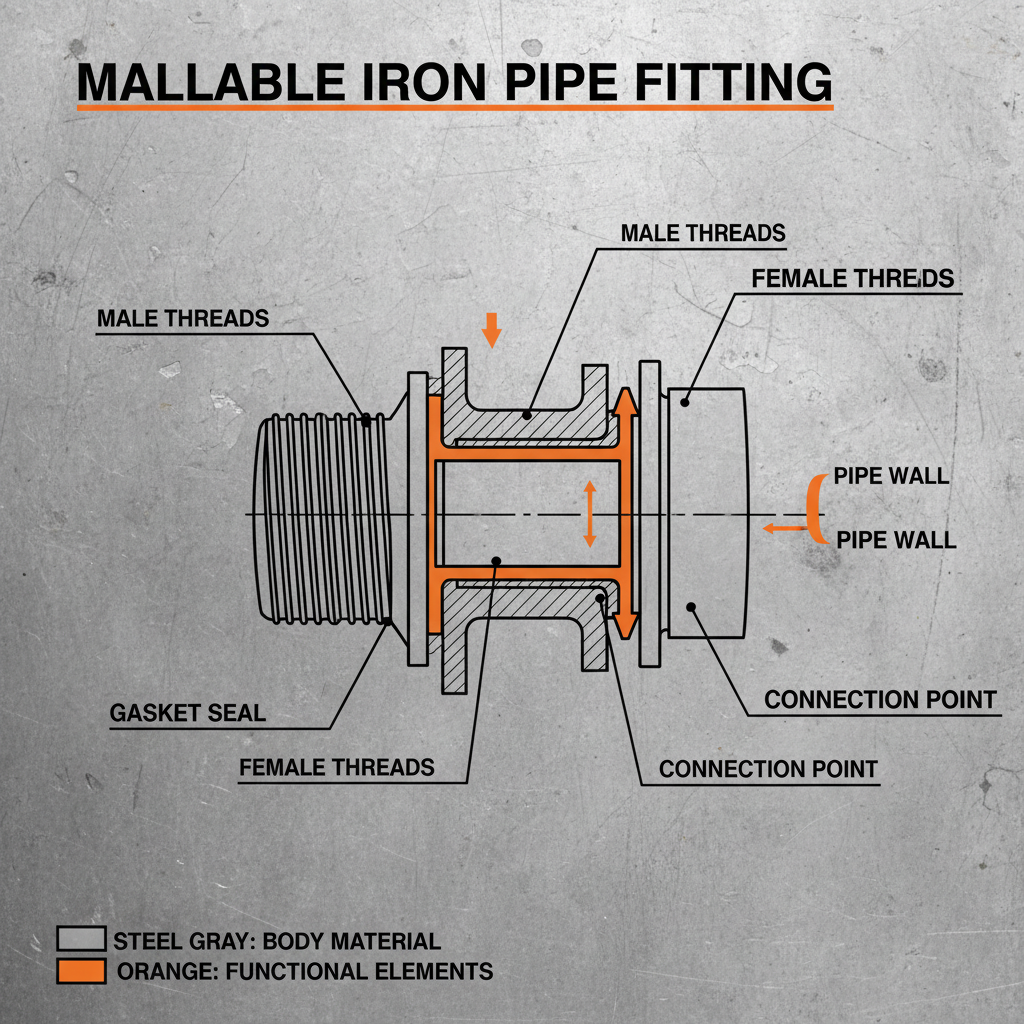
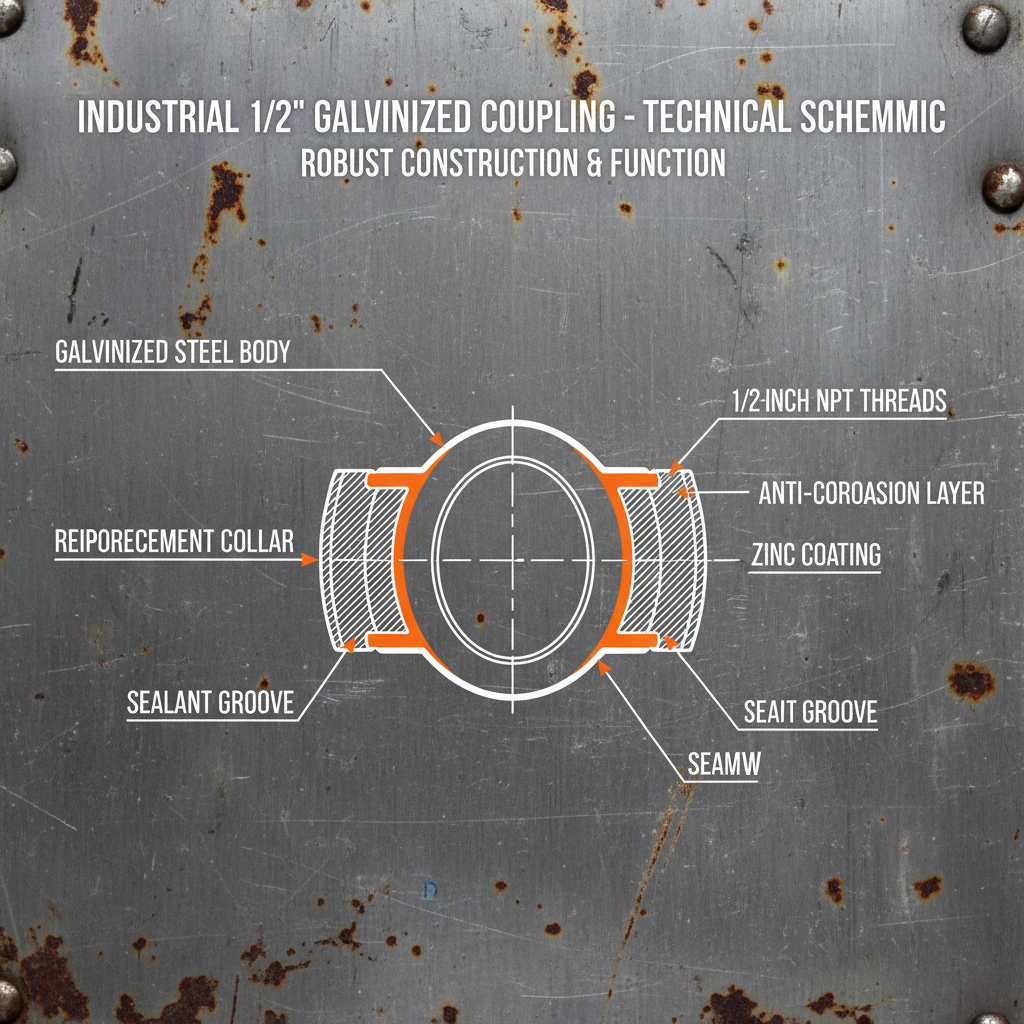
In its simplest terms, a coupling for pipes is a device used to connect two lengths of pipe, typically of the same diameter, to create a continuous flow path. Unlike elbows or tees, which change the direction or split the flow, a coupling is designed for linear extension and structural sealing. Whether it is a threaded connection, a compression fitting, or a welded joint, the coupling's primary purpose is to maintain the pressure integrity of the system.
Beyond the basic definition, modern couplings are integral to humanitarian and industrial needs. In post-disaster relief, for instance, the ability to quickly deploy "Compression Quick Connecting Malleable Iron Pipe Fittings" allows NGOs and government agencies to restore potable water supplies to devastated areas within hours. This agility transforms a simple piece of hardware into a life-saving tool.
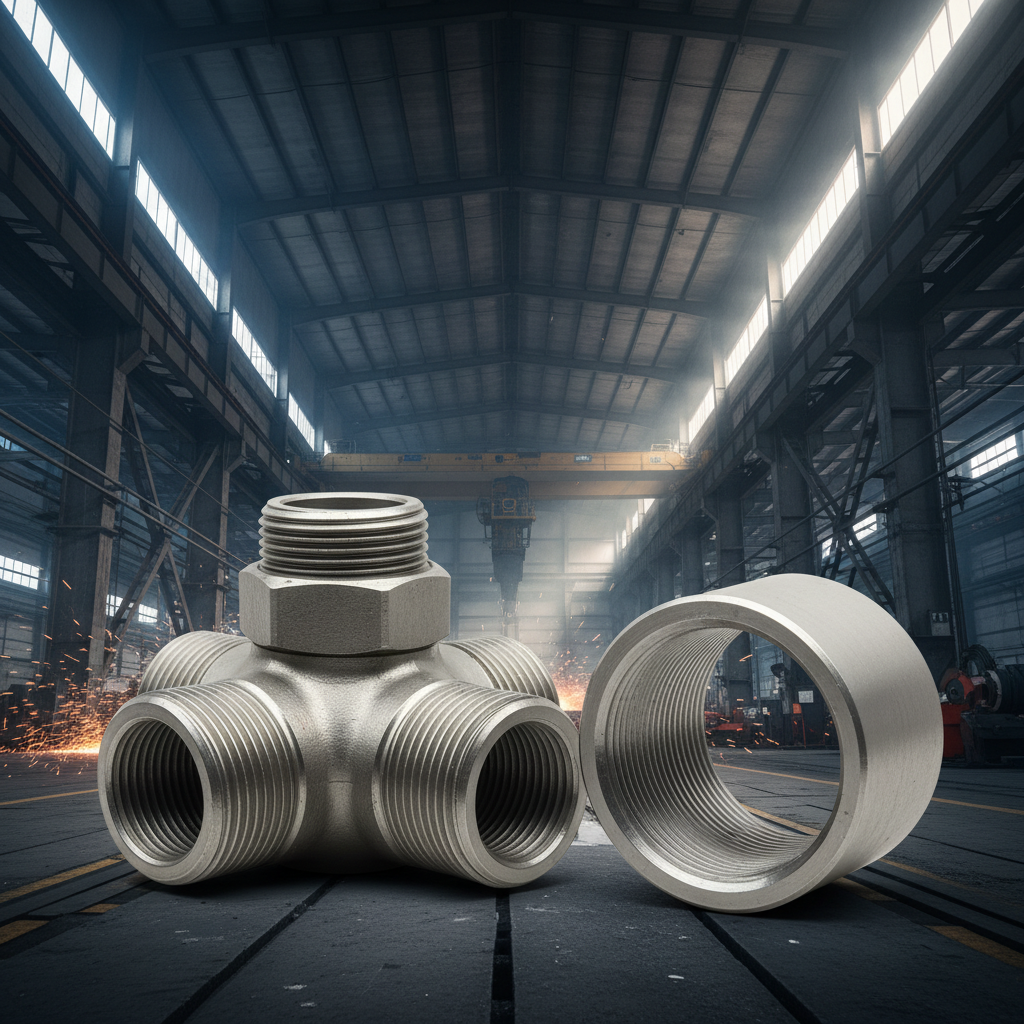
The evolution of these components has led to a variety of specialized types, including Class 300 Pipe Fittings for high-pressure industrial environments and Malleable Pipe Fittings for general plumbing. By standardizing these connections, the global supply chain ensures that a coupling manufactured in one part of the world can seamlessly integrate with a pipeline installed in another, facilitating global trade and infrastructure development.
Core Components for Maximum Reliability
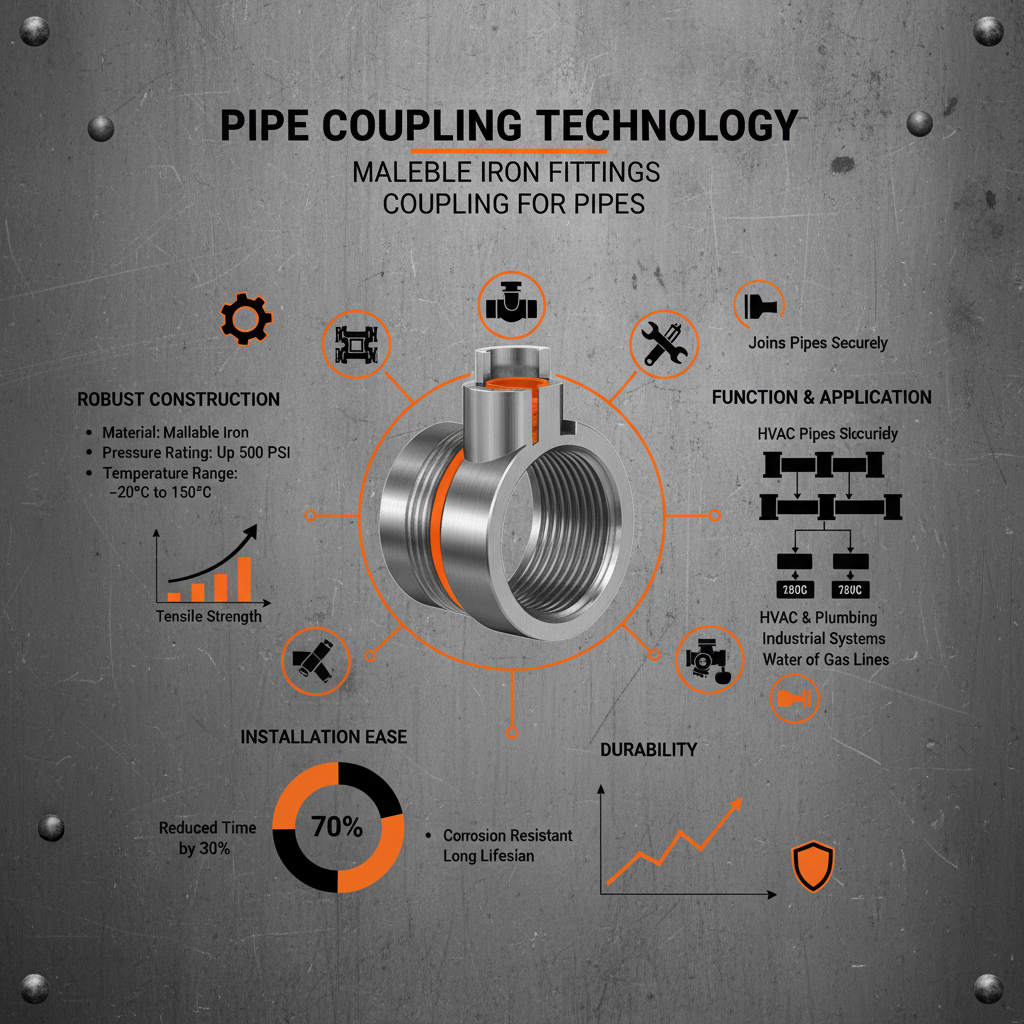
The first pillar of a successful coupling for pipes is material durability. The choice between malleable iron, bronze, or coated steel determines how the joint will react to oxidation and chemical erosion. For instance, in saltwater applications, bronze couplings are preferred due to their natural resistance to corrosion, ensuring the system doesn't degrade over decades of service.
Scalability and versatility represent the second core factor. A high-quality coupling must be compatible with various pipe schedules and wall thicknesses. The use of Compression Couplings allows for a flexible installation process that doesn't always require heat or welding, making them an ideal choice for field repairs where power sources are limited and speed is of the essence.
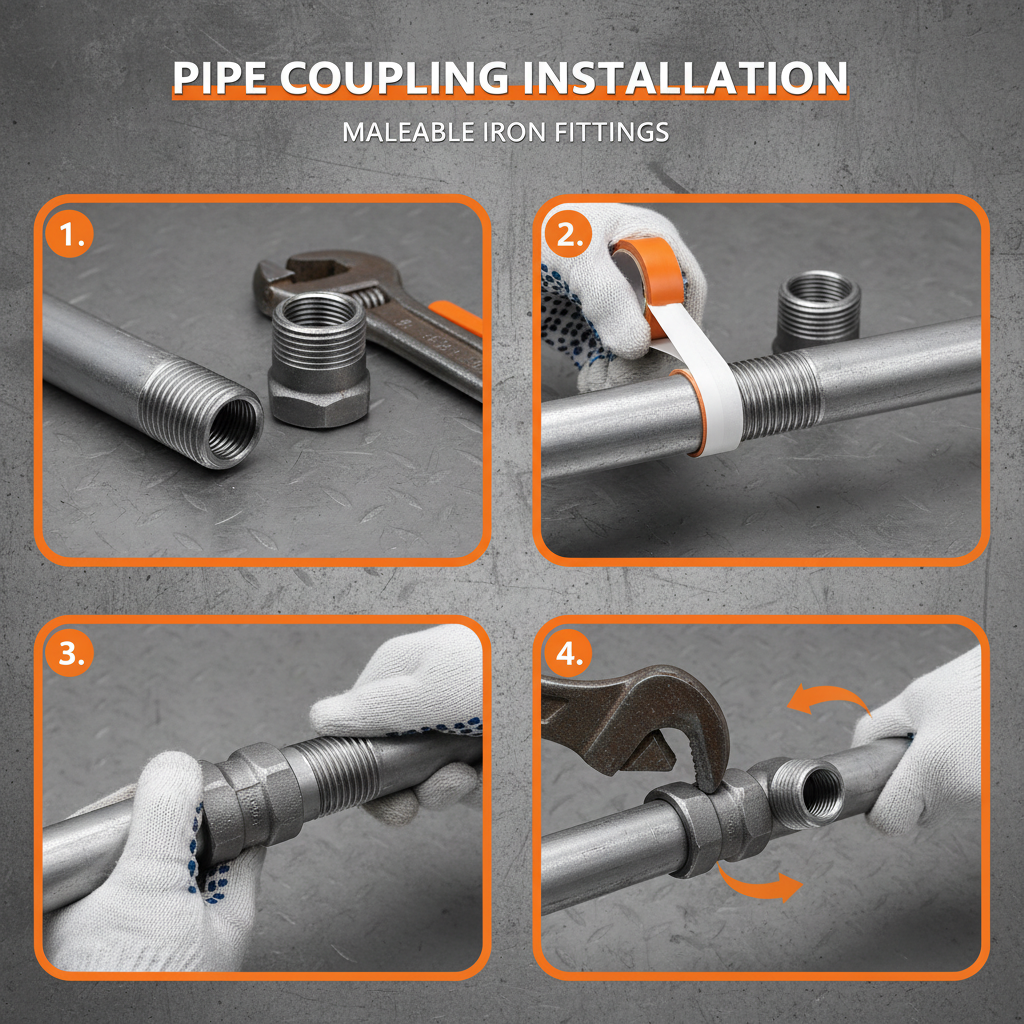
Finally, cost-efficiency and sealing precision are what separate professional-grade fittings from generic alternatives. Precision-threaded coupling for pipes ensure a tighter fit with fewer consumables (like Teflon tape or pipe dope), reducing the risk of "weeping" joints. When scaled across thousands of connection points in a refinery, these small improvements in precision lead to massive savings in maintenance labor.
Global Applications and Use Cases
In real-world contexts, the application of coupling for pipes varies by the criticality of the medium being transported. In the petrochemical sector of the Middle East, Class 300 Pipe Fittings are standard for transporting volatile hydrocarbons where any leak could lead to an explosion. These couplings are engineered to withstand extreme thermal expansion and contraction caused by the desert's diurnal temperature swings.
Conversely, in the urban infrastructure of Southeast Asia, Standard Malleable Iron Pipe Fittings are used extensively for municipal water distribution. In these densely populated zones, the ability to use mechanical couplings allows for the rapid replacement of aging pipes without digging up entire city blocks, thereby minimizing the social and economic disruption caused by road closures.
Efficiency Comparison of Different Coupling for Pipes Methods
Advantages and Long-Term Economic Value
Investing in premium coupling for pipes yields tangible long-term benefits, primarily through the reduction of "Total Cost of Ownership." While a low-cost fitting might save money during the initial procurement phase, the cost of a single leak—including product loss, environmental fines, and emergency labor—far outweighs the initial savings. High-reliability couplings provide the peace of mind that critical infrastructure is secure.
Beyond the logical financial gains, there is an emotional and ethical component: safety. In high-pressure steam or chemical lines, the failure of a coupling can be catastrophic for workers. Using certified, high-grade fittings demonstrates a commitment to worker dignity and safety, fostering trust between management and the workforce while ensuring that innovation in industrial capacity does not come at the cost of human life.
Future Trends in Connection Technology
The future of coupling for pipes is being shaped by the push toward "Green Industry." We are seeing a rise in the development of bio-compatible coatings and recycled alloys that reduce the carbon footprint of manufacturing without sacrificing the structural integrity of the fitting. As the world moves toward hydrogen energy, couplings must be redesigned to handle the unique diffusion properties of hydrogen molecules, which are smaller and more prone to leakage than natural gas.
Digital transformation is also infiltrating the piping world. "Smart Couplings" embedded with IoT sensors are currently in development, allowing operators to monitor pressure drops or vibration levels at the joint in real-time. This transition from reactive to predictive maintenance means a coupling can signal its own need for replacement before a leak ever occurs, effectively eliminating unplanned downtime.
Furthermore, automation in the installation process—such as robotic welding and precision torquing systems—is ensuring that the human error factor in installing a coupling for pipes is minimized. This convergence of material science, IoT, and robotics is setting a new standard for the next generation of industrial piping networks.
Challenges and Professional Solutions
One of the most persistent challenges in the industry is galvanic corrosion, which occurs when two dissimilar metals are connected via a coupling for pipes. This electrochemical reaction can eat through a joint in a fraction of its intended lifespan. Professional solutions involve the use of dielectric couplings or specialized Coated Pipe Fittings that act as an insulating barrier, breaking the electrical circuit and halting the corrosion process.
Another common limitation is the "over-tightening" phenomenon, where technicians apply excessive force to a compression coupling, crushing the seal and creating a permanent leak path. Expert insight suggests a shift toward torque-limited installation tools and more comprehensive training for field technicians, ensuring that the mechanical limits of the fitting are respected.
Finally, the complexity of managing vast inventories of different fitting sizes can lead to the use of "close-enough" alternatives, which is a recipe for disaster. The solution is the adoption of digital inventory management systems and a move toward more modular, universal coupling designs that can accommodate slight variations in pipe diameter without compromising the seal.
Technical Analysis of Coupling for Pipes Material Performance
| Material Type |
Corrosion Resistance (1-10) |
Pressure Rating |
Typical Application |
| Bronze |
9 |
Medium |
Marine/Saltwater |
| Malleable Iron |
5 |
High |
General Plumbing |
| Coated Steel |
7 |
Very High |
Industrial Gas |
| Stainless Steel |
10 |
High |
Pharmaceutical |
| Galvanized Iron |
6 |
Medium |
Outdoor Water |
| Polymer-Coated |
8 |
Low-Medium |
Agricultural Irrigation |
FAQS
A coupling is a permanent or semi-permanent connection used to join two pipes in a straight line, often requiring the pipe to be cut or rotated to fit. A union, however, is designed to be easily disconnected without cutting the pipe, which is essential for maintaining equipment like pumps or valves. While both provide a secure seal, the union offers superior serviceability for parts of the system that require frequent inspection.
Selection depends on the specific corrosive agent. For saltwater, Bronze pipe Fittings are the gold standard. For acidic industrial chemicals, stainless steel or specialized polymer-coated fittings are recommended. For standard outdoor utility lines, galvanized or coated malleable iron provides a cost-effective balance. Always refer to a material compatibility chart to ensure the coupling won't react with the transported fluid.
Yes, generally speaking, a higher pressure-rated coupling (Class 300) can be used in a lower-rated system (Class 150) because it exceeds the minimum safety requirements. However, the overall system rating will still be limited by the weakest component. The main drawback is usually cost, as you would be paying for a higher specification than is technically necessary for the application.
The most common causes are improper pipe seating, where the pipe isn't pushed fully into the coupling, or over-tightening, which deforms the internal sealing ring (ferrule). Additionally, using a pipe with a diameter that is slightly off-spec can prevent the compression ring from gripping the surface correctly. Ensuring a clean, burr-free pipe end is critical for a leak-proof seal.
Standard malleable iron fittings are often used in low to medium pressure steam applications. However, for high-pressure steam, forged steel or Class 300 fittings are preferred due to their higher tensile strength and better resistance to thermal fatigue. Always check the local building codes and the manufacturer's pressure-temperature ratings before installing malleable iron in steam systems.
Inspection intervals depend on the criticality of the system. For high-pressure industrial lines, quarterly visual inspections and annual ultrasonic testing are recommended. For residential or commercial water lines, an annual check for "weeping" or oxidation at the joints is usually sufficient. Any sign of pitting, discoloration, or moisture around the coupling should trigger an immediate detailed assessment.
Conclusion
In summary, the selection and implementation of a coupling for pipes is a fundamental aspect of industrial engineering that impacts everything from operational efficiency to environmental safety. By understanding the critical balance between material durability—such as the use of Bronze or Malleable Iron—and the precision of the connection mechanism, companies can significantly reduce maintenance overhead and prevent catastrophic failures. The integration of standardized fittings ensures that global infrastructure remains scalable, reliable, and safe for the people who operate it.
Looking forward, the industry is moving toward a more intelligent and sustainable future, where smart sensors and green materials will redefine what we expect from a simple pipe joint. For engineers and procurement managers, the key to success lies in moving beyond the "lowest bid" mentality and adopting a value-based approach to piping components. By prioritizing quality and precision today, you are securing the resilience of your infrastructure for decades to come. Visit our website for professional solutions: www.malleablefitting.com