The 1/2 galvanized coupling is a fundamental component in plumbing and piping systems worldwide, ensuring secure and leak-proof connections. Its prevalence stems from its robust construction, resistance to corrosion, and relatively low cost, making it a staple in residential, commercial, and industrial applications. Understanding the nuances of 1/2 galvanized coupling – its manufacturing processes, material properties, and installation techniques – is crucial for engineers, plumbers, and anyone involved in fluid transfer systems. This knowledge empowers effective system design, maintenance, and longevity, contributing to safer and more efficient infrastructure globally.
Globally, demand for galvanized steel fittings, including the 1/2 galvanized coupling, is inextricably linked to infrastructure development and population growth. According to the World Steel Association, steel demand is projected to increase in developing economies, driving demand for these essential components. The inherent challenge lies in balancing this demand with sustainable manufacturing practices and the need for corrosion-resistant materials in harsh environments. Addressing this requires continuous innovation in galvanization techniques and exploring alternative, eco-friendly coatings.
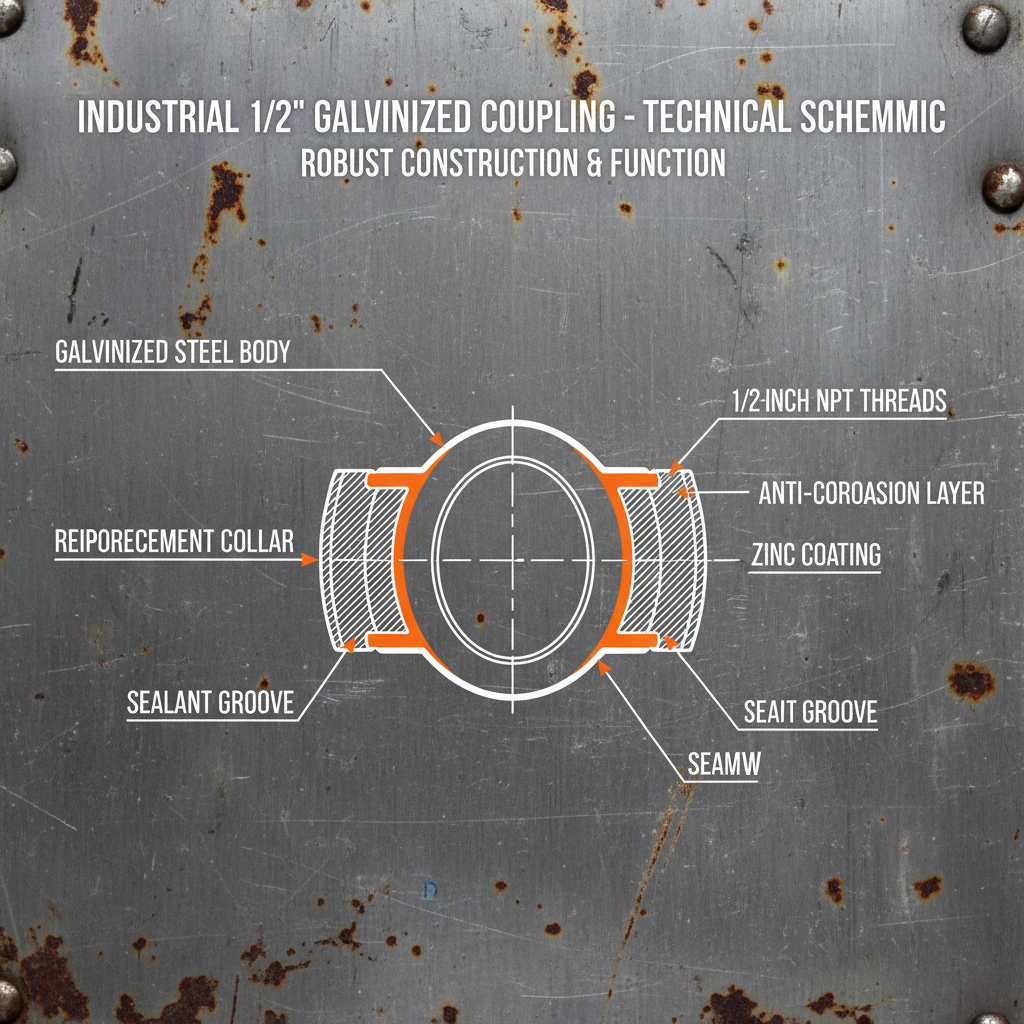
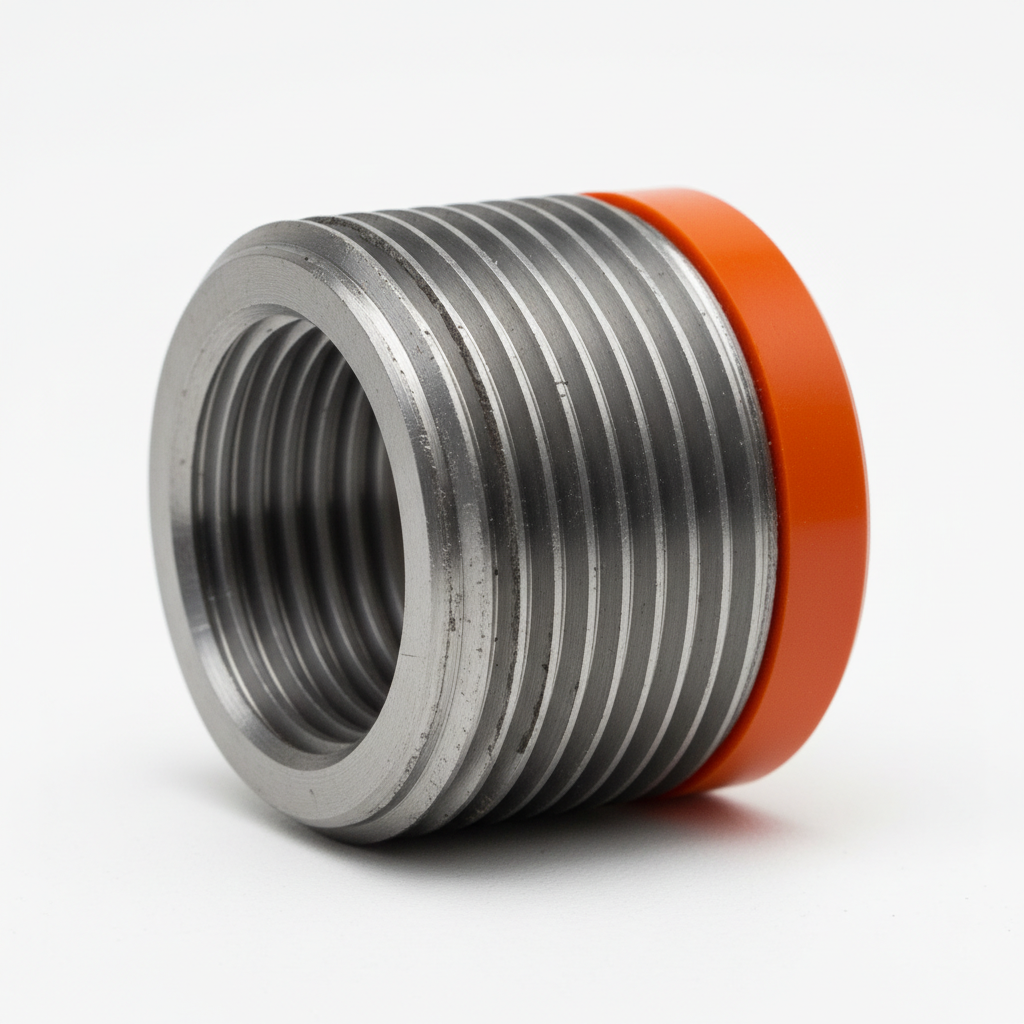
The 1/2 galvanized coupling, at its core, is a short cylindrical pipe fitting with female threads at both ends, designed to join two 1/2-inch pipes. "Galvanized" refers to the coating of zinc applied to the steel to protect it from rust and corrosion. This process dramatically extends the lifespan of the coupling, particularly in outdoor or damp conditions. Its importance isn't limited to practical application; it symbolizes reliable connection and durability, vital in modern infrastructure and increasingly important in humanitarian contexts where access to clean water and sanitation are paramount.
Introduction to 1/2 Galvanized Coupling
The ubiquitous 1/2 galvanized coupling serves as a cornerstone in countless plumbing and piping systems. Its seemingly simple design belies a crucial role in ensuring the safe and efficient transfer of fluids and gases. From supplying potable water to homes to maintaining industrial processes, the integrity of this component directly impacts the reliability of entire systems. 1/2 galvanized coupling are a fundamental building block.
The strength of a piping system often hinges on the quality of its connections, and that’s where the 1/2 galvanized coupling truly shines. By providing a robust and corrosion-resistant link between pipes, it minimizes the risk of leaks, reduces maintenance requirements, and contributes to the long-term durability of the infrastructure it supports. Understanding its properties and appropriate applications is key to maintaining the health and efficiency of these vital systems.
The Global Relevance of 1/2 Galvanized Coupling
The need for reliable fluid transfer systems extends far beyond developed nations. In emerging economies experiencing rapid urbanization and industrial growth, the demand for 1/2 galvanized coupling and similar fittings is soaring. This is particularly true in sectors like agriculture, where irrigation systems rely heavily on durable and corrosion-resistant piping, and in construction, where potable water and wastewater management are critical. The United Nations estimates that billions of people worldwide still lack access to safe water and sanitation, highlighting the critical role of robust plumbing infrastructure.
Furthermore, the aftermath of natural disasters often necessitates the rapid deployment of temporary or permanent water and sanitation solutions. 1/2 galvanized coupling, owing to its ease of installation and readily available materials, proves invaluable in these situations. Organizations like the Red Cross and Engineers Without Borders frequently utilize galvanized steel fittings in emergency response efforts.
However, the global production and transportation of 1/2 galvanized coupling also contribute to carbon emissions. Therefore, there’s a growing emphasis on sustainable manufacturing practices, including reducing zinc consumption, utilizing recycled materials, and optimizing transportation logistics to minimize environmental impact.
Defining the 1/2 Galvanized Coupling
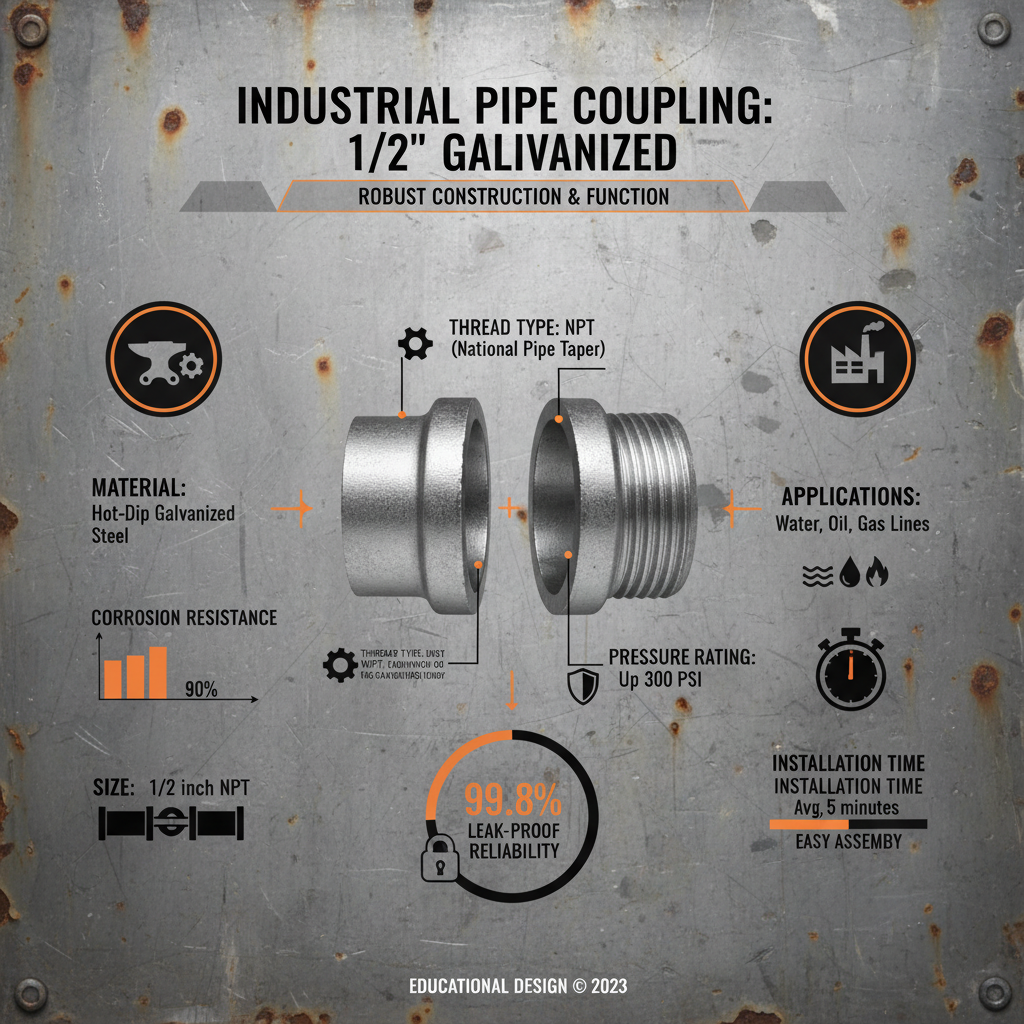
At its most basic, a 1/2 galvanized coupling is a fitting designed to connect two sections of 1/2-inch nominal pipe diameter. The "nominal" size refers to the approximate internal diameter, as the actual inside diameter varies slightly depending on the pipe schedule (thickness). The coupling features internal threads, conforming to standardized National Pipe Thread (NPT) specifications, which allow for a secure, leak-proof connection when tightened with a pipe wrench.
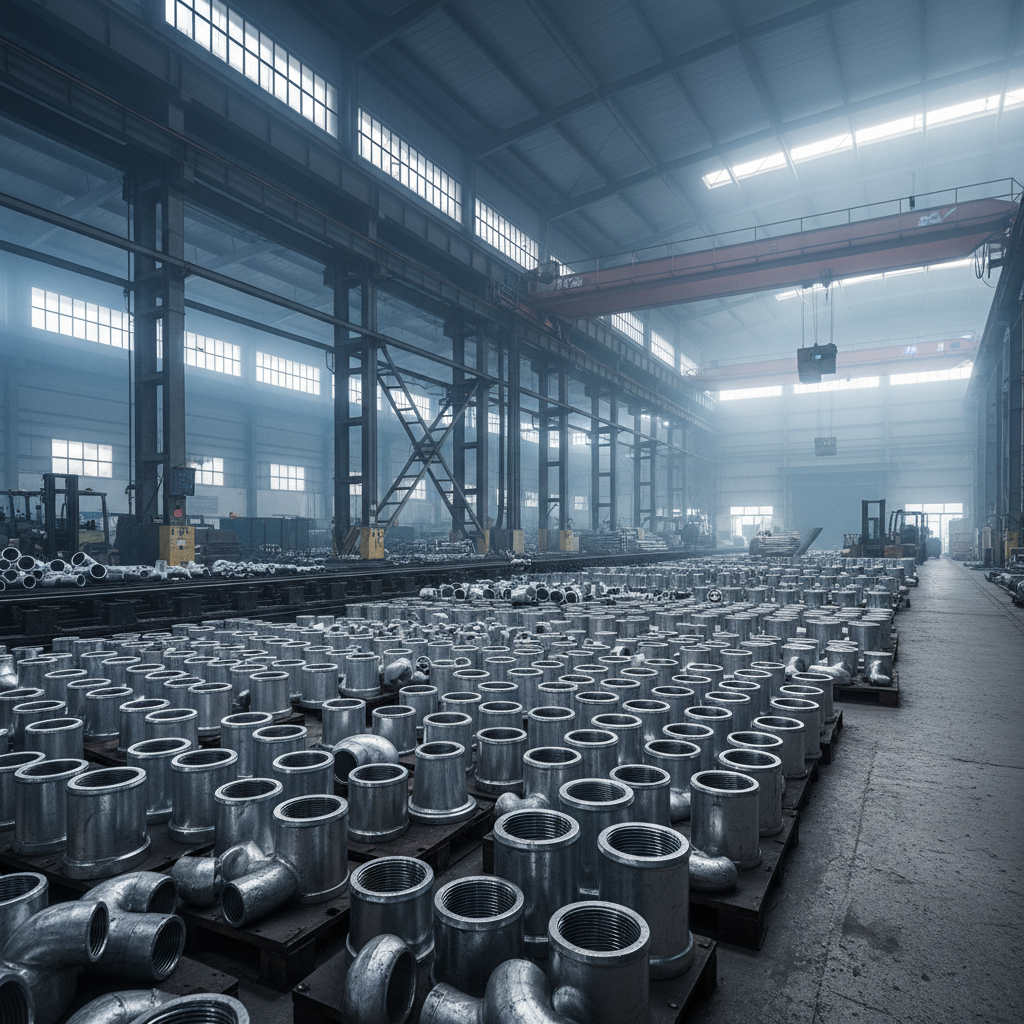
The 'galvanized' aspect refers to the zinc coating applied to the steel. This coating is achieved through a process called hot-dip galvanization, where the steel is immersed in a bath of molten zinc. This creates a metallurgical bond between the zinc and the steel, forming a protective barrier against corrosion. The zinc corrodes preferentially, sacrificing itself to protect the underlying steel.
In the context of modern infrastructure, this seemingly simple component is critical. Providing access to clean water and sanitation, critical for public health, relies on durable and reliable connections like those provided by a 1/2 galvanized coupling. It represents a basic, yet essential, element in improving quality of life globally, demonstrating how even small components can have significant humanitarian impact.
Key Factors in 1/2 Galvanized Coupling Performance
Several factors dictate the performance and longevity of a 1/2 galvanized coupling. Firstly, Durability is paramount. The thickness of the zinc coating directly impacts corrosion resistance. Thicker coatings provide longer-lasting protection, especially in harsh environments. Secondly, Thread Accuracy is vital. Precisely cut threads ensure a tight, leak-proof seal when connected to other fittings and pipes. Improperly threaded couplings can lead to leaks and system failures.
Thirdly, Material Quality of the underlying steel is crucial. High-quality steel is less prone to defects and provides a stronger base for the zinc coating. Finally, Installation Technique significantly influences performance. Proper tightening with a pipe wrench, avoiding over-tightening or cross-threading, is essential for creating a reliable connection. 1/2 galvanized coupling are best when installed correctly.
1/2 Galvanized Coupling Performance Metrics
Global Applications and Use Cases
1/2 galvanized coupling finds widespread application in residential plumbing, connecting pipes for water supply, drainage, and heating systems. In agriculture, it's used extensively in irrigation systems, delivering water to crops. Industrial facilities utilize it in various processes involving fluid and gas transfer, from manufacturing to chemical processing.
In post-disaster relief operations, these couplings are vital for establishing temporary water and sanitation infrastructure. Their ease of installation and availability make them ideal for quickly restoring essential services. In remote industrial zones, where access to specialized materials is limited, 1/2 galvanized coupling provides a reliable and readily accessible solution for maintaining critical systems.
Advantages and Long-Term Value
The primary advantage of 1/2 galvanized coupling is its cost-effectiveness. Compared to other materials like stainless steel or copper, galvanized steel offers a balance of durability and affordability. Its inherent corrosion resistance ensures a long service life, reducing maintenance and replacement costs. This contributes to a lower total cost of ownership over the lifespan of the system.
Beyond economic benefits, the use of galvanized steel promotes sustainability. The zinc coating extends the lifespan of the piping system, reducing the need for frequent replacements and minimizing waste. It also enhances safety by preventing leaks and ensuring the reliable delivery of potable water. The trust built on reliable connections is also valuable; knowing your system is securely joined gives peace of mind.
Future Trends and Innovations
Ongoing research focuses on enhancing the galvanization process to improve corrosion resistance and reduce zinc consumption. Exploring alternative coatings, such as zinc-nickel alloys, promises even greater protection. Furthermore, the integration of digital technologies, such as smart sensors embedded within piping systems, allows for real-time monitoring of corrosion levels and proactive maintenance scheduling.
Automation in manufacturing processes is streamlining production, reducing costs, and improving quality control. The increasing emphasis on sustainability is driving the development of eco-friendly galvanization techniques and the use of recycled materials. These innovations ensure that the 1/2 galvanized coupling remains a relevant and valuable component in modern infrastructure for years to come.
Challenges & Solutions
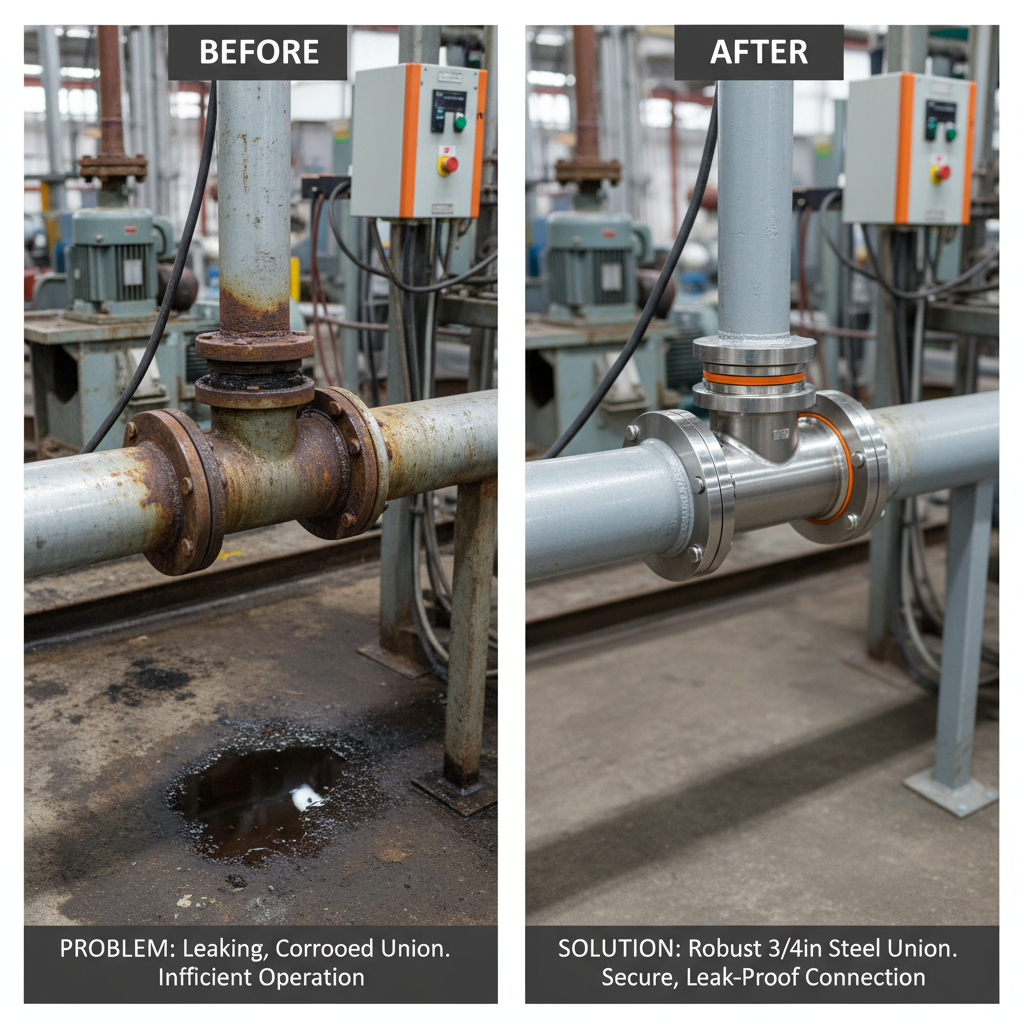
One major challenge is the potential for galvanic corrosion when 1/2 galvanized coupling is used in contact with dissimilar metals. This occurs when an electrochemical reaction between the metals accelerates corrosion. Solutions include using dielectric unions to isolate the metals or applying protective coatings to prevent contact.
Another challenge is the susceptibility to corrosion in highly acidic or alkaline environments. In these situations, alternative materials like stainless steel or plastic may be more appropriate. Careful material selection based on the specific application is crucial.
Furthermore, the lead content in some older galvanized pipes raises health concerns. Modern manufacturing processes prioritize lead-free galvanized steel to mitigate this risk. Implementing rigorous quality control measures and adhering to industry standards are essential for ensuring the safety and reliability of 1/2 galvanized coupling.
Summary of 1/2 Galvanized Coupling Challenges and Solutions
| Challenge |
Severity Level (1-5) |
Potential Impact |
Proposed Solution |
| Galvanic Corrosion |
3 |
Reduced lifespan, leaks |
Dielectric unions, protective coatings |
| Acidic/Alkaline Environments |
4 |
Rapid corrosion, system failure |
Alternative materials (stainless steel, plastic) |
| Lead Content (Older Pipes) |
5 |
Health risks, regulatory compliance |
Use lead-free galvanized steel, pipe replacement |
| Thread Damage during Installation |
2 |
Leaks, reduced connection strength |
Proper installation techniques, thread sealant |
| Uneven Galvanization Coating |
3 |
Localized corrosion, reduced lifespan |
Quality control during manufacturing |
| Cost Fluctuation of Zinc |
2 |
Increased production costs |
Explore alternative coatings, optimize zinc usage |
FAQS
The lifespan of a 1/2 galvanized coupling can vary significantly depending on the environment. In relatively benign conditions, with neutral pH water and minimal exposure to the elements, it can easily last 50-70 years. However, in harsh environments—such as those with high salinity, acidic water, or constant humidity—the lifespan may be reduced to 20-30 years. Regular inspection and maintenance are vital to maximizing its service life, and applying protective coatings can further extend durability.
While technically possible, painting over a 1/2 galvanized coupling is generally not recommended. Paint can trap moisture beneath it, accelerating corrosion. If painting is necessary for aesthetic reasons, use a zinc-rich primer specifically designed for galvanized steel followed by a high-quality, breathable topcoat. Thorough preparation, including cleaning and roughening the surface, is essential to ensure proper adhesion and prevent premature failure. Consider the impact on corrosion resistance before painting.
The correct tightening procedure involves using a pipe wrench and applying a smooth, consistent force. Avoid over-tightening, as this can damage the threads. A general guideline is to tighten until snug, then give it an additional quarter to half turn. Using pipe dope or Teflon tape on the threads will ensure a leak-proof seal and facilitate easier disassembly in the future. Always ensure the wrench is securely engaged on the coupling to prevent slippage and damage.
Modern 1/2 galvanized couplings manufactured to current standards are generally considered safe for potable water systems. However, older couplings may contain lead, which can leach into the water supply. If you are unsure about the age or composition of your couplings, it is best to replace them with lead-free alternatives. Always verify compliance with local plumbing codes and regulations to ensure water safety.
Alternatives to 1/2 galvanized couplings include couplings made of copper, brass, PVC, or CPVC. Copper and brass are more corrosion-resistant but also more expensive. PVC and CPVC are plastic materials that are lightweight and easy to install but may not be suitable for high-temperature or high-pressure applications. The best alternative depends on the specific application and budget considerations.
Preventing corrosion involves several strategies. Ensure the coupling is properly grounded to prevent galvanic corrosion. Avoid direct contact with dissimilar metals by using dielectric unions. Regularly inspect for signs of corrosion and address them promptly. Consider applying a protective coating specifically designed for galvanized steel. Maintaining a neutral pH water supply can also significantly reduce corrosion rates.
Conclusion
The 1/2 galvanized coupling, while a seemingly simple component, remains a cornerstone of plumbing and piping systems globally. Its affordability, durability, and corrosion resistance make it a vital element in ensuring reliable fluid transfer. Understanding its properties, applications, and potential limitations is paramount for engineers, plumbers, and anyone involved in infrastructure development.
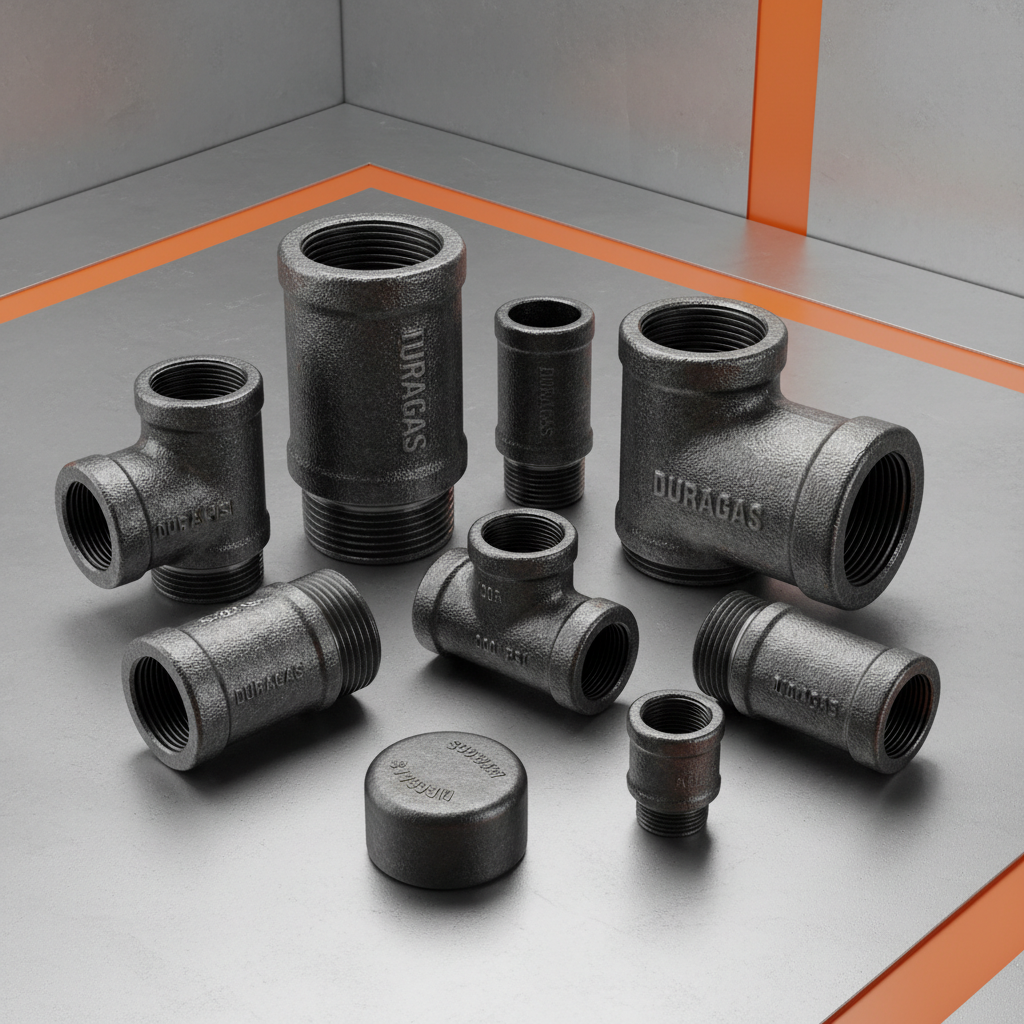
Looking forward, continued innovation in galvanization techniques, the exploration of alternative coatings, and the integration of smart technologies will ensure the ongoing relevance of this essential fitting. By prioritizing sustainability, addressing corrosion concerns, and adhering to best practices, we can maximize the lifespan and performance of 1/2 galvanized coupling, contributing to safer and more efficient infrastructure for generations to come. Visit our website at www.malleablefitting.com to explore our full range of galvanized fittings.