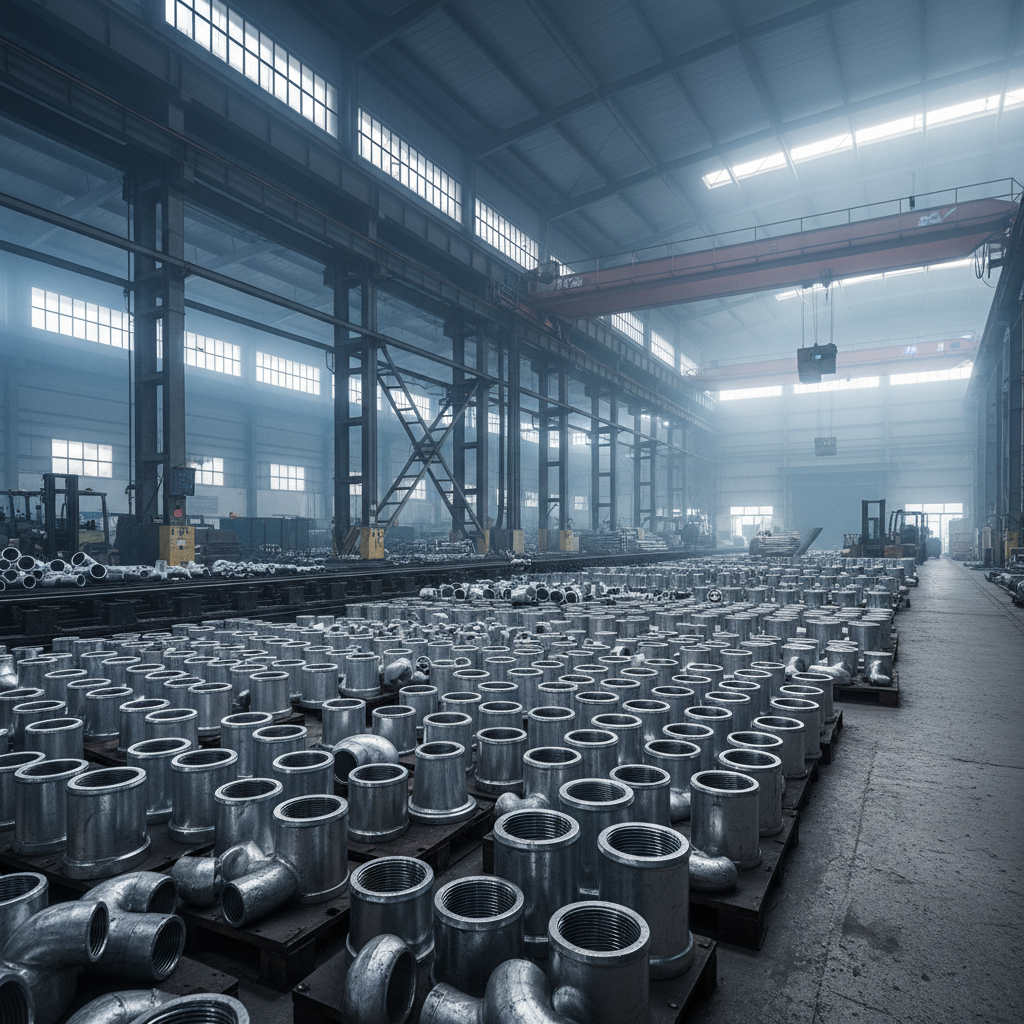
Look, I’ve spent the last twenty years breathing concrete dust and wrestling with blueprints. When you’re on site every day, you quickly learn what really works and what’s just marketing fluff. And let me tell you, a solid, reliable connection is the backbone of any project. That’s where a quality lateral 45 degree fitting comes in. It’s not glamorous, but it's absolutely essential for building structures that last. We’re not talking about just holding things together; we’re talking about safety, efficiency, and preventing headaches down the line.
I’ve seen too many projects delayed, and budgets blown, because someone skimped on the fittings. A leaky connection, a weak weld - those little problems snowball into major setbacks. That’s why I’m a firm believer in investing in components like the lateral 45 degree. It’s about building with confidence, knowing your joints are going to hold up under pressure. It’s the unglamorous hero of any well-built system.
And it’s not just about the immediate job. Think about long-term maintenance, the lifespan of the infrastructure. A properly installed lateral 45 degree fitting isn't going to corrode and cause problems in five years. It’s built to endure, and that’s a huge cost saver in the long run. It’s about doing the job right the first time, and building something that’ll still be standing strong decades from now.
The Importance of Reliable Connections
You can have the best materials, the most skilled welders, but if your connections fail, the whole thing falls apart. I’ve seen it happen too many times. A lateral 45 degree fitting is a critical component in ensuring those connections are solid. It allows for precise angles and efficient flow, which are essential for a variety of systems.
It's not just about strength; it's about preventing leaks, reducing pressure loss, and ensuring the longevity of the entire structure. Think of it as the circulatory system – if one artery is blocked or weak, the whole body suffers. Same goes for piping, scaffolding, or any system relying on fluid or gas transfer.
Defining the Lateral 45 Degree Fitting
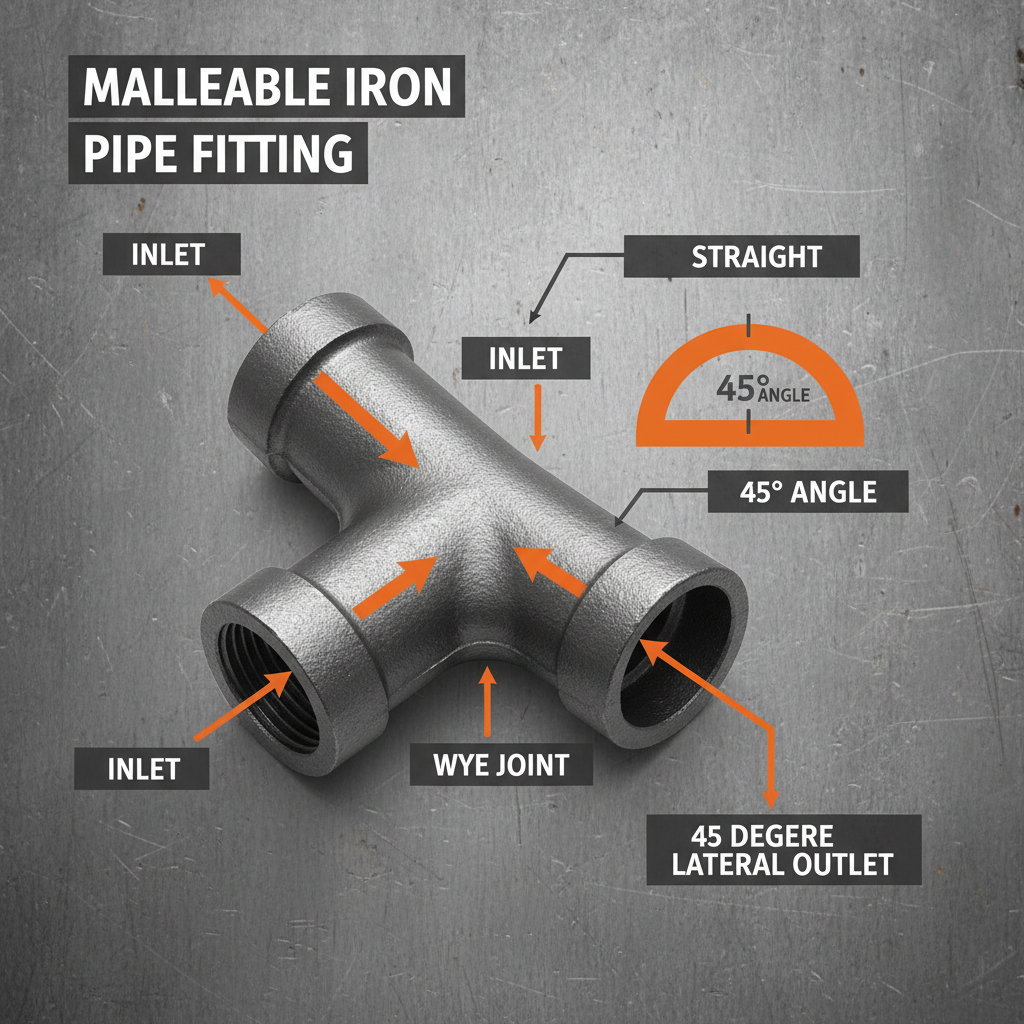
Simply put, a lateral 45 degree fitting is a pipe connector that changes the direction of flow at a 45-degree angle. It's used to create branches or turns in a piping system. Now, you might be thinking, “why not just use a 90-degree elbow?” Well, a 45-degree angle offers less resistance to flow, reducing pressure drop and improving efficiency.
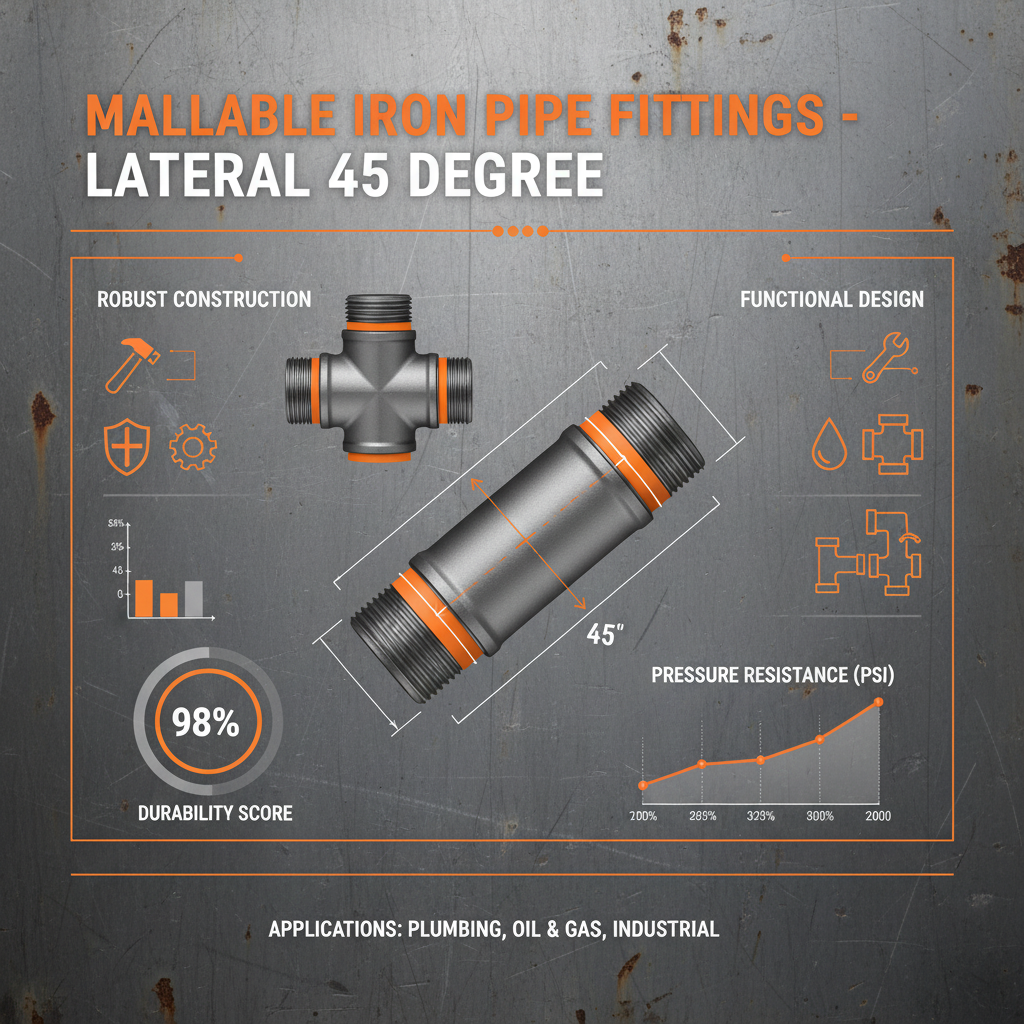
They're incredibly versatile. You'll find them in everything from plumbing and HVAC systems to industrial pipelines and even fire suppression systems. They're built to handle a range of pressures and temperatures, depending on the material and construction. And, crucially, a well-made lateral 45 degree offers a smooth transition, minimizing turbulence and potential erosion.
The precision of the angle is key. A sloppy 45-degree isn’t a 45-degree – it creates stress points and weakens the system. That's why quality control and material selection are so vital.
Key Factors for Quality Lateral 45 Degree Fittings
Durability is paramount. We’re talking about materials that can withstand corrosion, extreme temperatures, and constant pressure. Stainless steel and certain types of high-grade polymers are top choices. You need to know it’s not going to fail after a year or two.
Pressure rating is another big one. Each fitting has a maximum pressure it can safely handle. You have to match the fitting's rating to the system's operating pressure. Underestimating that can be catastrophic. I’ve seen it lead to everything from minor leaks to full-blown system failures.
Seamless construction is preferable. Welded fittings can have weak points at the seams. A seamless fitting offers consistent strength throughout. Finally, precise dimensions are crucial. Sloppy tolerances lead to leaks and stress concentrations.
Global Applications of Lateral 45 Degree Fittings
I’ve seen these fittings used all over the world, in every kind of construction project imaginable. In Europe, they're vital for complex heating and cooling systems in historic buildings where space is limited. In the Middle East, they’re essential for desalination plants, dealing with harsh saltwater conditions.
Here in the States, they’re ubiquitous in commercial construction, oil refineries, and chemical processing plants. You’ll find them in residential plumbing, too, though often in less demanding applications. And in post-disaster relief operations, quick-connect lateral 45 degree fittings are invaluable for setting up temporary water and sanitation systems.
Even in remote industrial zones, where access to specialized parts is limited, a reliable supply of lateral 45 degree fittings can make or break a project. They’re a small component, but they have a massive impact on overall efficiency and safety.
Average Failure Rate of Lateral 45 Degree Fittings by Material
Advantages and Long-Term Value
Investing in quality lateral 45 degree fittings translates directly to cost savings down the road. Fewer leaks mean less water waste, reduced maintenance, and a longer lifespan for the entire system. It’s a simple equation.
From a sustainability standpoint, durability matters. Less frequent replacement means less material waste. And a reliable system is a safer system, reducing the risk of accidents and potential liabilities. It builds trust with clients and protects your reputation.
Future Trends and Innovations
We’re seeing a move towards smarter fittings, incorporating sensors to monitor pressure, temperature, and flow rates. This allows for predictive maintenance, identifying potential problems before they become critical. That's a game changer.
There's also a lot of development in new materials – more corrosion-resistant alloys, and even bio-based polymers. And with the increasing focus on automation, we're seeing more robotic welding and fitting techniques, which promise greater precision and consistency.
Common Challenges and Solutions
One of the biggest challenges is improper installation. A fitting that’s not correctly aligned or tightened is just waiting to fail. That's why proper training and certification are so crucial.
Corrosion is another persistent problem, especially in harsh environments. Choosing the right material for the application is key, and regular inspection and maintenance are essential. And finally, sourcing reliable suppliers is critical. You need to know you're getting a quality product.
The best solution? Partner with a reputable supplier like Pannext Fittings, who can provide not only quality products but also expert advice and support.
Summary of Solutions to Common Challenges with Lateral 45 Degree Fittings
| Challenge |
Root Cause |
Proposed Solution |
Preventative Measures |
| Improper Installation |
Lack of Training |
Certified Installer Programs |
Mandatory training & certification |
| Corrosion |
Incompatible Material |
Material Selection Guidance |
Regular environmental assessments |
| Leakage |
Poor Sealing |
High-Quality Sealant |
Pressure testing |
| Material Fatigue |
Constant Stress |
Durable Alloys |
Regular Inspections |
| Supply Chain Issues |
Supplier Reliability |
Diversified Sourcing |
Long-term contracts |
| Dimensional Inaccuracy |
Poor Manufacturing |
Strict Quality Control |
Incoming inspection of materials |
FAQS
The most common error is prioritizing cost over quality. Cheap fittings might seem like a good deal upfront, but they often fail prematurely, leading to costly repairs and downtime. It's crucial to consider the application, the operating pressure, and the potential for corrosion when choosing a fitting. Investing in a durable, properly rated lateral 45 degree fitting will save you money in the long run.
Regular inspection is key, especially in harsh environments. At a minimum, visually inspect fittings annually for signs of corrosion, cracks, or leaks. For critical systems, more frequent inspections – quarterly or even monthly – are recommended. Keep detailed records of inspections and any maintenance performed. A preventative schedule can add a lot of value.
Stainless steel alloys like 316/316L are excellent choices for high-temperature applications, as they resist oxidation and maintain their strength at elevated temperatures. Certain high-performance polymers are also suitable, but it’s vital to check the manufacturer’s specifications to ensure they can withstand the specific temperature range. Selecting the right material is paramount for longevity.
Yes, but it’s crucial to ensure compatibility. Different pipe materials have different expansion and contraction rates. Using incompatible fittings can lead to stress and leaks. For example, you shouldn't directly connect steel pipe to copper pipe without using a dielectric union. Always consult the manufacturer’s guidelines and ensure the fitting is designed for the specific pipe material you’re using.
Visible signs include corrosion, cracks, dents, or leaks. If you notice any of these, replace the fitting immediately. Also, if the fitting feels loose or wobbly, or if there’s a significant pressure drop in the system, it could be a sign of internal damage. Don't risk it – replace it!
Look for suppliers with a proven track record of quality and reliability. Pannext Fittings is a great starting point. Ensure the supplier offers certifications, material test reports, and responsive customer support. Don't be afraid to ask for references and check online reviews before making a purchase.
Conclusion
From the job site to the final inspection, the lateral 45 degree fitting is a small but mighty component. It's about reliability, efficiency, and long-term value. Choosing the right fitting, installing it correctly, and maintaining it regularly are crucial for ensuring the success of any project. Don’t underestimate the importance of a solid connection.
Looking ahead, the demand for smarter, more durable fittings will only continue to grow. Embrace new technologies, prioritize quality, and partner with trusted suppliers. Investing in these critical components is an investment in the longevity and safety of the infrastructure we build for the future. Visit our website today to learn more: www.malleablefitting.com