0%

Table of Contents

The pipe elbow 90 is a foundational component in numerous industries, from plumbing and construction to oil & gas and even chemical processing. Its seemingly simple design belies its critical role in directing fluid flow, mitigating stress on piping systems, and enabling complex infrastructure development. Understanding the nuances of pipe elbow 90 selection, installation, and maintenance is paramount for ensuring system integrity and operational efficiency.

Globally, the demand for robust and reliable piping solutions is continuously increasing, driven by population growth, urbanization, and industrial expansion. The pipe elbow 90, as a crucial element within these systems, directly impacts infrastructure development, resource distribution, and public safety. Improvements in materials, manufacturing techniques, and standardized testing are continually refining the performance and longevity of these essential fittings.

The rising need for sustainable and resilient infrastructure, coupled with stricter environmental regulations, fuels innovation in pipe elbow 90 design and materials. Understanding these trends is vital for engineers, contractors, and facility managers seeking to optimize performance, minimize lifecycle costs, and ensure compliance.

Understanding the Critical Role of the Pipe Elbow 90 in Modern Infrastructure

The Importance of Pipe Elbow 90 in Modern Infrastructure

Understanding the Critical Role of the Pipe Elbow 90 in Modern Infrastructure

The significance of the pipe elbow 90 extends far beyond its simple function of changing direction in a piping system. It's an integral component in managing fluid dynamics, preventing erosion, and maintaining the structural integrity of complex networks. Without precisely engineered and correctly installed pipe elbow 90s, systems are prone to leaks, failures, and costly downtime.

From large-scale municipal water distribution to intricate industrial processing plants, the reliable performance of pipe elbow 90 is critical to the continuity of essential services and the efficiency of industrial operations. Selecting the correct material, diameter, and angle is paramount, along with ensuring proper installation techniques.

Defining Pipe Elbow 90 and its Applications

A pipe elbow 90 is a plumbing fitting used to change the direction of pipe flow by 90 degrees. This is typically achieved through a curved section of pipe, although fabricated elbows may utilize multiple smaller bends. They are available in various materials, including steel, stainless steel, PVC, CPVC, and copper, each suited to different applications and operating conditions.

The applications are incredibly diverse. In residential plumbing, they are essential for connecting sinks, toilets, and showers to the main water supply and drainage systems. In industrial settings, they direct fluids in complex processing lines. They’re vital in fire suppression systems, irrigation, and even in the conveyance of gases and chemicals.

The versatility of the pipe elbow 90 makes it a truly ubiquitous component in modern infrastructure, underscoring the importance of quality and reliability in its manufacture and installation.

Key Characteristics of High-Quality Pipe Elbow 90 Fittings

Several key characteristics define a high-quality pipe elbow 90. Durability is paramount, requiring materials resistant to corrosion, erosion, and pressure fluctuations. Precision manufacturing ensures a smooth internal flow path, minimizing friction and turbulence.

Proper wall thickness is crucial for withstanding the stresses of the system it’s integrated into. Compliance with industry standards (such as ASTM, ANSI, and ISO) guarantees consistent quality and performance. Accurate dimensional tolerances are also essential for a secure and leak-proof connection.

Finally, the finish of the pipe elbow 90 – whether it's a protective coating, polished surface, or galvanized layer – plays a significant role in its longevity and resistance to environmental factors.

Performance Metrics of Pipe Elbow 90

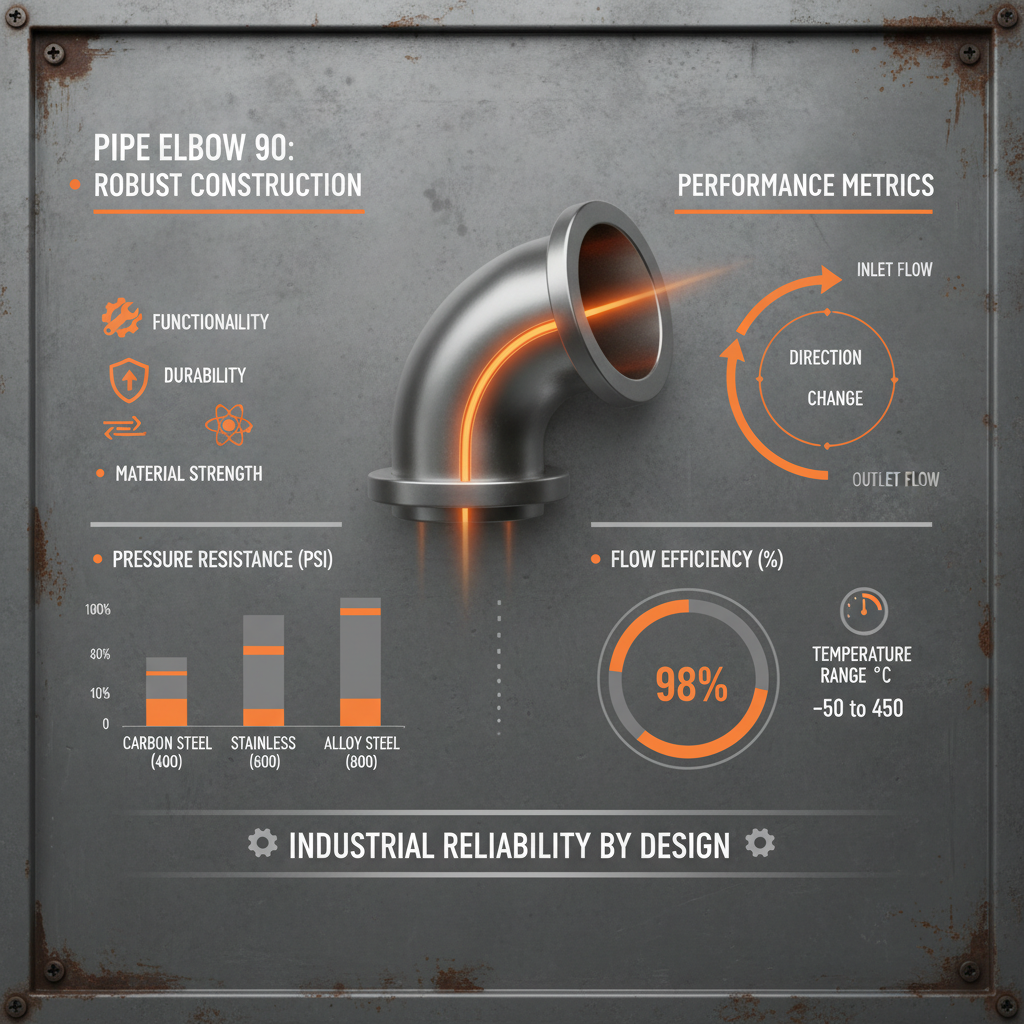
Evaluating the performance of a pipe elbow 90 involves considering several key metrics. Pressure rating is a critical factor, indicating the maximum pressure the fitting can withstand without failure. Flow coefficient measures the resistance to flow, impacting system efficiency.

The material's corrosion resistance is also vital, particularly in harsh environments. Temperature range defines the operational limits of the fitting, and structural integrity, assessed through stress testing, determines its ability to withstand mechanical loads.

Pipe Elbow 90 Performance Comparison


Global Applications and Industries Utilizing Pipe Elbow 90

The pipe elbow 90 finds widespread application across a vast array of industries. In the oil and gas sector, they are essential components in pipelines for transporting crude oil and natural gas, often requiring specialized materials to withstand corrosive environments.

The chemical processing industry relies heavily on pipe elbow 90s for directing various chemicals, necessitating compatibility with highly reactive substances. Water and wastewater treatment plants utilize them extensively in distribution and collection systems.

Long-Term Benefits and Value Proposition of Pipe Elbow 90

Investing in high-quality pipe elbow 90 fittings translates into significant long-term benefits. Reduced maintenance costs stemming from fewer leaks and failures directly improve operational efficiency. Increased system reliability minimizes downtime and disruptions.

Enhanced safety, stemming from durable and properly installed fittings, protects personnel and the environment. Choosing corrosion-resistant materials extends the lifespan of the system, lowering lifecycle costs. Ultimately, a reliable pipe elbow 90 contributes to a more sustainable and cost-effective infrastructure.

The peace of mind knowing your piping system is robust and dependable is an invaluable benefit, fostering trust and confidence in your operations.

Future Trends and Innovation in Pipe Elbow 90 Technology

Several trends are shaping the future of pipe elbow 90 technology. The development of new materials, such as advanced polymers and alloys, promises increased corrosion resistance and durability. Smart fittings, incorporating sensors to monitor pressure, temperature, and flow, are emerging.

Additive manufacturing (3D printing) is revolutionizing the production of complex elbow designs, enabling customization and on-demand fabrication. Automation in manufacturing processes is improving precision and reducing costs. Sustainability considerations are driving the demand for eco-friendly materials and manufacturing practices.

Digital twin technology, enabling virtual modeling and simulation of piping systems, allows for optimizing pipe elbow 90 selection and placement before physical installation.

Overview of Factors Influencing the Selection and Implementation of Pipe Elbow 90

Material Type Application Environment Pressure Rating Installation Method
Steel High-Pressure Pipelines 150-600 PSI Welded
PVC Irrigation Systems 50-100 PSI Solvent Cement
Stainless Steel Chemical Processing Plants 200-800 PSI Welded/Flanged
CPVC Hot Water Distribution 100-300 PSI Solvent Cement
Copper Residential Plumbing 120-400 PSI Soldered
Polypropylene Waste Water Treatment 50-150 PSI Fusion Welding

FAQS

What are the key differences between schedule 40 and schedule 80 pipe elbows?

Schedule 40 and Schedule 80 refer to the wall thickness of the pipe. Schedule 80 elbows have thicker walls, offering greater pressure-bearing capacity and durability. Schedule 40 is typically used for lower-pressure applications like residential plumbing, while Schedule 80 is preferred for industrial or commercial settings with higher demands. Choosing the right schedule depends on the system’s operating pressure and temperature. Always consult relevant codes and standards.

How do I determine the correct size pipe elbow 90 for my application?

Determining the correct size requires matching the elbow’s diameter to the connected pipes. Measure the outer diameter (OD) of the pipe, not the inner diameter (ID). Ensure the elbow’s angle matches the required change in direction. Account for any necessary adapters or couplings. Incorrect sizing can lead to leaks, reduced flow rates, and system failure.

What materials are best suited for corrosive environments?

For corrosive environments, stainless steel (grades 304 or 316) and certain plastics like CPVC or Polypropylene are excellent choices. These materials offer superior resistance to chemical attack and corrosion, extending the lifespan of the piping system. Consider the specific corrosive agent and select a material with demonstrated compatibility.

How should pipe elbow 90s be stored to prevent damage?

Store pipe elbow 90s in a dry, covered area protected from direct sunlight and extreme temperatures. Avoid stacking heavy items on top of them, which can cause deformation. For plastic fittings, prevent prolonged exposure to UV radiation, as it can cause degradation. Proper storage ensures the fittings remain in optimal condition for installation.

What are the common causes of leaks at pipe elbow 90 connections?

Common causes include improper installation, insufficient tightening of connections (for threaded elbows), damaged threads, or incompatibility between materials. Ensure proper cleaning and priming of surfaces before applying sealant or solvent cement. Use the correct tools and follow manufacturer’s instructions carefully. Inspect connections thoroughly for leaks after installation.

Are there any industry standards I should be aware of when selecting and installing pipe elbow 90s?

Yes, several industry standards govern pipe elbow 90 selection and installation. These include ASTM (American Society for Testing and Materials), ANSI (American National Standards Institute), and ISO (International Organization for Standardization). Local plumbing codes and regulations may also apply. Adhering to these standards ensures safety, reliability, and compliance.

Conclusion

The pipe elbow 90, despite its seemingly simple form, is a critical component underpinning numerous industries and essential infrastructure systems. Understanding its characteristics, performance metrics, and evolving technologies is paramount for ensuring efficiency, reliability, and long-term sustainability. From material selection to installation techniques, every aspect plays a crucial role in maximizing the benefits of this ubiquitous fitting.

Looking ahead, innovation in materials, manufacturing processes, and smart technologies will continue to drive improvements in pipe elbow 90 performance and functionality. Embracing these advancements, coupled with adherence to industry standards, will be essential for building resilient, sustainable, and future-proof piping systems. Visit our website at www.malleablefitting.com to explore our comprehensive range of high-quality pipe elbow 90 solutions.
Christopher Garcia

Christopher Garcia

Christopher Garcia is a Research and Development Engineer at PANNEXT. He’s dedicated to exploring new materials and manufacturing techniques to enhance the performance and durability of PANNEXT’s pipe fitting product line. With over 5 years of experience, Christopher focuses on innovation, working to address emerging challenges in the piping industry
Previous The Essential Role of Pipe Tee in Modern Fluid Transport Systems
Next Essential Elbow Coupling Solutions for Robust Piping System Infrastructure