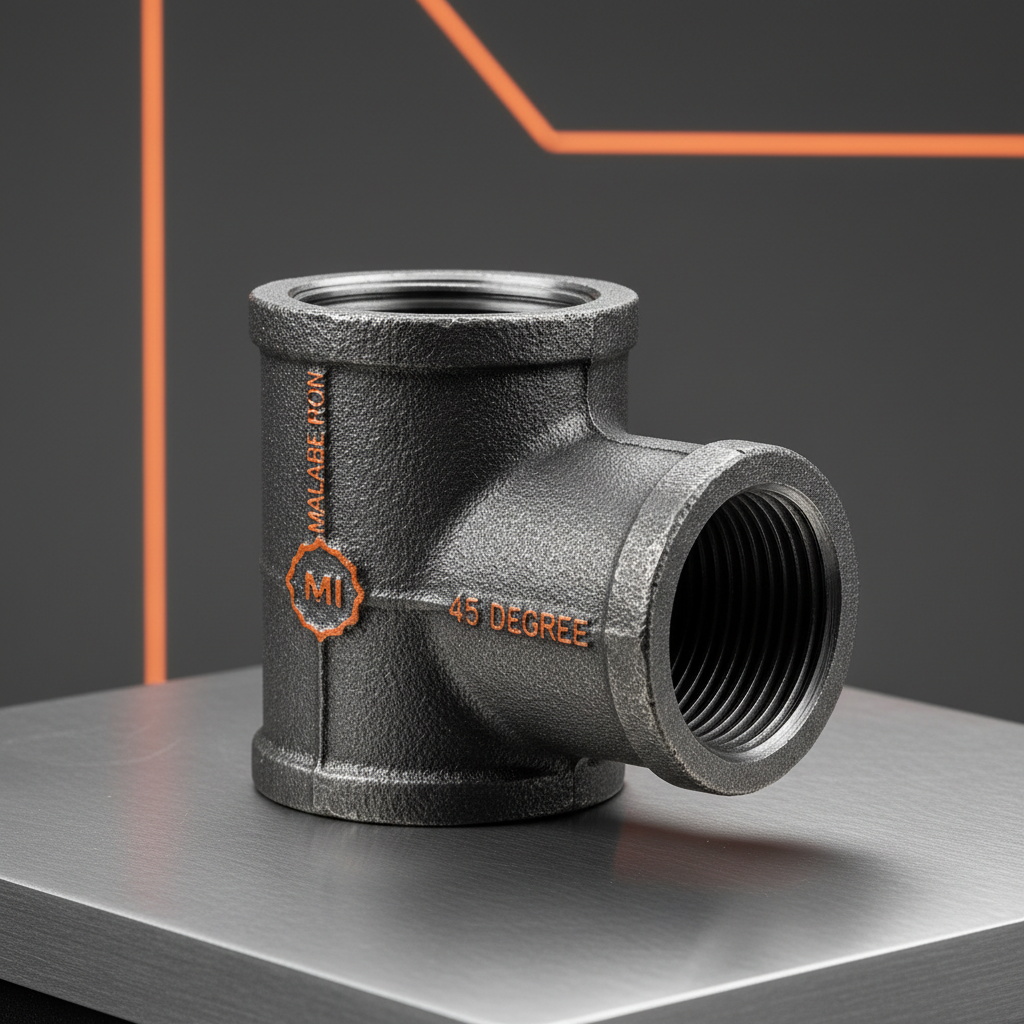
The careful selection between a pipe union and a coupling is fundamental to efficient and reliable fluid transfer systems across numerous industries. Understanding the nuanced differences in their application, installation, and maintenance is crucial for engineers, technicians, and anyone involved in the design and operation of piping networks. A correct choice ensures system integrity, minimizes downtime, and optimizes operational costs. This understanding is increasingly vital given the growing complexity of modern infrastructure and the stringent demands for safety and environmental responsibility.
Globally, the demand for robust and adaptable piping solutions is surging, driven by expansion in sectors like oil and gas, water treatment, chemical processing, and construction. The United Nations Sustainable Development Goals (SDGs), particularly SDG 6 (Clean Water and Sanitation) and SDG 9 (Industry, Innovation and Infrastructure), directly benefit from optimized piping systems. The World Bank's investment in infrastructure projects also hinges on utilizing the most appropriate fitting technologies. Choosing between a pipe union vs coupling impacts not only project costs but also long-term sustainability and resource management.
Ultimately, selecting the correct fitting – whether a pipe union or a coupling – is paramount to the safety, efficiency, and longevity of any fluid-handling system. This distinction addresses a critical need for professionals to be well-versed in these fundamental components, contributing to more reliable infrastructure and minimizing the risks associated with leaks, failures, and costly repairs. Recognizing the nuances of pipe union vs coupling is therefore not merely a technical detail but a cornerstone of responsible engineering practice.
Introduction: Global or Industry Context
The global piping infrastructure represents a multi-billion dollar industry, essential for transporting vital resources like water, oil, gas, and chemicals. Within this landscape, the seemingly simple choice between a pipe union and a coupling holds significant implications. Approximately 70% of industrial leaks and failures are attributable to fitting malfunctions, highlighting the importance of informed selection. A robust understanding of pipe union vs coupling directly impacts operational efficiency and safety standards worldwide.
The demand for efficient and reliable piping systems is escalating, particularly in emerging economies undergoing rapid industrialization. These regions often face unique challenges, including aging infrastructure, limited resources, and a growing need for sustainable solutions. Utilizing the right fitting – determined by analyzing application needs – helps maximize resource utilization and minimize environmental impact. The selection process is increasingly subject to ISO standards and regional regulations, necessitating a comprehensive understanding of both coupling and union functionality.
Furthermore, the increasing focus on preventative maintenance and predictive analytics further amplifies the importance of choosing the correct pipe fitting. The cost of unplanned downtime due to fitting failure can be substantial, affecting productivity, supply chains, and ultimately, profitability. Therefore, a sound grasp of the characteristics of both pipe union vs coupling is not just a technical necessity, but a critical component of effective asset management.
Definition & Meaning
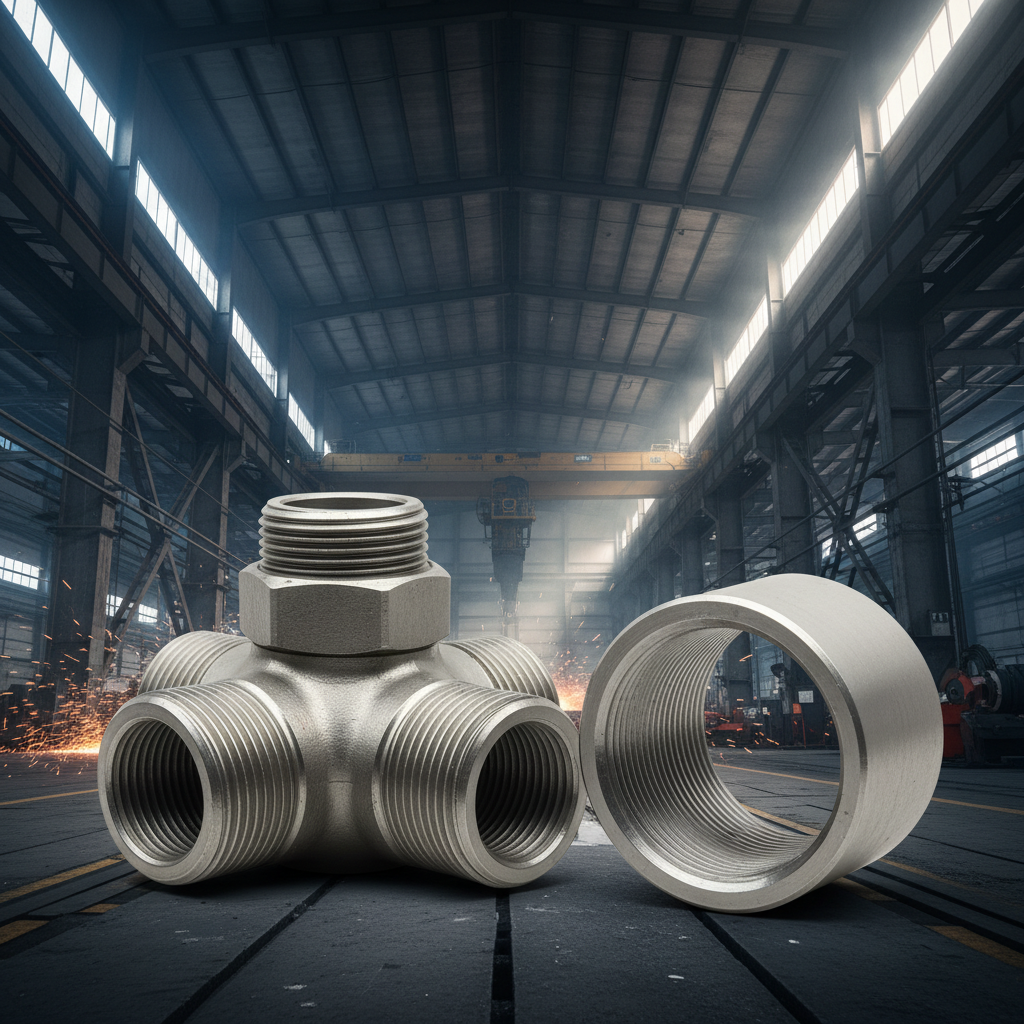
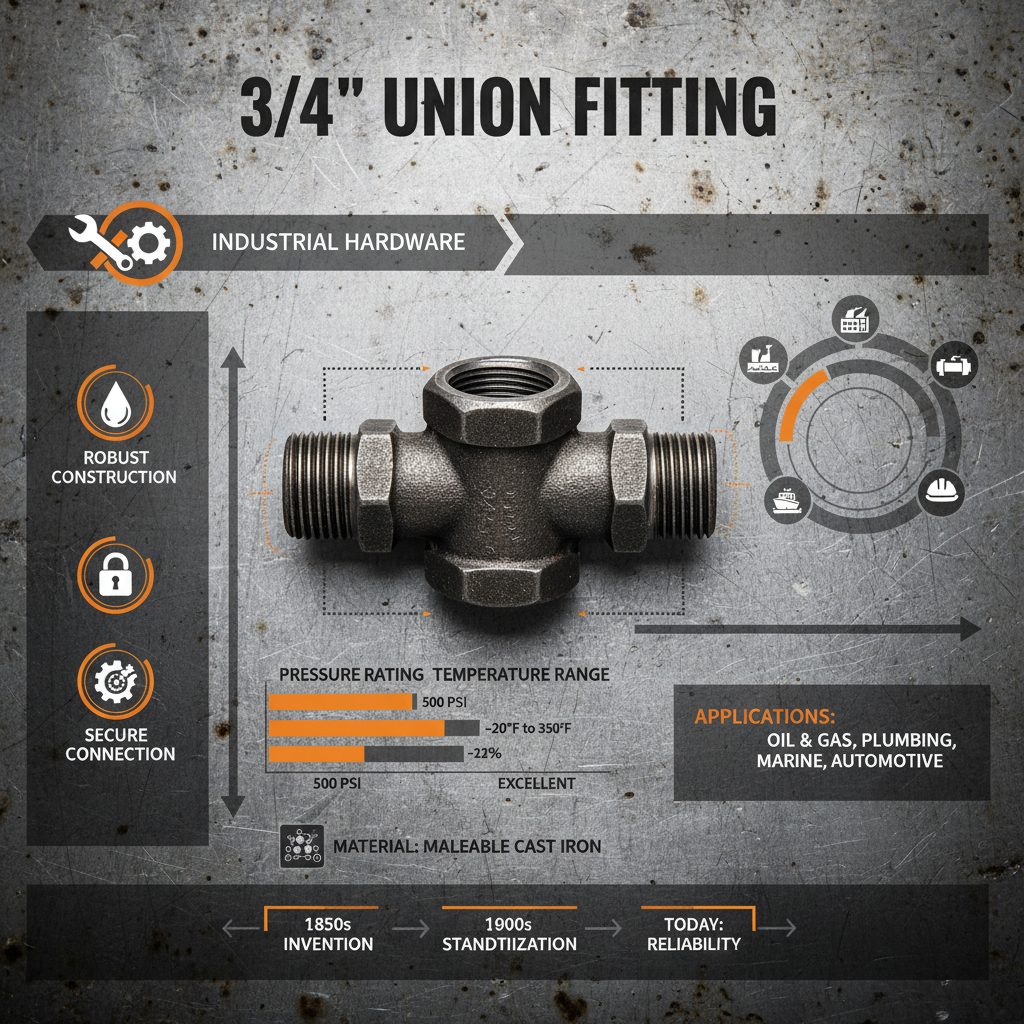
A pipe coupling is a simple connector designed to join two pipes end-to-end, creating a direct, permanent connection. It generally doesn’t allow for easy disassembly without cutting the pipe. Its purpose is straightforward: to maintain a continuous flow path. Conversely, a pipe union is a fitting that allows for repeated connection and disconnection of pipes without the need for threading or welding each time. Unions incorporate a threaded body and nuts, enabling easy assembly and disassembly for maintenance, inspection, or replacement.
The distinction between these two components is fundamental to maintaining and upgrading piping systems. While couplings offer a straightforward and often more cost-effective solution for permanent connections, unions provide the flexibility crucial in situations where frequent access is required. This flexibility is particularly relevant in industries like chemical processing or pharmaceuticals where equipment cleaning and component replacement are routine procedures.
In a broader context, understanding pipe union vs coupling reflects an appreciation for modular design principles. Unions represent a modular approach, allowing for easy component integration and removal, enhancing system adaptability. Couplings, on the other hand, represent a more fixed, integrated design. Both have their place, depending on the specific needs of the application and the overarching philosophy of the system's design.
Key Factors or Core Components
Durability: Unions, typically constructed from materials like brass, stainless steel, or carbon steel, are designed for repeated use and exhibit excellent corrosion resistance. Couplings, depending on the material (PVC, copper, steel), can offer varying levels of durability, but generally are not intended for frequent disassembly.
Ease of Installation & Maintenance: Unions are renowned for their simplified maintenance procedures. The ability to disconnect pipes quickly without welding or cutting significantly reduces downtime. Couplings, being permanent joints, require more complex removal processes, potentially involving cutting and re-welding.
Cost Efficiency: Couplings are generally less expensive than unions due to their simpler construction. However, factoring in the long-term costs of maintenance and potential downtime associated with their permanence, unions can often prove more cost-effective in applications requiring frequent access.
Pressure Rating: Both unions and couplings are available in a variety of pressure ratings, but unions often have a slightly lower maximum pressure rating compared to couplings of the same material and size. This is due to the threaded connections inherent in union design.
Material Compatibility: The choice of material for both unions and couplings is critical for ensuring compatibility with the fluid being transported. Compatibility prevents corrosion and maintains the integrity of the system. Factors include chemical resistance, temperature range, and environmental conditions.
Leak Potential: Unions, due to their threaded connections, have a slightly higher potential for leaks if not properly tightened and sealed. Couplings, when correctly installed, typically offer a tighter, more leak-proof connection.
Global Applications & Use Cases
In the oil and gas industry, pipe unions are frequently used for connecting sections of pipeline during maintenance and repair operations, offering quick access for inspection and replacement of valves or pumps. Couplings, on the other hand, are often employed in establishing permanent, high-pressure connections in wellheads and pipelines. In post-disaster relief operations, quick-connect unions are invaluable for rapidly establishing water supply lines in emergency situations.
Within the chemical processing sector, unions enable engineers to easily disassemble piping systems for cleaning, sterilization, and component upgrades, maintaining stringent hygiene standards. Couplings are favored for permanent connections within process lines where frequent disruption is undesirable. Similarly, in the pharmaceutical industry, unions are crucial for maintaining the integrity of sterile fluid transfer systems.
In remote industrial zones, where skilled labor may be scarce, the ease of installation and maintenance offered by unions makes them a practical choice. Conversely, in large-scale water distribution networks, couplings are often used to create permanent, reliable connections, while unions are strategically placed for servicing key valves and hydrants. The versatility of pipe union vs coupling allows for adaptation to diverse operational environments.
Comparison of pipe union vs coupling Applications
Advantages & Long-Term Value
The tangible benefits of selecting the appropriate fitting extend far beyond initial cost savings. Unions, though often more expensive upfront, significantly reduce maintenance time and labor costs. Their ability to facilitate quick disassembly minimizes downtime, a critical factor in industries where continuous operation is paramount. This translates to increased productivity and reduced financial losses. The enhanced accessibility offered by unions also contributes to improved safety, allowing for prompt repairs and minimizing the risk of catastrophic failures.
From a sustainability perspective, the reusability of unions promotes resource conservation. Unlike couplings, which often require cutting and replacement, unions can be repeatedly disassembled and reassembled, reducing waste and lowering the environmental footprint of piping systems. This aligns with the growing global emphasis on circular economy principles and responsible resource management. Ultimately, investing in quality unions demonstrates a commitment to long-term reliability, safety, and environmental stewardship, bolstering an organization’s reputation and fostering stakeholder trust.
Future Trends & Innovations
The integration of smart sensors into both unions and couplings is emerging as a key trend. These sensors can monitor parameters like pressure, temperature, and vibration, providing real-time data for predictive maintenance and early leak detection. This shift towards “intelligent” fittings is being driven by the increasing adoption of Industry 4.0 principles and the growing demand for data-driven decision-making.
Furthermore, advancements in materials science are leading to the development of new alloys and polymers that offer superior corrosion resistance, higher pressure ratings, and increased durability. Additive manufacturing (3D printing) is also poised to revolutionize the production of custom fittings, enabling rapid prototyping and on-demand manufacturing of specialized components. These innovations will further enhance the performance and versatility of both pipe union vs coupling.
Challenges & Solutions
One of the primary challenges associated with unions is the potential for leaks due to improper sealing or thread damage. This can be mitigated through rigorous quality control during manufacturing, proper installation techniques (including the use of appropriate sealing compounds), and regular inspection and maintenance. Another challenge is the higher initial cost compared to couplings. This can be addressed by performing a thorough lifecycle cost analysis, considering the long-term benefits of reduced maintenance and downtime.
For couplings, the main limitation is the difficulty and cost associated with disassembly. Innovative solutions include the development of quick-disconnect couplings that offer the convenience of unions without sacrificing the strength and reliability of permanent joints. Furthermore, advancements in non-destructive testing (NDT) methods are improving the ability to identify potential flaws in couplings before they lead to failures.
Addressing these challenges requires a collaborative approach involving manufacturers, engineers, and end-users. Investing in training programs, promoting best practices, and fostering a culture of proactive maintenance are essential for maximizing the lifespan and reliability of piping systems utilizing either pipe union vs coupling.
Summary of Challenges and Proposed Solutions for Pipe Union vs Coupling
| Challenge |
Fitting Type Affected |
Severity (1-10) |
Proposed Solution |
| Leakage at Connection |
Union |
7 |
Improved sealing compounds & torque specifications |
| Difficult Disassembly |
Coupling |
8 |
Quick-disconnect coupling designs |
| Higher Initial Cost |
Union |
6 |
Lifecycle cost analysis showcasing long-term savings |
| Corrosion Susceptibility |
Both |
5 |
Use of corrosion-resistant materials (e.g., stainless steel) |
| Thread Damage |
Union |
4 |
Proper installation techniques and thread protection |
| Pressure Rating Limitations |
Union |
3 |
Selection of unions rated for specific application pressures |
FAQS
The main difference lies in their functionality. A pipe coupling permanently joins two pipes, requiring cutting for disassembly. A pipe union allows for repeated connection and disconnection without cutting, using threaded ends for easy access to the pipeline. This makes unions ideal for maintenance, inspections, and systems requiring frequent modifications, while couplings are suitable for fixed, long-term installations.
Choose a pipe union when you anticipate needing to disassemble and reassemble the piping system regularly – for maintenance, cleaning, or equipment replacement. Industries like chemical processing, pharmaceuticals, and those requiring frequent inspections benefit significantly from the accessibility unions provide. If the system is permanent and doesn’t require frequent access, a coupling is typically more cost-effective.
Pipe unions are available in various pressure ratings, but generally have a slightly lower maximum pressure rating compared to couplings of the same material and size. It's crucial to select a union specifically rated for the intended pressure of the system. Always consult the manufacturer's specifications and ensure the union meets or exceeds the required pressure threshold for safe operation.
Common materials include carbon steel, stainless steel, brass, PVC, and copper. The choice of material depends on the fluid being transported, the operating temperature, and the corrosive environment. Stainless steel is often preferred for its corrosion resistance, while PVC is suitable for non-corrosive applications. Material compatibility is a critical consideration when selecting either a union or a coupling.
Proper installation is key to preventing leaks. Use appropriate thread sealant (pipe dope or Teflon tape) and ensure the threads are clean and undamaged. Tighten the union nuts to the manufacturer’s recommended torque specifications. Regular inspection and retightening may be necessary, especially in systems subjected to vibration or temperature fluctuations.
While couplings often have a lower upfront cost, unions can offer long-term savings by reducing maintenance time and downtime. The ability to quickly disassemble and repair a system with unions minimizes production losses and extends the lifespan of the equipment. A lifecycle cost analysis, factoring in installation, maintenance, and potential downtime costs, can help determine the most cost-effective option.
Conclusion
In conclusion, the decision between a pipe union and a coupling isn’t simply a matter of cost; it’s a strategic choice that impacts system reliability, maintainability, and overall operational efficiency. Unions provide flexibility and accessibility, ideal for systems requiring frequent modification or maintenance, while couplings offer a permanent, cost-effective solution for fixed installations. A deep understanding of their respective strengths and limitations, coupled with a careful assessment of application-specific needs, is crucial for optimal performance.
Looking forward, the integration of smart technologies and the development of advanced materials will further enhance the capabilities of both pipe unions and couplings. Embracing these innovations, alongside a commitment to best practices in installation and maintenance, will be essential for building resilient and sustainable piping infrastructure. For expert guidance and a comprehensive selection of high-quality fittings, visit our website: www.malleablefitting.com.