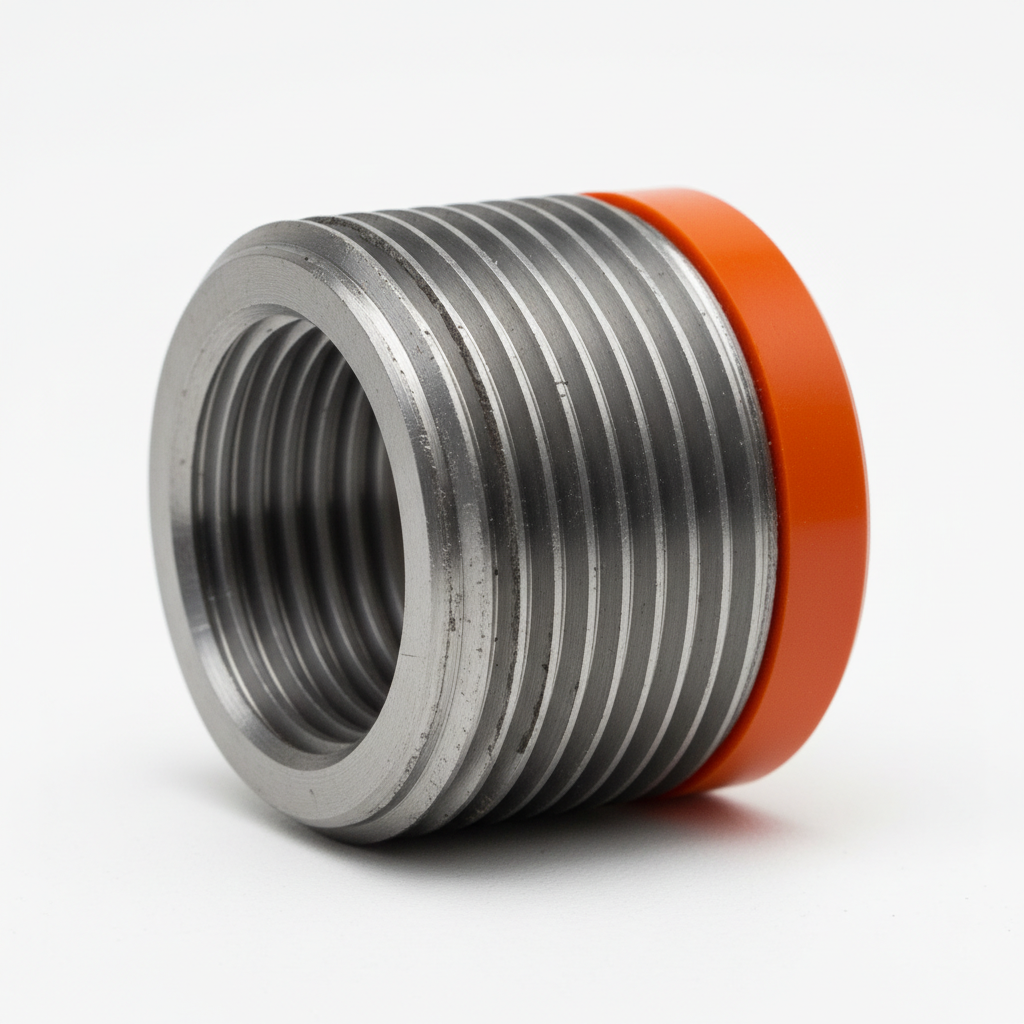
Elbow pipes, seemingly simple components, are fundamental to countless industries and applications worldwide. From delivering potable water to vast urban centers to facilitating complex chemical processes in manufacturing, their role is often unseen yet undeniably critical. Understanding the nuances of elbow pipe design, materials, and installation is paramount for ensuring the safe and efficient operation of these essential systems. The efficient transport of fluids and gases hinges on the reliable performance of these crucial fittings.
The global market for elbow pipes is substantial and steadily growing, driven by urbanization, industrial expansion, and increasing demand for infrastructure development. According to recent reports, the global pipe fittings market is projected to reach billions of dollars in the coming years, with elbow pipes comprising a significant portion. This growth necessitates a deeper understanding of the materials science, engineering principles, and emerging technologies shaping the future of elbow pipe manufacturing and application.
Investing in knowledge surrounding elbow pipes translates to improved project efficiency, reduced operational costs, and enhanced safety standards. Whether you’re an engineer designing a complex pipeline or a technician performing routine maintenance, a comprehensive grasp of this subject is invaluable. Exploring the details of elbow pipes, and sources like elbow pipes , will yield substantial benefits.
Introduction: Global Relevance of Elbow Pipes
Elbow pipes are critical infrastructure components woven into the fabric of modern society. Their applications range from residential plumbing to large-scale industrial processing, forming the backbone of essential services like water delivery, wastewater management, and oil & gas transportation. Without robust and reliable elbow pipes, these vital systems would quickly become compromised, impacting public health, economic productivity, and environmental sustainability.
The demand for high-quality elbow pipes is escalating globally, fueled by rapid urbanization and infrastructure projects, particularly in developing nations. The United Nations estimates that global population will continue to rise, necessitating significant investments in water and sanitation infrastructure, where elbow pipes are a fundamental element. This growth presents both opportunities and challenges for manufacturers and distributors to innovate and meet increasingly stringent performance and safety standards.
Defining Elbow Pipes
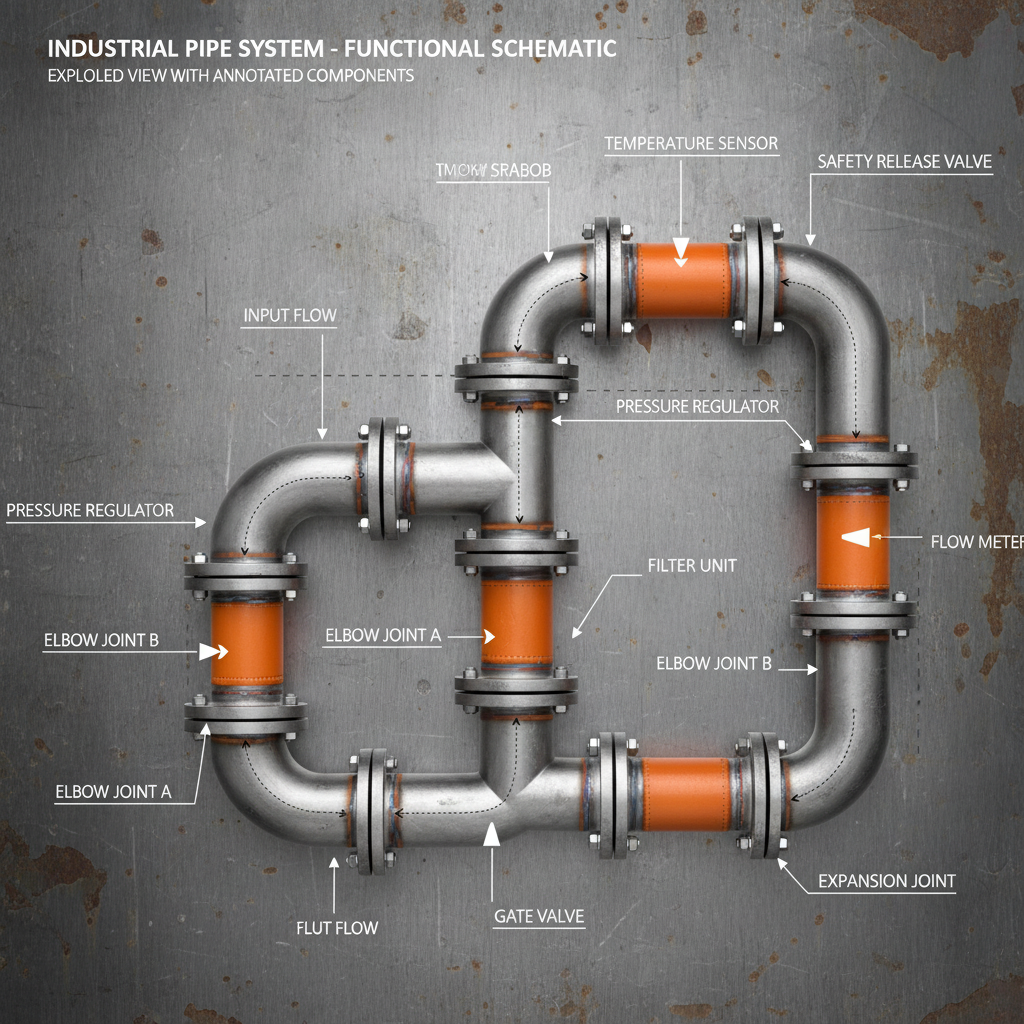
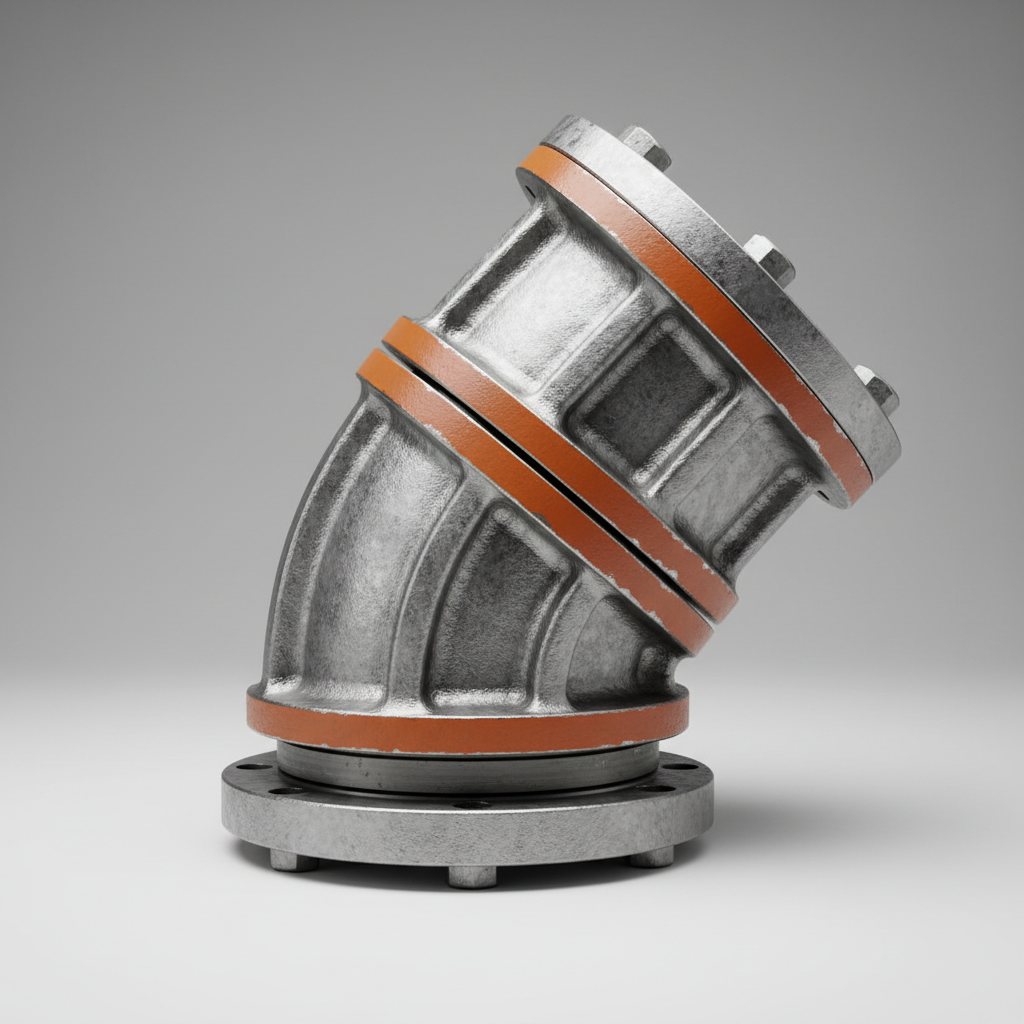
At its core, an elbow pipe is a curved fitting used to change the direction of flow in a piping system. They are typically manufactured from various materials, including steel, stainless steel, PVC, CPVC, and ductile iron, each offering unique properties suited to specific applications. Elbows come in varying degrees of bend—most commonly 45° and 90°—to accommodate diverse pipeline configurations. The choice of material and bend angle depends on factors like fluid compatibility, pressure requirements, and temperature considerations.
The significance of elbow pipes extends beyond their basic function of directional change. They contribute to the overall integrity and efficiency of a piping system by minimizing turbulence and reducing pressure drop. Properly designed and installed elbow pipes are essential for preventing leaks, corrosion, and other failures that can lead to costly downtime and environmental hazards. They are integral to maintaining the smooth and dependable flow of critical fluids and gases.
In the modern industrial landscape, elbow pipes are directly linked to humanitarian needs by ensuring access to clean water, sanitation, and the safe transport of essential resources. From providing safe drinking water in rural communities to facilitating efficient wastewater treatment in urban centers, elbow pipes play a vital, often invisible, role in improving quality of life.
Key Factors in Elbow Pipe Performance
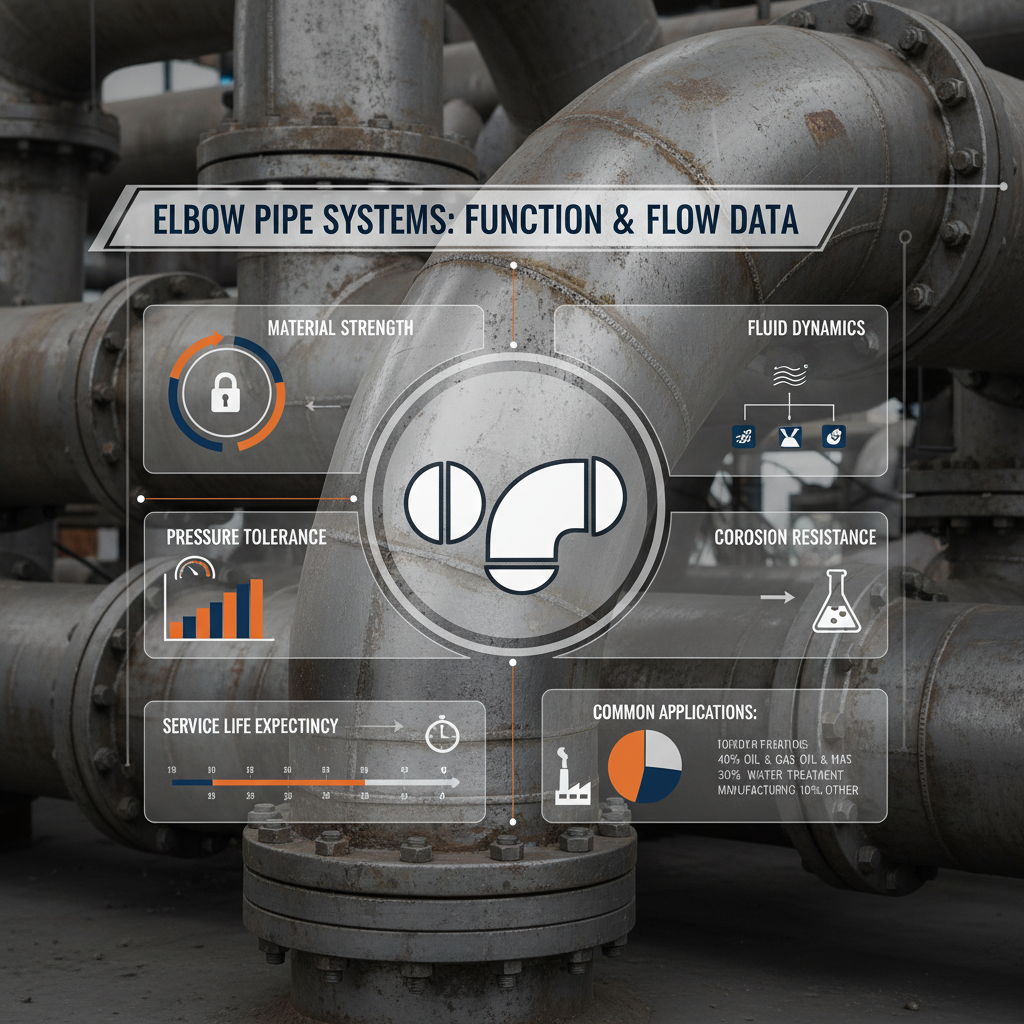
Material Compatibility: The material an elbow pipe is constructed from dictates its resistance to corrosion, temperature fluctuations, and chemical interactions with the transported fluid. Selecting the right material – such as stainless steel for corrosive environments or PVC for potable water – is crucial for longevity and safety.
Pressure Rating: Each elbow pipe possesses a maximum pressure rating determined by its material, wall thickness, and diameter. Exceeding this rating can lead to catastrophic failure, highlighting the importance of accurate pressure calculations and appropriate component selection. A reliable elbow pipe like those available at elbow pipes can ensure long-term system integrity.
Flow Characteristics: The design of an elbow pipe, particularly the bend radius, affects the flow of fluid through the system. Sharper bends create more turbulence and pressure drop, while longer-radius bends offer smoother flow. Careful consideration of flow dynamics is essential for optimizing system efficiency and minimizing energy consumption.
Applications Across Industries
Elbow pipes are ubiquitous across a diverse spectrum of industries. In the oil and gas sector, they are integral to pipeline networks transporting crude oil and natural gas across vast distances. Within the chemical processing industry, elbow pipes facilitate the safe and efficient transfer of corrosive and hazardous materials. They are also widely utilized in power generation plants for steam and cooling water systems.
The water treatment industry relies heavily on elbow pipes for directing water flow through various stages of purification and disinfection. Furthermore, the agricultural sector utilizes elbow pipes in irrigation systems to deliver water to crops efficiently. Even in residential and commercial construction, elbow pipes are indispensable for plumbing networks, ensuring the delivery of clean water and the removal of wastewater.
In post-disaster relief operations, lightweight and quickly deployable piping systems, often incorporating elbow pipes, are crucial for providing emergency access to clean water and sanitation facilities in affected communities. In remote industrial zones, where infrastructure is limited, robust elbow pipes contribute to the reliable operation of essential processes and support economic development.
Elbow Pipe Performance Metrics by Method
Advantages of Quality Elbow Pipes
Investing in high-quality elbow pipes yields significant long-term benefits. Durability and corrosion resistance minimize the need for frequent replacements, reducing maintenance costs and downtime. Optimized flow characteristics enhance system efficiency, leading to energy savings and increased productivity.
Moreover, the use of certified and compliant elbow pipes ensures adherence to safety standards, protecting personnel and the environment. Reliable performance builds trust and strengthens a company’s reputation for quality and responsible operations. Utilizing products like those from elbow pipes contributes to a safer, more efficient, and sustainable future.
Future Trends in Elbow Pipe Technology
The future of elbow pipe technology is driven by a growing emphasis on sustainability, digitalization, and automation. The development of new materials, such as advanced polymers and composite materials, promises enhanced corrosion resistance, reduced weight, and improved performance in extreme environments. Smart elbow pipes, equipped with sensors and data analytics capabilities, will enable real-time monitoring of flow rates, pressure levels, and potential leaks.
Digital twin technology will allow engineers to create virtual replicas of piping systems, simulating different scenarios and optimizing performance. Additive manufacturing (3D printing) is also poised to revolutionize elbow pipe production, enabling customized designs and on-demand manufacturing. These innovations will contribute to more efficient, reliable, and environmentally responsible piping systems.
Common Challenges & Innovative Solutions
Despite advancements, several challenges remain in the field of elbow pipe application. Corrosion, erosion, and fatigue are common causes of failure, particularly in harsh operating conditions. Ensuring proper installation and maintenance is crucial for preventing these issues, but can be difficult in remote or inaccessible locations.
Innovative solutions include the development of self-healing materials, advanced coatings, and robotic inspection and repair technologies. Predictive maintenance programs, utilizing data analytics and machine learning, can identify potential failures before they occur, minimizing downtime and reducing costs. Adopting best practices for material selection, design, and installation is paramount to overcome these challenges.
Leveraging digital platforms to share knowledge and promote collaboration among engineers and technicians can also facilitate the development and implementation of effective solutions. Embracing these innovations will lead to safer, more efficient, and sustainable elbow pipe systems.
Analysis of Common Elbow Pipe Failure Modes and Mitigation Strategies
| Failure Mode |
Root Cause |
Severity (1-10) |
Mitigation Strategy |
| Corrosion |
Exposure to corrosive fluids/environment |
8 |
Use corrosion-resistant materials (e.g., stainless steel) & protective coatings |
| Erosion |
High-velocity fluid flow & abrasive particles |
7 |
Reduce flow velocity, use erosion-resistant materials, & install flow deflectors |
| Fatigue Cracking |
Cyclic stress & vibration |
6 |
Reduce stress levels, dampen vibrations, & use fatigue-resistant materials |
| Leakage at Joints |
Improper installation, damaged gaskets |
9 |
Ensure proper installation procedures & use high-quality gaskets |
| Pressure-Induced Failure |
Exceeding pressure rating |
10 |
Accurate pressure calculations, appropriate component selection, & pressure relief valves |
| Thermal Expansion/Contraction |
Temperature fluctuations |
5 |
Expansion joints, flexible connectors, & proper insulation |
FAQS
Selecting the right elbow pipe material is crucial and depends on several factors. Consider the fluid being transported (corrosive or non-corrosive), the operating temperature, and the pressure requirements. For example, stainless steel is ideal for highly corrosive environments, while PVC is suitable for potable water systems. Cost and longevity are also important considerations. Always consult industry standards and material compatibility charts.
A 90° elbow induces a greater change in flow direction than a 45° elbow, resulting in increased turbulence and a larger pressure drop. While 90° elbows are more compact, 45° elbows offer smoother flow and reduced energy loss. The optimal bend angle depends on the specific application and the need to balance space constraints with flow efficiency. Using multiple 45° elbows can sometimes be more effective than a single 90° elbow.
Common failure causes include corrosion, erosion, fatigue cracking, and improper installation. Prevention involves selecting appropriate materials, ensuring correct installation procedures (including proper torqueing of fittings), regular inspection and maintenance, and implementing corrosion protection measures. Applying protective coatings, using sacrificial anodes, and conducting non-destructive testing can also mitigate the risk of failure.
Smart elbow pipes equipped with sensors can provide real-time data on flow rate, pressure, temperature, and vibration. This data can be used for predictive maintenance, leak detection, and system optimization. Benefits include reduced downtime, improved efficiency, and enhanced safety. Integration with digital platforms allows for remote monitoring and control of the piping system.
Additive manufacturing allows for the creation of customized elbow pipes with complex geometries and tailored properties. This is particularly useful for small-batch production or when dealing with unique design requirements. 3D printing can also reduce material waste and lead times. However, the cost and scalability of 3D-printed elbow pipes are still considerations.
Look for elbow pipes that comply with relevant industry standards such as ASTM, ANSI, ISO, and API. Certifications from reputable organizations demonstrate that the product has been tested and meets specified quality and performance requirements. Proper certification ensures the elbow pipes are suitable for their intended application and safe for use.
Conclusion
Elbow pipes are far more than just simple fittings; they are essential components underpinning critical infrastructure worldwide. Their proper selection, installation, and maintenance are paramount for ensuring the safe, efficient, and sustainable operation of countless systems, from water delivery to industrial processing. Understanding the key factors influencing elbow pipe performance – material compatibility, pressure ratings, and flow characteristics – is crucial for engineers, technicians, and professionals across various industries.
Looking ahead, innovations in materials science, digitalization, and automation will continue to reshape the landscape of elbow pipe technology. Embracing these advancements and investing in knowledge surrounding elbow pipes will be vital for addressing future challenges and building more resilient and sustainable infrastructure. For high-quality, reliable elbow pipes, visit our website at www.malleablefitting.com.