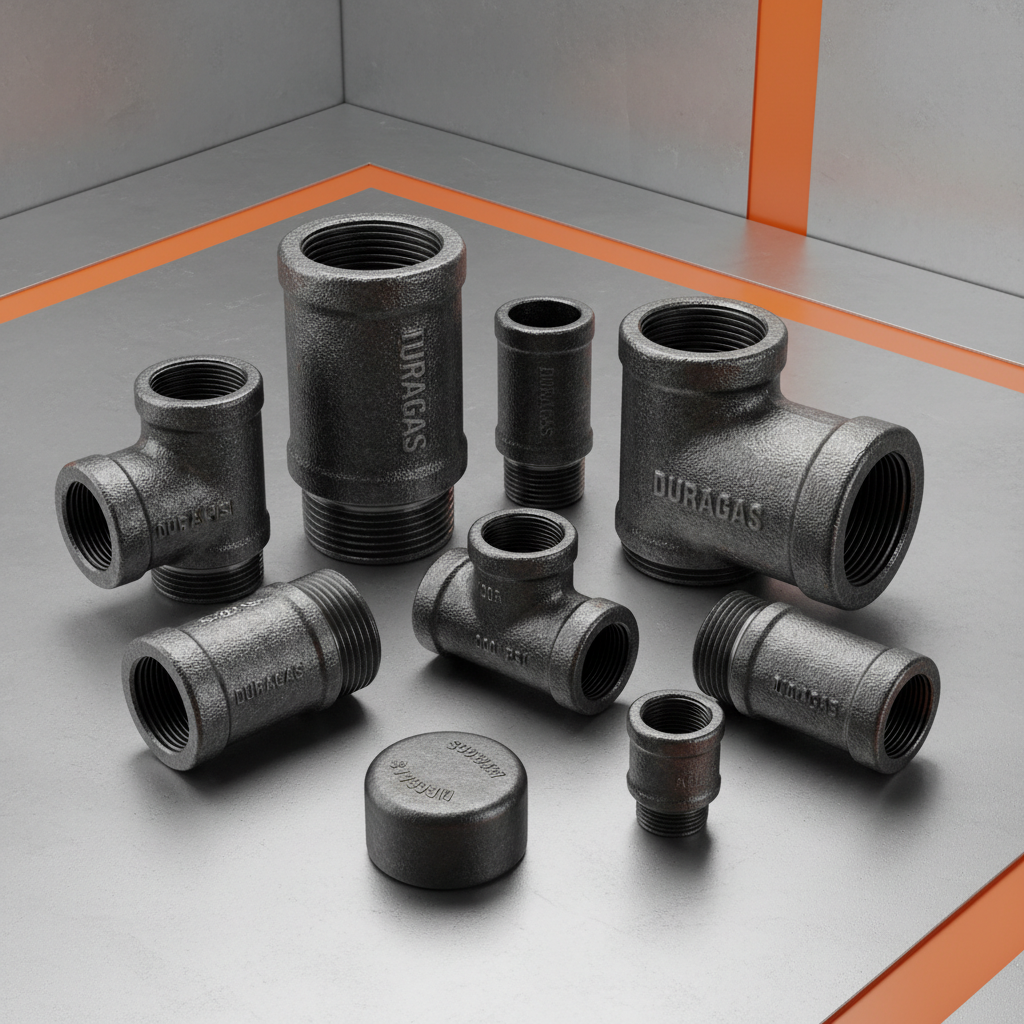
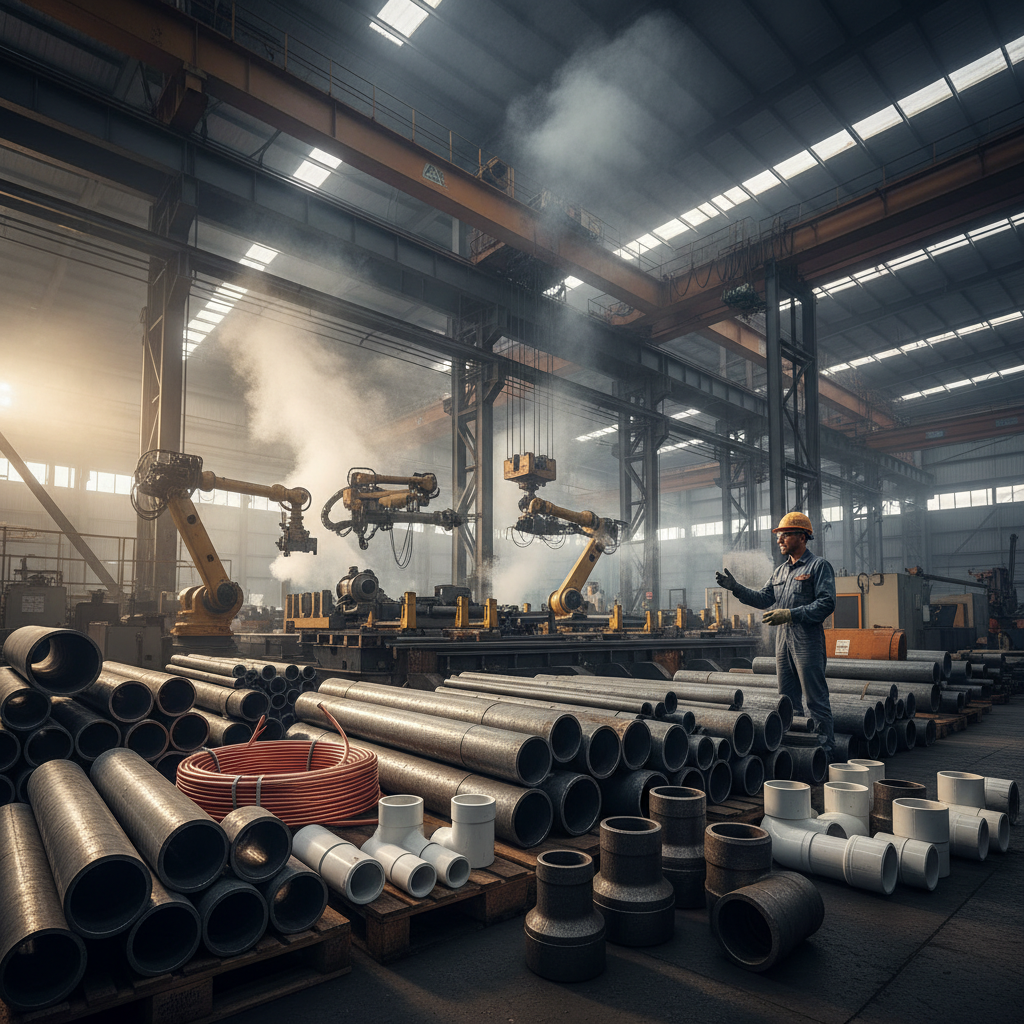
The pipe tee, a fundamental component in piping systems, plays a critical role across countless industries and applications globally. From delivering potable water to supporting large-scale industrial processes, the reliable connection provided by a pipe tee is often a silent yet essential enabler of modern life. Understanding its nuances, materials, and applications is paramount for engineers, technicians, and anyone involved in fluid conveyance systems.
Globally, the demand for efficient and robust piping infrastructure is continuously increasing, driven by population growth, urbanization, and industrial expansion. The World Bank estimates trillions of dollars are needed for water infrastructure investment alone in the coming decades, much of which will rely on components like the pipe tee. Maintaining the integrity of these systems is vital, as leaks and failures can lead to significant economic and environmental consequences, making proper selection and installation of pipe tees essential.
The pipe tee, at its core, is a short piece of pipe with a 90-degree branch, enabling the connection of another pipe. This seemingly simple component provides a critical junction point in a piping network. Its importance extends beyond just plumbing; it’s integral to oil and gas pipelines, chemical processing plants, irrigation systems, and even fire suppression networks, representing a cornerstone of fluid handling technology.
The Significance of Pipe Tees in Modern Infrastructure
Pipe tees aren’t merely components; they are pivotal elements ensuring the seamless functionality of countless systems. Their widespread use stems from their ability to efficiently redirect flow, creating branching pathways crucial in networks ranging from municipal water supplies to complex chemical processing plants. A well-chosen and properly installed pipe tee contributes significantly to system reliability and longevity.
The historical development of pipe tees mirrors the evolution of fluid dynamics and materials science. Early tees were often crude fabrications, but advancements in manufacturing techniques and materials – from cast iron to various plastics and stainless steels – have dramatically improved their performance and durability. This evolution has allowed for increasingly complex and demanding applications, solidifying the pipe tee’s importance in modern infrastructure.
Defining the Pipe Tee: Function and Form
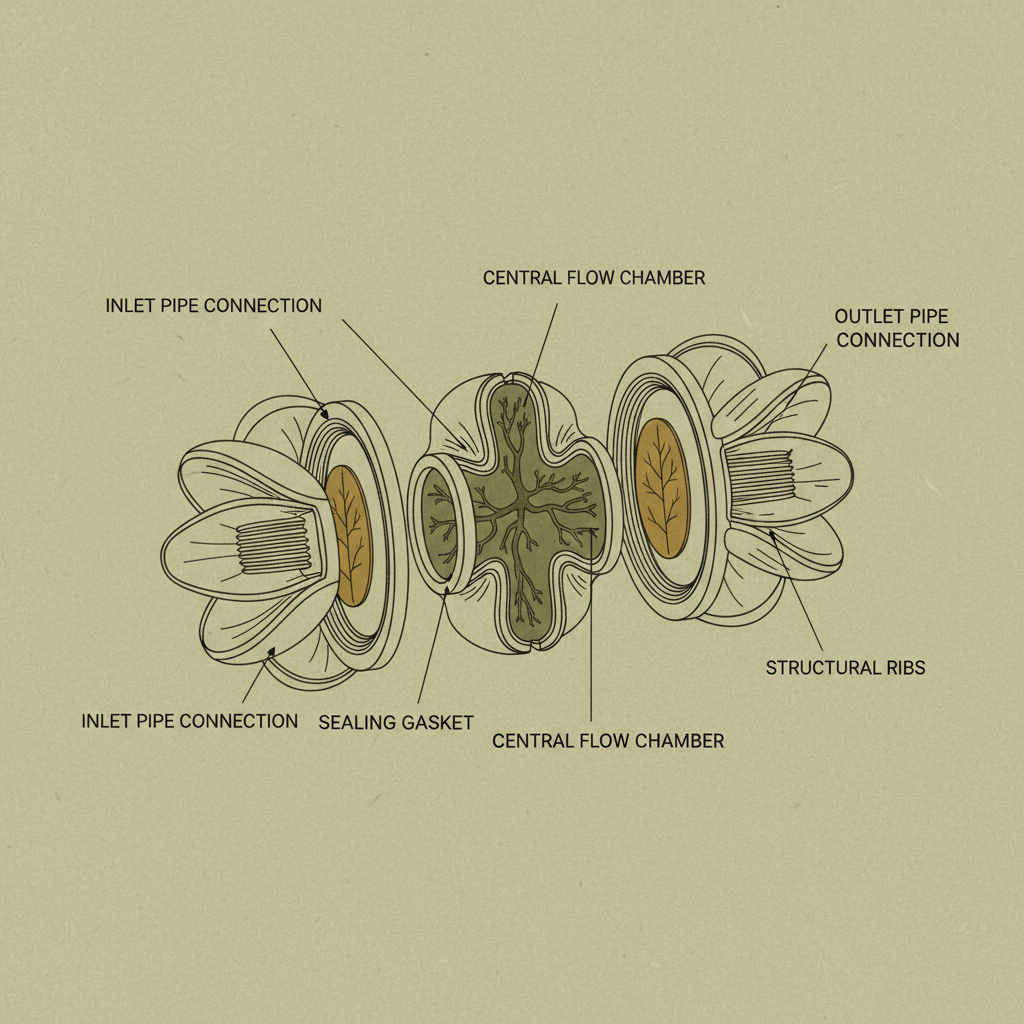
At its most basic, a pipe tee is a connector used in piping systems to split or combine fluid flow. It features three openings – two in line with each other and a third at a 90-degree angle. This configuration allows for the creation of branches, enabling the distribution of fluids to multiple locations or the merging of flow from various sources. The ‘tee’ name visually represents its shape, resembling the letter ‘T’.
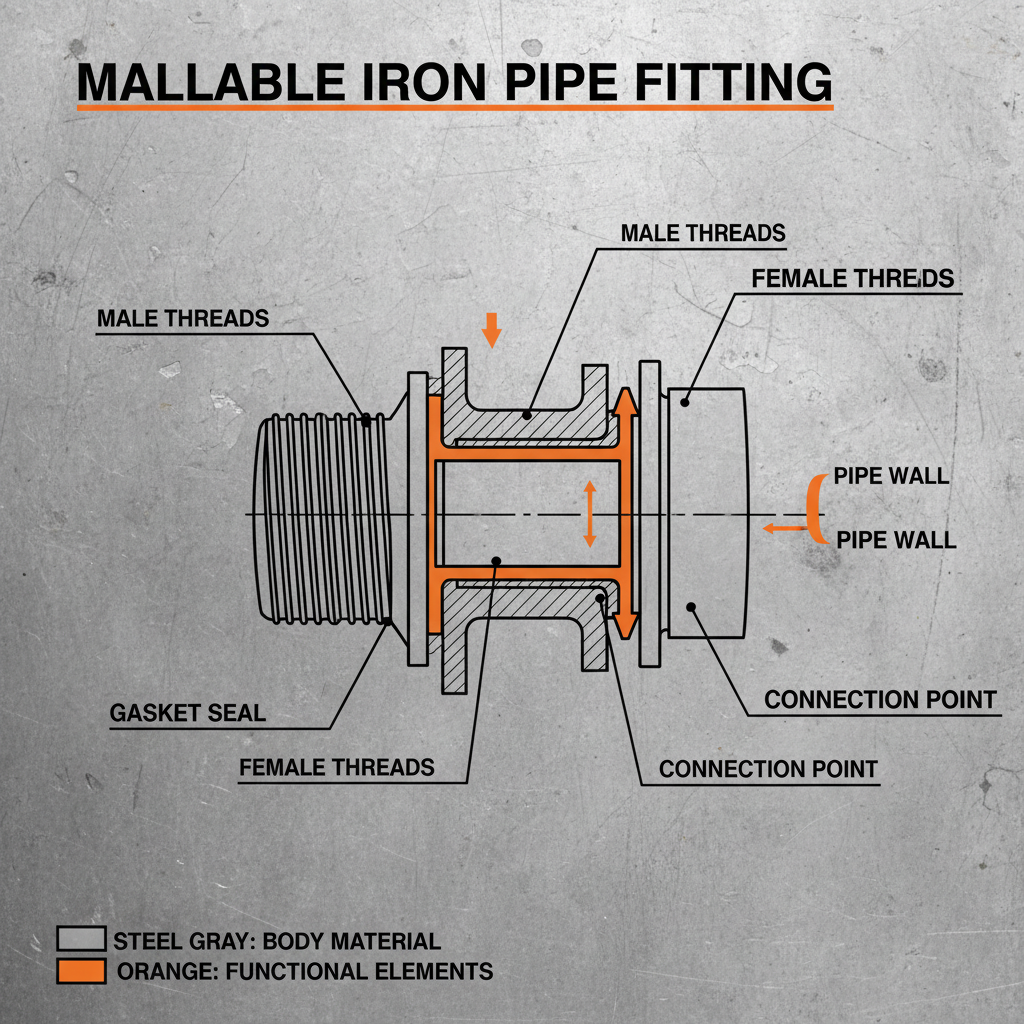
Modern pipe tees come in a diverse array of materials, sizes, and connection types (threaded, welded, socket-welded, flanged). The choice of material is dictated by the fluid being conveyed, the operating temperature and pressure, and the desired lifespan of the system. For instance, PVC pipe tees are common in irrigation and drainage, while stainless steel tees are preferred in corrosive environments.
This simple yet effective component is deeply connected to both modern industry and humanitarian needs. Efficient water distribution, critical for public health, relies heavily on pipe tees. Similarly, the safe and reliable transport of fuels and chemicals, essential for economic activity, depends on the integrity of piping systems utilizing these connectors.
Core Characteristics of Effective Pipe Tees
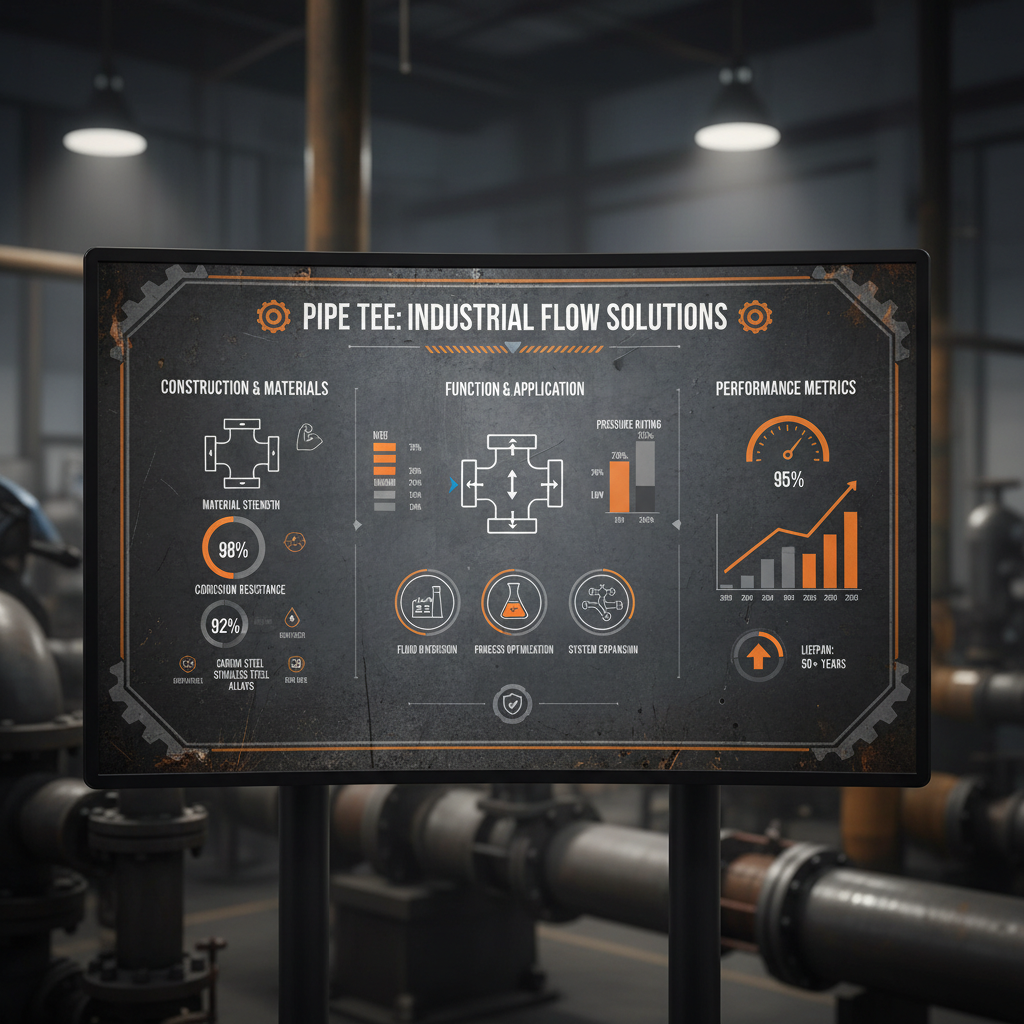
Durability stands as a paramount characteristic of any high-quality pipe tee. Resistance to corrosion, erosion, and physical stress are essential for ensuring long-term performance and minimizing the risk of leaks or failures. Materials like stainless steel and specialized polymers are chosen for their superior durability in harsh environments.
Flow efficiency is equally crucial. A well-designed pipe tee minimizes turbulence and pressure drop at the junction, ensuring optimal fluid conveyance. Streamlined internal geometries and smooth surfaces contribute to enhanced flow characteristics, reducing energy consumption and maximizing system throughput.
Scalability represents the ability of a pipe tee system to adapt to changing needs. The availability of a wide range of sizes and connection types allows for easy expansion or modification of piping networks. Modular designs and standardized dimensions further enhance scalability, simplifying installation and maintenance.
Practical Applications Across Industries
The oil and gas industry extensively utilizes pipe tees in pipeline construction, facilitating the branching of lines to storage facilities, processing plants, and distribution centers. The robust construction and high pressure ratings of steel pipe tees are essential in this demanding application.
In water treatment and distribution, pipe tees are integral to networks delivering potable water to communities. PVC and ductile iron pipe tees are commonly employed, providing reliable connections while minimizing corrosion and maintaining water quality. In post-disaster relief operations, quickly deployable water purification and distribution systems rely heavily on readily available pipe tee connections.
Chemical processing plants depend on pipe tees constructed from corrosion-resistant materials like stainless steel and specialized plastics. These tees handle a wide variety of aggressive chemicals, requiring exceptional durability and sealing properties. The pharmaceutical industry similarly relies on high-purity pipe tee connections to maintain sterile conditions.
Pipe Tee Performance Metrics
Long-Term Advantages and Value Proposition
The economic benefits of utilizing high-quality pipe tees are substantial. Reduced maintenance costs, minimized downtime due to failures, and extended system lifespan all contribute to significant cost savings over the long term. Selecting durable materials and proper installation techniques are key to maximizing this value.
Beyond cost, pipe tees offer environmental and social benefits. Reliable piping systems minimize water loss, reducing strain on water resources and conserving energy. Safe and efficient fluid conveyance also contributes to public health and environmental protection.
Emerging Trends and Innovations in Pipe Tee Technology
The integration of smart sensors into pipe tees is an emerging trend, enabling real-time monitoring of flow rates, pressure levels, and potential leaks. This data-driven approach allows for predictive maintenance and proactive intervention, optimizing system performance and preventing costly failures.
Advanced materials, such as composite polymers and alloys, are being developed to further enhance the durability and corrosion resistance of pipe tees. These materials offer superior performance in challenging environments, extending system lifespan and reducing maintenance requirements.
Additive manufacturing (3D printing) is also gaining traction, allowing for the creation of custom pipe tees with complex geometries and tailored properties. This technology offers greater design flexibility and faster prototyping, enabling rapid response to evolving industry needs.
Addressing Challenges and Implementing Solutions
One common challenge is the potential for corrosion, particularly in harsh environments. Implementing protective coatings, selecting corrosion-resistant materials, and utilizing cathodic protection systems are effective strategies for mitigating this risk.
Proper installation is crucial to prevent leaks and ensure long-term reliability. Following industry best practices, utilizing qualified personnel, and conducting thorough inspections are essential steps. Incorrectly installed pipe tee connections can lead to catastrophic failures.
Maintaining system integrity requires ongoing monitoring and maintenance. Implementing regular inspection schedules, utilizing leak detection technologies, and promptly addressing any identified issues are vital for preventing costly repairs and ensuring continued safe operation.
Summary of Pipe Tee Challenges and Solutions
| Challenge |
Severity (1-5) |
Potential Impact |
Recommended Solution |
| Corrosion |
4 |
System Failure, Leaks |
Corrosion-Resistant Materials |
| Improper Installation |
5 |
Immediate Leaks, System Damage |
Certified Installation Personnel |
| Pressure Surges |
3 |
Stress on Joints, Potential Rupture |
Pressure Relief Valves |
| Material Degradation |
3 |
Reduced System Efficiency |
Regular Inspections & Replacement |
| Flow Turbulence |
2 |
Energy Loss, Noise |
Optimized Tee Design |
| Sealing Failure |
4 |
Leaks, Contamination |
High-Quality Sealants & Proper Torque |
FAQS
Pipe tees are commonly constructed from materials like PVC, ductile iron, carbon steel, stainless steel, and various polymers. The choice of material depends heavily on the application, fluid being conveyed, pressure and temperature requirements, and environmental conditions. For instance, PVC is often used in low-pressure water systems, while stainless steel is favored for corrosive applications. Selecting the appropriate material ensures the tee’s durability and longevity.
Determining the correct size pipe tee requires careful consideration of the pipe diameter, flow rate, and pressure drop requirements. It's crucial to match the tee's size to the connecting pipes to maintain optimal flow efficiency. Consulting engineering specifications and flow calculations is recommended. Using a tee that is too small can create excessive pressure drop, while one that is too large can lead to turbulence and inefficient flow.
Common connection types for pipe tees include threaded, welded, socket-welded, and flanged. Threaded connections are simple and easy to disassemble but may be prone to leaks. Welded connections provide a strong, leak-proof seal but require skilled welders. Socket-welded connections offer a good balance of strength and ease of installation. Flanged connections are used for high-pressure applications and allow for easy maintenance.
Preventing corrosion requires a multi-faceted approach. Selecting corrosion-resistant materials like stainless steel or using protective coatings are essential. Implementing cathodic protection systems can further mitigate corrosion in buried pipelines. Regular inspections and maintenance, including the application of corrosion inhibitors, are also crucial for extending the lifespan of the system. Proper grounding and avoiding galvanic corrosion are also important considerations.
Pressure testing is vital after installing a pipe tee to verify the integrity of the connection and ensure it's leak-proof. The system is pressurized to a level exceeding its normal operating pressure, and any pressure drop indicates a leak. This process identifies potential issues before they become major problems, preventing costly repairs and ensuring safe operation. Proper pressure testing procedures should be followed according to industry standards.
Yes, several emerging technologies are impacting pipe tee design. Smart sensors are being integrated to monitor flow, pressure, and potential leaks in real-time. Additive manufacturing (3D printing) allows for custom designs and faster prototyping. New materials, such as composite polymers, are offering improved durability and corrosion resistance. Digital twins, virtual representations of physical assets, are also being used to optimize performance and predict failures.
Conclusion
In conclusion, the pipe tee, despite its seemingly simple design, is an indispensable component in countless piping systems worldwide. Its ability to efficiently redirect flow, coupled with the diverse range of materials and connection options available, makes it a versatile solution for a wide array of applications. From ensuring reliable water distribution to supporting complex industrial processes, the pipe tee plays a critical role in modern infrastructure.
Looking ahead, continued innovation in materials, smart technologies, and manufacturing processes will further enhance the performance and reliability of pipe tees. By embracing these advancements and prioritizing proper installation and maintenance, we can ensure the long-term integrity and sustainability of piping systems, contributing to a more efficient and resilient future. Visit our website at www.malleablefitting.com to learn more about our range of high-quality pipe tees.