bspp thread, or British Standard Pipe Parallel thread, is a ubiquitous standard in fluid sealing systems globally. Its widespread adoption stems from its ease of manufacture, reliable sealing capabilities, and compatibility with a vast array of fittings and components. Understanding bspp thread is crucial for engineers, technicians, and anyone involved in industries dealing with fluids and gases, from automotive and aerospace to plumbing and chemical processing. The importance of this threading standard cannot be overstated, as it ensures interoperability and safety in countless applications worldwide.
The global relevance of bspp thread is underscored by its inclusion in international standards like ISO 1192. This standardization fosters a seamless exchange of components and systems across borders, crucial for international trade and collaborative projects. Data from organizations like the World Bank highlights the increasing demand for robust infrastructure in developing nations, where reliable fluid sealing – often achieved through bspp thread connections – is paramount. The challenge lies in maintaining consistent quality control and addressing counterfeit products that can compromise the integrity of these systems.
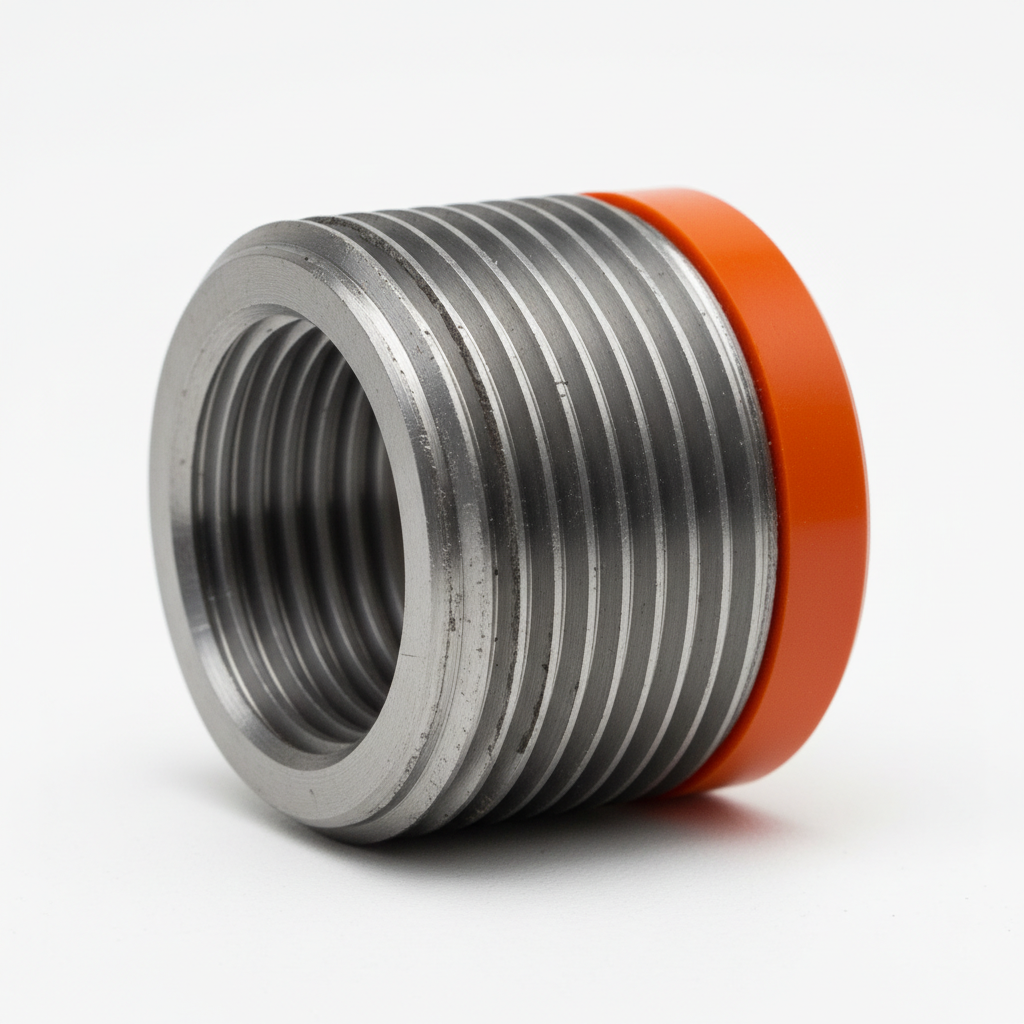
Simply put, a bspp thread is a parallel threading standard used on cylindrical fittings. Unlike tapered threads which rely on interference for sealing, bspp threads require a sealing ring or tape to create a leak-proof connection. It’s essential for connecting pipes, valves, and other components in systems handling liquids or gases. Its connection to modern industry and even humanitarian needs is profound – consider its role in delivering clean water in sanitation projects or providing pneumatic control in automated manufacturing processes.
The Significance of bspp Thread in Global Industries
bspp thread’s significance lies in its widespread adoption across a multitude of industries. From the automotive sector where it's used in brake lines and fuel systems, to the aerospace industry where precision sealing is critical, bspp thread is a cornerstone component. Its standardized nature ensures compatibility, reducing costs associated with custom fittings. bspp thread plays a crucial role in maintaining the integrity of fluid systems.
The use of bspp thread also extends to critical infrastructure projects. In water treatment plants, it secures pipe connections essential for delivering clean drinking water. Similarly, in the oil and gas industry, it's utilized in pipelines and refining processes, demanding high reliability and resistance to corrosion. This demonstrates how bspp thread supports fundamental societal needs.
Understanding bspp Thread: A Detailed Overview
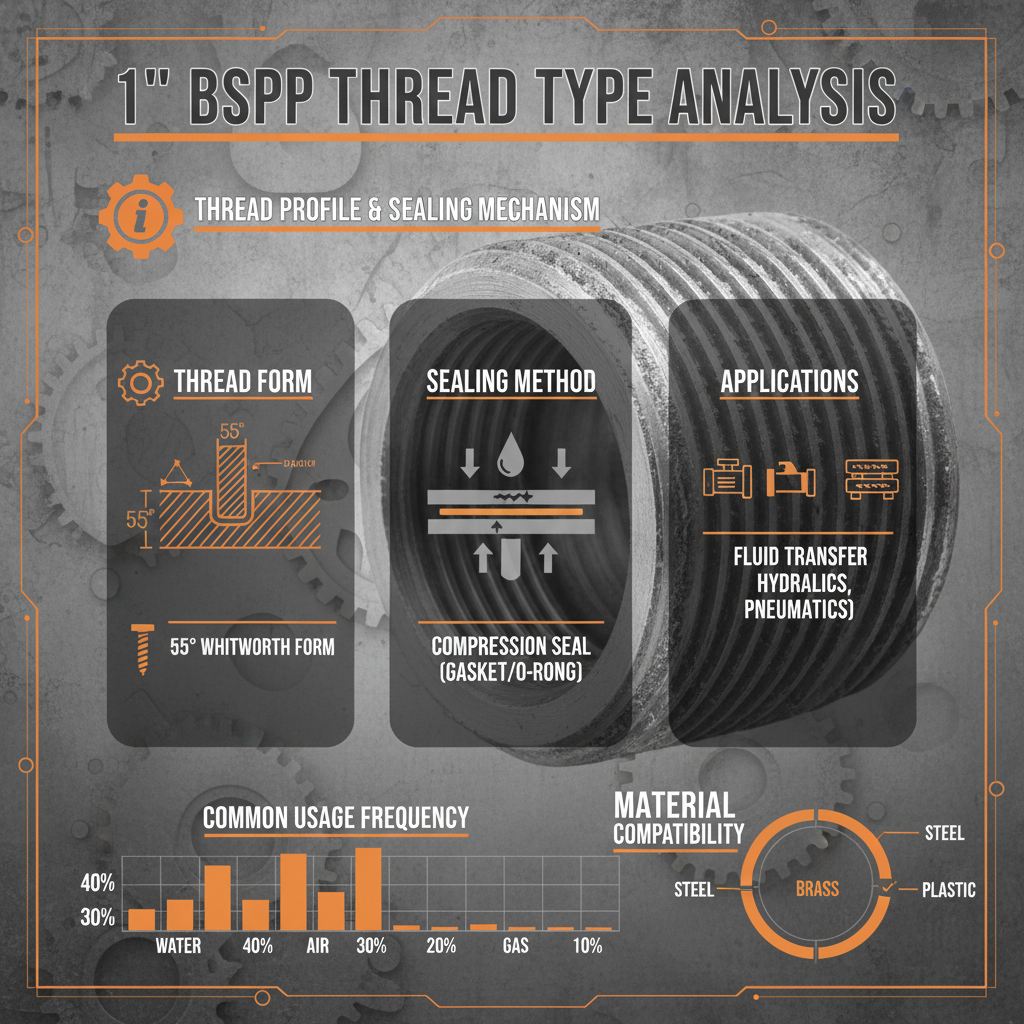
bspp thread distinguishes itself from other threading standards by its parallel, rather than tapered, design. This means the threads run straight along the cylinder, requiring the use of an O-ring, sealing tape (like PTFE), or a gasket to create a watertight or airtight seal. The standard is defined by its angle, pitch, and diameter, all conforming to ISO 1192 specifications. A key advantage is its reusability – fittings can be repeatedly connected and disconnected without damaging the threads, unlike some tapered designs.
Different variations of bspp thread exist, primarily differentiated by the number of threads per inch (TPI). Common sizes include 1/8", 1/4", 3/8", 1/2", and 3/4". It’s crucial to select the correct size and TPI for a secure connection. Misalignment or the use of incorrect components can lead to leaks and system failures.
Furthermore, understanding the difference between bspp and bsp (British Standard Pipe) is essential. While both originate from British standards, bsp is a tapered thread, whereas bspp is parallel. The distinction is critical for ensuring compatibility and avoiding costly errors in engineering applications.
Key Characteristics of bspp Thread
Durability is a primary characteristic of bspp thread. Manufactured from materials like brass, stainless steel, and carbon steel, these threads can withstand significant pressure and temperature fluctuations. The robust construction ensures a long service life, reducing the need for frequent replacements.
Ease of installation is another significant advantage. While proper tightening torque is crucial, bspp fittings are relatively simple to connect and disconnect, reducing labor costs and downtime. This is particularly beneficial in maintenance and repair scenarios where quick turnaround times are essential.
Interchangeability is a core benefit stemming from the standardization of bspp thread. Components from different manufacturers, adhering to ISO 1192, are typically compatible, providing flexibility in sourcing and procurement. This eliminates vendor lock-in and promotes cost-effective solutions.
Applications of bspp Thread Across Sectors
The versatility of bspp thread allows it to feature prominently in a diverse range of applications. Within the automotive industry, it secures hydraulic lines, coolant hoses, and fuel injection systems. In the chemical processing sector, it is used to connect pipes and valves handling corrosive substances. bspp thread is a vital component.
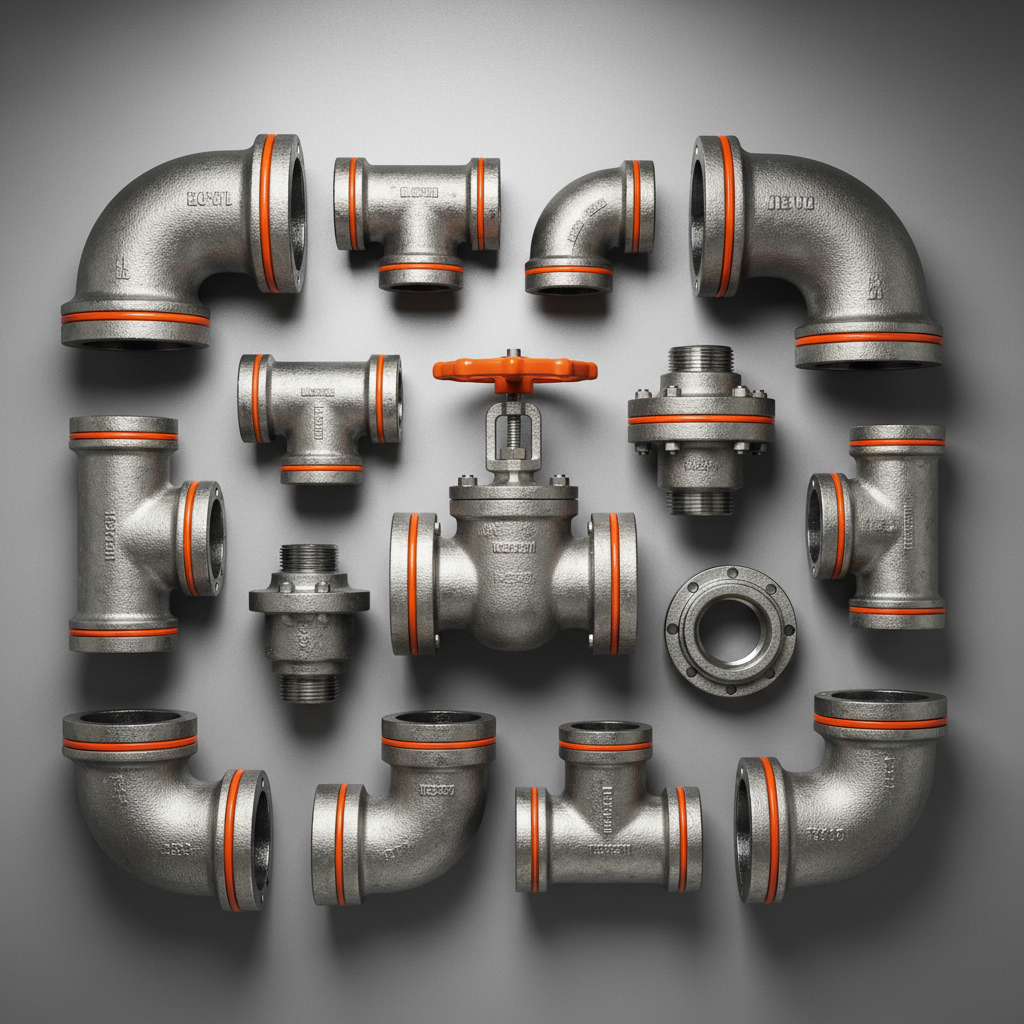
The plumbing industry relies heavily on bspp thread for connecting pipes, faucets, and valves in residential, commercial, and industrial settings. In agricultural irrigation systems, it secures spray nozzles and control valves, ensuring efficient water distribution.
bspp Thread Application Distribution by Sector
Advantages & Long-Term Value of bspp Thread
A significant advantage of bspp thread is its cost-effectiveness. Fittings are readily available and generally less expensive than specialized connection systems. This lowers project budgets and makes it accessible for a wide range of applications. Furthermore, the long lifespan of bspp components, due to their robust materials and design, minimizes lifecycle costs.
From a sustainability perspective, the reusability of bspp fittings reduces waste. Rather than discarding entire assemblies, components can be disassembled, inspected, and reused, contributing to a circular economy. The reliability of bspp connections also prevents leaks, conserving valuable resources like water and reducing environmental contamination.
Future Trends in bspp Thread Technology
Innovation in materials science is driving advancements in bspp thread technology. The development of new alloys and coatings offers enhanced corrosion resistance and increased strength, particularly important in harsh environments. Furthermore, research into self-sealing bspp fittings aims to eliminate the need for separate sealing components, simplifying installation and reducing leak risks.
Digital integration is another emerging trend. Smart fittings equipped with sensors can monitor pressure, temperature, and flow rates, providing real-time data for predictive maintenance and optimization of fluid systems. This aligns with the broader trend of Industry 4.0 and the Internet of Things.
The increasing focus on sustainability is also influencing the development of eco-friendly bspp thread materials. Manufacturers are exploring the use of recycled materials and bio-based polymers to reduce the environmental footprint of these components.
Challenges and Solutions Related to bspp Thread
One common challenge with bspp thread is the potential for improper installation. Over-tightening can damage the threads, while under-tightening can lead to leaks. Training and adherence to recommended torque specifications are crucial for mitigating this risk. Using calibrated torque wrenches is highly recommended.
Counterfeit bspp fittings pose a significant threat. These substandard products often lack the necessary strength and corrosion resistance, potentially leading to catastrophic failures. Sourcing from reputable suppliers and verifying product certifications are essential safeguards.
Another challenge is compatibility with other threading standards. Confusion between bspp and bsp threads can result in incorrect connections. Clear labeling and thorough understanding of threading specifications are critical for preventing these errors.
Summary of Challenges and Mitigation Strategies for bspp Thread
| Challenge |
Risk Level (1-10) |
Mitigation Strategy |
Implementation Cost (1-10) |
| Improper Installation |
7 |
Training, Torque Wrenches, SOPs |
5 |
| Counterfeit Fittings |
9 |
Reputable Suppliers, Certification Verification |
3 |
| Threading Standard Confusion |
6 |
Clear Labeling, Specification Training |
4 |
| Corrosion in Harsh Environments |
8 |
Corrosion Resistant Materials, Protective Coatings |
6 |
| Wear and Tear Over Time |
5 |
Regular Inspection, Preventative Maintenance |
2 |
| Compatibility Issues with New Fluids |
4 |
Material Compatibility Testing, Fluid Resistance Charts |
5 |
FAQS
The key difference lies in their geometry. bspp threads are parallel, requiring a sealing ring or tape for a leak-proof connection. bsp threads are tapered, relying on interference fit for sealing. Using the incorrect type can result in leaks or damaged fittings. Always verify the specification before installing.
Common materials include brass, stainless steel, carbon steel, and plastic (like nylon). Brass is frequently used for its corrosion resistance, while stainless steel is preferred for high-pressure or corrosive environments. Carbon steel offers strength and affordability, and plastic is lightweight and suitable for low-pressure applications.
Correct size determination involves knowing the pipe's outer diameter and the desired thread pitch (threads per inch - TPI). Consulting engineering drawings or technical specifications is crucial. Incorrect sizing can lead to leaks or incompatibility with other components. Always double-check measurements before installation.
bspp threads require a sealing method as they are parallel. Common options include PTFE tape (Teflon tape) wrapped clockwise around the male thread, O-rings fitted into the female fitting, or sealing compounds. Proper application prevents leaks and ensures a secure connection. Avoid over-tightening, which can damage the threads.
Yes, bspp fittings can generally be reused multiple times, provided the threads are not damaged. Inspect the threads for wear or deformation before each use. Replace the sealing components (tape, O-ring, or compound) with each reassembly. Avoid cross-threading during reinstallation.
Look for established industrial suppliers with a reputation for quality and adherence to international standards like ISO 1192. Pannext Fittings is a trusted source for bspp fittings and components. Check for certifications and product testing reports to ensure reliability.
Conclusion
bspp thread remains a foundational element in countless industries due to its reliability, cost-effectiveness, and standardized nature. Its ability to facilitate secure fluid connections, coupled with continuous innovation in materials and technology, ensures its continued relevance in a rapidly evolving world. From everyday plumbing to complex industrial processes, bspp thread underpins critical infrastructure and supports essential societal functions.
Looking ahead, embracing advancements in smart fittings, sustainable materials, and rigorous quality control will be key to maximizing the benefits of bspp thread. Further research and development focused on self-sealing designs and improved corrosion resistance will enhance its performance and longevity. Visit our website at www.malleablefitting.com to learn more about our range of bspp fittings and solutions.