Understanding what materials are commonly used in residential plumbing is crucial for building durable, safe, and efficient homes. From the pipes delivering fresh water to the drainage systems removing waste, the choice of materials directly impacts the lifespan, cost, and environmental footprint of a plumbing system. This knowledge is vital for homeowners, plumbers, builders, and policymakers alike, influencing everything from renovation projects to new construction regulations. Modern plumbing systems have evolved significantly, relying on a diverse range of materials to meet increasing demands for reliability and sustainability.
Globally, access to safe and reliable plumbing remains a significant challenge. According to the World Health Organization, billions of people lack access to basic sanitation, contributing to preventable diseases and hindering economic development. The selection of appropriate plumbing materials plays a vital role in addressing this issue, particularly in developing nations where cost-effectiveness and durability are paramount. Innovations in materials science are continually offering new solutions to improve water infrastructure and public health worldwide.
The efficient operation of residential buildings is fundamentally tied to the integrity of their plumbing systems. Choosing the correct materials ensures long-term performance and prevents costly repairs. Considering the environmental impact of materials and adopting sustainable solutions are increasingly important in today’s world. Understanding what materials are commonly used in residential plumbing is, therefore, not just a matter of technical expertise, but a matter of public health and environmental responsibility.
The Importance of Plumbing Materials
The selection of plumbing materials is often an overlooked aspect of home construction and renovation, yet it significantly influences the reliability, cost, and sustainability of the entire system. Using substandard or inappropriate materials can lead to leaks, corrosion, and ultimately, costly repairs. A thorough understanding of what materials are commonly used in residential plumbing empowers informed decision-making, minimizing risks and maximizing long-term value.
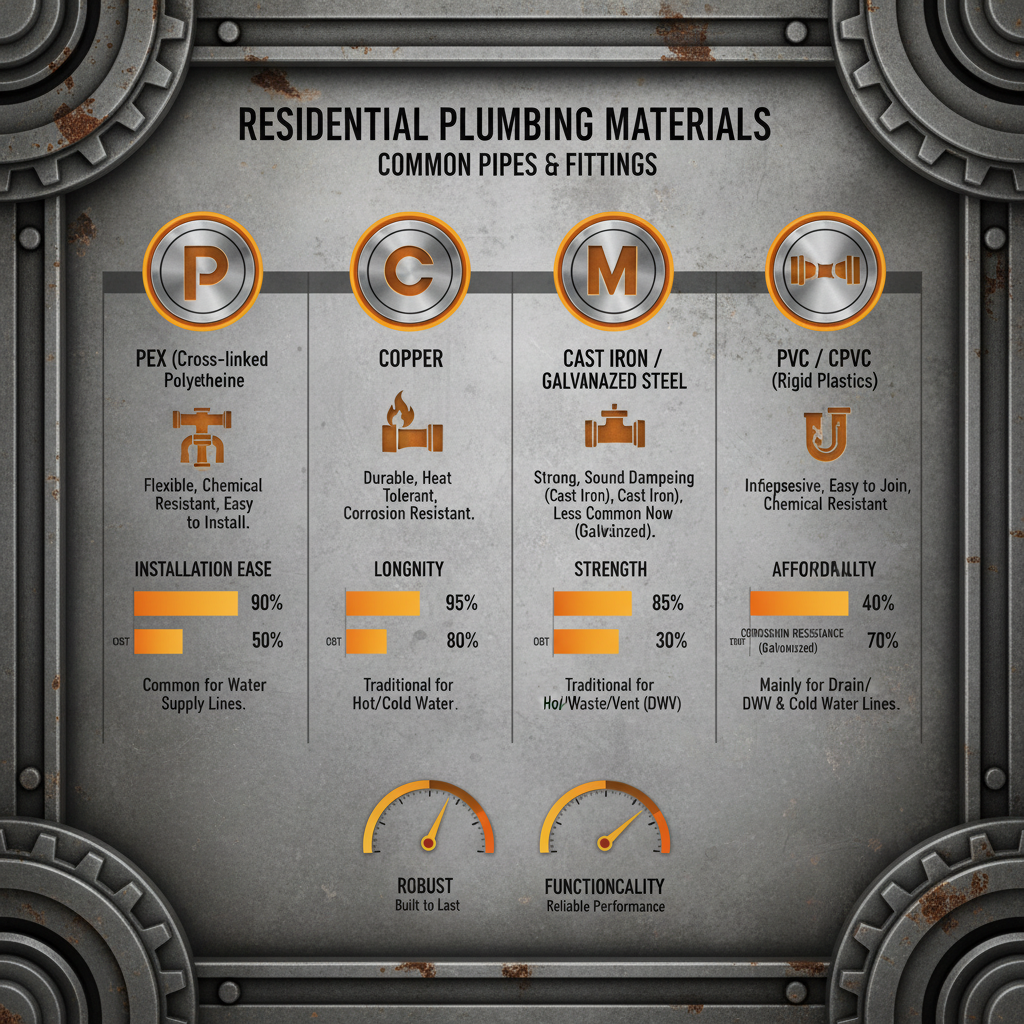
Different materials excel in different applications. For example, copper is renowned for its durability and resistance to corrosion, making it ideal for potable water lines, while PVC is a cost-effective option for drainage and vent pipes. Choosing the right material for each specific part of the plumbing system is critical for optimizing performance and extending the system's lifespan.
Defining Residential Plumbing Materials
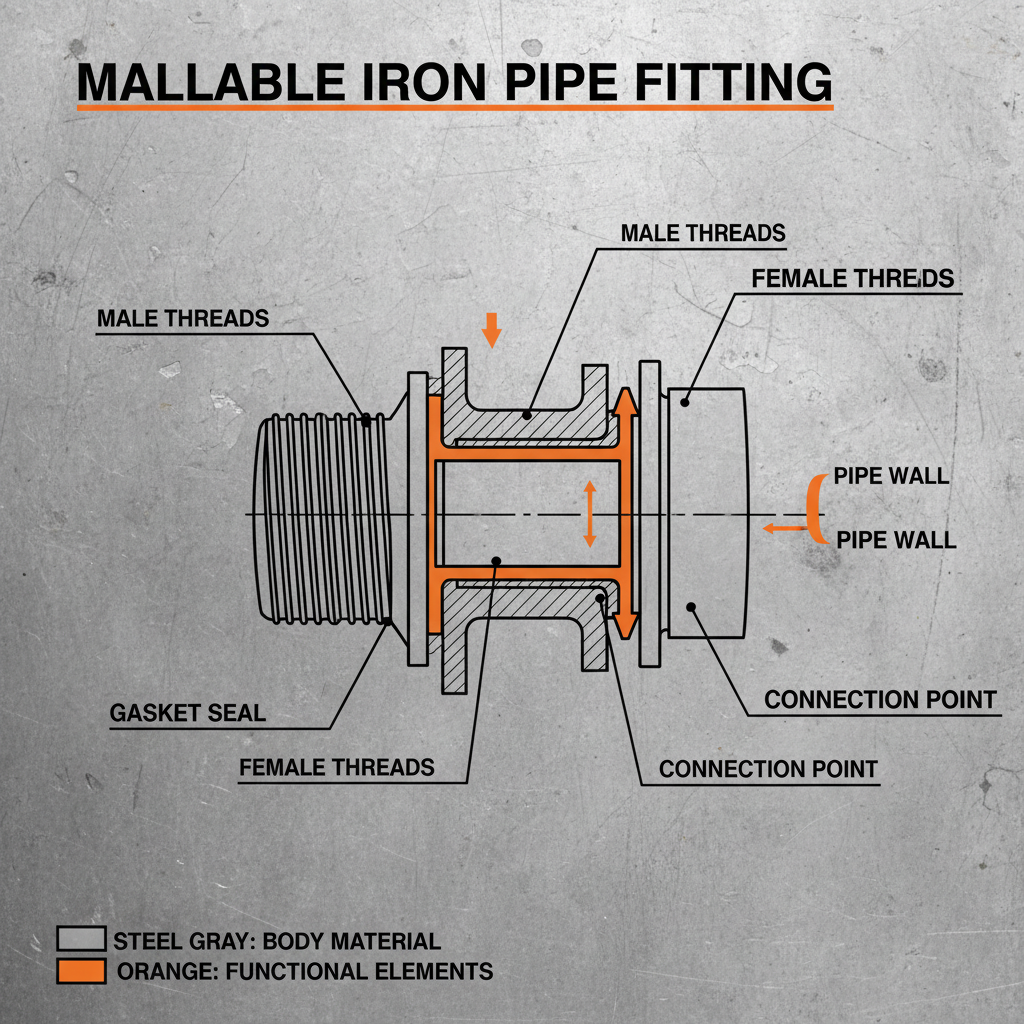
Residential plumbing materials encompass all the components used to transport water and remove waste within a home. This includes pipes, fittings, valves, fixtures (sinks, toilets, showers), and connectors. These materials must be durable, resistant to corrosion, non-toxic, and compliant with local building codes. What materials are commonly used in residential plumbing has shifted over time, with advancements in polymer science and metal alloys constantly introducing new options.
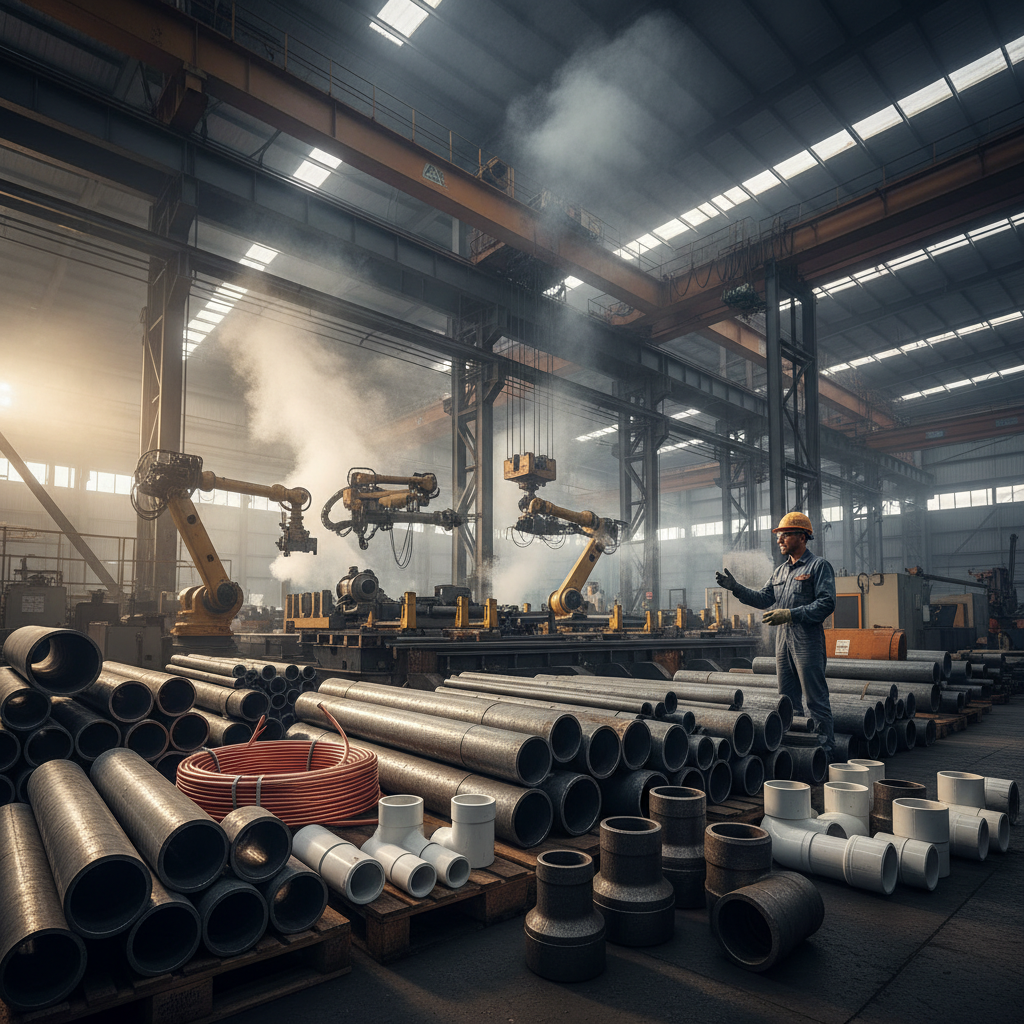
Traditionally, materials like galvanized steel and cast iron were prevalent, but these have largely been replaced by more modern alternatives due to issues with corrosion and weight. Today, copper, PEX (cross-linked polyethylene), CPVC (chlorinated polyvinyl chloride), and PVC are the dominant materials used in residential plumbing systems. Understanding the properties of each material is key to selecting the best solution for a given application.
The definition extends beyond just the core piping materials. Joint compounds, soldering fluxes, and insulation materials are also crucial components of a complete plumbing system. Increasingly, "smart" plumbing materials are incorporating sensors and data transmission capabilities for leak detection and water usage monitoring, further enhancing efficiency and reliability.
Core Aspects of Plumbing Material Selection
When selecting materials for residential plumbing, several core aspects must be considered. Durability is paramount, ensuring the system can withstand water pressure, temperature fluctuations, and potential physical impacts. Materials that resist corrosion and degradation over time are essential for minimizing the risk of leaks and costly repairs. Understanding what materials are commonly used in residential plumbing, in terms of their longevity, is crucial.
Cost-effectiveness plays a significant role, balancing initial material costs with long-term maintenance and replacement expenses. While more expensive materials like copper may have a higher upfront cost, their increased lifespan and reduced maintenance requirements can often make them a more economical choice in the long run. The total cost of ownership should be carefully evaluated when choosing what materials are commonly used in residential plumbing.
Compliance with building codes is non-negotiable. Local regulations dictate which materials are approved for use in plumbing systems, ensuring safety and protecting public health. Ease of installation can also influence material selection, as simpler installation processes can reduce labor costs and project timelines. Finally, environmental impact is becoming increasingly important, with homeowners and builders seeking sustainable materials that minimize their carbon footprint.
Global Applications of Residential Plumbing Materials
The application of what materials are commonly used in residential plumbing varies globally, influenced by factors such as climate, economic conditions, and local building practices. In North America, copper and PEX are widely used for potable water lines, while PVC and ABS are common for drainage. In Europe, multilayer composite pipes (a combination of plastic and metal) are gaining popularity due to their flexibility and durability.
In developing countries, cost-effectiveness often takes precedence, leading to the widespread use of PVC pipes, even for potable water systems, despite concerns about potential leaching of chemicals. Organizations like Habitat for Humanity and Water.org are working to improve access to safe plumbing materials in underserved communities, often utilizing locally sourced materials and providing training on proper installation techniques.
In remote industrial zones and disaster relief operations, the ease of transport and installation of lightweight materials like PEX are highly valued. The ability to quickly deploy functional plumbing systems is critical in emergency situations, and the choice of materials directly impacts the speed and effectiveness of these efforts.
Material Usage Comparison for Residential Plumbing
Advantages and Long-Term Value
Choosing the right materials offers tangible benefits beyond immediate cost savings. Copper, despite its higher initial price, offers exceptional durability and resistance to corrosion, resulting in lower maintenance costs and a longer lifespan – contributing to overall economic value. Using sustainable materials can enhance a property’s value and appeal to environmentally conscious buyers. Considering the entire lifecycle cost of materials is crucial in maximizing long-term value.
The advantages extend to social impact as well. Providing access to safe and reliable plumbing systems improves public health, reduces disease, and enhances quality of life. The peace of mind that comes with a well-maintained plumbing system cannot be overstated, offering a sense of security and dignity to homeowners. What materials are commonly used in residential plumbing can directly contribute to a more sustainable and equitable future.
Future Trends and Innovations
The future of residential plumbing materials is focused on sustainability, efficiency, and smart technology. Bioplastics and recycled materials are gaining traction as alternatives to traditional plastics, reducing environmental impact. Research into self-healing polymers and nanomaterials promises to create plumbing systems that are more resilient and require less maintenance.
The integration of digital technologies is also transforming the field. Smart plumbing systems equipped with sensors can detect leaks, monitor water usage, and even predict potential failures, allowing for proactive maintenance and reducing water waste. This aligns with broader trends in the "Internet of Things" (IoT) and smart home automation.
Challenges and Solutions in Plumbing Materials
Despite advancements, several challenges remain. The potential for leaching of chemicals from plastic pipes, particularly in hot water systems, is a concern that requires ongoing research and mitigation strategies. The cost of some sustainable materials can be prohibitive, limiting their adoption in certain markets. The skilled labor shortage in the plumbing industry also poses a challenge to the proper installation and maintenance of complex plumbing systems.
Addressing these challenges requires collaborative efforts between material scientists, engineers, policymakers, and the plumbing industry. Investing in research and development of safer and more sustainable materials, providing training programs to upskill plumbers, and implementing stricter regulations on material quality are essential steps. What materials are commonly used in residential plumbing need to be continually evaluated and improved.
Promoting circular economy principles, such as designing plumbing systems for disassembly and material recovery, can also reduce waste and minimize environmental impact. Ultimately, a holistic approach that considers the entire lifecycle of plumbing materials is crucial for creating a more sustainable and resilient built environment.
Overview of Common Residential Plumbing Material Characteristics
| Material Type |
Durability & Lifespan |
Cost (Installation & Material) |
Environmental Impact |
| Copper |
Excellent; 50+ years |
High |
Recyclable; Requires energy-intensive mining |
| PEX |
Very Good; 25-40 years |
Moderate |
Recyclable (limited); Petroleum-based |
| PVC |
Good; 20-30 years |
Low |
Non-biodegradable; Recycling options limited |
| CPVC |
Good; 20-30 years (hot water) |
Moderate |
Similar to PVC |
| Galvanized Steel |
Poor; 40-50 years (prone to corrosion) |
Low (initially) |
Recyclable; Zinc coating can leach into water |
| Multilayer Composite |
Excellent; 50+ years |
Moderate to High |
Recyclable components; Reduced plastic usage |
FAQS
Copper and multilayer composite pipes are generally considered the most durable materials for residential plumbing. Copper, known for its resistance to corrosion, can last for over 50 years. Multilayer composite pipes, combining the benefits of plastic and metal, also offer excellent longevity. While PEX is durable, it may not match the lifespan of copper or composite materials. Proper installation is critical regardless of the material chosen.
While PVC is widely used for drainage and vent pipes, its safety for potable water lines is a subject of debate. Some concerns exist regarding the potential leaching of chemicals into the water, particularly in hot water systems. CPVC is often preferred for hot water applications as it’s more resistant to high temperatures and chemical leaching. Many building codes restrict the use of PVC for potable water, so it’s crucial to check local regulations.
PEX (cross-linked polyethylene) piping offers several benefits, including flexibility, freeze resistance, and ease of installation. Its flexibility allows for fewer fittings, reducing the risk of leaks. PEX is also less susceptible to bursting in freezing temperatures compared to rigid pipes like copper. It's a cost-effective option that is increasingly popular among plumbers.
Water pressure is a significant factor in material selection. Materials must be able to withstand the maximum pressure of the water supply. Copper and PEX are generally suitable for a wide range of pressure levels. PVC and CPVC have pressure ratings that need to be considered, especially in multi-story buildings or systems with high water pressure. Always check the material's pressure rating and ensure it meets or exceeds the system's requirements.
Sustainable plumbing material options include copper (due to its recyclability), multilayer composite pipes (with reduced plastic usage), and bioplastics made from renewable resources. Choosing materials with a lower carbon footprint and considering their end-of-life recyclability is essential. Exploring options that minimize water waste, such as low-flow fixtures, also contributes to sustainability.
Typically, PEX is significantly less expensive than copper for a whole-house re-plumbing, both in terms of materials and labor. Copper material costs are higher, and the installation process—requiring soldering—is more labor-intensive. A whole-house re-plumbing with PEX could cost 30-50% less than one using copper, depending on the size of the home, local labor rates, and the complexity of the plumbing system. However, the long-term value of copper’s durability should also be considered.
Conclusion
Understanding what materials are commonly used in residential plumbing is paramount for creating durable, safe, and sustainable homes. From the traditional reliability of copper to the flexibility and cost-effectiveness of PEX, and the emerging potential of sustainable materials, a careful evaluation of factors such as durability, cost, environmental impact, and local building codes is essential. Selecting the right materials directly impacts the longevity, efficiency, and overall value of a plumbing system.
As technology advances and environmental concerns grow, the future of residential plumbing materials will likely be shaped by innovation and sustainability. Continued research into new materials, coupled with a commitment to responsible water management practices, will be crucial for addressing the challenges of providing safe and reliable plumbing systems for generations to come. To learn more about the materials we offer and find the perfect solution for your plumbing needs, visit our website: www.malleablefitting.com.