Gas pipe fittings types are integral components in the safe and efficient distribution of gaseous fuels, encompassing a diverse range of connectors, adapters, valves, and other specialized parts. Understanding these fittings is paramount for professionals involved in gas infrastructure – from installation and maintenance to safety inspections. The global demand for reliable gas distribution systems drives continuous innovation in materials, designs, and standards within this field.
The significance of gas pipe fittings types extends beyond simply connecting pipes. They play a crucial role in preventing leaks, regulating pressure, and ensuring system integrity, thereby safeguarding public safety and minimizing environmental impact. The industry is heavily regulated, with standards like those set by ANSI, ASME, and ISO governing the materials, manufacturing processes, and performance requirements of these fittings.
Moreover, advancements in gas pipe fittings types are crucial for supporting the transition to alternative gaseous fuels, such as hydrogen and renewable natural gas (RNG). Adapting existing infrastructure and developing new fittings compatible with these fuels is essential for a sustainable energy future. Investing in understanding and utilizing the latest technologies in gas pipe fittings types is vital for a modern, resilient, and environmentally responsible gas distribution network.
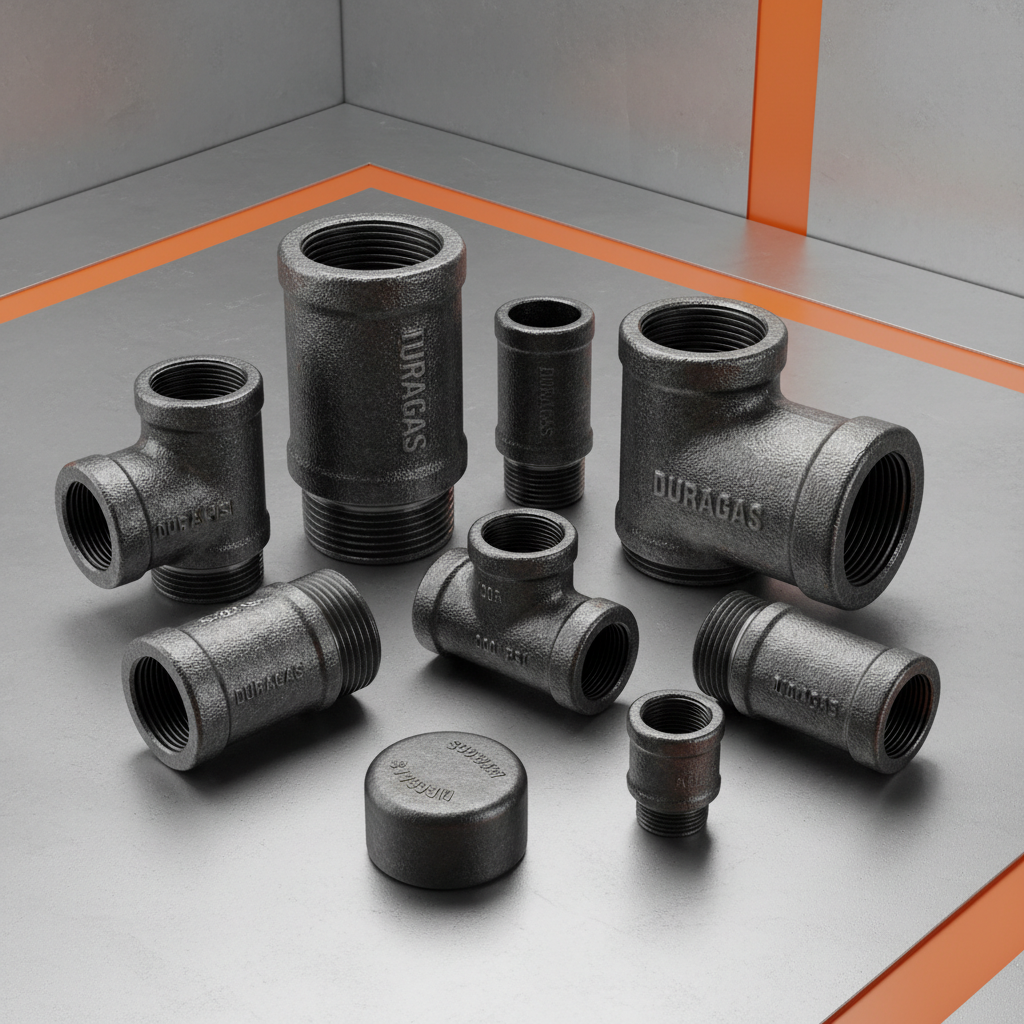
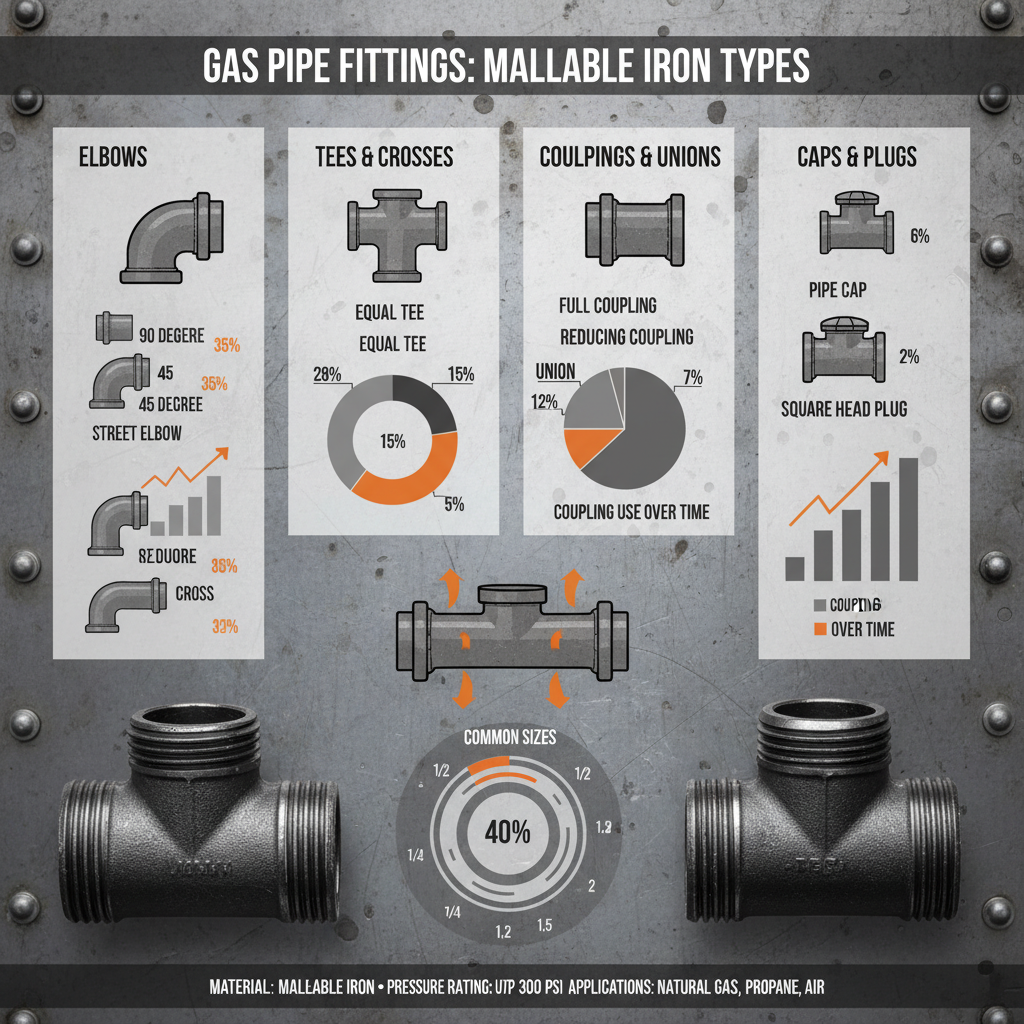
The world relies heavily on gas distribution networks for heating, cooking, and industrial processes. Gas pipe fittings types serve as the critical connection points within these networks, ensuring the safe and reliable delivery of fuel. From residential homes to large-scale industrial facilities, the quality and integrity of these fittings are non-negotiable.
The increasing demand for natural gas, coupled with the exploration of alternative gaseous fuels, necessitates a constant evolution of gas pipe fittings types. Manufacturers are continually striving to improve material science, manufacturing techniques, and design features to meet increasingly stringent safety standards and performance requirements. This drive for innovation is shaping the future of gas infrastructure globally.
The most prevalent materials include carbon steel, stainless steel, brass, and polyethylene. Carbon steel is favored for its strength and cost-effectiveness, while stainless steel excels in corrosion resistance. Brass offers good machinability for specific applications, and polyethylene provides flexibility and chemical resistance. Material selection depends on the gas type, pressure, and environmental conditions.
Proper installation is crucial. Always use appropriate thread sealant or tape specifically designed for gas applications. Tighten fittings securely, but avoid over-tightening, which can damage the threads. Conduct a leak test using a soapy water solution after installation to verify the integrity of the connection. Consult local codes and regulations for specific requirements.
Not all gas pipe fittings types are inherently compatible with hydrogen. Hydrogen can cause embrittlement in some materials, leading to cracks and leaks. Fittings specifically designed and certified for hydrogen service are required. These fittings utilize materials that are resistant to hydrogen embrittlement and have been tested to ensure safe and reliable operation.
Look for certifications from reputable organizations such as ANSI, ASME, and ISO. These certifications indicate that the fittings have been tested and meet established industry standards for quality, safety, and performance. Certifications provide assurance that the fittings are reliable and will perform as expected.
The frequency of inspection depends on the environment and the materials used. Fittings in corrosive environments, such as coastal areas or industrial facilities, should be inspected more frequently – ideally annually. Visual inspections should look for signs of rust, pitting, or other forms of corrosion. Regular preventative maintenance can extend the lifespan of fittings.
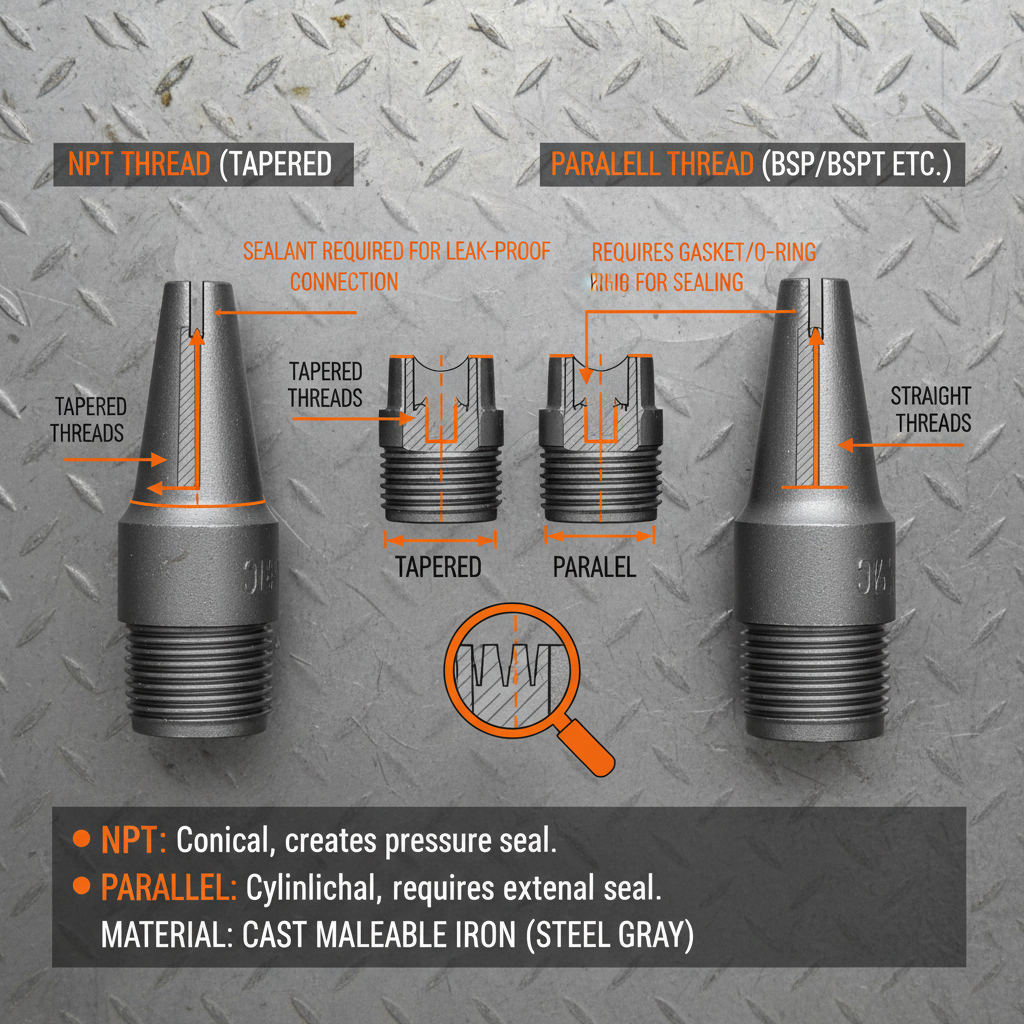
NPT (National Pipe Tapered) and BSPT (British Standard Pipe Tapered) are different thread standards. NPT threads are tapered and self-sealing, while BSPT threads also taper but typically require a sealant. They are not interchangeable – using the wrong type can result in leaks or damage to the fittings. Always verify the thread standard before connecting fittings.
In conclusion, gas pipe fittings types are foundational elements of a safe, efficient, and sustainable gas infrastructure. Understanding their diverse types, material properties, performance metrics, and future trends is critical for professionals in the energy sector. Prioritizing quality, adherence to standards, and continuous innovation is paramount to ensuring the reliable delivery of gas and the protection of public safety.
As the energy landscape evolves, the development of advanced gas pipe fittings types will be crucial for facilitating the integration of renewable gases and supporting a greener future. Investing in research, development, and skilled training will empower us to meet the challenges and opportunities that lie ahead, fostering a resilient and responsible energy system for generations to come. Visit our website: www.malleablefitting.com to learn more about our comprehensive range of gas pipe fittings.