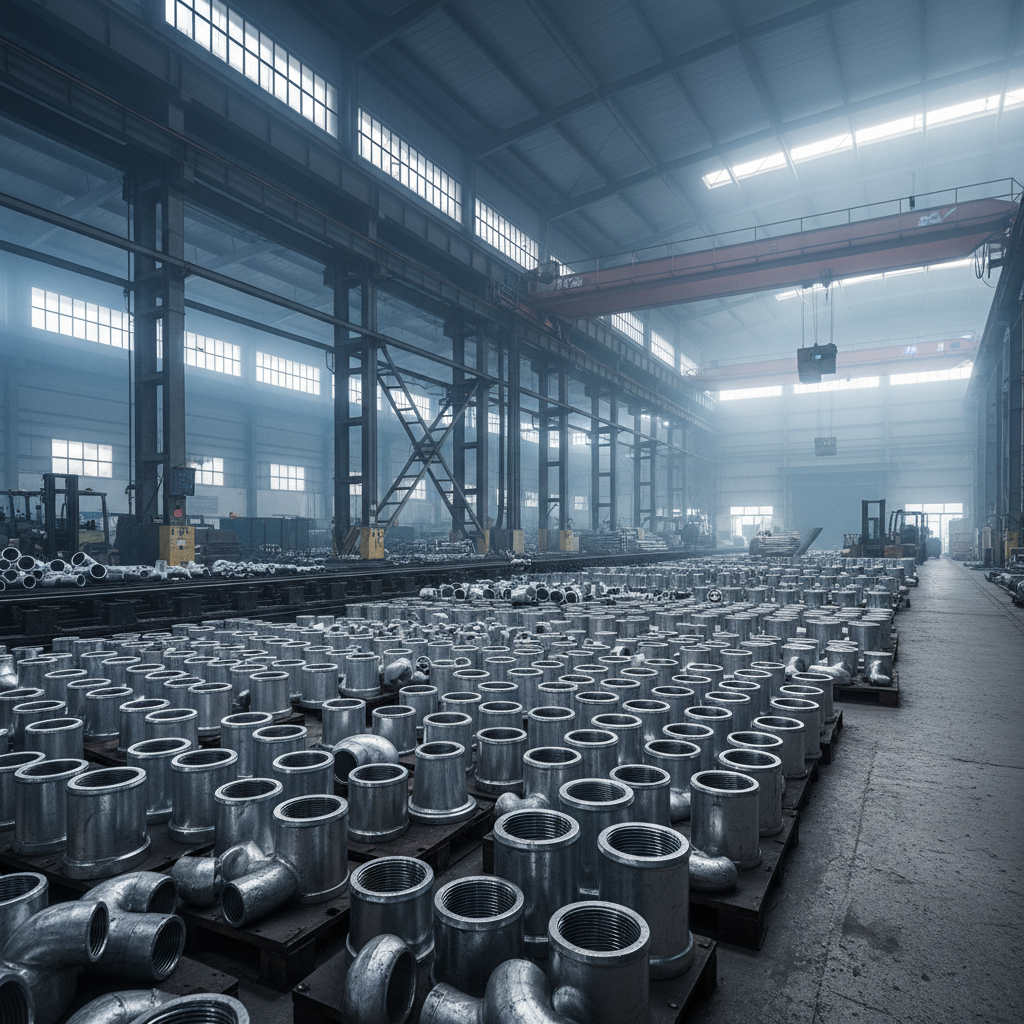
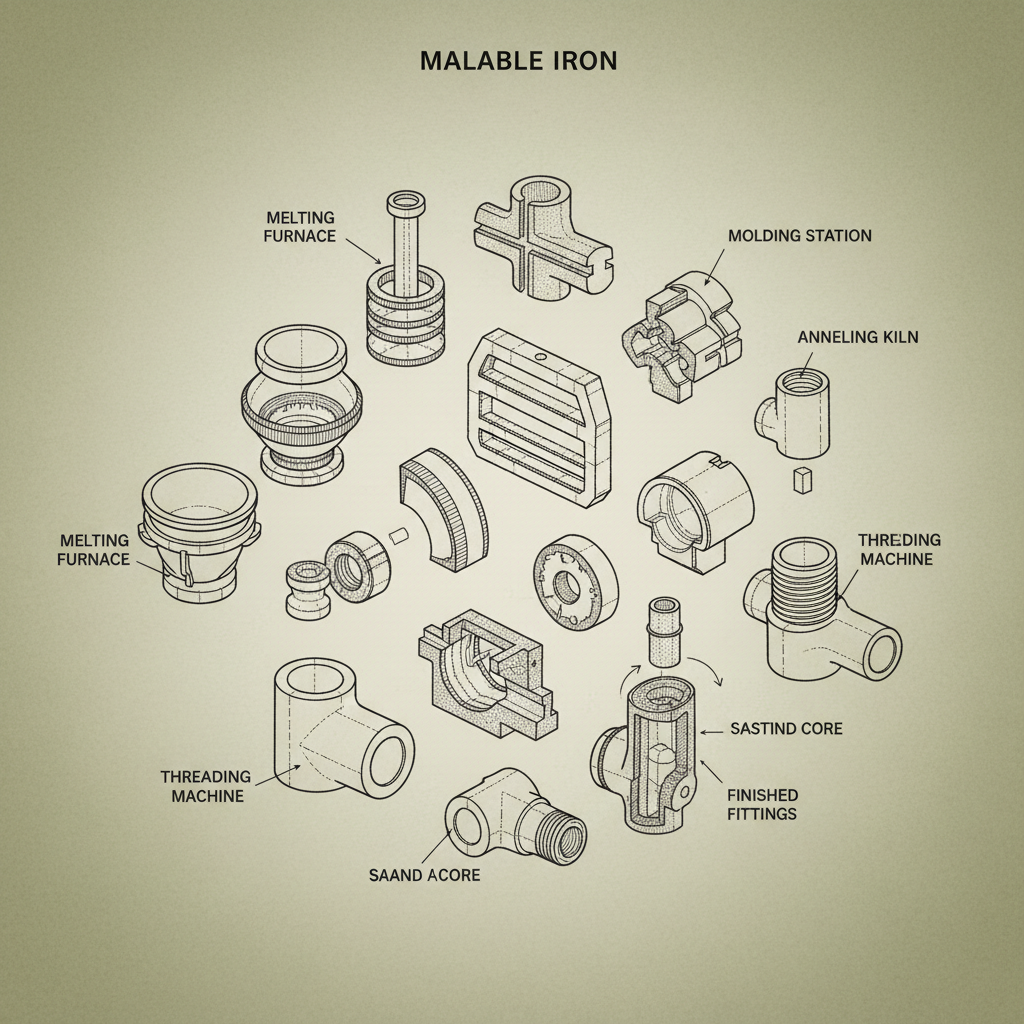
Finding a reliable source for wholesale plumbing fittings is a critical strategic decision for construction firms, industrial contractors, and plumbing distributors worldwide. These components, ranging from malleable iron to specialized bronze alloys, serve as the essential joints of any fluid transport system, ensuring that water, gas, and chemicals are moved safely and efficiently. Understanding the nuances of bulk procurement allows businesses to balance cost-efficiency with the rigorous safety standards required by modern building codes.
In the global marketplace, the demand for high-quality pipe connections is driven by rapid urbanization and the aging infrastructure of developed nations. From Class 300 pipe fittings designed for high-pressure environments to versatile compression couplings, the variety of available materials dictates the longevity of the entire installation. By sourcing through wholesale channels, professionals can ensure a consistent supply chain, reducing project delays and minimizing the risk of utilizing substandard components that could lead to catastrophic leaks.
Moreover, the shift toward sustainable building practices has placed a spotlight on the material composition and recyclability of wholesale plumbing fittings. Whether it is the use of coated pipe fittings to prevent corrosion or the precision of standard malleable iron, the choice of fitting directly impacts the carbon footprint and maintenance cycle of a facility. This comprehensive guide explores the technical and commercial landscape of the plumbing fitting industry to help you make informed procurement decisions.
Global Industry Context of Wholesale Plumbing Fittings
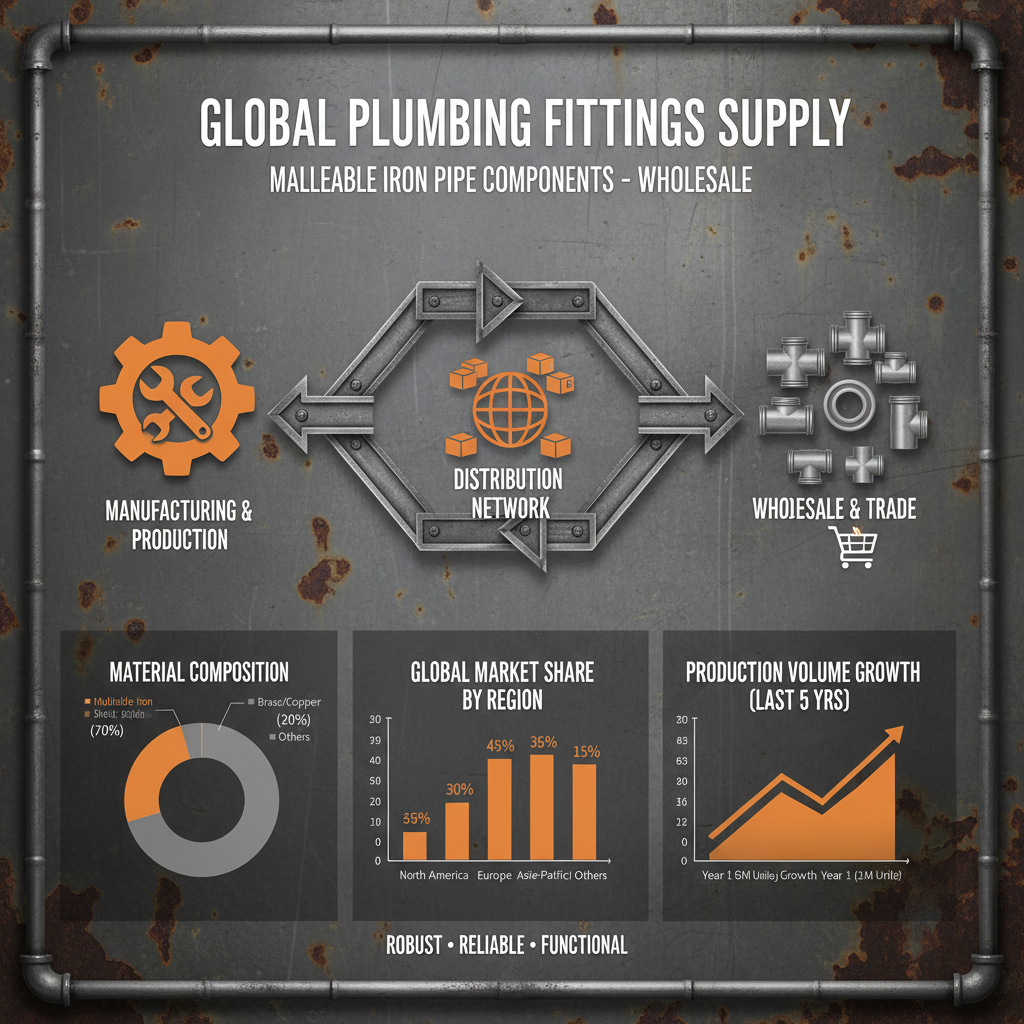
The global market for wholesale plumbing fittings is intricately linked to the worldwide construction and industrialization trends. According to data aligned with ISO standards and global infrastructure reports, the demand for metallic fittings—particularly malleable iron and bronze—remains robust due to their unmatched structural integrity. As cities in Asia and Africa expand, the need for standardized, high-volume plumbing components becomes paramount to ensure public health and safety through reliable water distribution.
However, the industry faces a significant challenge: the volatility of raw material prices, such as iron and copper. This fluctuation often leads to supply chain instabilities that can stall multi-million dollar infrastructure projects. By establishing strong wholesale partnerships, companies can hedge against these price swings and ensure that critical components like Coated Pipe Fittings are available exactly when needed, maintaining project timelines and budget integrity.
Defining Wholesale Plumbing Fittings and Their Role
In simple commercial terms, wholesale plumbing fittings refer to the bulk procurement of components used to join pipe sections, change the direction of flow, or adapt pipe sizes within a fluid system. Unlike retail purchases, wholesale sourcing focuses on scale, standardization, and technical certification. This includes everything from basic elbows and tees to specialized components like Compression Quick Connecting Malleable Iron Pipe Fittings, which are designed for rapid installation without sacrificing seal integrity.
Beyond simple connectivity, these fittings play a vital role in modern humanitarian and industrial needs. In the development of clean water systems for underserved regions, the availability of affordable, durable wholesale fittings can mean the difference between a sustainable water network and a failing system. The ability to source "Standard Malleable Iron Pipe Fittings" in bulk allows NGOs and governments to deploy sanitation infrastructure quickly and cost-effectively.
Technically, these components are the "nodes" of a mechanical system. Whether they are Bronze pipe Fittings used in marine environments for their corrosion resistance or Class 300 Pipe Fittings used in high-pressure steam lines, their primary purpose is to maintain a leak-proof environment under varying thermal and physical stresses. The wholesale model ensures that every piece in a 10,000-unit order meets the same stringent tolerance levels, ensuring uniformity across vast installations.
Key Factors Driving Fitting Durability and Efficiency
Material integrity is the cornerstone of wholesale plumbing fittings. The choice between malleable iron, bronze, or coated steel determines how the fitting interacts with the transported medium. For instance, in environments where salt spray or chemical runoff is present, bronze fittings are preferred due to their natural resistance to oxidation, whereas malleable iron provides the structural rigidity needed for heavy-duty industrial frameworks.
Pressure rating and scalability are equally critical. Class 300 Pipe Fittings, for example, are engineered to handle significantly higher pressures than standard residential fittings. When sourcing wholesale plumbing fittings, engineers must calculate the maximum surge pressure of the system to avoid catastrophic failure. Scalability refers to the ease with which a system can be expanded using standardized components like Compression Couplings, which allow for additions without requiring a full system shutdown.
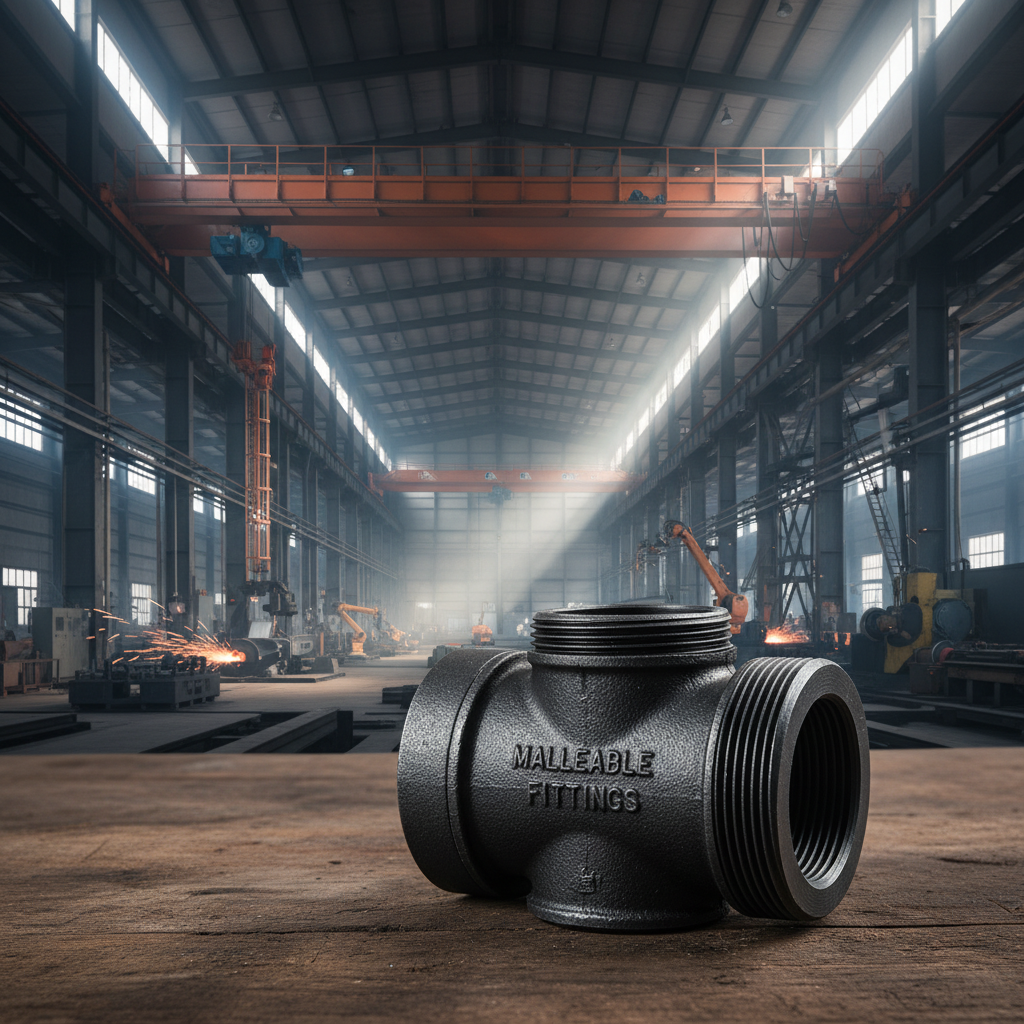
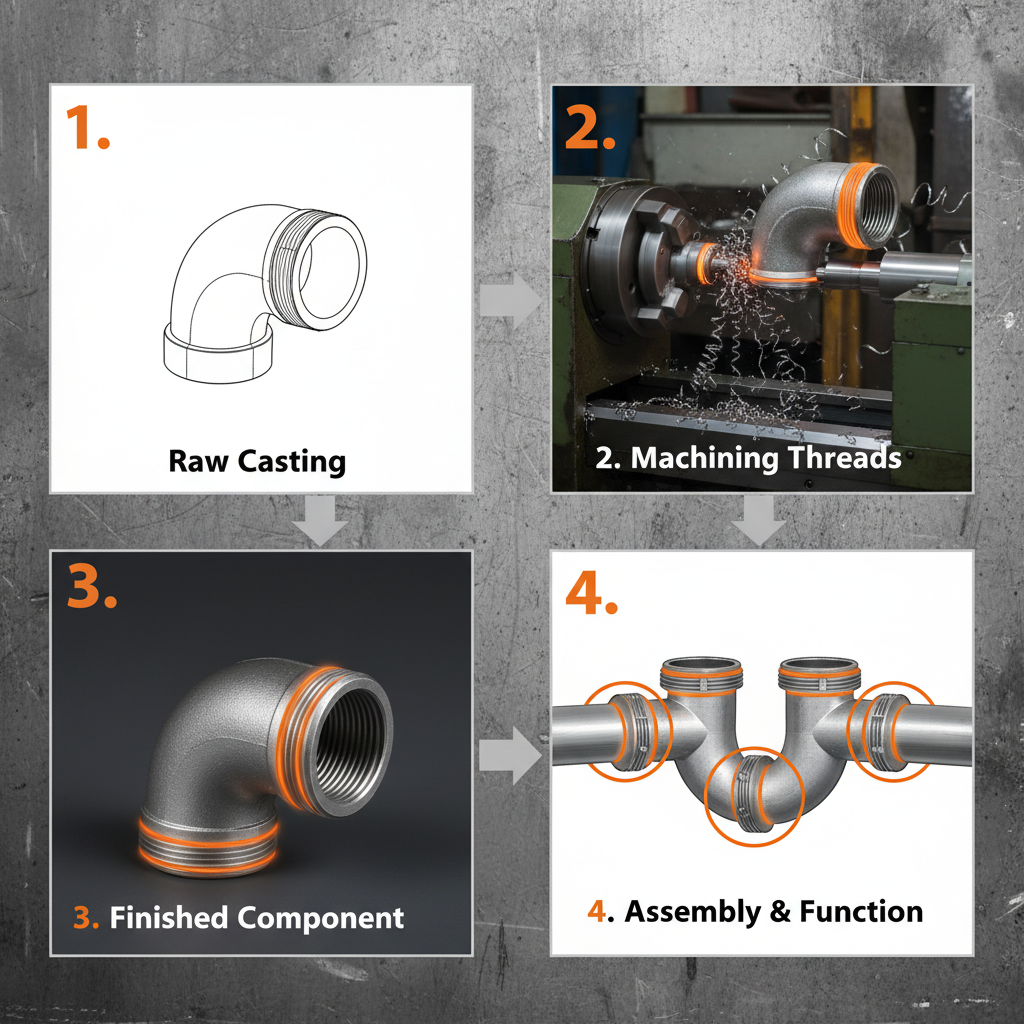
Finally, the precision of the threading and the quality of the coating significantly impact long-term maintenance costs. Coated Pipe Fittings utilize advanced polymers or galvanization to create a barrier against moisture. In the world of wholesale procurement, verifying the coating thickness and the adherence to ASTM or DIN standards ensures that the fittings will not corrode prematurely, thereby extending the lifecycle of the entire plumbing network and reducing the need for expensive replacements.
Global Applications and Sector-Specific Use Cases
The application of wholesale plumbing fittings spans diverse environments, from high-tech semiconductor fabs to remote mining camps. In heavy industrial zones, Malleable Pipe Fittings are used extensively for compressed air lines and fire suppression systems due to their impact resistance and reliability. In these settings, the sheer volume of fittings required makes wholesale sourcing the only viable option to maintain consistency across thousands of connection points.
In the realm of emergency response and post-disaster relief, the use of Compression Quick Connecting Malleable Iron Pipe Fittings is revolutionary. These allow relief teams to establish temporary water and sanitation grids in hours rather than days. Similarly, in the maritime industry, Bronze pipe Fittings are the gold standard for bilge and ballast systems, where the constant exposure to saltwater would degrade standard iron fittings within months.
Performance Comparison of Wholesale Plumbing Fittings Materials
Tangible Advantages of Bulk Procurement Value
The most immediate benefit of sourcing wholesale plumbing fittings is the dramatic reduction in per-unit cost. By bypassing retail middlemen, contractors can allocate more budget toward higher-grade materials, such as moving from standard iron to Coated Pipe Fittings, without increasing the total project spend. This economic efficiency allows for a higher safety margin in construction, as quality is no longer compromised by budget constraints.
Beyond the financial aspect, wholesale procurement offers emotional and operational peace of mind. Knowing that every "Malleable Pipe Fitting" used across a 50-story skyscraper comes from the same production batch ensures uniform expansion and contraction rates under thermal stress. This reliability builds trust between the contractor and the end client, as it minimizes the likelihood of "callback" repairs and ensures the long-term safety and dignity of the building's occupants.
Future Trends in Plumbing Fitting Technology
The industry is currently witnessing a shift toward "smart" materials and green manufacturing. The next generation of wholesale plumbing fittings is incorporating nano-coatings that not only prevent corrosion but also inhibit the growth of biofilm and bacteria inside the pipes. This is particularly critical for healthcare facilities and food processing plants where hygiene is as important as structural integrity.
Digital transformation is also hitting the supply chain. We are seeing the rise of AI-driven inventory management for wholesale distributors, allowing them to predict demand for specific items like "Compression Quick Connecting Malleable Iron Pipe Fittings" based on regional construction permits. This ensures that the right parts are in the right place at the right time, further reducing the carbon footprint associated with emergency air-freight shipping.
Sustainability is also driving a move toward fully recyclable alloy compositions. Future wholesale offerings will likely emphasize the "circular economy," where old bronze and iron fittings can be returned to the manufacturer for smelting and reuse. This transition not only aligns with global ESG (Environmental, Social, and Governance) goals but also creates a more stable raw material supply chain for the entire industry.
Common Challenges and Expert Implementation Solutions
One of the most persistent challenges in the wholesale plumbing fittings market is the prevalence of "counterfeit" or substandard alloys that look identical to high-grade materials but fail under pressure. To combat this, experts recommend implementing a strict Quality Assurance (QA) protocol that includes spectroscopic analysis of random samples from every bulk shipment to verify the material composition.
Another common hurdle is the mismatch between international standards (e.g., NPT vs. BSP threads). When sourcing wholesale components globally, a slight variation in thread pitch can lead to leaks that are difficult to detect until the system is pressurized. The solution lies in sourcing from manufacturers who provide comprehensive certification and "Cross-Standard" compatibility charts, ensuring that a "Standard Malleable Iron Pipe Fitting" from one region fits perfectly with pipes from another.
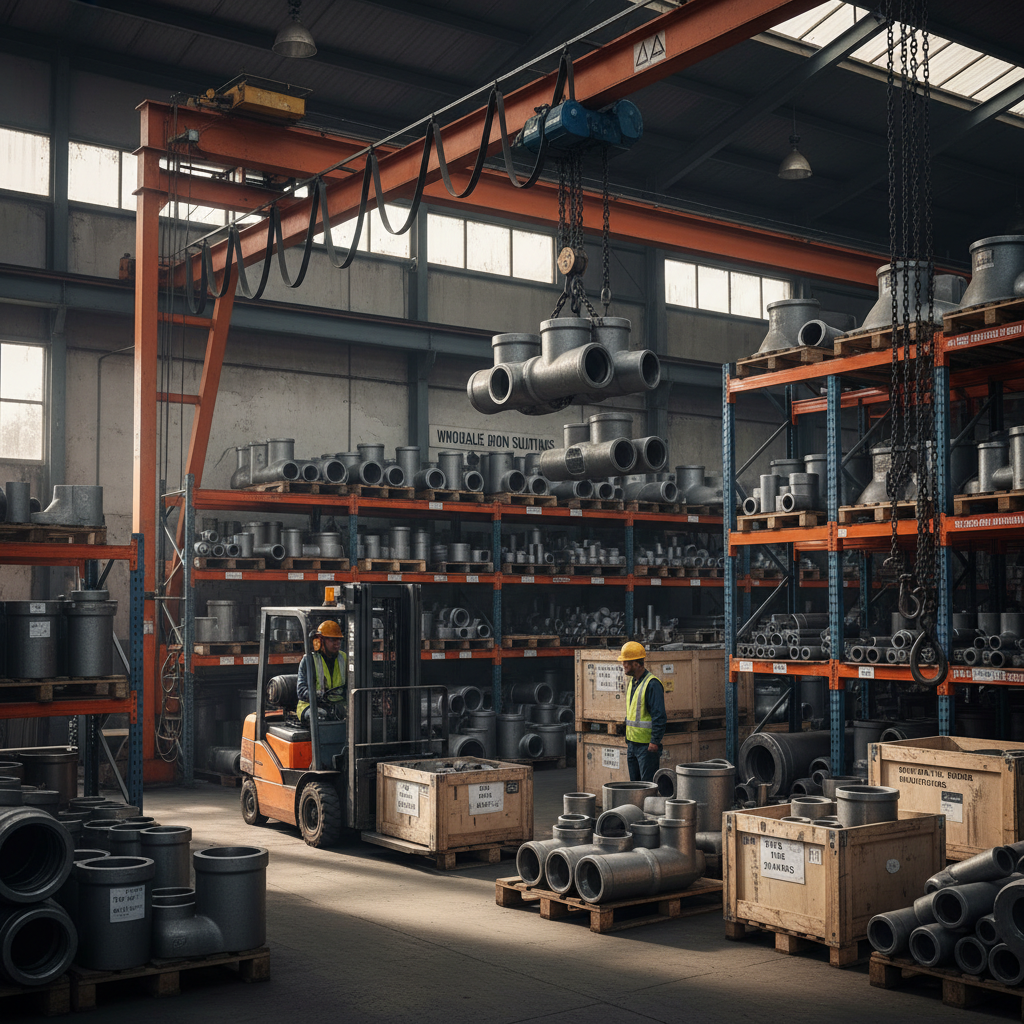
Lastly, managing the storage of large wholesale inventories can lead to surface oxidation if not handled correctly. Implementing climate-controlled warehousing and using vacuum-sealed packaging for coated fittings can prevent premature degradation. By treating the procurement process as a holistic system—from factory verification to warehouse climate control—companies can fully realize the value of bulk purchasing.
Technical Analysis and Comparison of Wholesale Plumbing Fittings Categories
| Fitting Category |
Primary Use Case |
Corrosion Resistance |
Pressure Capacity |
| Bronze Fittings |
Marine/Saltwater |
Excellent |
Medium-High |
| Class 300 Fittings |
Industrial Steam |
Moderate |
Very High |
| Coated Fittings |
Outdoor Piping |
High |
Medium |
| Malleable Iron |
Gas/Water Mains |
Moderate |
High |
| Compression Couplings |
Rapid Deployment |
Moderate |
Medium |
| Quick Connectors |
Temporary Grids |
Moderate |
Low-Medium |
FAQS
The most reliable way to verify quality is to request material test reports (MTRs) and certifications of compliance with international standards such as ASTM or ISO. Additionally, performing a random pressure test on a small sample of the batch can reveal casting flaws or wall-thickness inconsistencies that are not visible to the naked eye.
Class 300 pipe fittings are engineered for significantly higher pressure environments compared to standard (Class 150) fittings. They typically feature thicker walls and reinforced threading to prevent bursting or leaking in industrial applications involving high-pressure steam or chemicals, making them essential for heavy industrial safety.
Yes, especially for components located in crawlspaces, basements, or outdoor areas. While the initial cost is higher, the anti-corrosive layer prevents rust and oxidation, which drastically reduces the likelihood of pinhole leaks and eliminates the need for costly replacement and wall demolition in the future.
Choose bronze fittings when the system will be exposed to saltwater, highly corrosive chemicals, or high-humidity marine environments. While malleable iron is stronger and cheaper for general use, it will corrode quickly in salty air, whereas bronze forms a protective patina that preserves the structural integrity of the joint.
By ordering in bulk, you eliminate the "just-in-time" risk where a single missing elbow or tee can stop an entire crew's progress. Having a standardized inventory of wholesale fittings on-site ensures that installers have immediate access to the necessary components, preventing costly labor downtime.
Compression quick connectors are ideal for systems that require frequent reconfiguration or rapid deployment, such as temporary housing or industrial testing rigs. They allow for a secure, leak-proof seal without the need for welding or complex threading, significantly speeding up the installation process.
Conclusion
In summary, the strategic procurement of wholesale plumbing fittings is far more than a simple cost-saving measure; it is a fundamental aspect of engineering quality and project risk management. From the heavy-duty reliability of Class 300 fittings to the specialized corrosion resistance of bronze, the correct choice of material and the stability of a wholesale supply chain ensure that infrastructure remains safe, durable, and efficient for decades.
Looking ahead, the integration of smarter materials and sustainable manufacturing will continue to redefine the industry. For contractors and distributors, the key to success lies in partnering with manufacturers who prioritize certification and innovation. By investing in high-quality bulk components today, you are securing the long-term viability of your projects and contributing to a safer, more sustainable built environment. Visit our website: www.malleablefitting.com