Selecting the correct plumbing couplings is often the difference between a piping system that lasts for decades and one that requires constant emergency repairs. In industrial and residential infrastructure, the coupling serves as the critical bridge between pipe segments, managing pressure transitions and environmental stressors.
While many view these components as simple connectors, the technical reality involves a complex balance of metallurgy, threading standards, and sealing mechanisms. From malleable iron to high-grade bronze, the choice of material dictates the system's resistance to corrosion and its overall tensile strength.
This guide examines the engineering logic behind coupling selection, focusing on how professional procurement and installation standards ensure leak-proof joints in challenging water transport environments.

The Engineering Logic of Modern Plumbing Couplings

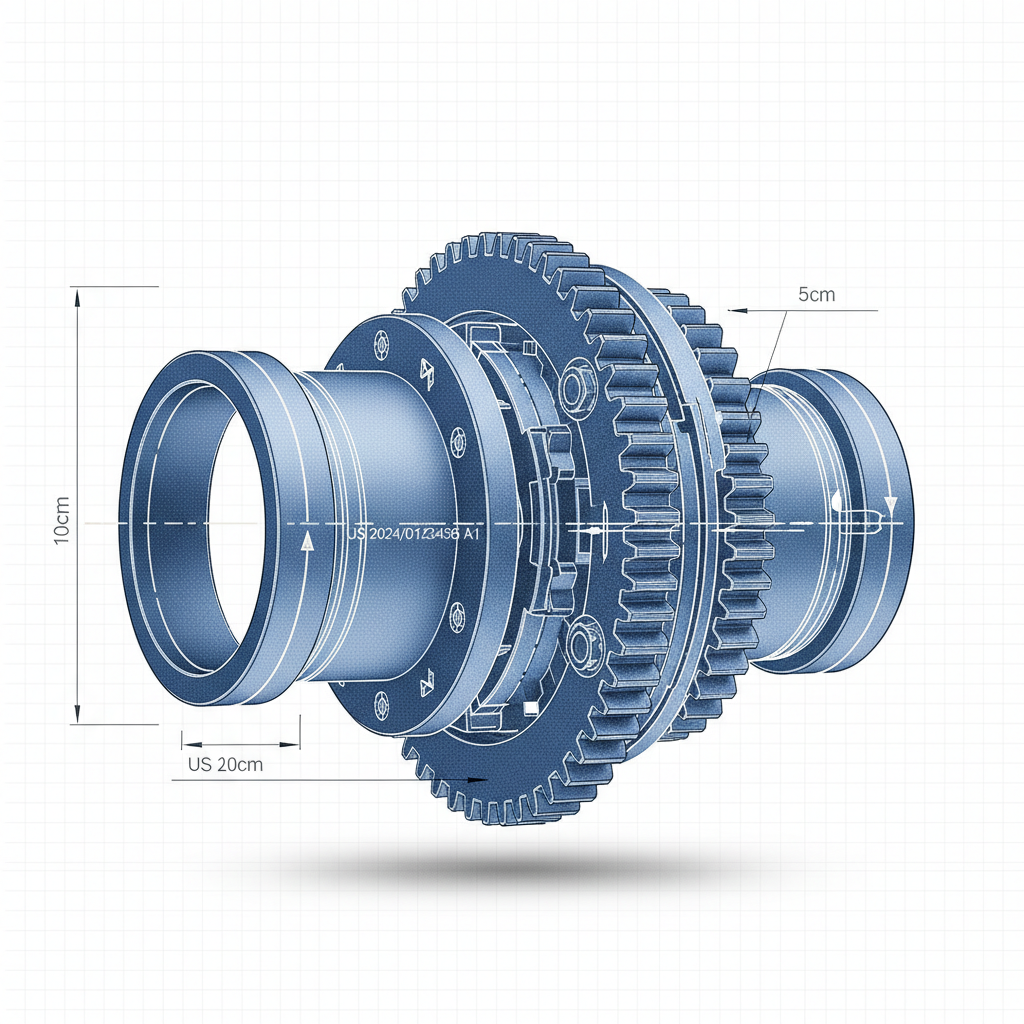
At its core, a coupling is designed to maintain the structural continuity of a pipeline while accommodating the physical limitations of the pipes themselves. Whether utilizing NPT threads conform to ASME B1.20.1 or advanced compression mechanisms, the goal is to eliminate leak paths under varying thermal and pressure loads.
The technical challenge arises from the interaction between the fitting and the pipe material. For instance, using Bronze pipe fittings in saltwater environments prevents the galvanic corrosion that would typically degrade standard steel, ensuring that the joint remains a point of strength rather than a point of failure.
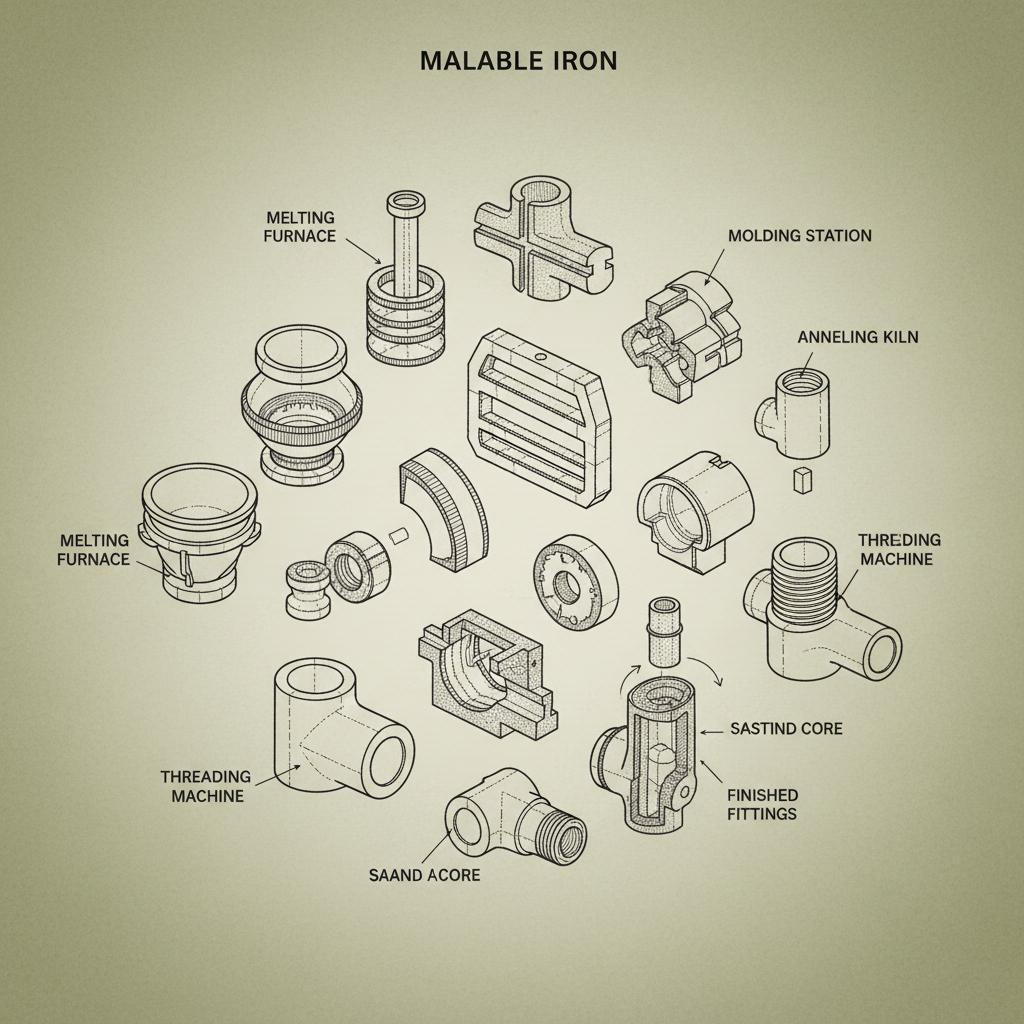
Modern manufacturing has shifted toward strict SOPs, where every single piece is subjected to 100% water pressure testing. This shift from batch sampling to individual verification minimizes the risk of casting defects or threading inaccuracies reaching the field.
Material Synergy and Mechanical Performance Indicators
The mechanical integrity of a joint is governed by the properties of the alloy. Malleable iron provides the necessary toughness and impact resistance for heavy-duty infrastructure, while Bronze (such as ASTM B62 or UNS Alloy C83600) is indispensable for high-corrosion applications.
A minimum tensile strength of 20.0kg/mm and elongation of 20% ensure that the fitting can absorb slight mechanical shifts without cracking. When these metrics are paired with ASME B16.15 Class 125 dimensions, the result is a standardized interface that ensures interoperability across different brands and regions.
Beyond raw strength, the production process—including rotary cooling and precise grinding—eliminates surface imperfections that could act as stress concentrators, significantly extending the service life of the coupling.
Critical Application Scenarios in Water Infrastructure
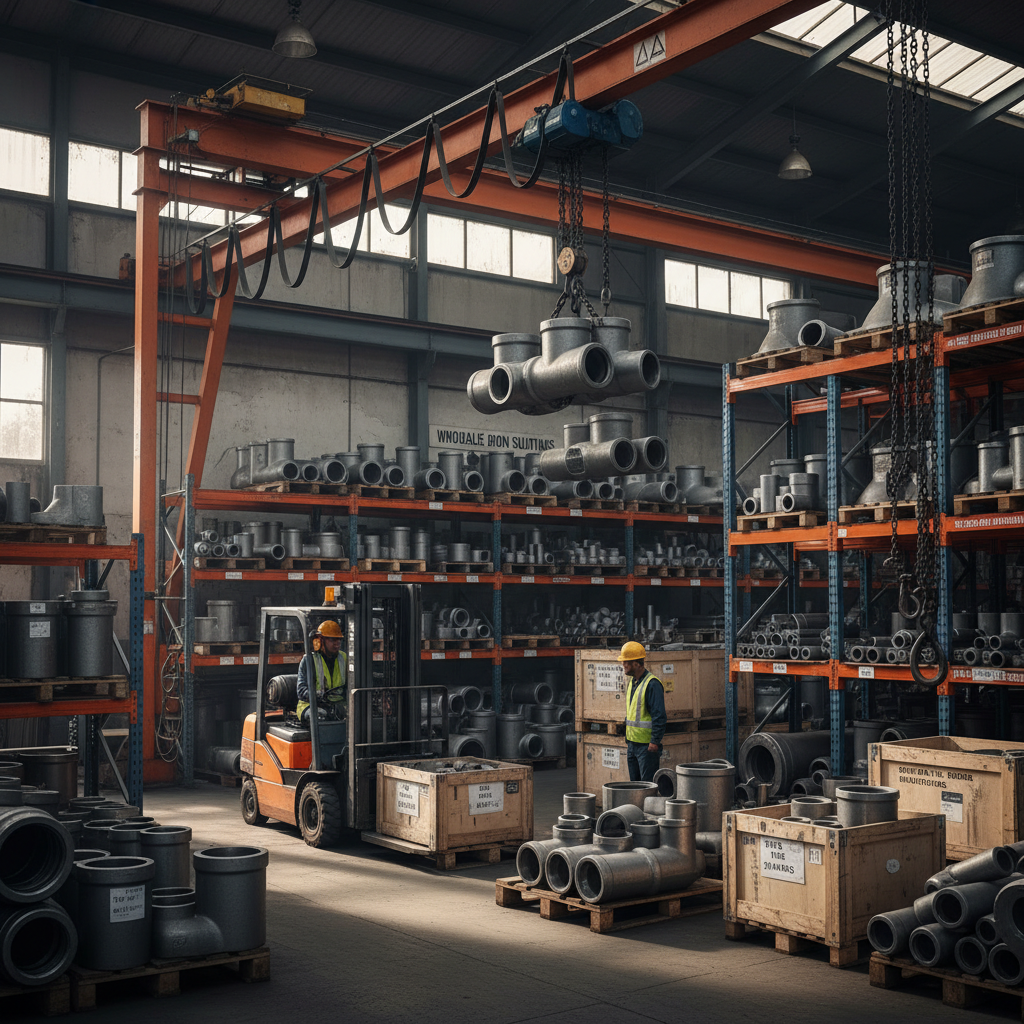
In municipal water jointing, the environment dictates the hardware. For high-pressure main lines, Class 300 Pipe Fittings are utilized to handle the increased load, whereas standard malleable fittings suffice for secondary distribution lines.
Compression couplings are particularly valuable in scenarios requiring rapid deployment or maintenance, as they allow for secure connections without the need for extensive welding or threading in the field. This is critical in emergency repair zones where downtime must be minimized.
Coastal installations and chemical processing plants rely heavily on Coated Pipe Fittings and Bronze variants. These materials withstand the aggressive nature of saline air and industrial effluents, preventing the internal pitting that often leads to systemic leakage in lower-grade alloys.
Evaluating Seal Integrity and Pressure Benchmarks
Quantifying the performance of a coupling requires looking at the failure rate under sustained pressure. Industry benchmarks often show a variance in leak rates between standard casting and precision-automated production lines like the DISA system.
By utilizing automated molding and strict chemical composition controls, manufacturers can achieve a higher consistency in wall thickness, which directly correlates to the fitting's ability to maintain a seal under maximum operating pressure.
plumbing couplings Performance Metrics
The data suggests that when fittings undergo 100% water testing and adhere to ASME standards, the probability of field failure is significantly reduced compared to fittings produced via traditional batch-casting methods.
Procurement Strategies for Industrial Pipe Fittings
For procurement managers, the focus must shift from unit price to Total Cost of Ownership (TCO). A cheaper coupling that fails in year two is exponentially more expensive than a premium fitting that lasts twenty years, especially when considering labor and water loss.
When evaluating suppliers, check for the presence of a complete quality management system. This should include raw material verification, molten iron temperature inspection, and final pressure testing. A factory with a history of over 30 years in casting generally possesses the institutional knowledge to handle complex alloy specifications.
Logistical efficiency also plays a role. Sourcing from manufacturers located near major transport hubs—such as those near Beijing or Tianjin—can drastically reduce lead times and shipping costs for large-scale infrastructure projects.
Future Trends in Metallurgical Coating and Automation
The industry is moving toward a "zero-leak" philosophy, driven by the integration of DISA automated production lines. These systems reduce human error in the molding phase, ensuring that the internal geometry of the coupling is perfectly concentric.
Advanced coatings are also evolving. We are likely to see an increase in hybrid coating systems that combine corrosion resistance with antimicrobial properties, which could be critical for potable water systems in urban centers.
Furthermore, the integration of digital traceability—where each batch of fittings can be traced back to its specific raw material melt—is expected to become a requirement for high-security industrial applications.
Comparative Analysis of Coupling Selection Models
Choosing between different coupling types depends on the intersection of pressure requirements, fluid chemistry, and installation environment. The following matrix provides a decision-making framework for common industrial scenarios.
By analyzing the specific trade-offs between material cost and longevity, engineers can optimize the piping architecture without compromising safety.
| Fitting Type | Primary Material | Best Use Case | Key Limitation |
|---|---|---|---|
| Standard Malleable | Malleable Iron | General Water Lines | Moderate Corrosion Risk |
| Bronze Coupling | ASTM B62/C83600 | Marine/Saline Water | Higher Initial Cost |
| Compression Coupling | Brass/Iron | Rapid Field Repair | Lower Pressure Rating |
| Class 300 Fitting | Reinforced Iron | Industrial High-Pressure | Increased Weight |
| Coated Coupling | Coated Malleable | Corrosive Environments | Coating Wear Over Time |
| Quick-Connect | Alloy Iron | Temporary Piping | Specific Pipe Diameter |
Ultimately, the decision should be based on the specific environmental stressors of the site. For detailed technical specifications and product catalogs, professional buyers can review the information available at www.malleablefitting.com.
Frequently Asked Questions
Conclusion
The integrity of any piping system is only as strong as its weakest joint. By prioritizing material compatibility, adhering to international ASME standards, and insisting on 100% pressure-tested components, engineers can virtually eliminate the risks associated with joint failure.
Whether your project requires the ruggedness of malleable iron or the corrosion resistance of bronze, selecting a partner with deep metallurgical expertise is essential. For those seeking high-standard pipe fittings with proven certifications, further technical data can be found at www.malleablefitting.com.