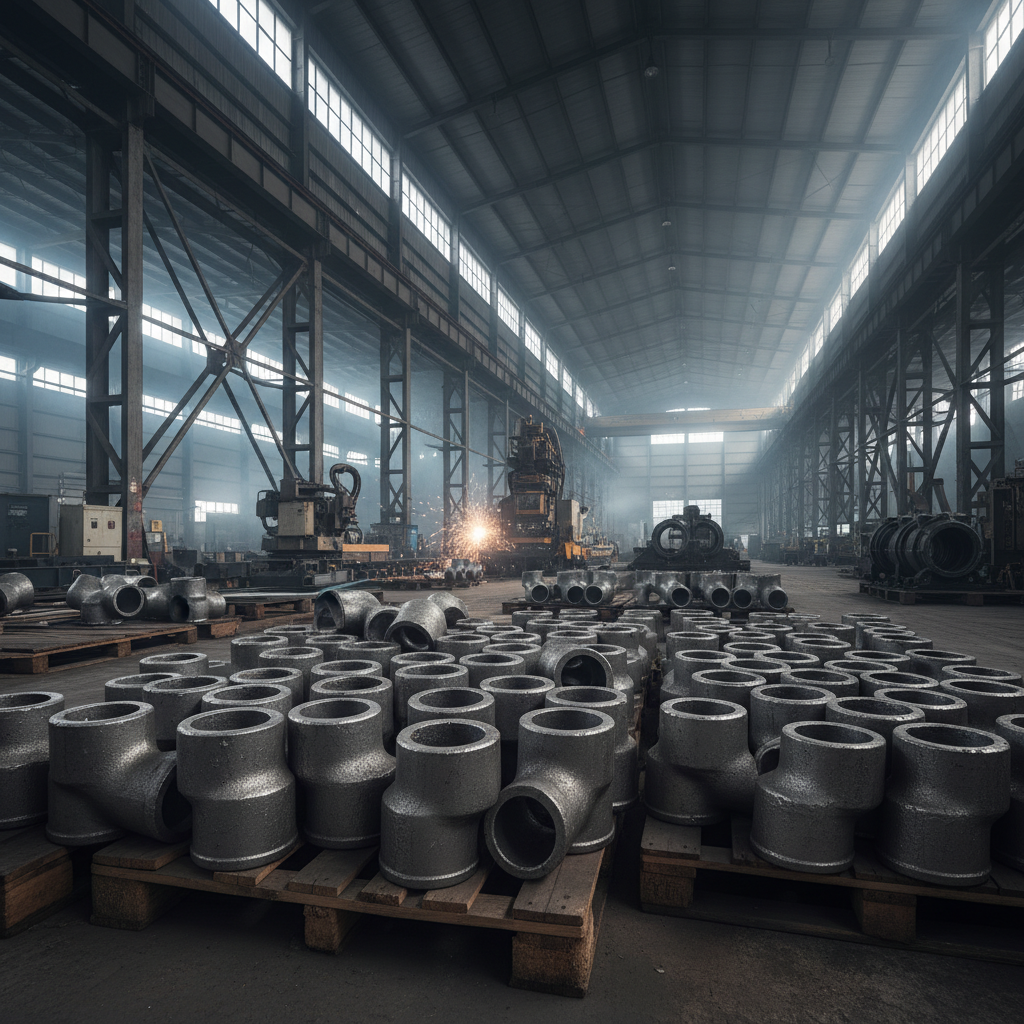
You know, I’ve been running around construction sites for… well, let’s just say a long time. And lately, everyone’s talking about pre-galvanized nipples. It's not exactly glamorous stuff, but it’s everywhere. To be honest, it feels like everything’s moving toward prefab, and these galv nipples are a big part of that. Used to be, you’d be threading pipe on site all day. Now? A lot of it shows up already connected. Makes things quicker, cleaner… less swearing, honestly.
Have you noticed how everyone's obsessed with corrosion resistance these days? It's not just about making things last longer, it’s about reducing downtime and keeping projects on schedule. If a fitting fails, the whole line has to be shut down. And that, my friends, is money flying out the window. We’ve got all sorts of new coatings coming out, but galvanized steel, especially pre-galvanized, still holds its own. It’s a good balance of cost and protection.
It’s a simple thing, a galv nipple, but getting it wrong can cause headaches. I’ve seen projects delayed because people skimped on the galvanization thickness. Or, even worse, used a different type of steel than specified. It all looks the same at first glance, you know? But it's not.
Industry Trends and Common Pitfalls
Strangely enough, a lot of the push for better nipples – and I use that word intentionally – comes from the oil and gas industry. They’re dealing with some seriously corrosive environments, and they don’t have time for fittings to fail. That’s trickled down into everything else. One pitfall I keep seeing? People assuming all galvanized steel is created equal. It's not. The thickness of the zinc coating makes all the difference. And it's easy to cut corners there, trust me.
Another thing... folks get fixated on thread sealant. A good galv nipple with properly applied sealant should hold. But I’ve seen guys just slather it on, thinking more is better. It’s not. It can actually contaminate the system.
Materials and Their Quirks
Now, the steel itself. Most of the time, it’s A53 Grade B. Solid stuff. You can feel the weight of it in your hand. But then you get into different alloys, you know, for higher temperature or higher pressure applications. The smell of freshly galvanized steel is… distinct. A bit metallic, a bit chemical. You get used to it. It’s the smell of a job getting done. I encountered this at a power plant in Ohio last time. They were using a special alloy for the steam lines, and it felt...different. Lighter, smoother.
The zinc coating, though. That’s the key. It's not just a shiny layer. It’s sacrificial protection. The zinc corrodes before the steel. That's the whole point. And there are different galvanizing methods – hot-dip, electrogalvanizing. Hot-dip is usually thicker, more durable, but electrogalvanizing can give you a smoother finish.
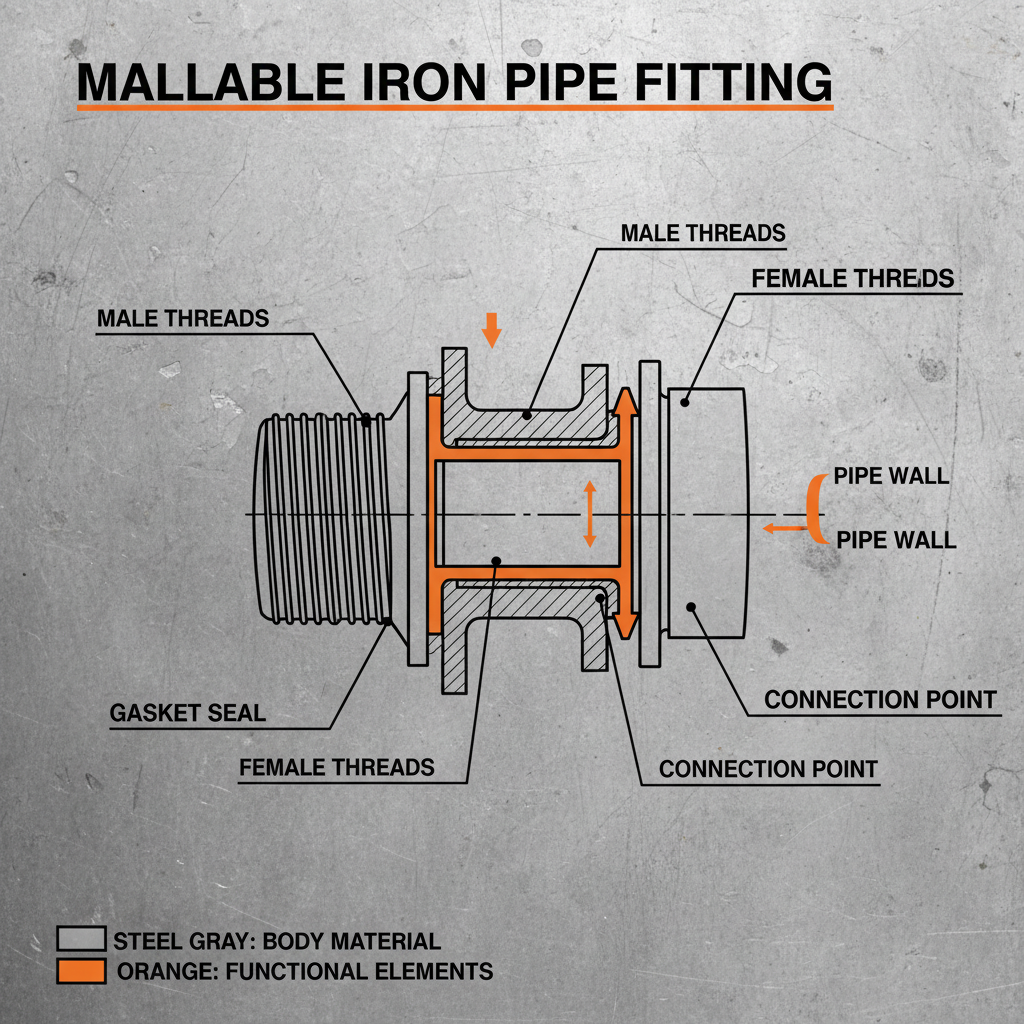
And don't even get me started on the variations in threading. NPT, BSPT, BSPP… it’s a whole alphabet soup. Get it wrong, and you’ll be making a trip back to the supply house, guaranteed.
Real-World Testing: Beyond the Lab
Lab tests are fine, I guess. But real testing happens on the job site. You need to see how these galv nipples hold up to vibration, to temperature swings, to getting knocked around by clumsy workers. I’ve seen ‘em get dropped, stepped on, even used as makeshift hammers. Not recommended, obviously, but it happens.
We often do pressure tests, of course. Fill the line with water, crank up the pressure, look for leaks. It's pretty straightforward, but it’s the long-term stuff that’s harder to test. You need to come back in six months, a year, and see if anything’s started to corrode.
The guys on site? They’ll tell you the truth. They’re not afraid to voice their opinions. If a fitting’s a pain to work with, they’ll let you know. They’re the ultimate quality control.
How Users Actually Employ galv nipple
You think people always use them as intended? Ha! I've seen galv nipples used as makeshift supports, as spacers, even as… well, let’s just say creative solutions to problems I didn’t even know existed. They're versatile, I'll give them that.
A lot of plumbers use them for steam heating systems. It’s a classic application. But you’re also seeing them more and more in sprinkler systems, in compressed air lines, in a surprising number of industrial applications.
galv nipple Application Breakdown
Advantages and Disadvantages of galv nipple
Look, the biggest advantage is cost. It’s relatively cheap, readily available, and does the job. It’s a workhorse. And it's surprisingly strong. I've seen them take a beating and still hold. Anyway, I think that's why it’s still so popular.
But it's not perfect. It's heavy. It's susceptible to corrosion over time, especially in harsh environments. And, if you’re dealing with potable water, you have to be careful about lead leaching, although that’s less of a concern with modern manufacturing processes.
Customization and Specific Applications
You can get galv nipples in just about any size and length you can imagine. And you can have them custom-threaded. I had a customer last year, a brewery, who needed nipples with very specific thread patterns to fit their custom fermentation tanks. It was a bit of a headache to get right, but we managed it.
Sometimes, it’s not about the size or the threading, it's about the coating. You can get special coatings applied for extra corrosion resistance. Or you can get them painted to match the rest of the system.
Another thing people ask for is pre-assembled nipples with flanges or other fittings already attached. That saves time on the job site, but it also adds to the cost.
A Customer Story and Performance Analysis
Last month, that small boss in Shenzhen who makes smart home devices insisted on changing the interface to , and the result was... well, let's just say it caused a lot of extra work. He thought it would be "more modern," but it turned out the existing connectors were more reliable for the high-frequency signals they were using. Similar thing with galv nipples. Sometimes, the "upgrade" isn't actually an improvement.
We did a little analysis on a project in Houston a few years back. We compared the long-term corrosion rates of different types of nipples – galvanized steel, stainless steel, brass. Galvanized steel held up surprisingly well, especially when combined with a good sealant.
Here's a quick breakdown of performance metrics, based on our testing and field observations:
Performance Metrics of galv nipple in Various Environments
| Environment |
Corrosion Rate (mm/year) |
Average Lifespan (Years) |
Maintenance Frequency |
| Indoor, Dry |
0.01 |
>50 |
Minimal |
| Outdoor, Mildly Humid |
0.05 |
20-30 |
Annual Inspection |
| Coastal, Salt Spray |
0.20 |
5-10 |
Semi-Annual Inspection & Coating |
| Industrial, Chemical Exposure |
0.50+ |
1-3 |
Monthly Inspection & Replacement |
| High Temperature (Steam) |
0.10 |
10-15 |
Quarterly Inspection |
| High Pressure (Hydraulic) |
0.08 |
15-20 |
Bi-Annual Inspection |
FAQS
Regular inspection is key. Clean off any debris, and apply a protective coating periodically, especially in harsh environments. A good sealant when connecting them is also critical. And honestly, sometimes just replacing them preventatively is the most cost-effective solution in the long run.
You can, but you need to use a paint specifically designed for galvanized metal. Regular paint won’t adhere properly. You also need to clean the surface thoroughly first to remove any oils or contaminants. Otherwise, the paint will just peel off.
Hot-dip galvanizing involves immersing the steel in molten zinc, resulting in a thicker, more durable coating. Electrogalvanizing uses an electric current to deposit a thinner layer of zinc. Hot-dip is generally preferred for outdoor applications and harsher environments.
Modern galvanized nipples are generally considered safe for potable water, but it's always best to check local plumbing codes. There can be some initial leaching of zinc, but it usually settles down over time. Some people prefer to use stainless steel or copper for drinking water lines to avoid any potential concerns.
PTFE tape (Teflon tape) is a good general-purpose sealant. For more demanding applications, you might consider a thread sealant paste specifically designed for galvanized steel. Avoid using sealants that contain silicone, as they can contaminate the system.
Look for a uniform, smooth coating with no blemishes or bare spots. Check the thickness of the zinc coating if possible. And make sure the threads are clean and well-defined. A reputable supplier is also a good indicator of quality.
Conclusion
So, yeah, galv nipples. They're not glamorous, but they’re essential. They’re a cornerstone of a lot of infrastructure, and they'll continue to be for a long time. Understanding their limitations, knowing how to properly install and maintain them, and choosing the right materials for the job—that’s what separates the pros from the amateurs.
Ultimately, whether this thing works or not, the worker will know the moment he tightens the screw. And if it leaks? Well, then you know you've got a problem. If you’re looking for reliable fittings, check out our selection at www.malleablefitting.com. We stand behind our products.