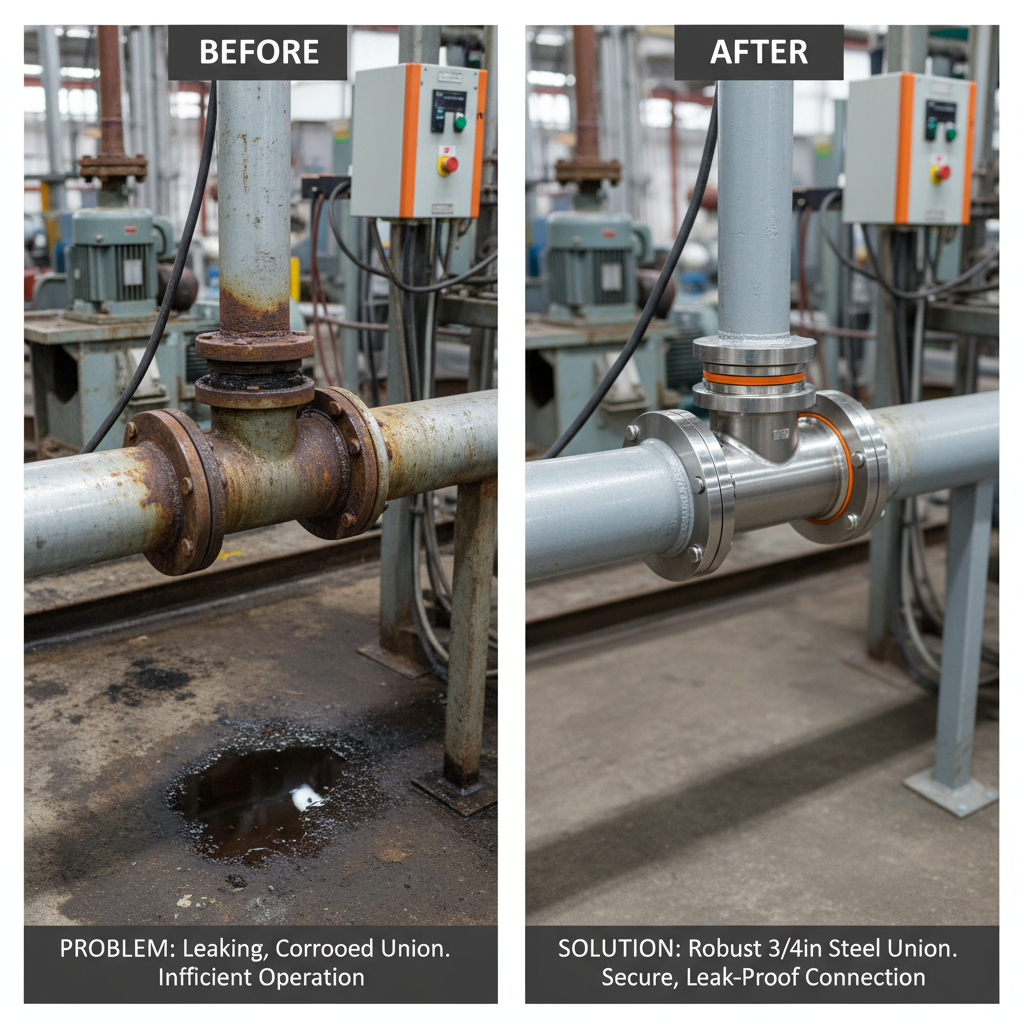
In the complex architecture of fluid transport, the plumbing tee fitting serves as a critical junction, enabling the efficient redirection and branching of pipelines. Whether in residential plumbing or high-pressure industrial systems, the ability to split a single flow into two separate directions—or combine two flows into one—is fundamental to the functionality of any hydraulic network. Understanding the nuances of these components is essential for ensuring system integrity and preventing costly leaks.
Across the global manufacturing landscape, the demand for high-quality pipe connections has surged as urban infrastructure expands. Modern engineering relies on the precision of the plumbing tee fitting to maintain consistent pressure and flow rates, which are vital for everything from municipal water distribution to complex chemical processing plants. The choice of material, from malleable iron to bronze, directly impacts the longevity and safety of the entire installation.
By optimizing the selection and installation of these fittings, engineers can significantly reduce material waste and operational downtime. This guide provides a comprehensive exploration of the technical specifications, global applications, and future innovations surrounding the plumbing tee fitting, offering professionals the insights needed to implement sustainable and reliable piping solutions in an increasingly demanding industrial environment.
Global Relevance of Plumbing Tee Fitting
The global plumbing and piping market is intrinsically linked to the rise of urbanization and the stringent requirements of ISO standards. As cities grow vertically and horizontally, the complexity of water distribution networks increases, making the plumbing tee fitting an indispensable component for directing resources to diverse points of use. Statistics indicate that infrastructure upgrades in developing regions often focus on replacing outdated connections with high-pressure rated fittings to reduce water loss.
The primary challenge facing the industry is the balance between cost-efficiency and durability. In many regions, the use of substandard fittings leads to systemic failures, resulting in significant economic losses and environmental hazards. By implementing precision-engineered malleable iron or bronze tee fittings, industries can ensure that their fluid transport systems withstand extreme temperature fluctuations and corrosive environments, aligning with global sustainability goals.
Defining the Plumbing Tee Fitting in Modern Industry
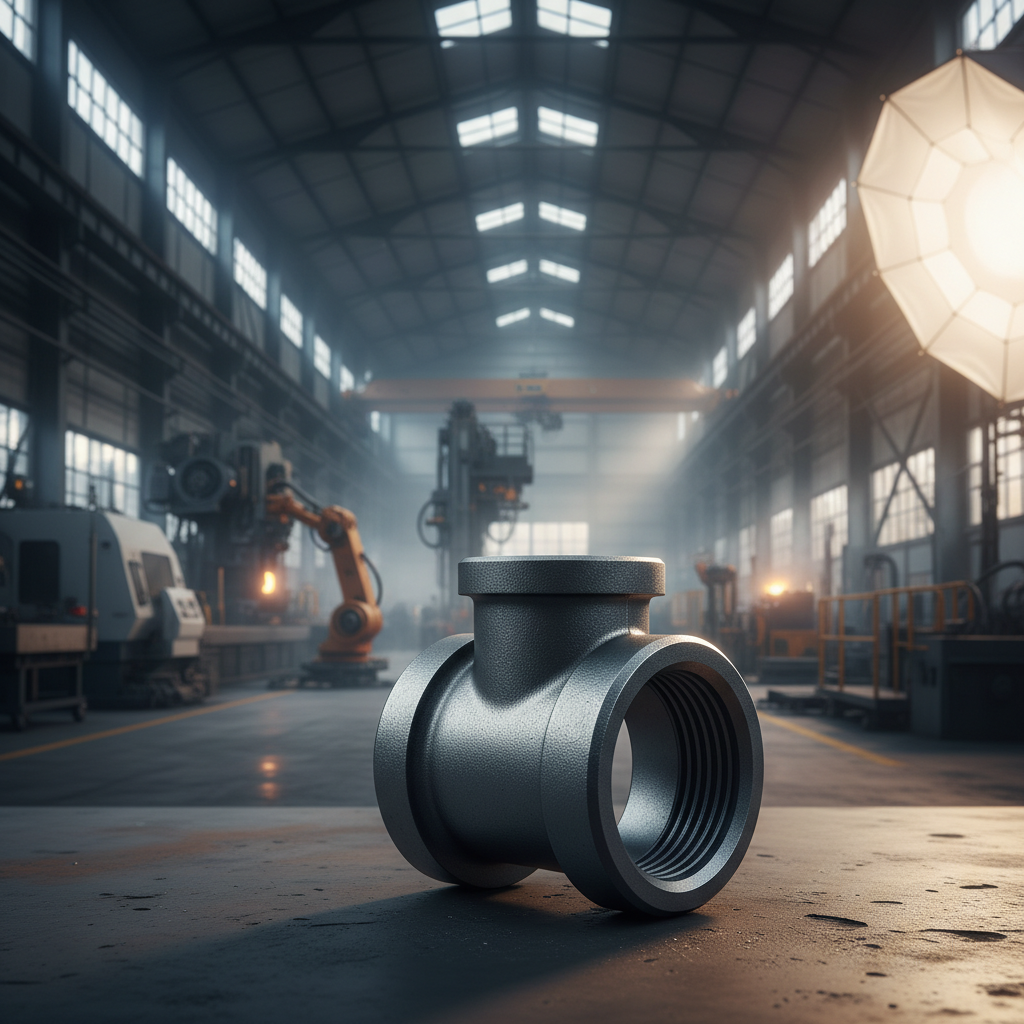
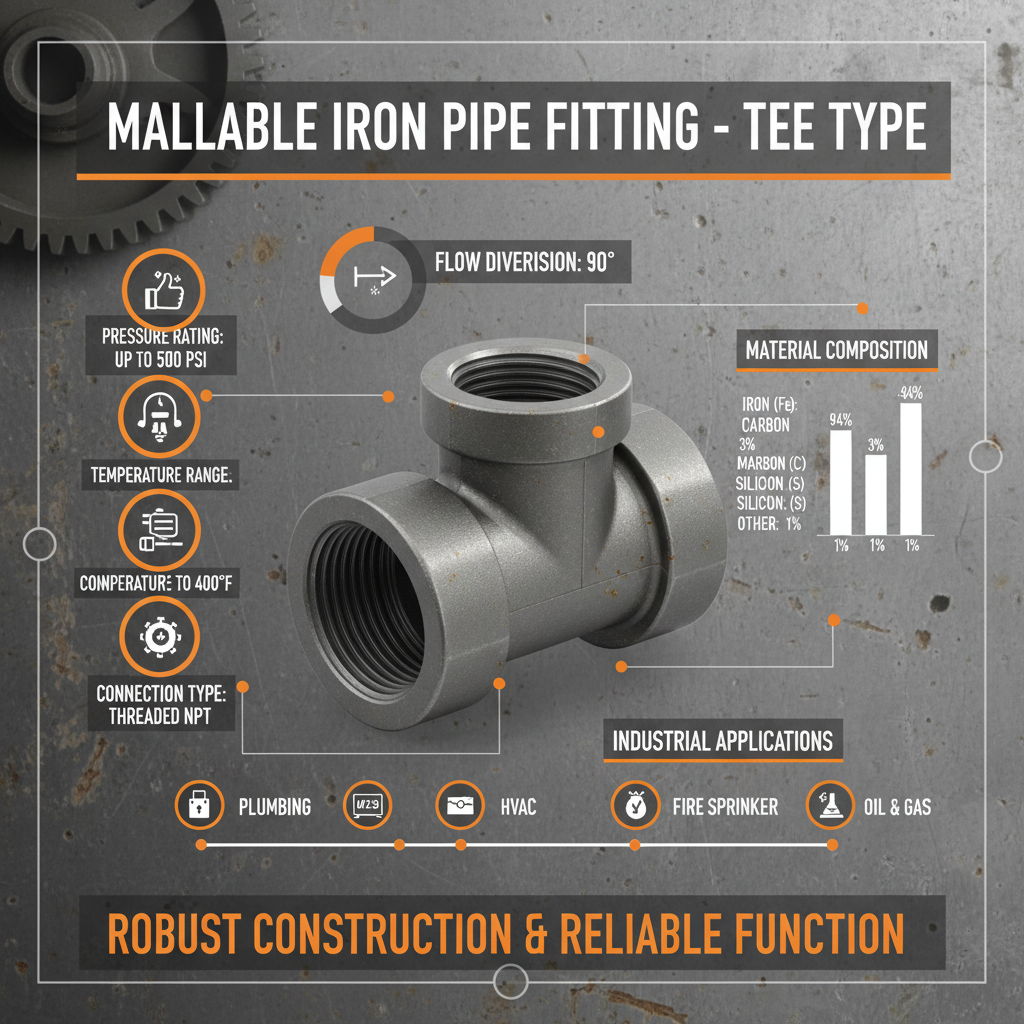
In its simplest form, a plumbing tee fitting is a T-shaped component used to connect three pipes. It typically consists of a "run" (the straight section) and a "branch" (the perpendicular section), allowing fluid to flow in two different directions or combining two streams into one. While it sounds straightforward, the engineering behind the wall thickness and thread precision is what determines the fitting's ability to handle specific pressure classes, such as Class 300.
Beyond simple residential use, these fittings are the backbone of humanitarian efforts and industrialization. In the deployment of rapid-response water stations in disaster-hit areas, the ease of assembly provided by standard malleable iron tee fittings allows for the quick establishment of potable water networks. This intersection of basic geometry and advanced metallurgy ensures that essential resources can be diverted where they are most needed without the need for complex custom fabrication.
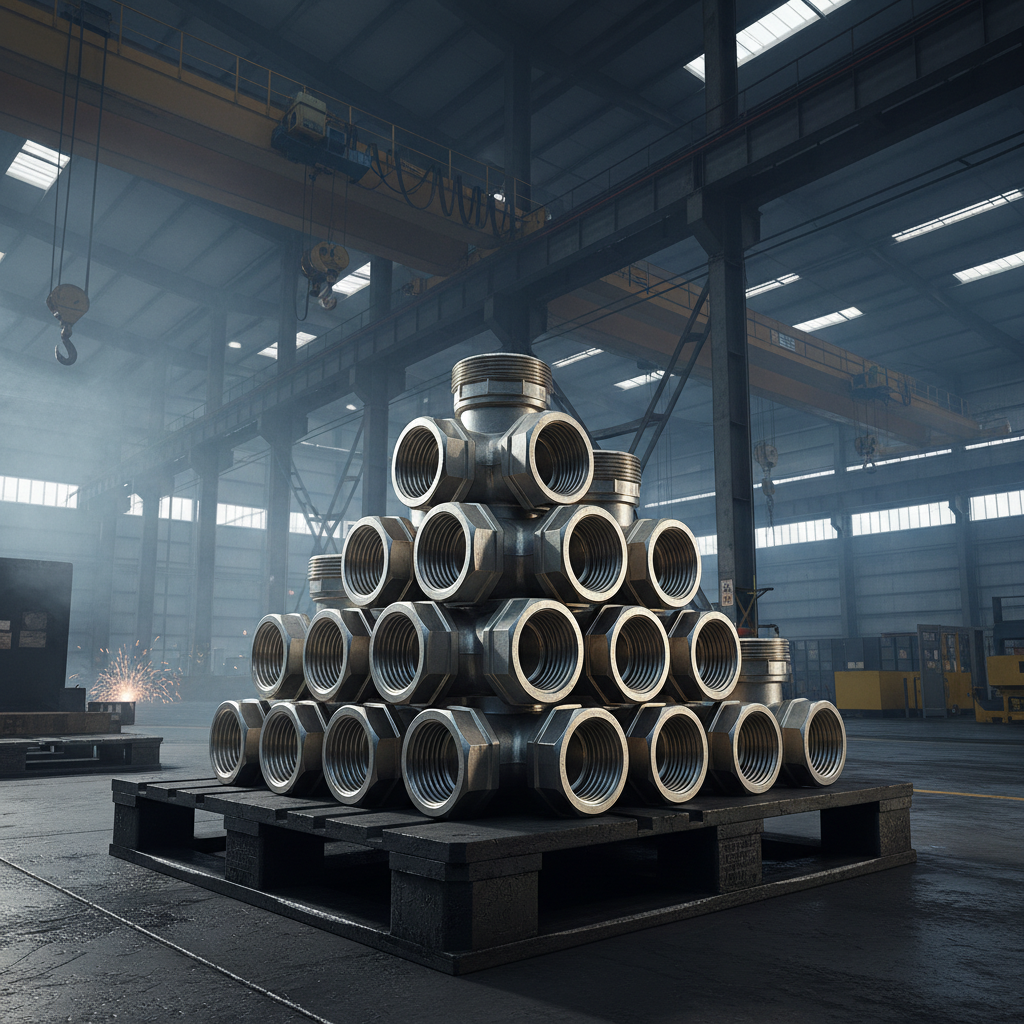
Moreover, the evolution of the plumbing tee fitting reflects the broader shift toward modularity in construction. By utilizing standardized sizes and threading, these components allow for interchangeable parts across different brands and regions, fostering a globalized supply chain that supports everything from small-scale workshops to massive petrochemical complexes.
Core Factors Influencing Fitting Performance
Durability is the foremost consideration when selecting a plumbing tee fitting. The material composition—whether it be coated malleable iron for corrosion resistance or bronze for saltwater environments—determines the fitting's lifespan. High-grade materials prevent the degradation of the internal walls, ensuring that the flow remains smooth and free from debris over decades of service.
Pressure scalability is equally critical. A plumbing tee fitting must be rated for the maximum surge pressure of the system it inhabits. For instance, Class 300 pipe fittings are designed to handle significantly higher loads than standard residential fittings, making them the preferred choice for steam lines or industrial hydraulic systems where a failure could lead to catastrophic safety risks.
Finally, installation precision and cost-efficiency play a role in the overall project ROI. The use of compression couplings and quick-connecting malleable iron fittings reduces the labor hours required for installation. When a plumbing tee fitting is engineered for a perfect seal, it minimizes the need for excessive sealant or repeated adjustments, lowering the total cost of ownership for the facility manager.
Global Applications and Real-World Use Cases
The application of the plumbing tee fitting spans across diverse geographical and industrial landscapes. In the oil and gas sectors of the Middle East, high-pressure coated fittings are used to divert crude oil and natural gas through vast pipeline networks. The ability of these fittings to resist extreme heat and chemical corrosion is paramount in maintaining the continuity of global energy supplies.
In contrast, in the agricultural zones of Southeast Asia, bronze and malleable iron tee fittings are used in complex irrigation systems. These systems rely on the plumbing tee fitting to distribute water from a primary main line to multiple smaller lateral lines, ensuring that crops receive precise hydration. This scalability allows farmers to expand their acreage without needing to overhaul the entire water infrastructure.
Performance Analysis of Various Plumbing Tee Fitting Types
Tangible Advantages and Long-Term Value
The implementation of a high-quality plumbing tee fitting provides immediate logical benefits, primarily in terms of safety and reliability. By eliminating potential leak points through precision threading and high-grade alloys, facility operators can reduce the risk of water damage and industrial accidents. This reliability translates into trust for the end-user, knowing that the infrastructure supporting their daily needs is secure.
From a sustainability perspective, the long-term value of utilizing durable fittings like those made from bronze or coated iron is substantial. These materials have a longer lifecycle, which means fewer replacements and less landfill waste over the decades. Moreover, the energy efficiency gained from reduced friction and optimized flow paths within a well-chosen plumbing tee fitting helps reduce the pumping energy required to move fluids, lowering the overall carbon footprint of the operation.
Future Trends and Material Innovations
The future of the plumbing tee fitting is being shaped by the integration of "smart" materials and advanced coatings. We are seeing a rise in nanotechnology-based coatings that provide unprecedented resistance to bio-fouling and corrosion, extending the life of fittings in extreme chemical environments. These innovations ensure that the internal diameter of the fitting remains unobstructed, maintaining peak efficiency for longer periods.
Digital transformation is also touching the world of pipe fittings through the use of 3D printing for rapid prototyping and custom geometries. While mass-produced malleable iron fittings remain the industry standard, additive manufacturing allows for the creation of a plumbing tee fitting with internal flow-optimizing vanes, which can reduce turbulence and pressure drops in high-velocity systems.
Furthermore, the industry is moving toward "green" metallurgy. The production of bronze and iron fittings is becoming more energy-efficient, utilizing recycled scrap metal and low-emission smelting processes. This shift ensures that the plumbing tee fitting not only serves a functional purpose but also aligns with global ESG (Environmental, Social, and Governance) standards.
Overcoming Challenges in Fitting Installation
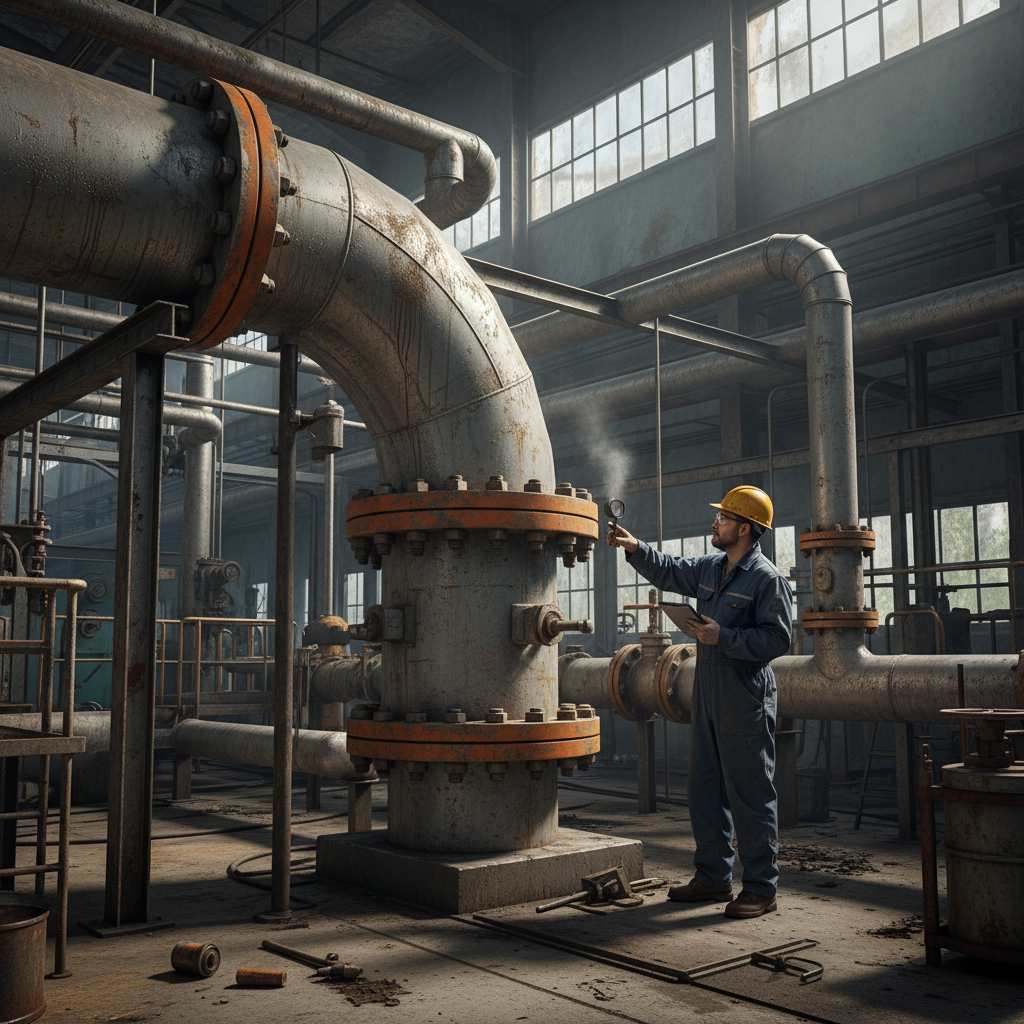
One of the most common challenges in the field is the occurrence of galvanic corrosion, which happens when two dissimilar metals are connected via a plumbing tee fitting. This electrochemical reaction can lead to rapid degradation of the weaker metal, causing unexpected leaks. Expert installers overcome this by using dielectric unions or selecting fittings made from a single, compatible material across the entire system.
Another frequent issue is over-tightening, which can strip the threads of a plumbing tee fitting or crack the body of the fitting. To solve this, the industry has shifted toward the use of calibrated torque wrenches and the adoption of compression-style fittings that provide a secure seal without the risks associated with traditional threading.
Lastly, maintaining flow consistency when branching off a main line requires careful calculation. Using a plumbing tee fitting that is too small for the intended load can create a bottleneck, increasing pressure upstream and causing instability. The solution lies in professional hydraulic modeling and the selection of the appropriate fitting size and class based on the calculated flow velocity.
Comparative Analysis of Plumbing Tee Fitting Materials and Applications
|
Material Type
|
Corrosion Resistance
|
Pressure Rating
|
Primary Use Case
|
| Malleable Iron |
Moderate (Coated) |
High |
General Industrial Piping |
| Bronze |
Very High |
Medium |
Marine & Saltwater Systems |
| Galvanized Steel |
Moderate |
Very High |
High-Pressure Steam Lines |
| Class 300 Iron |
Moderate |
Extreme |
Heavy Industrial Process |
| Stainless Steel |
Excellent |
High |
Pharmaceutical & Food Grade |
| Coated Carbon Steel |
High |
High |
Underground Utility Lines |
FAQS
The primary difference lies in the pressure rating. A standard plumbing tee fitting is typically designed for residential or light commercial use with lower pressure loads. In contrast, a Class 300 fitting has thicker walls and reinforced threading, allowing it to safely handle much higher internal pressures common in industrial steam or hydraulic systems without risking a blowout.
The choice depends on the environment and the medium being transported. Malleable iron is highly cost-effective and strong, making it ideal for general plumbing and industrial use, especially when coated. Bronze is preferred for marine applications, saltwater environments, or where high corrosion resistance is required, as it does not rust like iron does, though it comes at a higher price point.
While technically possible, mixing metals (like copper and galvanized iron) can lead to galvanic corrosion. This happens when two dissimilar metals act as an anode and cathode in the presence of water. To prevent this, we recommend using the same material throughout the system or installing dielectric unions between different metal types to break the electrical circuit.
Look for visible signs of corrosion, such as rust scaling or white powdery deposits (oxidation). Small "weeping" leaks around the threads are also a primary indicator that the seal has failed. In industrial settings, a drop in pressure across the fitting can indicate internal buildup or erosion, suggesting that the plumbing tee fitting should be inspected and potentially replaced.
A threaded fitting requires the pipe ends to be threaded and then screwed into the fitting, often using tape or sealant. A compression plumbing tee fitting uses a compression nut and a ferrule (ring) that is squeezed onto the pipe, creating a watertight seal without the need for threading. Compression fittings are generally faster to install and easier to remove.
Yes, especially in humid or corrosive environments. Coatings (such as galvanization or epoxy) act as a barrier that prevents oxygen and moisture from reaching the base metal. This significantly reduces the rate of oxidation and prevents the internal "pitting" that can eventually lead to pinhole leaks, thereby extending the service life of the fitting by several years.
Conclusion
The plumbing tee fitting is far more than a simple connector; it is a precision-engineered component that ensures the safety, efficiency, and longevity of fluid transport systems worldwide. From the high-pressure demands of industrial plants to the critical needs of municipal water distribution, selecting the right material and pressure class is the difference between a system that lasts for decades and one that requires constant, costly repairs. By focusing on durability, scalability, and proper installation techniques, engineers can build infrastructure that is not only functional but sustainable.
As we move toward a future of smarter materials and greener manufacturing, the role of high-quality fittings will only grow in importance. Investing in certified, high-grade components today prevents the environmental and economic costs of failure tomorrow. For those looking to upgrade their systems or begin a new project with confidence, we recommend sourcing components that meet rigorous international standards. Visit our website for professional guidance and a full range of solutions: www.pannextfittings.com