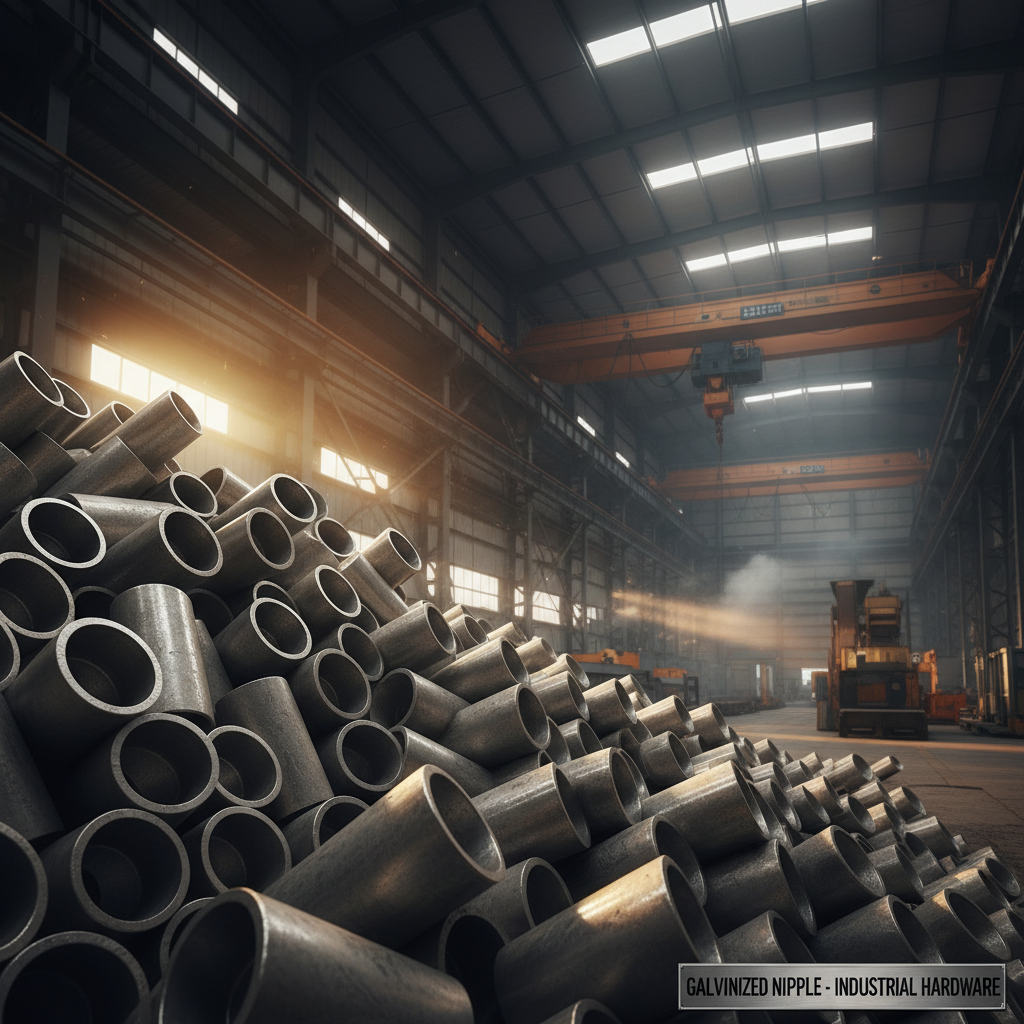
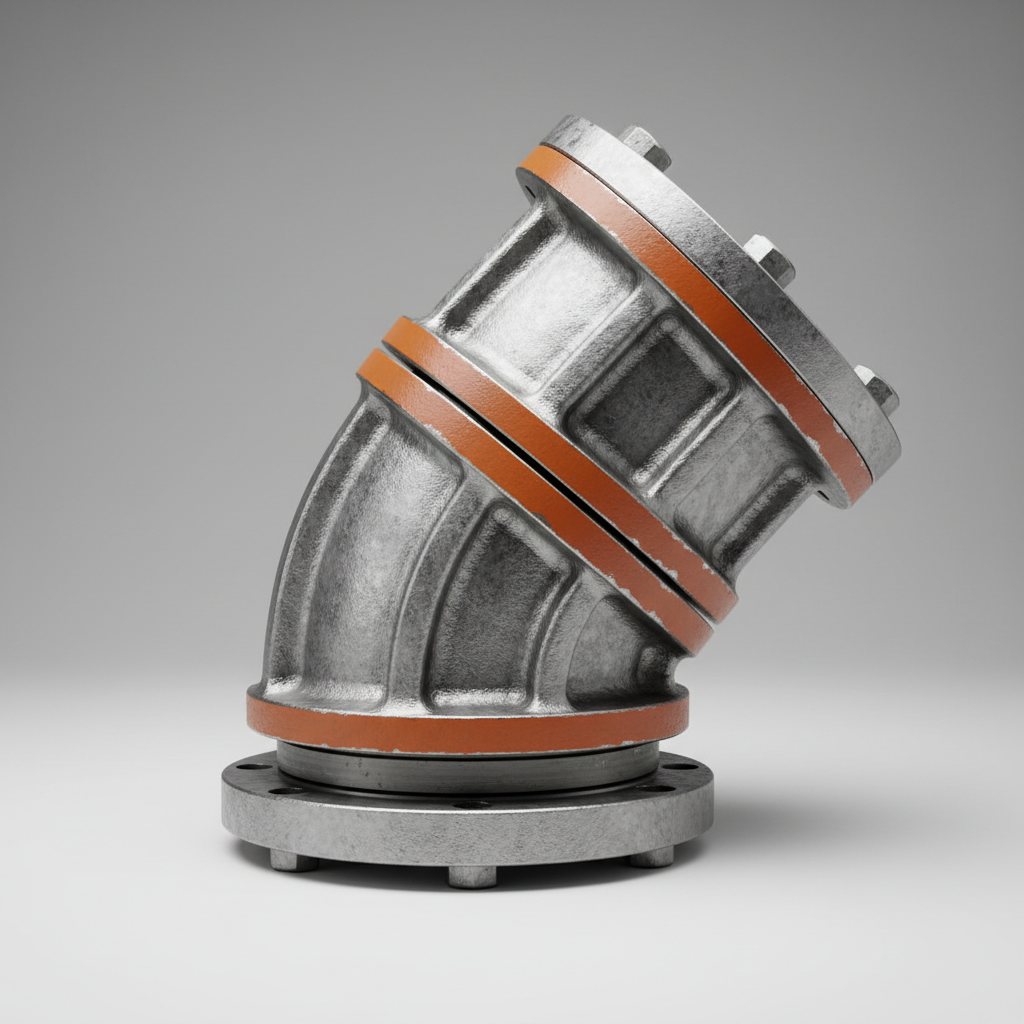
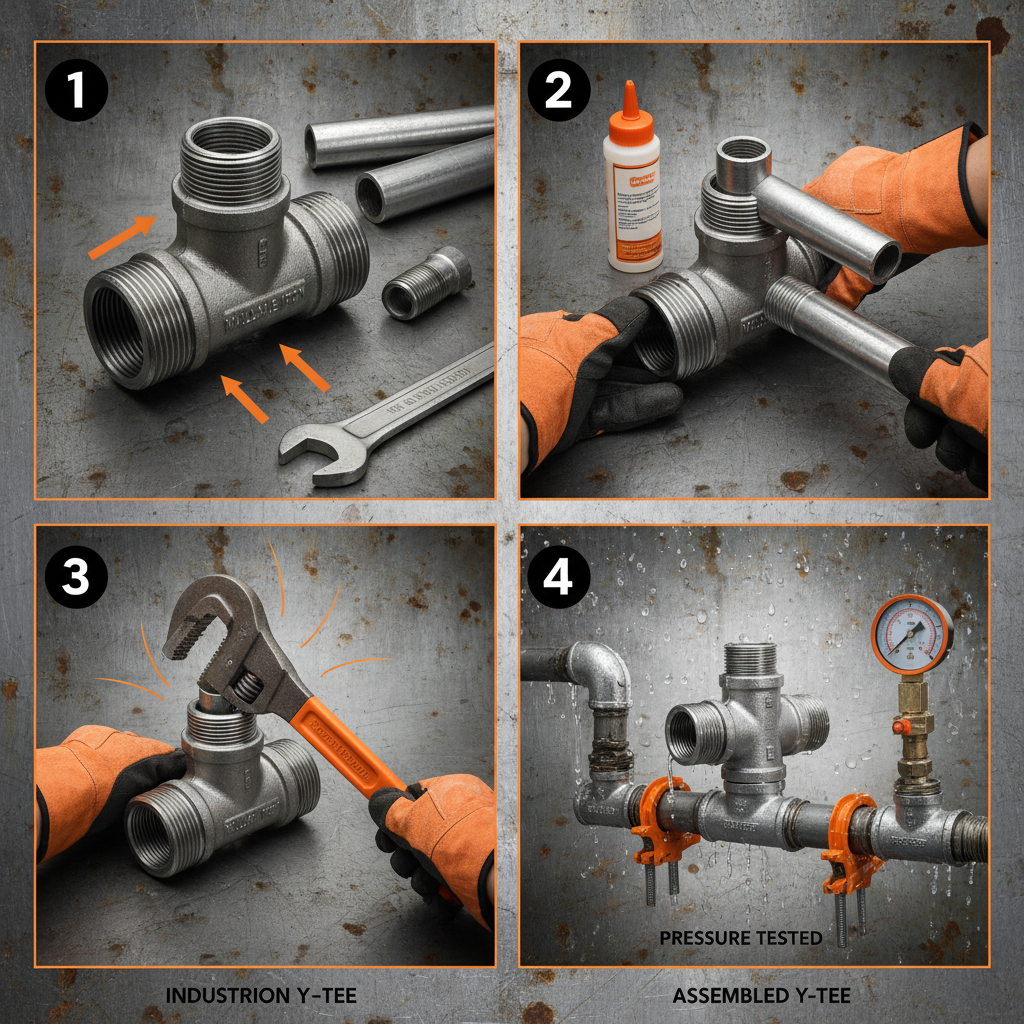
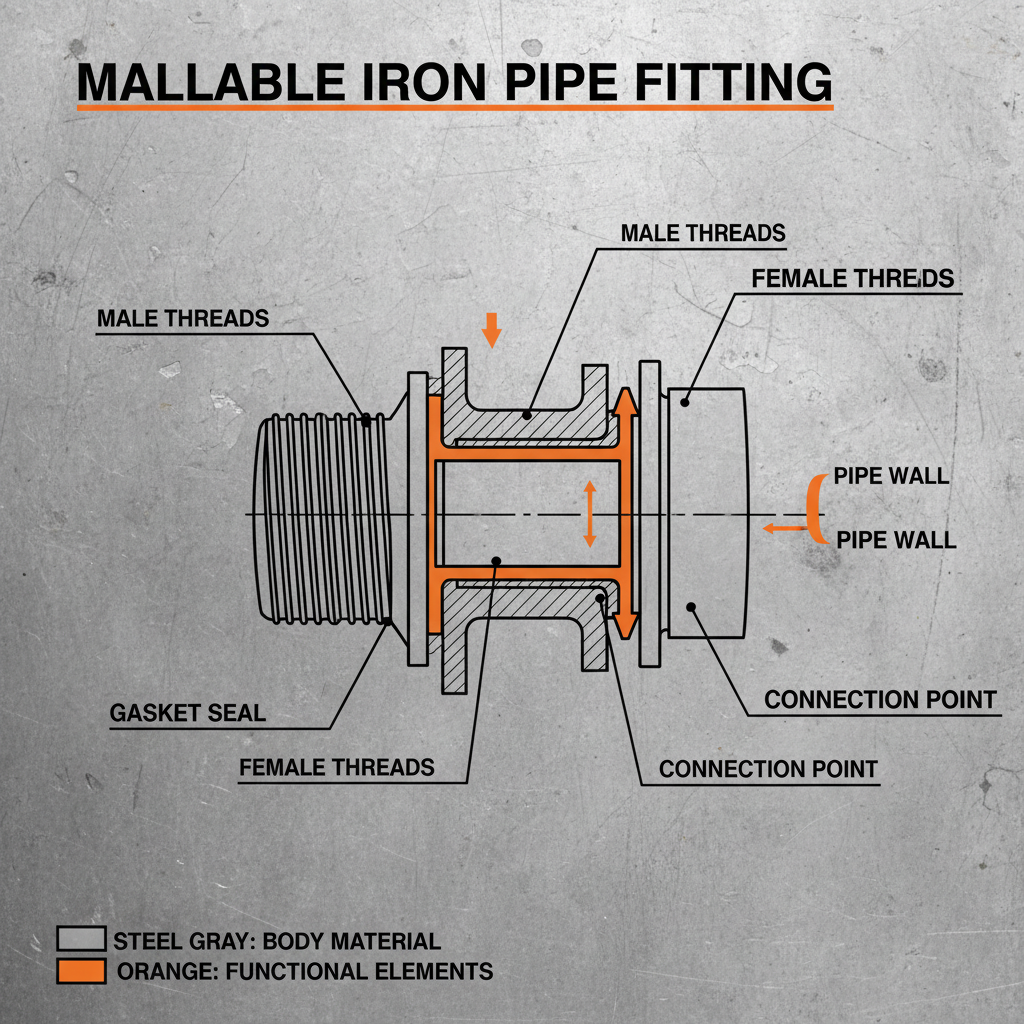
The humble galvanised nipple, often overlooked, plays a crucial role in a vast array of industries and applications worldwide. From plumbing and construction to oil and gas, and even automotive engineering, this small yet vital component ensures secure and reliable connections. Understanding its properties, manufacturing processes, and applications is fundamental to efficient infrastructure development and maintenance across the globe.
The global demand for galvanised nipples is steadily increasing, driven by factors like expanding urbanization, infrastructure projects in emerging economies, and a growing need for corrosion-resistant materials. According to market research reports, the global pipe fittings market, of which galvanised nipples are a significant part, is projected to reach billions of dollars in the coming years. This underscores the critical importance of understanding the intricacies of this often-unseen component.
Ultimately, the reliable connection provided by a galvanised nipple contributes to public safety, economic stability, and the longevity of essential infrastructure systems. Its robust construction and protective coating make it a key element in preventing leaks, maintaining pressure, and ensuring the efficient flow of fluids and gases.
The Importance of Galvanised Nipples Globally
The importance of galvanised nipples extends far beyond simple plumbing. They are fundamental to maintaining the integrity of fluid and gas transfer systems in countless applications. From municipal water supplies to industrial processing plants, these components contribute to the safe and reliable distribution of essential resources. Their widespread use highlights their essential role in modern infrastructure.
Globally, approximately 771 million people lack basic access to water services, and 1.7 billion lack basic sanitation (UNICEF/WHO, 2021). Reliable piping systems, utilizing components like galvanised nipples, are paramount in addressing these challenges and improving public health. Investing in durable, corrosion-resistant materials ensures the longevity and efficiency of these critical systems.
Defining the Galvanised Nipple
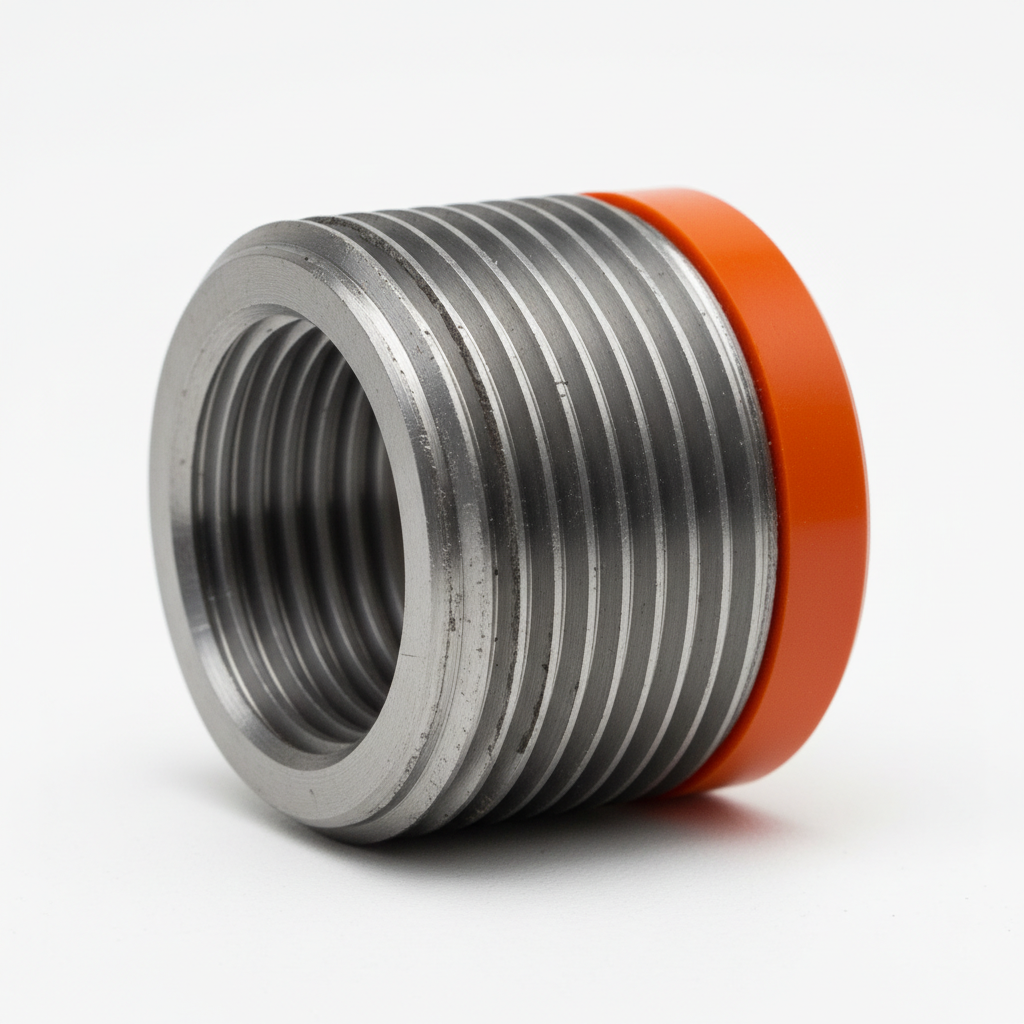
A galvanised nipple is a short piece of pipe, typically made of steel, with male threads on both ends. These threads allow it to be screwed into other fittings, creating a watertight and secure connection. The "galvanised" aspect refers to a zinc coating applied to the steel, providing crucial corrosion resistance.
This protective zinc layer sacrifices itself to corrosion, protecting the underlying steel from rust and extending the lifespan of the connection. This process, known as galvanization, is a cost-effective and reliable method for protecting steel in harsh environments. The nipple’s compact size makes it ideal for tight spaces and complex piping configurations.
In essence, a galvanised nipple acts as a crucial connector, bridging gaps in piping systems and ensuring the safe and efficient transport of fluids and gases. Its simplicity belies its importance; without it, many modern infrastructure systems would be vulnerable to leaks, corrosion, and failure.
Key Characteristics of Galvanised Nipples
The primary characteristic of a galvanised nipple is its corrosion resistance, provided by the zinc coating. However, several other properties contribute to its effectiveness. These include its tensile strength, which determines its ability to withstand pressure; its thread accuracy, ensuring a leak-proof seal; and its dimensional precision, allowing for easy integration into various piping systems.
Furthermore, galvanised nipples are relatively lightweight and easy to handle, simplifying installation and maintenance. They are also available in a variety of sizes and lengths, accommodating a wide range of applications. The manufacturing process, typically involving seamless or welded steel pipes, is subject to rigorous quality control standards to ensure consistent performance and reliability.
The durability of the galvanisation process itself is also critical. The thickness of the zinc coating, measured in microns, directly impacts the nipple’s resistance to corrosion. Standard coatings typically range from 40 to 60 microns, providing adequate protection for most applications.
Performance Metrics of Galvanised Nipples
Evaluating the performance of a galvanised nipple requires considering several key metrics. These include its burst pressure, which indicates its ability to withstand internal pressure before failing; its tensile strength, measuring its resistance to stretching forces; and its corrosion resistance, assessed through salt spray tests or similar methods.
Another crucial metric is thread conformity, ensuring the threads accurately match the required standards (e.g., NPT, BSPT) for a secure and leak-proof connection. Regular quality control checks, including hydrostatic testing, are performed to verify these performance characteristics and ensure compliance with industry standards.
Galvanised Nipple Performance Comparison
Real-World Applications of Galvanised Nipples
The applications of galvanised nipples are incredibly diverse. In the plumbing industry, they are used extensively in residential and commercial water systems, connecting pipes, valves, and fixtures. They are also common in heating, ventilation, and air conditioning (HVAC) systems for refrigerant lines and gas connections.
Beyond these common applications, galvanised nipples find use in industrial settings, such as oil and gas refineries, chemical processing plants, and manufacturing facilities, where they are essential for transporting corrosive fluids and gases. In post-disaster relief operations, their ease of installation and durability make them ideal for quickly establishing temporary water and sanitation systems.
Advantages and Long-Term Value
The advantages of using galvanised nipples are numerous. Their corrosion resistance significantly extends their lifespan, reducing maintenance costs and minimizing the risk of leaks and failures. This durability translates to long-term cost savings and increased system reliability. Their relatively low cost makes them an economically viable solution for a wide range of applications.
Furthermore, the use of galvanised steel contributes to sustainable infrastructure development. The longevity of the material reduces the need for frequent replacements, conserving resources and minimizing waste. The inherent safety and reliability of the connections provide peace of mind and protect public health.
In addition to the practical benefits, the trust associated with a proven and well-established material like galvanised steel offers a psychological advantage. Engineers and contractors rely on its performance characteristics, knowing it will contribute to the overall integrity of the system.
Future Trends in Galvanised Nipple Technology
While galvanisation has been a mainstay for decades, ongoing research and development are exploring innovative ways to enhance its performance and sustainability. One promising area is the development of advanced zinc alloys with improved corrosion resistance and ductility. Another trend is the integration of nanotechnology to create self-healing coatings that can repair minor damage and extend the lifespan of the nipple.
Furthermore, the increasing focus on green building practices is driving demand for environmentally friendly galvanisation processes. Alternatives to traditional hot-dip galvanisation, such as electrogalvanisation and zinc flake coatings, are gaining traction due to their reduced environmental impact. The use of digital technologies, such as predictive maintenance and sensor-based monitoring, will also play a role in optimizing the performance and lifespan of galvanised nipple systems.
The adoption of Industry 4.0 principles, including automation and data analytics, will further enhance the manufacturing process, improving quality control and reducing production costs. These advancements promise to solidify the role of galvanised nipples as essential components in the infrastructure of the future.
Galvanised Nipple Technological Advancements and Their Impact
| Advancement Type |
Impact on Corrosion Resistance |
Impact on Manufacturing Cost |
Implementation Difficulty (1-10) |
| Advanced Zinc Alloys |
Increased by 20% |
Moderate Increase |
6 |
| Nanotechnology Coatings |
Significant Improvement (Self-Healing) |
High Increase |
8 |
| Electrogalvanisation |
Comparable to Hot-Dip |
Moderate Decrease |
5 |
| Zinc Flake Coatings |
Good, Especially in Specific Environments |
Moderate |
7 |
| Automated Quality Control |
Improved Consistency |
Initial Investment, Long-Term Savings |
4 |
| Sensor-Based Monitoring |
Predictive Maintenance, Early Detection of Corrosion |
High Initial Cost |
9 |
FAQS
While both offer corrosion resistance, stainless steel generally provides superior protection, especially in harsh chemical environments. Galvanised steel is more cost-effective for many applications and provides excellent protection against atmospheric corrosion. Stainless steel is also more resistant to abrasion and higher temperatures, but significantly more expensive. The choice depends on the specific application and budget. For general plumbing, galvanised nipples often suffice, while chemical processing plants may require stainless steel for longevity and safety.
A galvanised nipple in a standard plumbing system can last for several decades, often 50 years or more, with proper installation and water quality. However, the lifespan can vary depending on factors such as water pH, chloride content, and the presence of stray electrical currents. Regular inspections and maintenance can help extend the lifespan by identifying and addressing potential corrosion issues early on.
Generally, yes, galvanised nipples are considered safe for drinking water systems, provided they are properly installed and the zinc coating remains intact. However, some concerns exist regarding lead content in the galvanisation process. Modern galvanisation processes typically minimize lead levels, but it's crucial to use nipples that meet relevant safety standards, such as NSF/ANSI 61. Regular water testing is recommended to ensure compliance with drinking water regulations.
Connecting a galvanised nipple to dissimilar metals (e.g., copper) can lead to galvanic corrosion. To mitigate this, use a dielectric union or fitting. These fittings isolate the two metals, preventing the flow of electrons and reducing the risk of corrosion. Additionally, applying a corrosion-inhibiting paste to the threads can provide further protection.
Look for nipples with a smooth, uniform zinc coating, free from blisters, cracks, or bare spots. Check the threads for accuracy and consistency. A reputable manufacturer will typically stamp the nipple with relevant certifications and specifications. Ensure the nipple meets applicable industry standards, such as ASTM standards, for material and coating quality. Also, consider the source; purchasing from a trusted supplier is crucial.
While you can paint over a galvanised nipple, it's important to use a paint specifically designed for galvanised surfaces. Ordinary paints may not adhere properly. Proper surface preparation, including cleaning and priming, is crucial for optimal adhesion and long-term protection. Be aware that painting can potentially compromise the corrosion protection provided by the galvanisation, so consider the application carefully.
Conclusion
In conclusion, the galvanised nipple stands as a testament to simple yet effective engineering. Its corrosion resistance, durability, and cost-effectiveness have made it an indispensable component in a vast range of applications, from basic plumbing to complex industrial systems. Understanding its characteristics, applications, and future trends is essential for professionals and anyone involved in infrastructure development and maintenance.
Looking ahead, continued innovation in galvanisation technology and materials science will further enhance the performance and sustainability of these vital components. Embracing advanced coatings, automation, and digital monitoring will ensure that galvanised nipples remain a cornerstone of reliable and resilient infrastructure for generations to come. Visit our website at www.malleablefitting.com to explore our full range of galvanised fittings and solutions.