To be honest, the whole industry is buzzing about prefabricated stuff these days. Everyone’s talking about speed, efficiency… but have you seen some of these designs? They look great on paper, all clean lines and modularity, but then you get on site and… well, let’s just say reality bites. It’s always the small things, isn't it? A badly placed flange, a connector that doesn’t quite fit… things you wouldn’t catch in the lab.
I’ve spent the last fifteen years crawling around construction sites, and the one thing I've learned is that over-engineering is just as bad as under-engineering. You need something robust, yes, but you also need it to be practical. And that means understanding the materials.
We mostly work with carbon steel for the bulk of our pipe fittings – it’s the workhorse, right? But the quality varies wildly. I encountered a batch at a factory in Ningbo last time where the surface finish was… let's just say it felt gritty. Like rubbing sandpaper. You could smell the impurities. That's a bad sign. Stainless steel, of course, is great for corrosion resistance, but it's expensive and can be a pain to weld. And don't even get me started on plastics – PVC is fine for low-pressure stuff, but you need to be careful about UV exposure. It gets brittle, cracks… a mess.
Industry Trends & Design Pitfalls
Strangely enough, a lot of designers these days haven't actually been on a construction site. They design these beautiful systems, optimized for manufacturability and cost, but they haven't thought about how a guy with a wrench and a limited amount of space is going to assemble it. I’ve seen fittings designed with incredibly tight tolerances that are impossible to assemble without specialized tools. Or threads that are so fine they strip with the slightest over-tightening. Later… Forget it, I won’t mention it. There's a huge push for smaller and lighter, which is good in theory, but sometimes it just means weaker.
And everyone wants everything to be 'smart' now. Integrated sensors, remote monitoring… It’s great, but it adds complexity and another point of failure. Give me a simple, robust connection any day.
Material Matters: A Hands-On Perspective
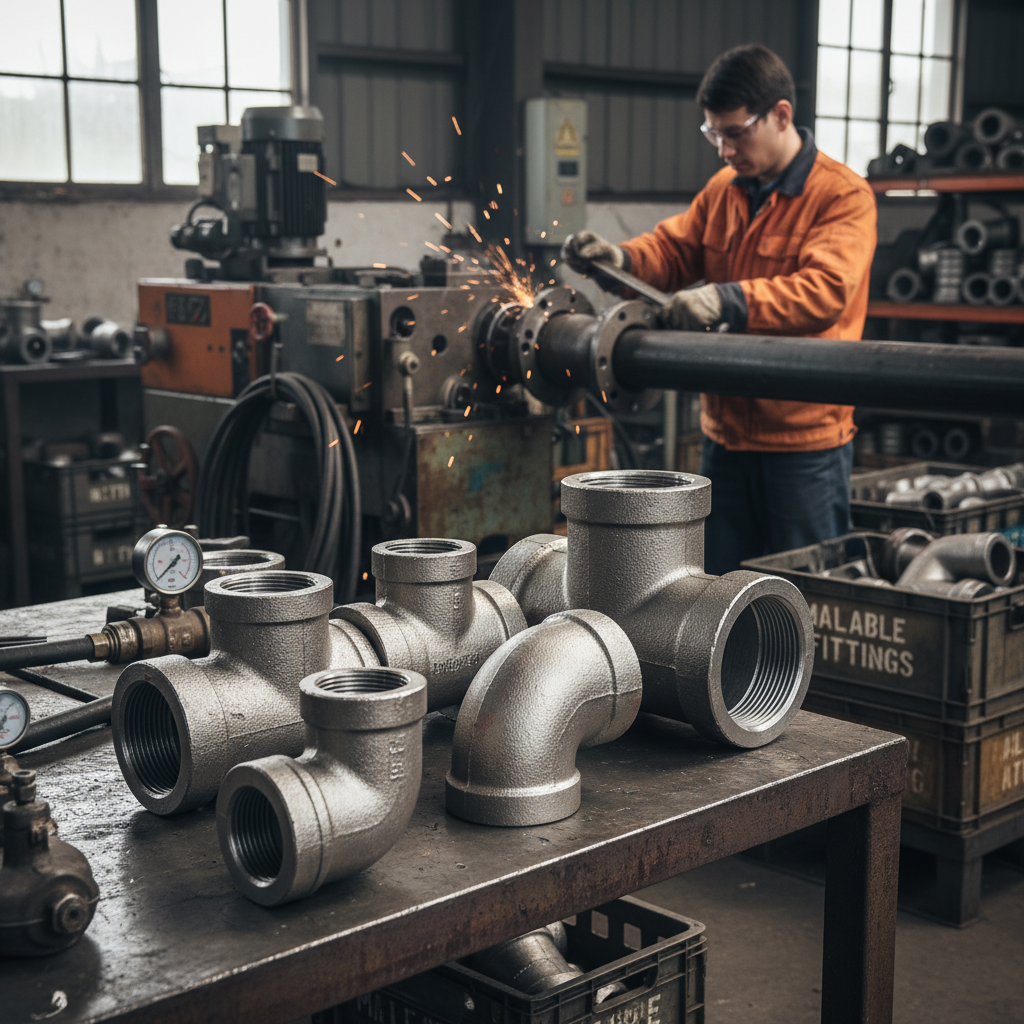
You know, you can read all the material specs you want, but nothing beats getting your hands dirty. We use a lot of ductile iron pipe fittings – it’s strong, malleable, and relatively corrosion-resistant. But you can tell a good casting from a bad one just by the weight and the sound. A good one will have a deep, resonant ring when you tap it. A bad one will sound…dull. We had a batch of bronze fittings come in a while back that just felt wrong. The surface was pitted, and it didn't have the heft you'd expect. Turned out they'd cut corners on the alloy composition.
The smell matters too. Honestly. Bad welding fumes, cheap plastic smells… they're warning signs. And the finish. A smooth, consistent finish means they've taken care in the manufacturing process. Rough, uneven finishes? Probably corners cut somewhere. You need to be able to rely on that, you know? The stakes are too high.
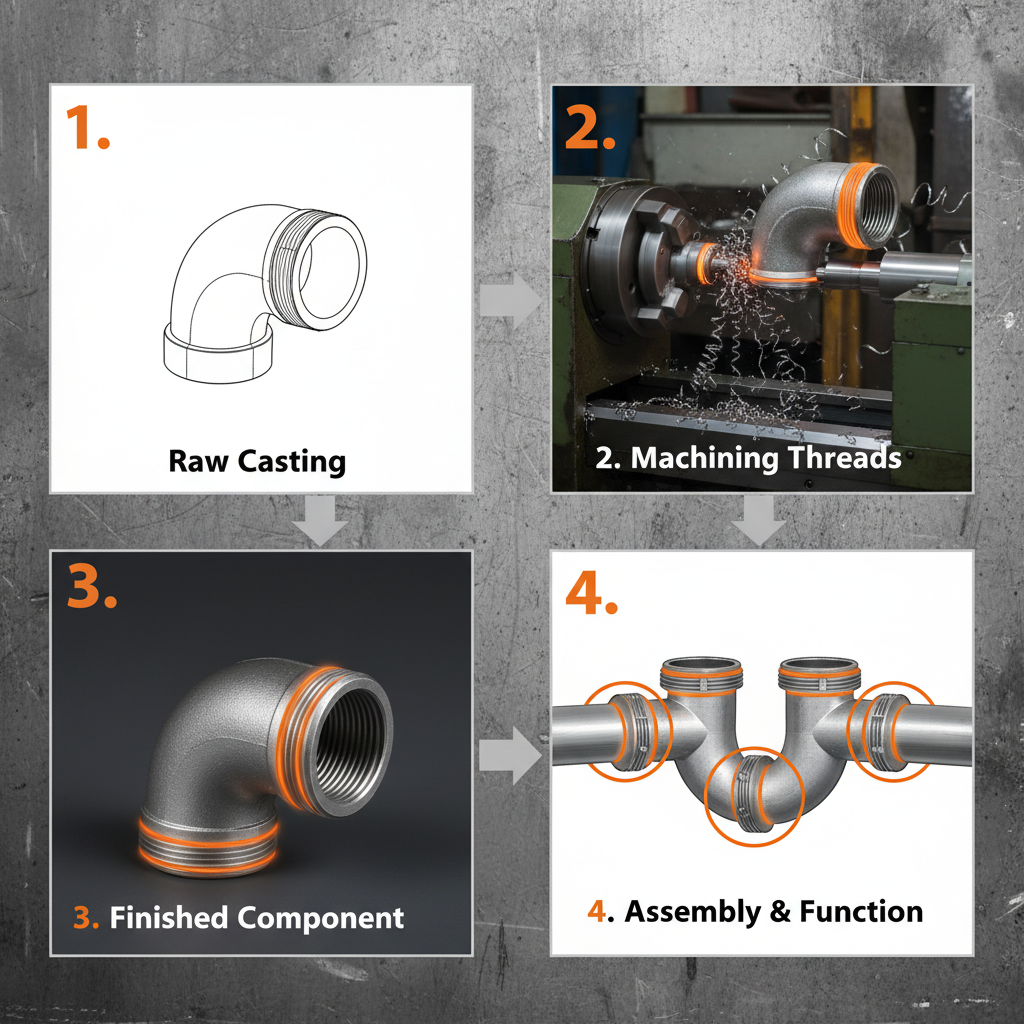
And it’s not just about the material itself, it’s about how it's treated. Proper heat treatment is crucial for steel fittings. It affects the strength, the ductility, everything. We've had issues with fittings that weren't properly quenched, resulting in cracks and failures under pressure.
Real-World Testing & Rigor
Lab testing is fine, I guess. Pressure tests, tensile strength tests, all that. But it doesn’t tell you how something will behave in the real world. We do a lot of our own testing on site, simulating actual installation conditions. That means dropping fittings, banging them with wrenches, exposing them to different temperatures and environments.
I once saw a batch of high-pressure fittings fail spectacularly during a hydrostatic test. The lab tests had all passed, but we’d installed them in a remote location with fluctuating temperatures. Turns out the material was susceptible to thermal fatigue. We caught it before it caused a major problem, but it was a close call. That's why we rely on field testing, even if it's a bit…unscientific.
We also send fittings to independent testing labs for verification, but we always supplement that with our own, more practical assessments. You need to see how something behaves when a worker is wrestling with it in less-than-ideal conditions. That’s when you really find out what it’s made of.
How They're Actually Used (The Surprises)
You wouldn't believe some of the things people do with pipe fittings. I once saw a guy use a threaded coupling as a hammer. A hammer! And another time, someone tried to use a flange as a makeshift step. They’re not designed for that, obviously. But it happens.
We design for the intended application, of course, but you have to account for the fact that people will always find creative ways to misuse things. It's why we over-engineer certain components, even if it adds cost. Better to be safe than sorry.
Pipe fittings Misuse Cases
The Good, The Bad, and The Customizable
Our standard fittings are pretty darn reliable – solid construction, good materials, tested thoroughly. The biggest downside? Lead times. We’re constantly struggling to keep up with demand. And sometimes, you need something just a little bit different. A different thread size, a special coating, a custom flange… That's where customization comes in. We can handle a lot of it, but it adds cost and time, obviously.
We did a special run of stainless steel fittings with a PTFE coating for a customer working in a highly corrosive environment. It wasn’t cheap, but it saved them a fortune in maintenance and downtime. That's the kind of value we try to provide. It’s not always about the cheapest price; it’s about finding the right solution for the job.
A Customer Story: Troubles
Last month, that small boss in Shenzhen who makes smart home devices insisted on changing the interface to on some of his pipe fittings. He thought it would be more "modern" and appeal to a younger demographic. We tried to explain that connectors aren't designed for high-pressure applications, and that the vibration and stress would likely cause them to fail. But he wouldn't listen.
He ordered a batch anyway. And, predictably, they started failing within a week. The connectors were cracking under the strain. He called us up, furious, demanding a refund. We explained that we’d warned him, but he wasn't happy. Eventually, we worked out a compromise – we replaced the connectors with a more robust design, at his expense. It was a headache, but it was a valuable lesson. Sometimes, you have to let the customer learn the hard way.
Anyway, I think the most important thing to remember is that even the most innovative designs are useless if they're not practical and reliable.
The Bottom Line: The Worker Knows
We can talk about specs, materials, and testing all day long. We can pore over CAD drawings and run simulations. But at the end of the day, it all comes down to the guy on the job site. He's the one who has to tighten the bolts, connect the pipes, and make sure everything works. And he'll know, instantly, if something is wrong.
Ultimately, whether this thing works or not, the worker will know the moment he tightens the screw. That's why we focus on building products that are easy to use, durable, and reliable. Because in the end, it’s not about what we think is a good product; it’s about what they think.