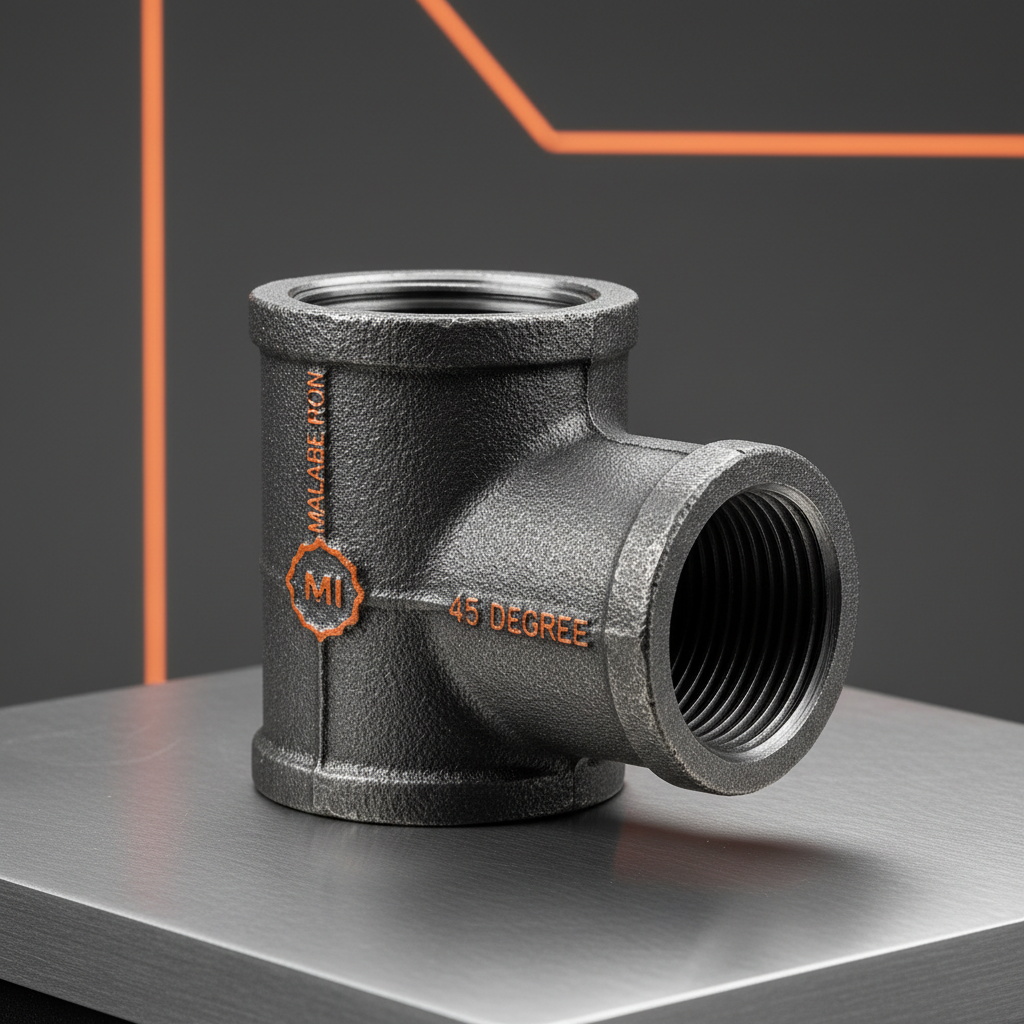
The 45 degree angle elbow, a seemingly simple component, plays a vital role in a vast array of industries globally. Its primary function – to change the direction of flow in piping systems – is fundamental to the efficient transport of liquids and gases. From residential plumbing to large-scale industrial processes, the 45 degree angle elbow ensures the seamless connection and redirection of fluid paths. Understanding its design, materials, and applications is crucial for engineers, technicians, and anyone involved in fluid handling systems.
The global demand for 45 degree angle elbows is directly linked to infrastructure development, industrial growth, and population increases. According to the World Bank, investments in water and sanitation infrastructure are critical for sustainable development, directly impacting the need for robust piping systems and, consequently, components like these elbows. Furthermore, industries like oil & gas, chemical processing, and power generation rely heavily on these fittings to maintain efficient operations, making them indispensable across numerous sectors.
A key challenge addressed by the 45 degree angle elbow is optimizing flow dynamics within a piping network. Unlike sharper angles, a 45 degree bend minimizes flow resistance, reducing energy loss and improving overall system efficiency. This is particularly important in applications where maintaining pressure and flow rate are critical, such as in complex industrial processes and long-distance pipelines.
The Significance of 45 Degree Angle Elbows
The 45 degree angle elbow isn’t merely a connector; it’s a critical component influencing system efficiency and longevity. Its precise angle allows for smooth fluid redirection, minimizing turbulence and preventing erosion of the piping system over time. This seemingly small detail translates into reduced maintenance costs and prolonged operational lifespan, a significant advantage for industries heavily reliant on fluid transport.
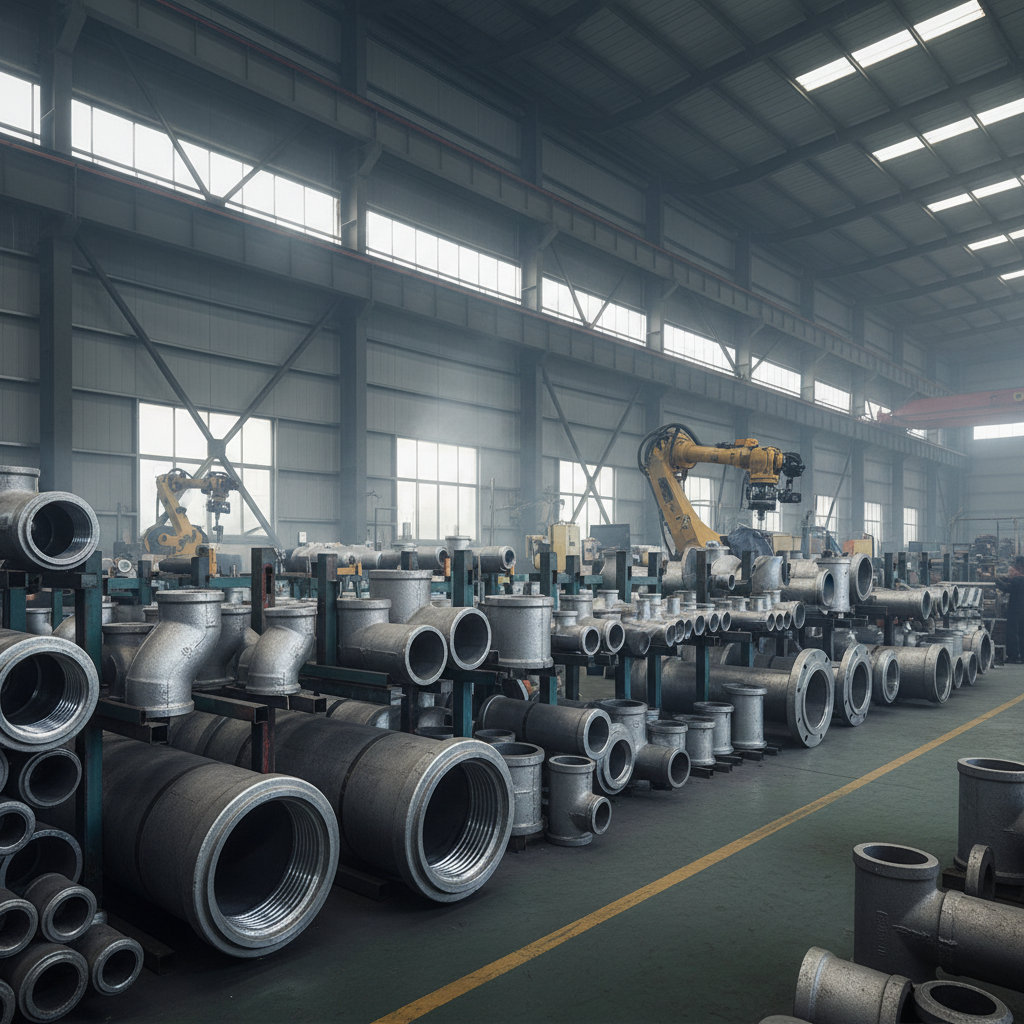
Beyond its functional role, the 45 degree angle elbow is also a testament to engineering precision. The manufacturing process, often involving sophisticated techniques like bending, welding, and quality control, ensures dimensional accuracy and structural integrity. This precision is paramount in applications where leaks or failures could have catastrophic consequences, such as in the chemical processing or pharmaceutical industries.
Understanding the 45 Degree Angle Elbow
A 45 degree angle elbow, at its core, is a pipe fitting installed between two pipe sections to redirect the flow of a substance at a 45-degree angle. This contrasts with 90-degree elbows, which create a sharper turn. The choice between these angles depends heavily on the flow rate, fluid viscosity, and desired pressure drop within the system. A 45 degree elbow generally offers less resistance to flow compared to a 90-degree elbow.
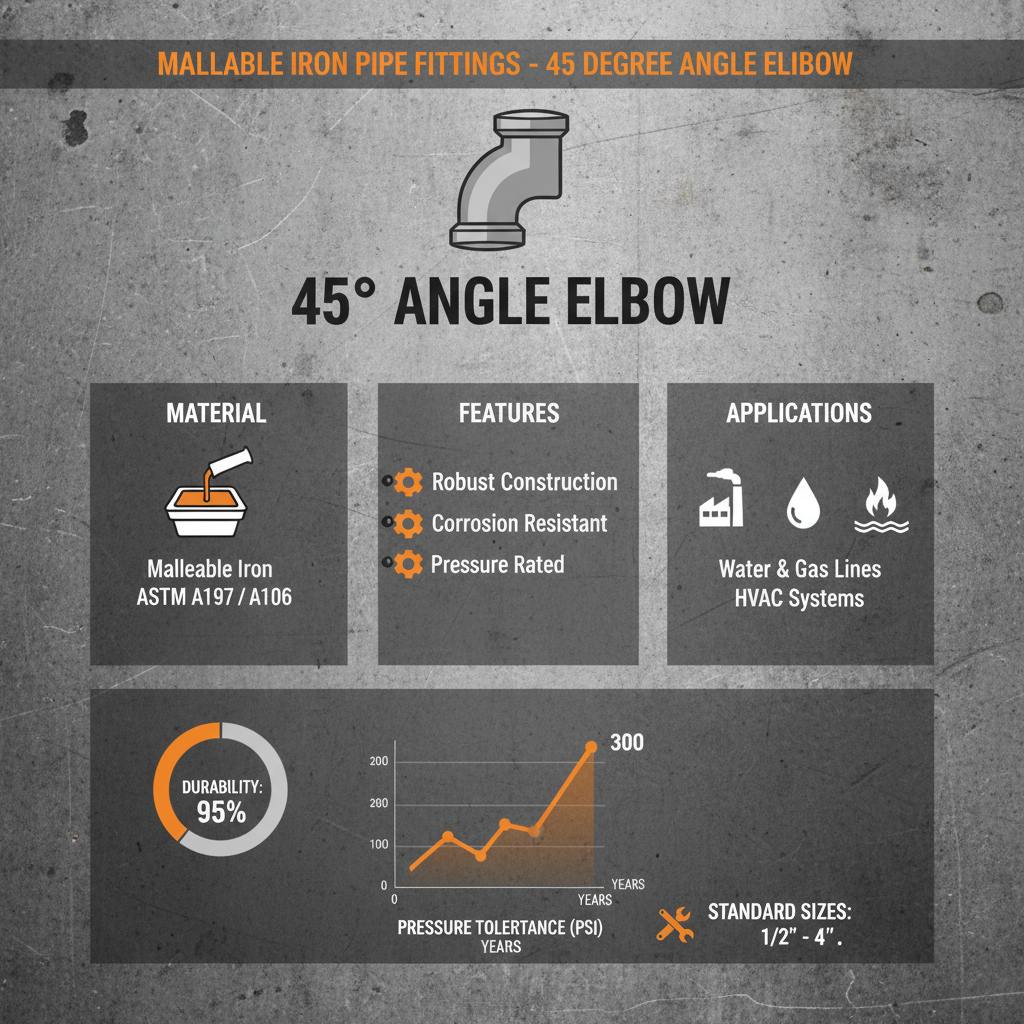
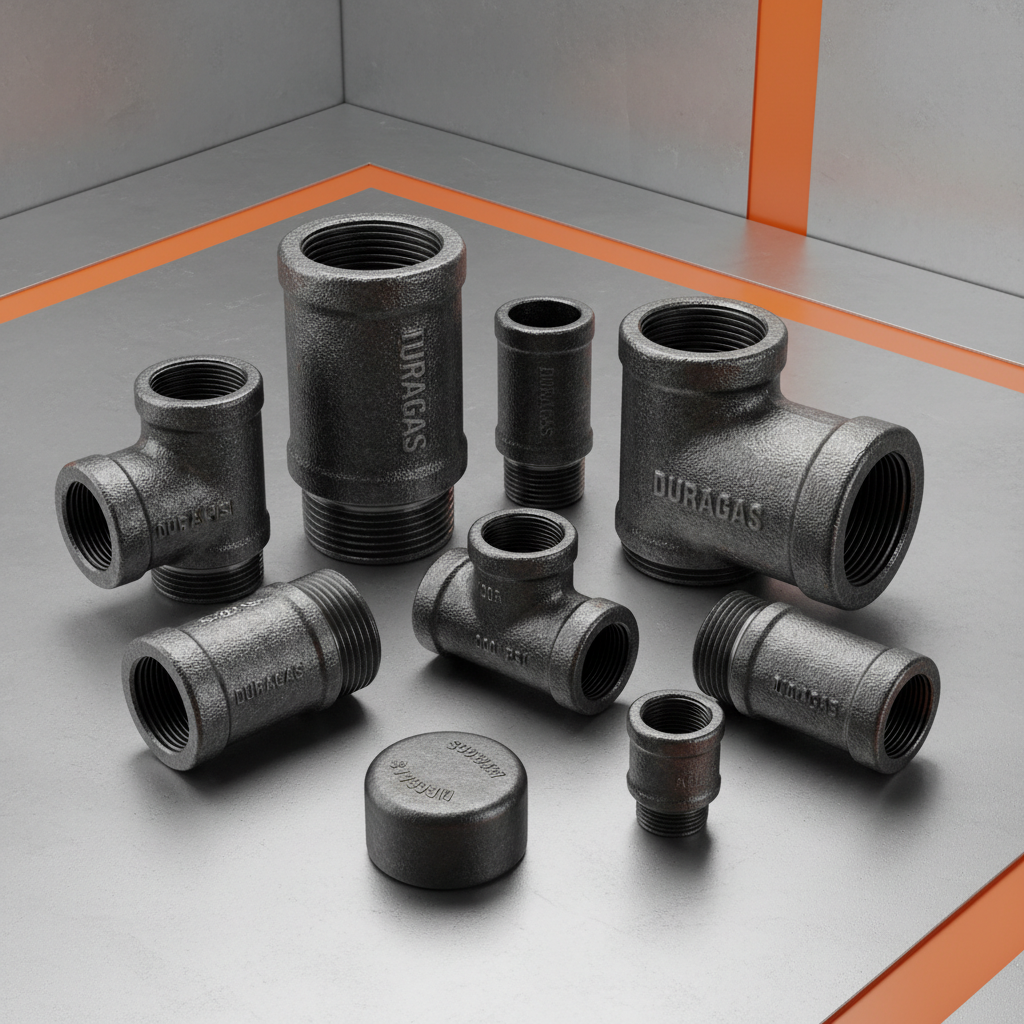
The materials used to manufacture 45 degree angle elbows are diverse, ranging from carbon steel and stainless steel to PVC, CPVC, and various alloys. The selection of material depends on the fluid being transported, the operating temperature, and the pressure requirements. For corrosive fluids, stainless steel or specialized alloys are preferred to prevent degradation and contamination.
The connection methods for 45 degree angle elbows also vary. Common options include threaded connections, welded connections, and flanged connections. Threaded elbows are suitable for smaller diameter pipes and low-pressure applications, while welded and flanged connections offer greater strength and reliability for larger diameter pipes and high-pressure systems.
Key Characteristics of Quality Elbows
Durability is paramount when selecting a 45 degree angle elbow. The fitting must withstand the internal pressure of the fluid, as well as external stresses from vibration, temperature fluctuations, and potential physical impacts. High-quality elbows are constructed from robust materials and undergo rigorous testing to ensure they meet industry standards for strength and resilience.
Corrosion resistance is another crucial characteristic, especially in applications involving corrosive fluids. Materials like stainless steel, certain polymers, and specialized alloys are employed to prevent degradation and ensure the longevity of the elbow. Selecting the appropriate material for the specific fluid is essential to avoid leaks and system failures.
Dimensional accuracy is vital for proper fit and leak-proof connections. Precise manufacturing processes and strict quality control measures guarantee that the elbow’s dimensions align perfectly with the connected pipes, minimizing the risk of misalignment and reducing the need for costly adjustments. A well-fitting elbow contributes significantly to the overall integrity of the piping system.
Performance Metrics of 45 Degree Angle Elbows
Evaluating the performance of a 45 degree angle elbow involves assessing its flow resistance, pressure drop, and structural integrity. Lower flow resistance translates to increased system efficiency and reduced energy consumption. Pressure drop, the reduction in fluid pressure as it passes through the elbow, is a critical parameter in optimizing system performance.
Stress testing and fatigue analysis are conducted to determine the elbow's ability to withstand prolonged use under varying conditions. These tests simulate real-world scenarios, such as cyclical pressure fluctuations and temperature changes, to identify potential failure points and ensure the elbow’s long-term reliability.
45 Degree Angle Elbow Performance Comparison
Global Applications and Industries Served
45 degree angle elbows find extensive application in the oil and gas industry, where they are used in pipelines for transporting crude oil and natural gas. Their ability to maintain efficient flow and withstand high pressures is critical in this demanding environment. In post-disaster relief operations, portable water purification systems utilizing these elbows can provide clean drinking water to affected communities.
The chemical processing industry relies heavily on 45 degree angle elbows for handling corrosive and hazardous fluids. Stainless steel and specialized alloy elbows are essential to prevent leaks and maintain process integrity. In remote industrial zones, where access to replacement parts is limited, the durability of these elbows minimizes downtime and reduces maintenance costs.
Long-Term Value and Sustainability
Investing in high-quality 45 degree angle elbows translates to long-term cost savings through reduced maintenance and replacement costs. Durable materials and precise manufacturing ensure a longer service life, minimizing downtime and maximizing operational efficiency. This provides a tangible return on investment for businesses.
The increasing focus on sustainability drives the demand for eco-friendly materials and manufacturing processes. Utilizing recycled materials and minimizing waste during production contribute to a lower environmental footprint. Choosing elbows that enhance system efficiency also reduces energy consumption, aligning with broader sustainability goals.
Future Trends and Innovations in Elbow Design
Advancements in materials science are leading to the development of lighter, stronger, and more corrosion-resistant alloys for 45 degree angle elbows. These new materials offer enhanced performance and extended service life, reducing the need for frequent replacements. The integration of smart sensors into elbow designs allows for real-time monitoring of pressure, temperature, and flow rates, enabling predictive maintenance and preventing potential failures.
Digital transformation is impacting the manufacturing process, with the adoption of 3D printing and automated welding technologies. These technologies enable the creation of customized elbows tailored to specific application requirements, improving fit and performance. The exploration of bio-based polymers as sustainable alternatives to traditional plastics is also gaining momentum.
The drive for increased efficiency in fluid handling systems is fostering innovation in elbow geometries. New designs are being explored to further minimize flow resistance and optimize pressure distribution, leading to significant energy savings and improved overall system performance.
Summary of Future Trends in 45 Degree Angle Elbow Technology
| Trend Category |
Description |
Impact on 45 Degree Angle Elbows |
Adoption Rate (1-10) |
| New Materials |
Development of advanced alloys and polymers |
Increased durability, corrosion resistance, and lighter weight. |
8 |
| Smart Sensors |
Integration of sensors for real-time monitoring. |
Predictive maintenance, improved safety, and optimized performance. |
6 |
| 3D Printing |
Additive manufacturing for customized designs. |
Tailored solutions, rapid prototyping, and reduced waste. |
5 |
| Bio-Based Polymers |
Use of renewable materials in elbow construction. |
Reduced environmental impact and sustainable manufacturing practices. |
4 |
| Automated Welding |
Robotic welding for consistent quality and efficiency. |
Improved weld strength, reduced defects, and faster production times. |
7 |
| Optimized Geometry |
New designs to minimize flow resistance. |
Increased energy efficiency and improved system performance. |
6 |
FAQS
For highly corrosive environments, materials like stainless steel (specifically 316 or higher grades), Hastelloy, and certain specialized polymers like PTFE or PVDF are recommended. These materials exhibit exceptional resistance to a wide range of chemicals and acids, preventing degradation and ensuring a long service life. The specific material choice should be based on the precise chemical composition of the fluid being transported.
A 45-degree elbow generally offers less resistance to flow compared to a 90-degree elbow. This is because the gradual change in direction minimizes turbulence and reduces energy loss. While a 90-degree elbow might be necessary in certain space-constrained applications, a 45-degree elbow can help maintain higher flow rates and lower pressure drops, leading to improved system efficiency. The specific difference in performance depends on factors like flow velocity and fluid viscosity.
Common connection methods include threaded, welded, and flanged connections. Welded connections are generally considered the most reliable, providing a permanent, leak-proof seal, particularly for high-pressure applications. Flanged connections offer similar reliability but allow for easier disassembly and maintenance. Threaded connections are suitable for lower-pressure applications and are easy to install but may be prone to leaks over time.
The correct size elbow should match the nominal diameter of the connected pipes. Using an undersized elbow will create excessive flow restriction and pressure drop, while an oversized elbow may not provide a secure connection. Consult the piping system design specifications and refer to the elbow manufacturer's guidelines to ensure proper sizing. Careful measurement of the pipe’s outer diameter is also crucial.
Look for elbows that meet relevant industry standards, such as ASME B16.9 (for forged fittings), ASTM specifications (for material properties), and ISO certifications. These standards ensure that the elbow has been manufactured to acceptable quality levels and meets safety requirements. Certification from a reputable testing agency provides further assurance of product performance and reliability.
Yes, several emerging technologies are poised to impact elbow design. 3D printing allows for the creation of complex geometries and customized fittings. Smart sensors integrated into elbows provide real-time monitoring of flow and pressure. Furthermore, the development of new, corrosion-resistant materials and bio-based polymers promises more sustainable and durable solutions. The integration of AI for predictive maintenance is also a growing trend.
Conclusion
The 45 degree angle elbow, a foundational component in countless piping systems, plays a crucial role in ensuring efficient fluid transport and operational reliability. From its impact on flow dynamics and pressure drop to its importance in diverse industries like oil & gas, chemical processing, and water management, understanding its design, materials, and applications is paramount. Investing in high-quality elbows and embracing innovative technologies are key to maximizing long-term value and sustainability.
Looking ahead, advancements in materials science, 3D printing, and smart sensing technologies will further enhance the performance and versatility of 45 degree angle elbows. The increasing focus on sustainability will drive the demand for eco-friendly materials and manufacturing processes. By staying abreast of these trends and prioritizing quality and innovation, we can ensure the continued effectiveness and resilience of fluid handling systems across the globe. Visit our website at Pannex Fittings to explore our full range of 45 degree angle elbow solutions.