Look, I’ve been running around construction sites for fifteen years, and honestly, the biggest thing I’m seeing right now is everyone wanting everything ‘smart.’ Not just the buildings, but the components in the buildings. It's all about integration, data collection, remote monitoring… a lot of buzzwords. And that’s driving a demand for higher-quality, more reliable bronze pipe fittings – because if your smart system is relying on a leaky connection, well, you’ve got bigger problems than just a water bill. It’s a bit of a pendulum swing, actually, back towards materials that last.
But here's the thing, 'lasting' doesn't just happen. It’s not enough to say "bronze is durable." You have to actually think about the design. I've seen so many fittings designed by folks who've never held a wrench in their lives. They'll spec a beautiful-looking fitting, but the threading is too close to the end, making it impossible to get a good grip with a pipe wrench. Or they’ll use a wall thickness that looks good on paper but bends under pressure in the real world. You wouldn’t believe it.
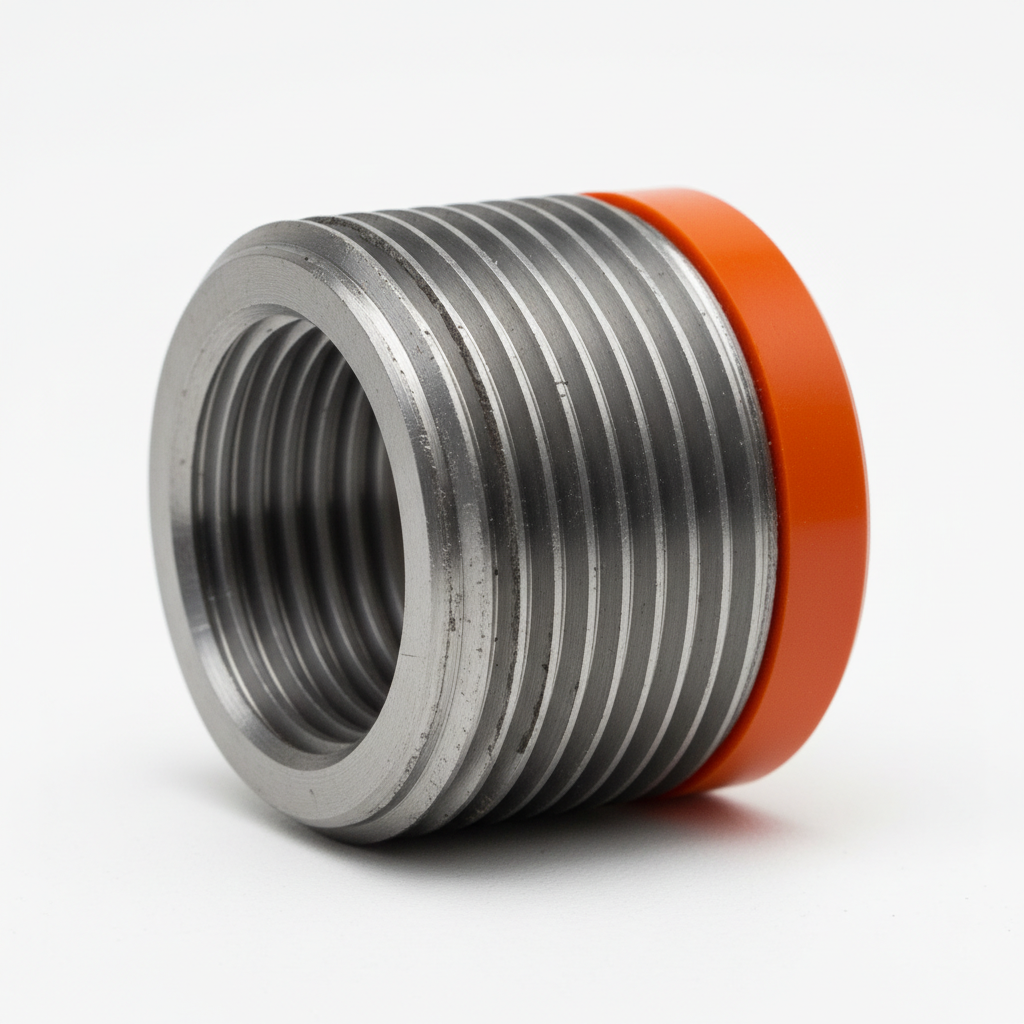
It’s funny, people get fixated on the alloys themselves – C83600, C95400, all those numbers. Which is fine, it matters. But the feel of the bronze is important, too. Good bronze has a weight to it, a solidity. It’s not brittle. And you can smell it when it’s being machined - that metallic, slightly sweet smell. It’s a weird thing to describe, I know. We mainly use C83600 for general plumbing, good balance of strength and corrosion resistance. C95400 we reserve for seriously harsh environments, saltwater exposure, that kind of thing. It's more expensive, but the headache it saves you later… worth it.
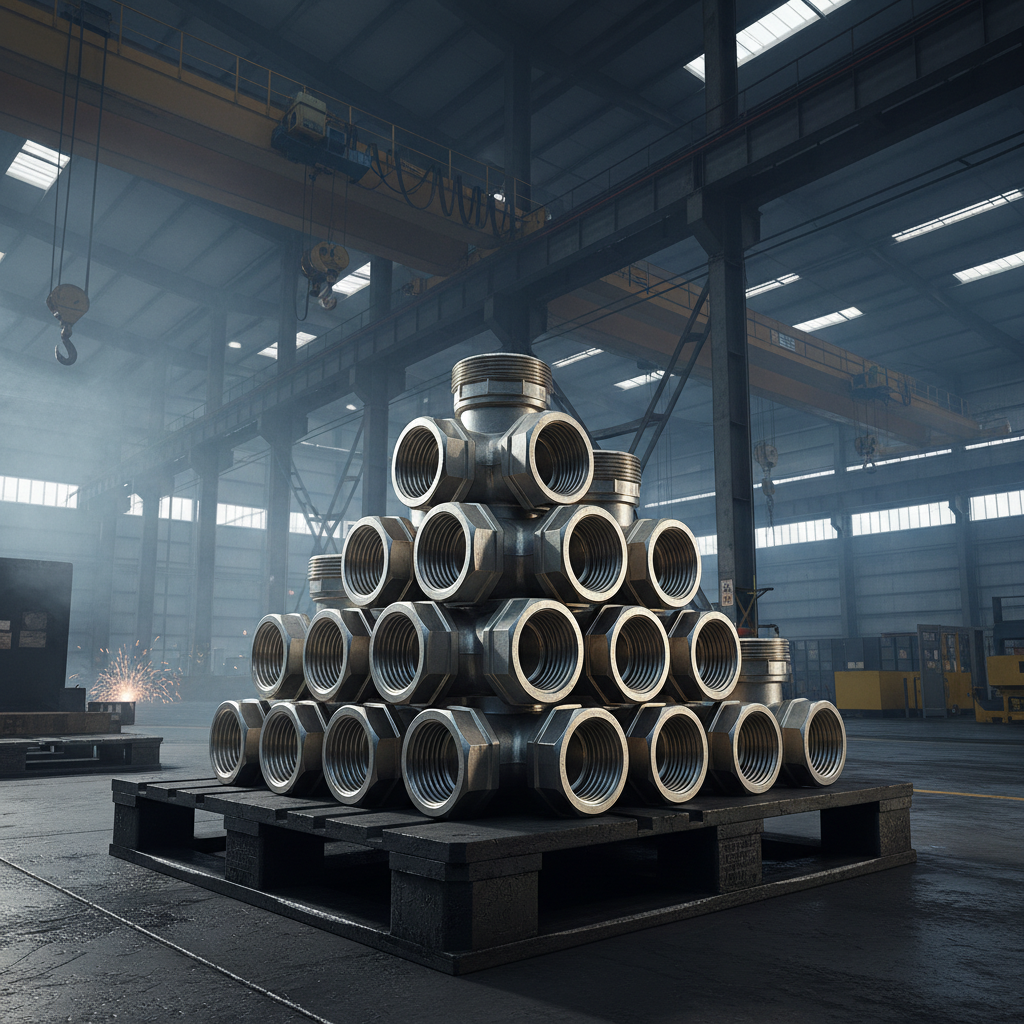
Have you noticed everyone’s obsessed with prefabrication? It's huge. They’re building entire sections of plumbing offsite, in a controlled environment, and then shipping them in. That means the bronze pipe fittings have to be absolutely perfect. No defects allowed. You don’t want to be re-doing work in the field.
It’s also pushing for more standardized fittings. Less custom stuff, more off-the-shelf. Which, honestly, is a mixed bag. It simplifies things for the big contractors, but it can be a pain for smaller jobs where you need something a little different. And the global supply chain... don't even get me started. It's a mess.
In saltwater, you need to specify C95400 bronze, which has higher copper content for superior corrosion resistance. Proper sealing is crucial – use PTFE tape or a compatible sealant. Regular inspection and cleaning to remove salt buildup are also essential. We've seen situations where even C95400 fittings failed due to neglect.
Yes, but you need to use a dielectric union or nipple to prevent galvanic corrosion. Bronze and steel are dissimilar metals, and when in contact in the presence of an electrolyte (like water), a corrosion cell forms. The steel will corrode preferentially. It’s a common mistake, and can lead to serious problems down the line.
That's a tricky one. You want it snug, but not overly tight. Over-tightening can damage the threads and cause leaks. Use a pipe wrench and apply firm, even pressure. If you’re using Teflon tape, go easy – it’s easy to overdo it. A good rule of thumb is "hand tight plus a quarter turn."
Threaded fittings rely on the threads to create a seal, while compression fittings use a compression nut and ferrule to grip the pipe. Compression fittings are easier to disassemble, but threaded fittings are generally stronger. The choice depends on the application and the type of pipe you’re using. We recommend threaded for permanent connections and compression for situations where you might need to make adjustments.
Yes, absolutely. Bronze is a lead-free material, making it safe for use in drinking water systems. However, it’s essential to ensure the alloy meets relevant standards, like NSF/ANSI 61. Always check the manufacturer's specifications to confirm compliance. It’s a critical safety concern, and you don’t want to take any chances.
Look for inconsistencies in the finish, poor machining quality, and inaccurate markings. Counterfeit fittings often feel lighter and less substantial than genuine ones. Also, check the supplier's reputation and purchase from authorized distributors. If the price seems too good to be true, it probably is.
So, there you have it. Bronze pipe fittings aren’t glamorous, but they’re the workhorses of any good plumbing system. They’re durable, reliable, and when properly specified and installed, they’ll last for decades. The industry is changing, with more emphasis on prefabrication and smart systems, but the fundamental principles remain the same. Pay attention to detail, use quality materials, and don’t cut corners.
Ultimately, whether this thing works or not, the worker will know the moment he tightens the screw. If it feels right, sounds right, and doesn’t leak, you’re good to go. If not… well, you’ve got a problem. And if you’re looking for high-quality bronze pipe fittings, you know where to find us.