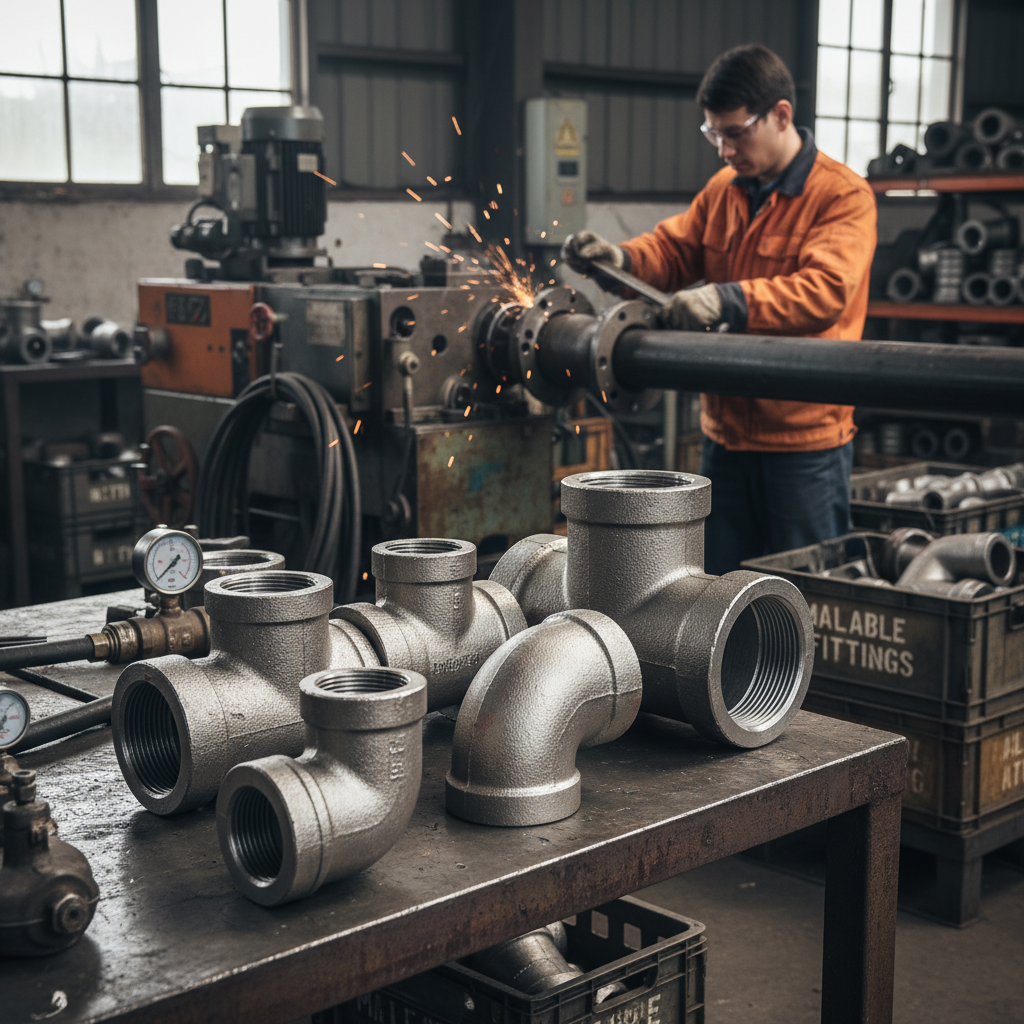
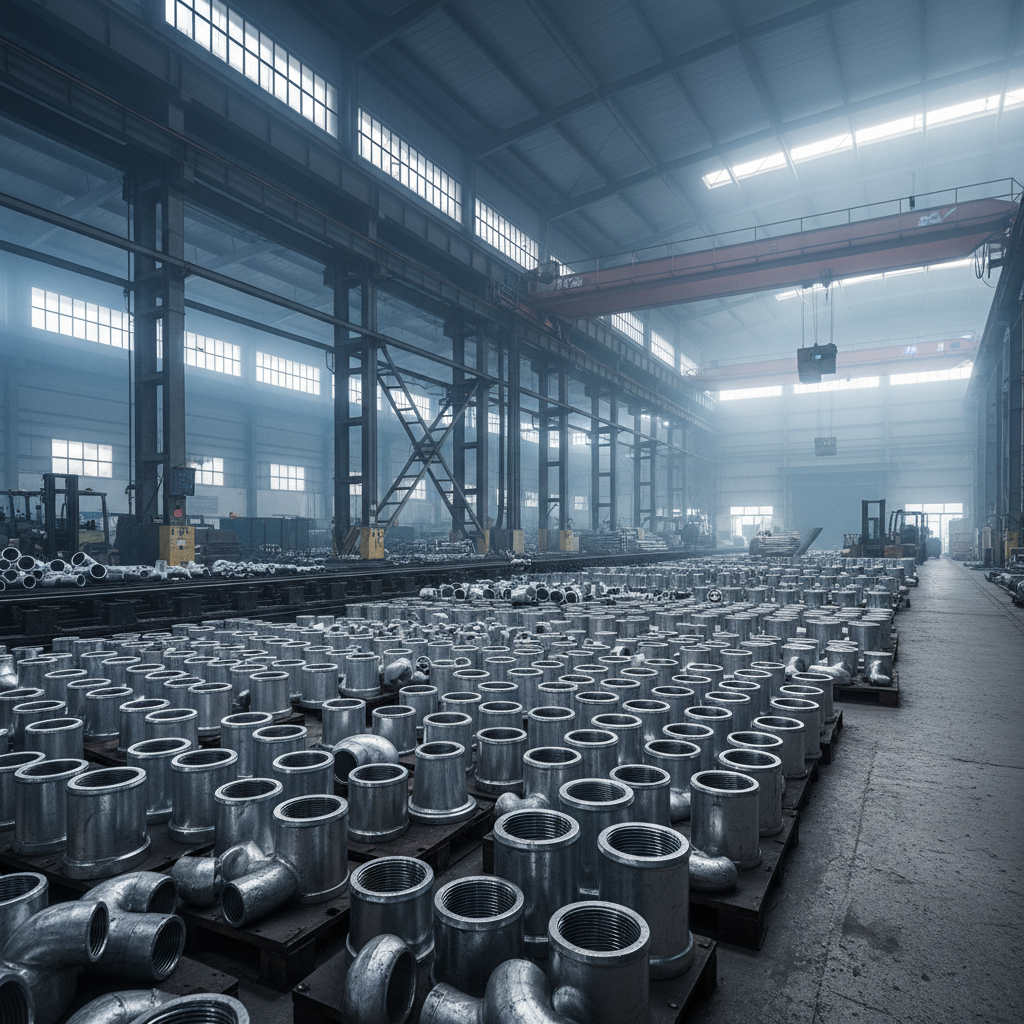
Elbow pipe, a fundamental component in piping systems, plays a crucial role in industries worldwide, from oil and gas to water management and construction. Its ability to change the direction of flow within a piping system makes it indispensable for complex layouts and efficient fluid transport. Understanding its properties, applications, and evolving technologies is essential for engineers, technicians, and anyone involved in the design, installation, and maintenance of these systems. The proper selection and implementation of an elbow pipe directly impacts the safety, efficiency, and longevity of an entire infrastructure.
Globally, the demand for elbow pipe is consistently high, driven by ongoing infrastructure development, urbanization, and increasing industrial activity. According to the World Bank, investments in infrastructure are projected to reach trillions of dollars in the coming decades, necessitating a reliable supply of high-quality piping components like elbow pipe. The ISO standards governing the manufacturing and testing of these pipes ensure a consistent level of quality and safety across international markets. This consistent demand signifies its importance within global economies.
However, challenges remain. Corrosion, material fatigue, and the need for sustainable materials are driving innovation in the elbow pipe industry. Finding cost-effective solutions that meet stringent safety and environmental regulations is a continuous pursuit. This article explores the intricacies of elbow pipe, its diverse applications, and the future trends shaping its development, offering insights into this critical industrial component.
The Significance of Elbow Pipe in Modern Infrastructure
Elbow pipe is more than just a connector; it’s a critical element for ensuring the structural integrity and functional efficiency of piping networks. Its primary function – to redirect flow – enables complex system designs that would be impossible with straight pipe sections alone. This is particularly vital in industrial settings, where space is often limited and intricate fluid pathways are required. The right elbow pipe selection is vital for preventing leaks, minimizing pressure loss, and maintaining overall system reliability.
The increasing demands for efficient resource management and infrastructure development underscore the importance of high-quality elbow pipe. From residential plumbing to large-scale industrial plants, the correct elbow pipe contributes significantly to system performance. As industries strive for greater sustainability and reduced environmental impact, the need for durable, corrosion-resistant, and long-lasting elbow pipe solutions becomes even more pronounced, driving the need for continuous innovation and material advancements in its production and application.
Defining and Understanding Elbow Pipe
An elbow pipe is a piping fitting designed to change the direction of fluid flow, typically by 45 or 90 degrees. It’s a crucial component in any piping system that requires turns or changes in direction, enabling complex network layouts and ensuring efficient fluid transport. These fittings come in various materials – including steel, stainless steel, PVC, CPVC, and others – each chosen based on specific application requirements, such as pressure, temperature, and the type of fluid being conveyed.
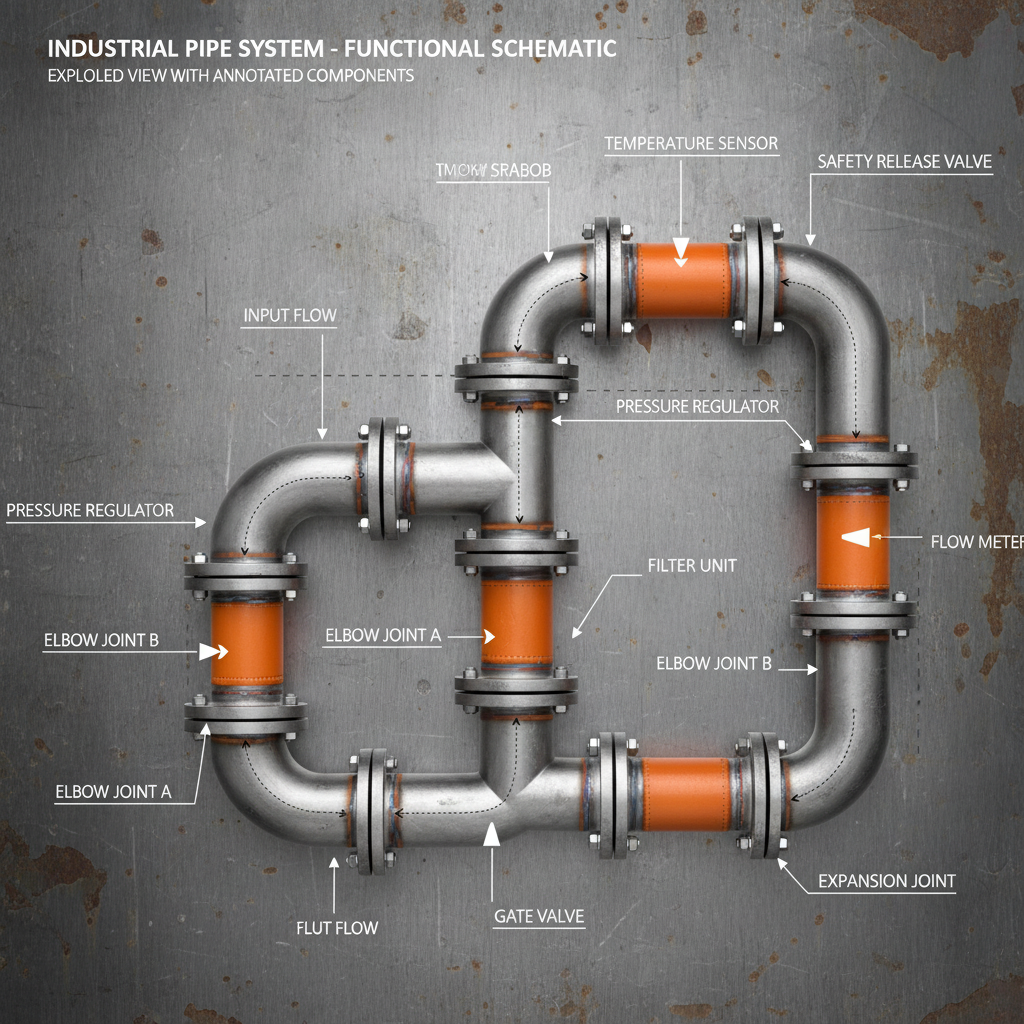
The connection between elbow pipe and modern industry is deeply intertwined with the necessities of efficient processing and distribution. In industries like oil and gas, chemical processing, and water treatment, complex piping systems are the backbone of operations. An elbow pipe allows these systems to navigate around obstacles and maintain optimal flow rates, crucial for maximizing productivity and minimizing downtime. Its presence is so ubiquitous that it's often overlooked, yet its absence would render many modern industrial processes impossible.
Beyond industrial applications, elbow pipe plays a vital role in everyday life. From the plumbing systems in our homes to the irrigation networks that support agriculture, it facilitates the safe and reliable transport of essential fluids. In humanitarian contexts, the quick deployment of water purification systems relies heavily on the availability of durable and reliable elbow pipe to connect and direct water flow.
Core Characteristics of Superior Elbow Pipe
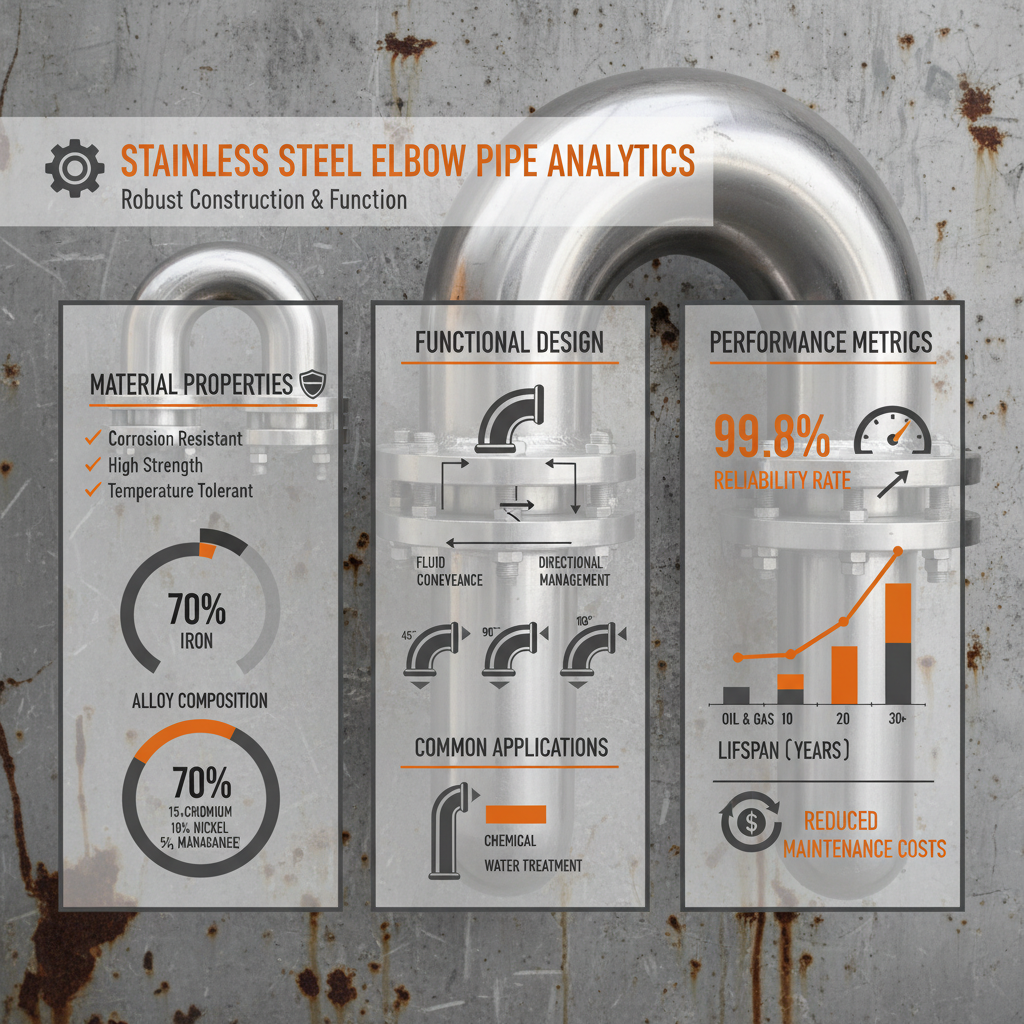
Superior elbow pipe is characterized by a combination of durability, precision, and material integrity. Durability encompasses resistance to corrosion, erosion, and mechanical stress, ensuring a long service life and minimizing the risk of failures. Precision refers to the accuracy of the bend angle and the smoothness of the inner surface, which directly impacts flow efficiency and reduces pressure drop. Material integrity signifies the consistent quality and composition of the pipe material, guaranteeing its strength and reliability.
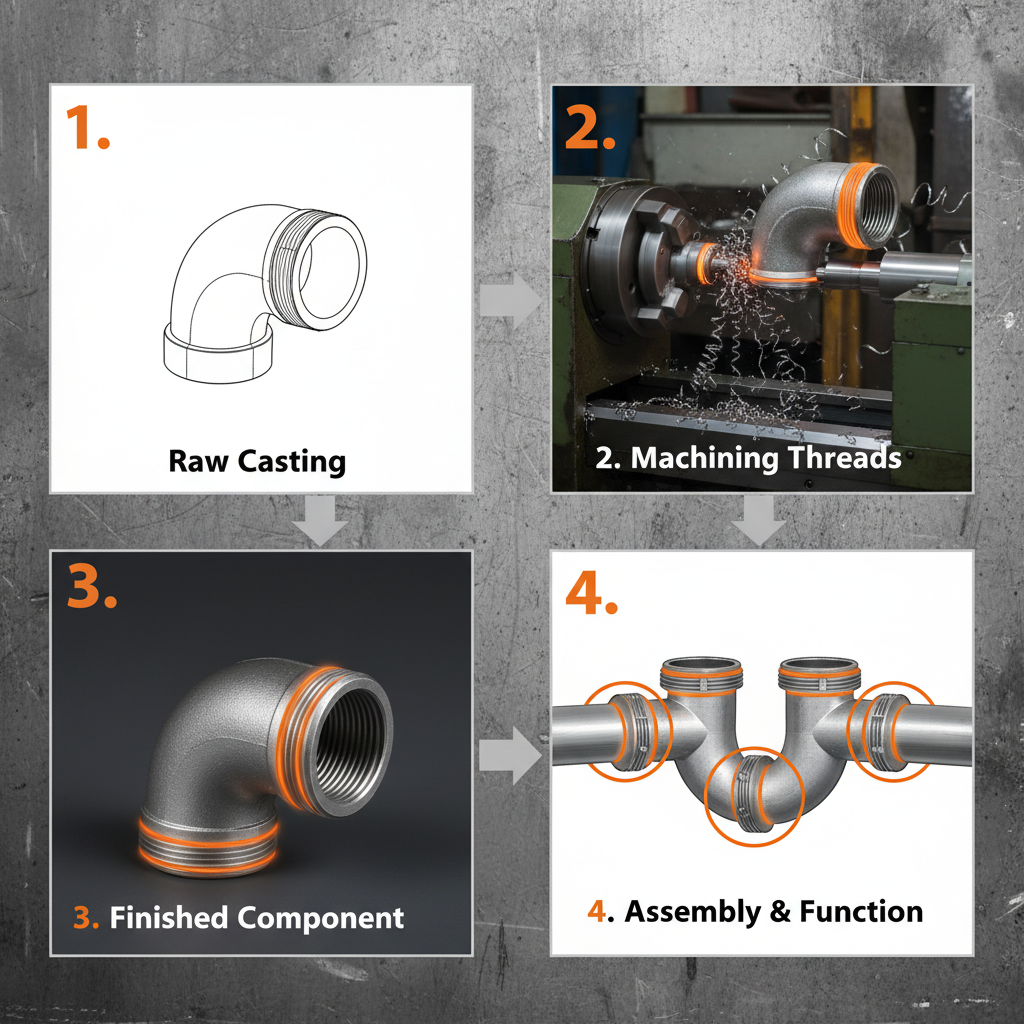
One crucial element is pressure rating. Elbow pipe must be capable of withstanding the maximum operating pressure of the system it’s installed in. This is often dictated by industry standards and regulatory requirements. Beyond pressure, temperature resistance is equally important. Different materials exhibit varying tolerance to high and low temperatures, and selecting the appropriate material is critical to prevent deformation or failure. Finally, the manufacturing process plays a key role. Techniques like hot bending, cold bending, and induction bending each impart unique characteristics to the finished product, influencing its strength and performance.
The selection of the appropriate elbow pipe isn’t just about meeting immediate requirements; it’s about considering the long-term operational costs and environmental impact. Investing in high-quality elbow pipe, even if it comes at a higher initial cost, can often translate into lower maintenance expenses, reduced downtime, and a longer lifespan, making it a more cost-effective solution in the long run. It also contributes to sustainability by minimizing the need for frequent replacements and reducing waste.
Key Performance Indicators of Elbow Pipe
Evaluating the performance of elbow pipe involves considering several key indicators. Pressure drop, a measure of the resistance to flow, is critical, as excessive pressure drop can reduce system efficiency and increase energy consumption. Another vital indicator is corrosion resistance, determining the pipe’s ability to withstand degradation from exposure to corrosive fluids or environments. The mechanical strength, measured by tensile and yield strength, determines the pipe’s ability to withstand external forces and stresses.
Further performance metrics include dimensional accuracy, ensuring the elbow’s angle and diameter match design specifications, and surface roughness, which affects flow characteristics and potential for scaling or fouling. These KPIs, when rigorously assessed, provide a comprehensive understanding of the elbow pipe’s suitability for a specific application. A thorough evaluation utilizing these metrics is essential for maintaining the integrity and reliability of the piping system.
Elbow Pipe Performance Comparison
Global Applications of Elbow Pipe
The applications of elbow pipe are remarkably diverse, spanning across numerous industries and geographic locations. In the oil and gas sector, particularly in regions like the Middle East and North America, elbow pipe is integral to constructing pipeline networks for transporting crude oil and natural gas. The rigorous demands of this industry necessitate high-strength, corrosion-resistant materials.
Within the water treatment industry, elbow pipe is crucial for distributing potable water and managing wastewater in municipalities worldwide, including Europe and Asia. In post-disaster relief operations, rapid deployment of water purification systems relies on the availability of robust elbow pipe to quickly establish functional water distribution networks. Even in remote industrial zones, like those found in Australia's mining regions, elbow pipe plays a pivotal role in connecting essential infrastructure and ensuring operational efficiency.
The Long-Term Value Proposition of Elbow Pipe
Investing in high-quality elbow pipe delivers substantial long-term value. Beyond the initial cost savings from reduced maintenance and repairs, the increased reliability and longevity of the piping system contribute to uninterrupted operations and minimized downtime, directly impacting profitability. A robust elbow pipe system also enhances safety by mitigating the risk of leaks and failures, protecting personnel and the environment.
From a sustainability perspective, the use of durable and corrosion-resistant elbow pipe reduces the frequency of replacements, minimizing waste and conserving resources. This aligns with growing environmental concerns and increasingly stringent regulations. The trust and confidence that comes with a well-designed and expertly installed elbow pipe system are intangible benefits that contribute to overall operational efficiency and peace of mind.
Future Trends and Innovations in Elbow Pipe Technology
The future of elbow pipe is poised for significant innovation, driven by the need for sustainable materials, improved performance, and advanced manufacturing techniques. The development of new alloys and polymers with enhanced corrosion resistance and strength is a key area of research. Smart elbow pipe, integrated with sensors and data analytics, is emerging as a promising technology, enabling real-time monitoring of pressure, temperature, and flow rates, allowing for proactive maintenance and preventing potential failures.
Furthermore, the adoption of additive manufacturing (3D printing) techniques is revolutionizing the production of elbow pipe, allowing for customized designs and complex geometries that were previously impossible to achieve. These innovations align with broader trends towards digitalization and automation in the manufacturing sector, paving the way for more efficient and reliable piping systems. The integration of green energy initiatives and a focus on reducing carbon footprints will also drive the demand for more sustainable elbow pipe solutions.
The pursuit of optimized designs, utilizing computational fluid dynamics (CFD) modeling to minimize pressure drop and maximize flow efficiency, will become increasingly prevalent. The advancement in coating technologies, focusing on durable and environmentally friendly options, will enhance the lifespan and performance of elbow pipe in harsh environments.
FAQS
Elbow pipe is commonly manufactured from materials such as carbon steel, stainless steel, PVC, CPVC, and ductile iron. The selection of a material depends on the specific application, considering factors like pressure, temperature, fluid type, and corrosion resistance. Carbon steel is often used for high-pressure applications, while PVC and CPVC are favored for their corrosion resistance in water and chemical handling. Stainless steel is a premium option offering exceptional strength and corrosion resistance.
Determining the correct size and pressure rating is critical for ensuring system safety and efficiency. The pipe size should match the diameter of the connecting pipes to avoid flow restrictions. The pressure rating must exceed the maximum operating pressure of the system, with a safety factor included. Refer to industry standards and consult with a qualified engineer to ensure proper selection based on your specific application.
Elbow pipe is available in various bend angles, with 45-degree and 90-degree elbows being the most common. 45-degree elbows provide a gradual change in direction, minimizing pressure loss. 90-degree elbows are used for sharp turns and are often employed in space-constrained applications. Other angles, such as 15-degree and 60-degree, are also available for specialized applications.
Preventing corrosion requires a multi-faceted approach. Selecting corrosion-resistant materials, such as stainless steel or applying protective coatings, like epoxy or galvanization, are effective measures. Regular inspection and maintenance, including cleaning and removal of corrosive substances, are crucial. Additionally, cathodic protection systems can be employed to mitigate corrosion in underground pipelines.
Proper installation is essential for ensuring a leak-free and reliable system. Ensure that the elbow pipe is properly supported to prevent stress on the joints. Use appropriate thread sealants or gaskets to create a watertight seal. Avoid over-tightening fittings, which can damage the pipe or create stress cracks. Always follow the manufacturer's instructions and local building codes.
Consider the environmental impact of the materials used in the elbow pipe. PVC, while cost-effective, can release harmful chemicals during manufacturing and disposal. Opt for more sustainable alternatives, such as ductile iron or recycled materials, whenever possible. Proper disposal and recycling of old elbow pipe are also crucial for minimizing environmental pollution.
Conclusion
Elbow pipe remains a foundational element in modern infrastructure, seamlessly connecting and directing fluid flow across diverse industries. Its importance extends beyond its simple function, impacting system efficiency, safety, sustainability, and operational longevity. Understanding its key characteristics, performance indicators, and evolving technologies is crucial for engineers, technicians, and anyone involved in the design, installation, and maintenance of piping systems.
Looking ahead, continued innovation in materials, manufacturing processes, and smart technologies will further enhance the performance and reliability of elbow pipe. By embracing sustainable practices and utilizing advanced solutions, we can ensure that elbow pipe continues to play a vital role in building a more efficient and resilient future. For high-quality elbow pipe and related fittings, visit our website: www.malleablefitting.com.