0%

Table of Contents

The 3/4 in union is a fundamental component in piping systems across diverse industries, enabling the connection of pipes with the same thread size. Its global relevance stems from the universal need for efficient and reliable fluid transfer in applications ranging from residential plumbing to large-scale industrial processes. The demand for robust and standardized fittings like the 3/4 in union is driven by increasing infrastructure development, growing industrialization, and a heightened focus on safety and leak prevention. Understanding its properties and applications is crucial for engineers, plumbers, and facility managers ensuring the integrity and longevity of fluid conveyance systems.

The significance of the 3/4 in union extends beyond simple connection; it provides a point for easy disassembly and maintenance within a pipeline. This simplifies repairs, replacements, and inspections without disrupting the entire system. Globally, billions of these fittings are utilized annually, impacting sectors like oil & gas, water treatment, chemical processing, and agriculture. ISO standards and regional regulations increasingly emphasize the quality and traceability of fittings like the 3/4 in union, highlighting its critical role in ensuring operational efficiency and minimizing environmental risks.

The proliferation of 3/4 in unions addresses the ongoing challenge of maintaining fluid systems with minimal downtime. It’s an essential building block for modern infrastructure, enabling the safe and efficient transport of essential resources worldwide. Investing in quality 3/4 in union fittings reduces long-term costs associated with leaks, repairs, and system failures.
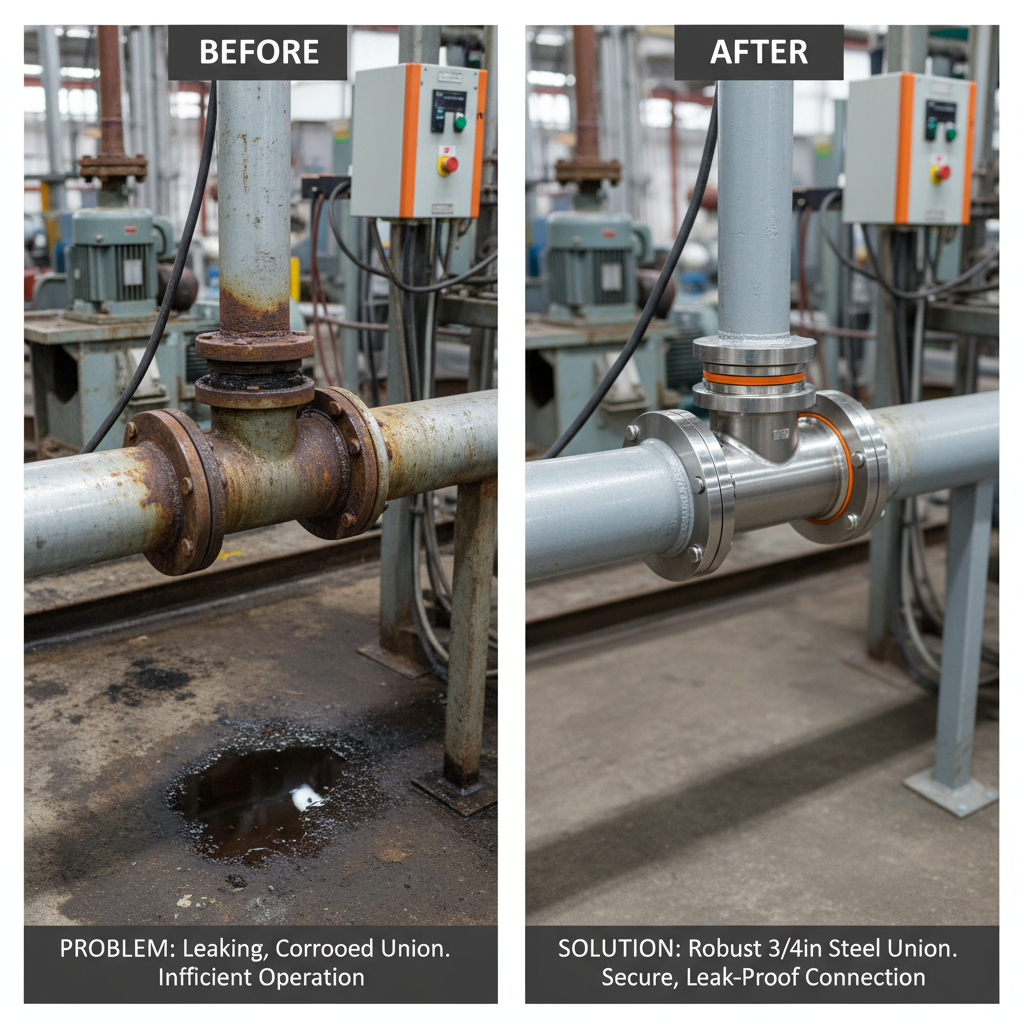

Understanding the Critical Role of 3/4 in Union Fittings in Modern Piping Systems

Introduction to 3/4 in Union

Understanding the Critical Role of 3/4 in Union Fittings in Modern Piping Systems

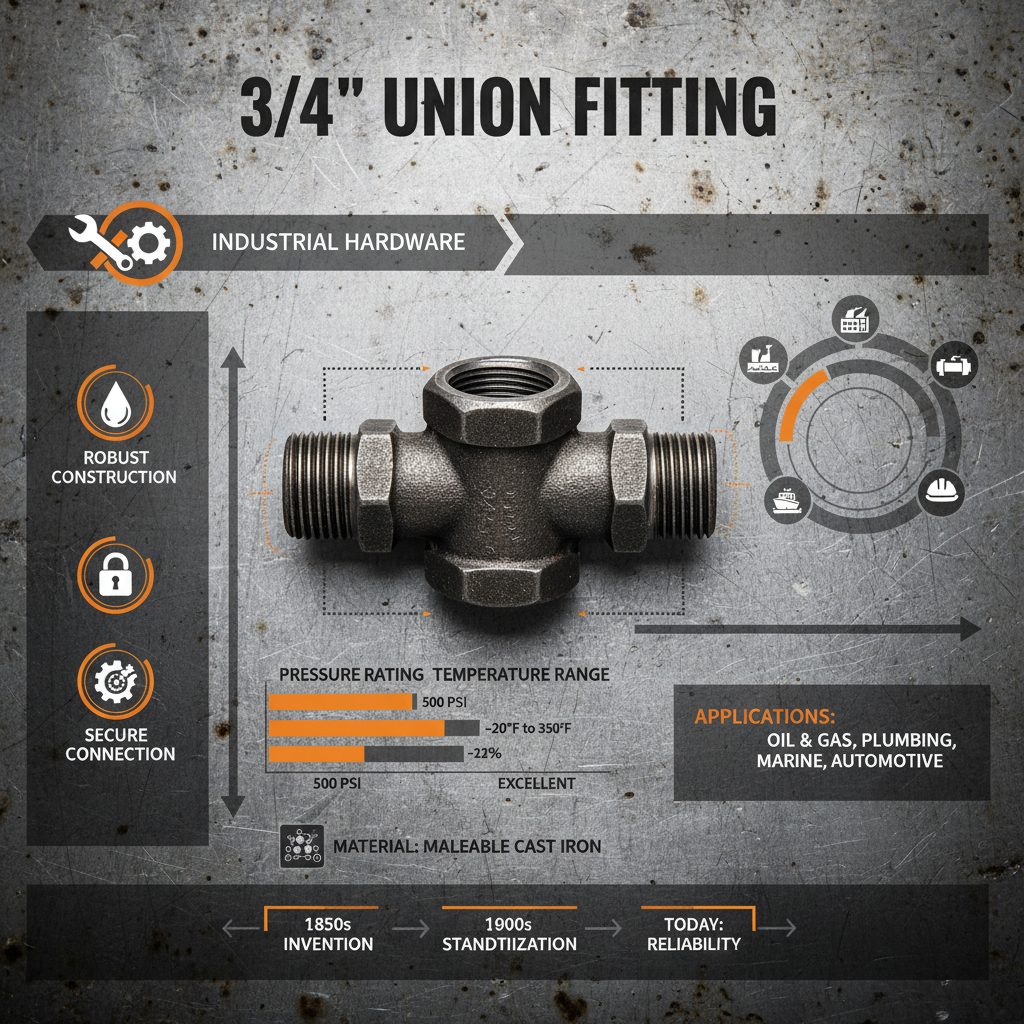
A 3/4 in union is a pipe fitting that connects two sections of pipe with the same thread size, allowing for easy disconnection for maintenance or replacement. It is constructed from various materials, including brass, stainless steel, and plastic, each offering different properties suited for specific applications. The 3/4 in designation refers to the nominal pipe diameter – the approximate inside diameter of the pipe.

Understanding the function and proper installation of a 3/4 in union is paramount for ensuring the reliability and safety of any fluid transfer system. Incorrect installation can lead to leaks, system failures, and potential hazards. This fitting is an essential component in countless plumbing and industrial setups, offering flexibility and convenience in system design and maintenance.

Defining the 3/4 in Union

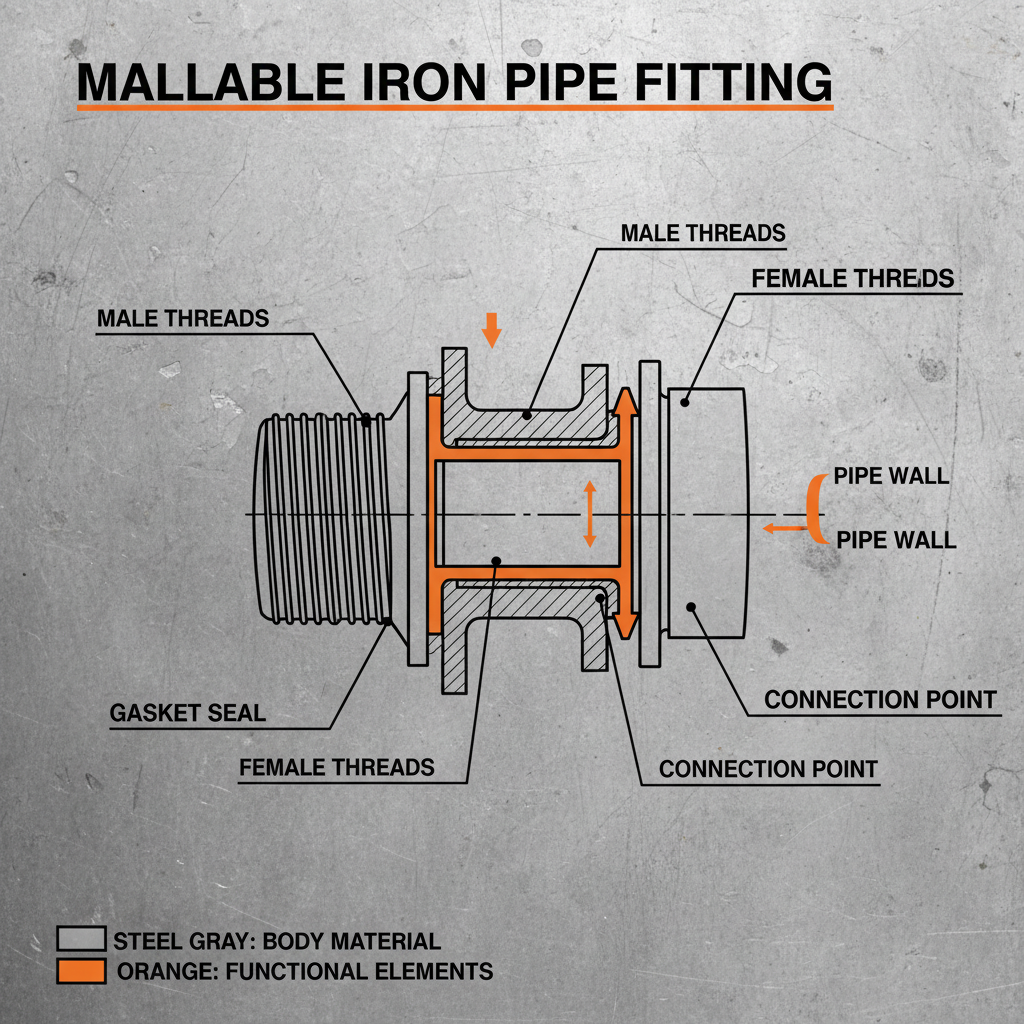
At its core, a 3/4 in union is a coupling fitting that allows for the quick and easy connection and disconnection of pipe sections. Unlike a typical coupling that is permanently joined, a union is designed with a nut and a threaded body that allows for separation without rotating the pipes themselves. This is particularly valuable in systems requiring frequent maintenance or component replacement, as it eliminates the need to cut and re-thread pipes each time.

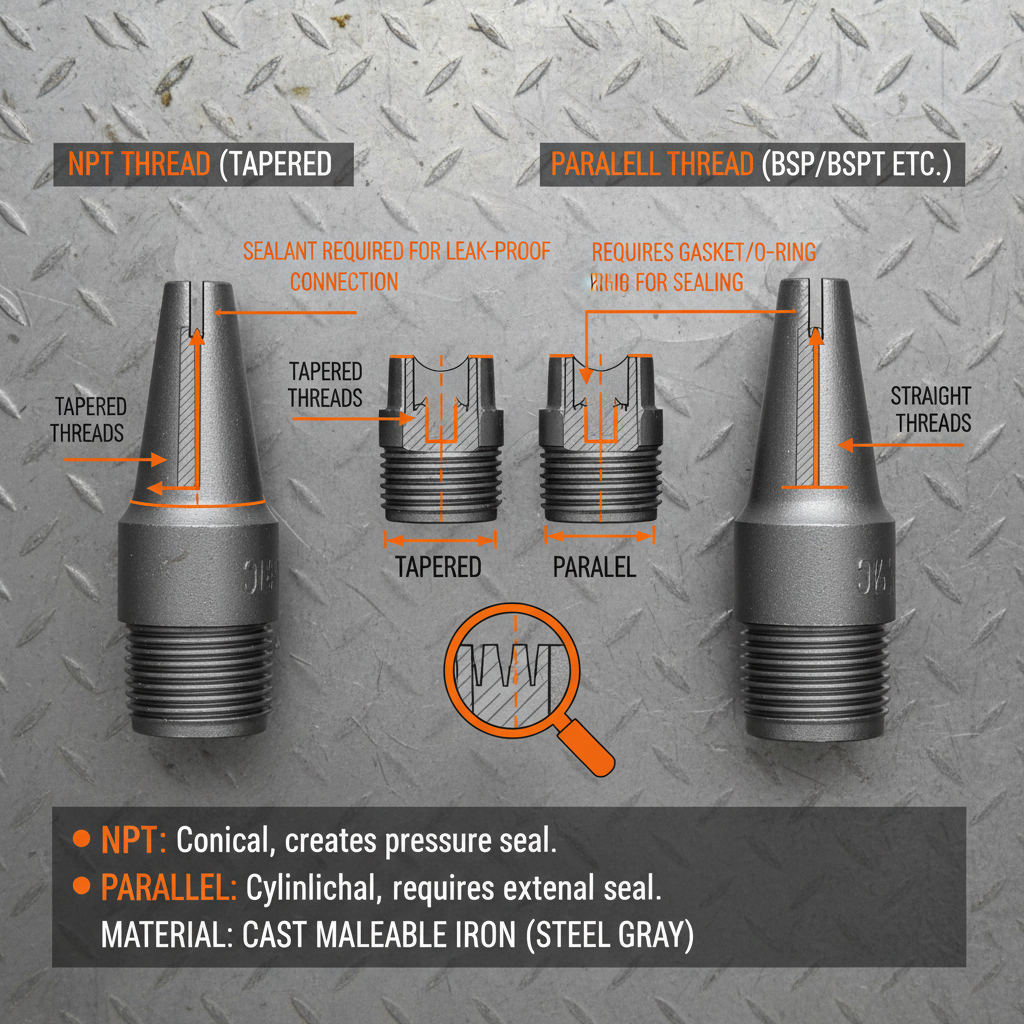
The "3/4 in" refers to the nominal pipe size, indicating the internal diameter of the pipes the union is designed to connect. While not a precise measurement, it provides a standardized sizing for compatibility within piping systems. The threads on the union are typically National Pipe Thread (NPT) in North America, but other standards such as BSP (British Standard Pipe) are also common internationally.

The 3/4 in union is fundamental to modern plumbing and industrial engineering, allowing for flexible and maintainable fluid handling solutions. Its design is directly linked to the need for efficient system upkeep and minimized operational disruptions.

Core Characteristics of 3/4 in Union

Material Compatibility: 3/4 in unions are available in a wide range of materials, including brass, stainless steel, PVC, and polypropylene. The choice of material depends on the fluid being conveyed, the operating temperature, and the pressure requirements. Brass unions are commonly used for potable water and general plumbing, while stainless steel is preferred for corrosive environments and high-temperature applications.

Thread Type and Sealing: The threads on a 3/4 in union are critical for creating a leak-proof seal. NPT threads are tapered, requiring the use of pipe thread sealant (such as Teflon tape) to fill the gaps and prevent leakage. Proper thread engagement and sealant application are crucial for reliable performance.

Pressure Rating: 3/4 in unions are rated for specific pressure limits, which vary depending on the material and construction. Exceeding the pressure rating can lead to fitting failure and potential hazards. Selecting a union with an appropriate pressure rating for the intended application is essential.

Practical Applications of 3/4 in Union

3/4 in unions are widely used in residential plumbing for connecting water heaters, sinks, toilets, and washing machines. They facilitate easy removal of these appliances for repair or replacement without disturbing the entire plumbing system. The quick disconnection feature of a 3/4 in union is especially beneficial in tight spaces or when working with aging plumbing.

In industrial settings, 3/4 in unions are essential for connecting pumps, valves, filters, and other equipment in fluid transfer lines. Their ability to allow for disassembly facilitates maintenance, cleaning, and component replacement. They are frequently found in chemical processing plants, water treatment facilities, and oil refineries.

3/4 in Union Performance Characteristics


Global Use Cases of 3/4 in Union

In Europe, 3/4 in unions are commonly used in heating and cooling systems, connecting radiators and boilers. The strict building codes in many European countries necessitate reliable and easily maintainable plumbing components, driving demand for high-quality unions.

Across North America, the 3/4 in union is a staple in both residential and commercial construction. Its ease of installation and compatibility with standard plumbing practices make it a preferred choice for contractors. It's critical for irrigation systems in agricultural regions.

Advantages and Long-Term Value

Using a 3/4 in union offers significant cost savings over the lifecycle of a fluid system. The ability to quickly disconnect and replace components minimizes downtime and reduces labor costs associated with repairs. Proper installation and maintenance ensure a longer system lifespan.

Furthermore, using high-quality 3/4 in unions contributes to sustainability by preventing leaks and reducing water waste. A robust and reliable fluid system minimizes environmental impact and promotes responsible resource management. The peace of mind that comes with a dependable system enhances trust and builds confidence in the infrastructure.

Future Trends in 3/4 in Union Technology

Innovations in materials science are leading to the development of more durable and corrosion-resistant 3/4 in unions. New alloys and polymers offer improved performance in harsh environments. Smart unions, equipped with sensors that detect leaks or pressure fluctuations, are emerging as a valuable tool for preventative maintenance.

Digital twins and Building Information Modeling (BIM) are streamlining the design and installation of piping systems, optimizing the use of 3/4 in unions and other fittings. These technologies allow for virtual testing and validation of system performance before physical construction, reducing errors and improving efficiency.

Summary of 3/4 in Union Performance Metrics

Material Type Corrosion Resistance (1-10) Maximum Pressure (PSI) Installation Difficulty (1-10)
Brass 6 300 3
Stainless Steel 9 600 5
PVC 7 150 2
Polypropylene 8 200 3
CPVC 7 300 4
Bronze 8 400 4

FAQS

What is the main difference between a 3/4 in union and a regular coupling?

A regular coupling permanently joins two pipes together, requiring cutting and re-threading for disassembly. A 3/4 in union allows for disconnection without rotating the pipes, simplifying maintenance and repairs. The union's nut and threaded body enable this quick separation. This feature is incredibly useful in systems where components need to be routinely inspected, cleaned, or replaced without disrupting the entire pipeline.

What type of sealant should I use with a 3/4 in union?

Typically, PTFE (Teflon) tape is the recommended sealant for 3/4 in unions, especially those with NPT (National Pipe Thread) threads. Apply the tape clockwise around the male threads, overlapping each wrap to create a tight seal. Avoid using excessive tape, which can interfere with proper thread engagement. For other thread types or specific applications, consult the manufacturer’s instructions or a plumbing professional.

What materials are 3/4 in unions commonly made from?

3/4 in unions are commonly made from brass, stainless steel, PVC, CPVC, and polypropylene. Brass is popular for potable water systems, stainless steel for corrosion resistance, PVC/CPVC for chemical applications, and polypropylene for its lightweight and cost-effectiveness. The best material depends on the fluid being conveyed, temperature, pressure, and environmental conditions.

How do I determine the correct pressure rating for a 3/4 in union?

The pressure rating is typically stamped or marked on the union body. It's crucial to select a union with a rating that exceeds the maximum operating pressure of the system. Consider potential pressure surges or fluctuations when making your selection. Consult the system’s design specifications and relevant plumbing codes to ensure compliance and safety.

Can a 3/4 in union be used with different types of pipe (e.g., copper and PVC)?

Directly connecting dissimilar metals like copper and brass with a 3/4 in union is generally acceptable. However, connecting PVC to metal requires dielectric unions to prevent galvanic corrosion. Always use appropriate transition fittings designed for joining different pipe materials to ensure compatibility and prevent leaks or corrosion.

What are the common causes of leaks in 3/4 in unions?

Common causes of leaks include improper thread sealing (insufficient or incorrectly applied Teflon tape), over-tightening or under-tightening the union nut, damaged threads, and corrosion. Inspect the threads for damage before installation, ensure proper sealant application, and tighten the nut securely but not excessively. Replace any damaged unions to prevent further leakage.

Conclusion

In conclusion, the 3/4 in union is a deceptively simple yet remarkably vital component in a wide array of fluid transfer systems. Its ability to facilitate easy disconnection and maintenance, coupled with its versatility in material options and compatibility with various piping standards, makes it an indispensable element in modern infrastructure. From residential plumbing to complex industrial processes, the 3/4 in union contributes to the safety, efficiency, and reliability of fluid handling worldwide.

Looking ahead, advancements in materials and smart technology will further enhance the performance and functionality of 3/4 in unions. Embracing these innovations and prioritizing proper installation and maintenance will be key to maximizing the long-term value and sustainability of these essential fittings. For reliable 3/4 in union solutions, visit our website: www.malleablefitting.com.


David Miller

David Miller

David Miller is a seasoned Sales Engineer at PANNEXT, based out of our Houston office. With over 15 years of experience in the piping industry, David specializes in assisting clients with selecting the optimal malleable iron and bronze fittings for their projects. He’s a key point of contact for North
Previous Essential Pipefittings for Modern Infrastructure and Global Economies
Next Exploring the Durability and Applications of Galvanised Pipe Fittings