The 3/4 pack union is a crucial component in modern fluid handling systems, offering a reliable and efficient connection method across diverse industries. Its compact design and robust construction make it ideal for applications where space is limited and performance is paramount. Understanding its nuances is essential for engineers, technicians, and anyone involved in the design, installation, or maintenance of piping systems.
Globally, the demand for secure and leak-proof connections is consistently increasing due to stricter safety regulations and the need for optimized operational efficiency. The 3/4 pack union addresses these challenges by providing a simple yet effective solution for joining pipes, tubes, and hoses. Its widespread adoption reflects a universal need for dependable fluid transfer in sectors ranging from manufacturing to healthcare.
From industrial processing plants to residential plumbing, the 3/4 pack union serves as a vital link in countless systems. Its affordability and ease of installation further contribute to its popularity, making it a cost-effective choice for both large-scale projects and smaller repairs. A thorough grasp of its capabilities is key to ensuring the integrity and longevity of any fluid-handling infrastructure.
Defining the 3/4 Pack Union
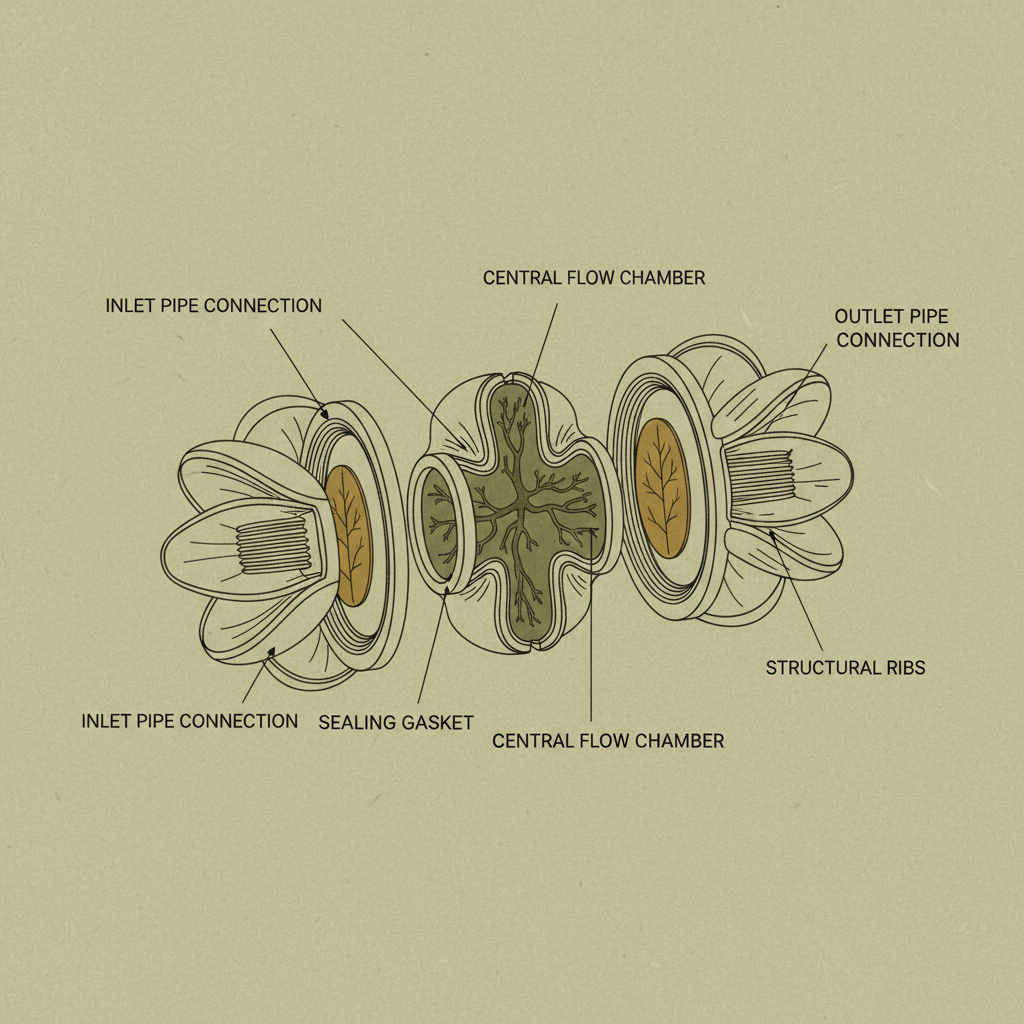
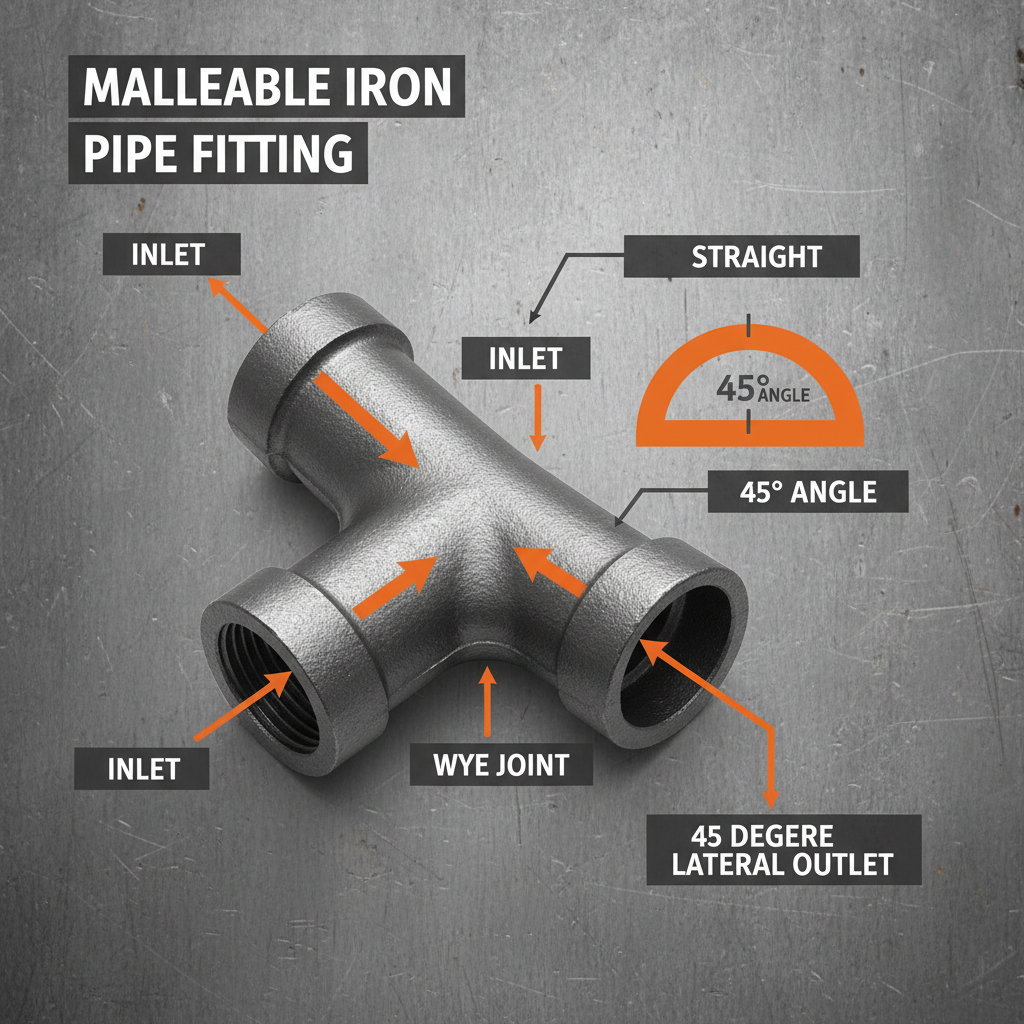
A 3/4 pack union is a type of pipe fitting designed to join two sections of 3/4 inch pipe or tubing, allowing for easy disconnection and reconnection without disturbing the piping system. It typically consists of a body, two nuts, and two compression ferrules, creating a robust and reliable seal. It's a key element in building flexible and maintainable fluid transfer systems.
The rise of modular systems and the demand for quick, tool-less connections have driven the increasing utilization of the 3/4 pack union. It directly addresses the need for adaptable infrastructure in various sectors, including chemical processing, pharmaceutical manufacturing, and even residential water supply. This adaptability makes it a cornerstone of modern fluid management.
Global Relevance and Industry Impact
The global market for pipe fittings, including 3/4 pack unions, is substantial and continues to grow, driven by infrastructure development, industrial expansion, and increasing urbanization. According to industry reports, the global pipe fittings market is projected to reach billions of dollars in the coming years, with a significant portion attributed to specialized fittings like pack unions. This growth is particularly evident in emerging economies.
Industries such as oil and gas, chemical processing, and water treatment heavily rely on 3/4 pack unions to maintain safe and efficient operations. Strict regulatory standards regarding fluid containment and environmental protection further fuel the demand for high-quality, reliable unions. Failures in piping systems can lead to costly downtime, environmental damage, and potential safety hazards, making the selection of appropriate fittings crucial.
The widespread adoption of the 3/4 pack union is not merely a matter of convenience; it's a critical component in ensuring the integrity of essential infrastructure worldwide. From delivering clean water to powering industrial processes, these seemingly small fittings play a vital role in maintaining a functioning society.
Core Components and Construction
The 3/4 pack union's functionality hinges on its core components: the body, nuts, and ferrules. The body, typically made of brass, stainless steel, or plastic, provides the structural framework for the connection. The nuts securely tighten the connection, while the ferrules, usually made of soft metal like brass or copper, compress onto the pipe to create a leak-proof seal. The material selection is critical, based on the fluid being transported and the operating conditions.
The compression mechanism is at the heart of the 3/4 pack union's sealing performance. When the nuts are tightened, the ferrules deform and conform to the pipe's outer surface, creating a tight, mechanical bond. This method is advantageous because it doesn't rely on adhesives or welding, making it easily reversible and maintainable. Correct tightening torque is essential for optimal sealing; over-tightening can damage the ferrules and the pipe, while under-tightening leads to leaks.
Modern 3/4 pack unions often incorporate features such as anti-vibration designs and specialized coatings to enhance durability and performance. These enhancements address challenges in demanding applications, such as those involving high-pressure fluids or corrosive environments. The quality of the manufacturing process and the materials used directly correlate to the union's overall reliability and lifespan.
Performance Characteristics of 3/4 Pack Unions
The performance of a 3/4 pack union is characterized by its pressure rating, temperature resistance, and compatibility with various fluids. A standard brass 3/4 pack union typically handles pressures up to 300 PSI and temperatures ranging from -65°F to 250°F. Stainless steel variants offer improved corrosion resistance and can withstand higher temperatures and pressures.
Leak-tightness is a paramount performance characteristic. A properly installed 3/4 pack union should exhibit minimal leakage under normal operating conditions. However, factors such as pipe material, surface finish, and installation technique can influence the sealing performance. Regular inspection and maintenance are essential to ensure continued leak-free operation.
3/4 Pack Union Performance Metrics
Real-World Applications of 3/4 Pack Unions
3/4 pack unions find extensive use in numerous industries. In the chemical processing sector, they are employed to connect pipes carrying corrosive fluids, benefiting from the chemical resistance of stainless steel unions. In plumbing systems, they provide a convenient way to join copper or PEX pipes, allowing for easy maintenance and repairs.
Within the pharmaceutical industry, stringent hygiene standards require leak-proof connections, making 3/4 pack unions a suitable choice for transferring sterile fluids. They're also prevalent in irrigation systems, providing a reliable method for connecting and disconnecting sections of piping for seasonal adjustments or repairs.
Advantages and Long-Term Value Proposition
The primary advantage of the 3/4 pack union lies in its ease of installation and disassembly, reducing downtime and maintenance costs. Its robust construction ensures long-term reliability, minimizing the risk of leaks and failures. The availability of various materials allows for customization based on specific application requirements.
From a sustainability perspective, the reusable nature of 3/4 pack unions reduces waste compared to disposable connection methods. Their long lifespan also contributes to reduced replacement frequency, lowering the overall environmental impact. The inherent safety features associated with secure fluid transfer enhance worker protection and prevent potential environmental contamination.
Future Trends and Innovation in Union Technology
Emerging trends in union technology focus on enhancing sealing performance, reducing installation time, and improving material compatibility. Research is underway to develop new ferrule designs and coatings that offer superior leak resistance and corrosion protection. Smart unions, equipped with sensors to monitor pressure and temperature, are also gaining traction.
The integration of digital technologies, such as 3D printing, is enabling the creation of customized 3/4 pack unions tailored to specific application needs. Furthermore, the use of eco-friendly materials and sustainable manufacturing processes is becoming increasingly important, aligning with the growing demand for environmentally responsible solutions.
FAQS
A correctly installed 3/4 pack union, using appropriate materials for the application, can last for several decades with minimal maintenance. Regular visual inspections are recommended to check for signs of corrosion or wear. Factors like fluid type, pressure, and temperature significantly influence lifespan. Replacing the ferrules every few years can extend the overall life of the union, especially in harsh environments.
Yes, 3/4 pack unions are versatile and can be used with various pipe materials, including copper, stainless steel, PEX, and even some types of plastic. However, it’s crucial to select the appropriate ferrule material that is compatible with both the pipe and the fluid being transported. Using incompatible materials can lead to corrosion, leakage, or premature failure.
The recommended torque for tightening a 3/4 pack union varies depending on the material and pipe size. Over-tightening can damage the ferrules and pipe, while under-tightening results in leaks. Always consult the manufacturer's specifications for the correct torque value. As a general guideline, a snug fit followed by a slight additional tightening is usually sufficient.
If a leak is detected, first ensure the nuts are properly tightened to the recommended torque. If the leak persists, carefully inspect the ferrules for damage or corrosion. Replacing the ferrules is often the first and most effective solution. If the pipe surface is damaged, it may also need to be replaced. Always depressurize the system before attempting any repairs.
Always depressurize the system before disassembling or tightening 3/4 pack unions. Wear appropriate personal protective equipment (PPE), such as safety glasses and gloves. Be mindful of the fluid being transported, as some may be hazardous. Ensure proper ventilation if working with volatile fluids. Follow all applicable safety regulations and manufacturer's instructions.
While both compression fittings and 3/4 pack unions utilize compression to create a seal, a pack union is generally designed for frequent disassembly and reassembly. Compression fittings are often more permanent connections. Pack unions typically have a body that allows for easier removal of the tubing or pipe without disturbing the surrounding piping. This makes them ideal for applications requiring regular maintenance or changes.
Conclusion
In summary, the 3/4 pack union stands as a versatile and reliable solution for joining pipes and tubing in a wide range of applications. Its ease of installation, durability, and adaptability make it an essential component in numerous industries, contributing to efficient and safe fluid handling systems. The continued evolution of materials and design promises even greater performance and sustainability in the future.
Looking ahead, advancements in sensor technology and smart materials will further enhance the capabilities of 3/4 pack unions, enabling predictive maintenance and improved operational efficiency. By embracing innovation and prioritizing quality, we can unlock the full potential of this essential fitting and ensure the long-term integrity of critical infrastructure. For high quality 3/4 pack unions, visit our website today.