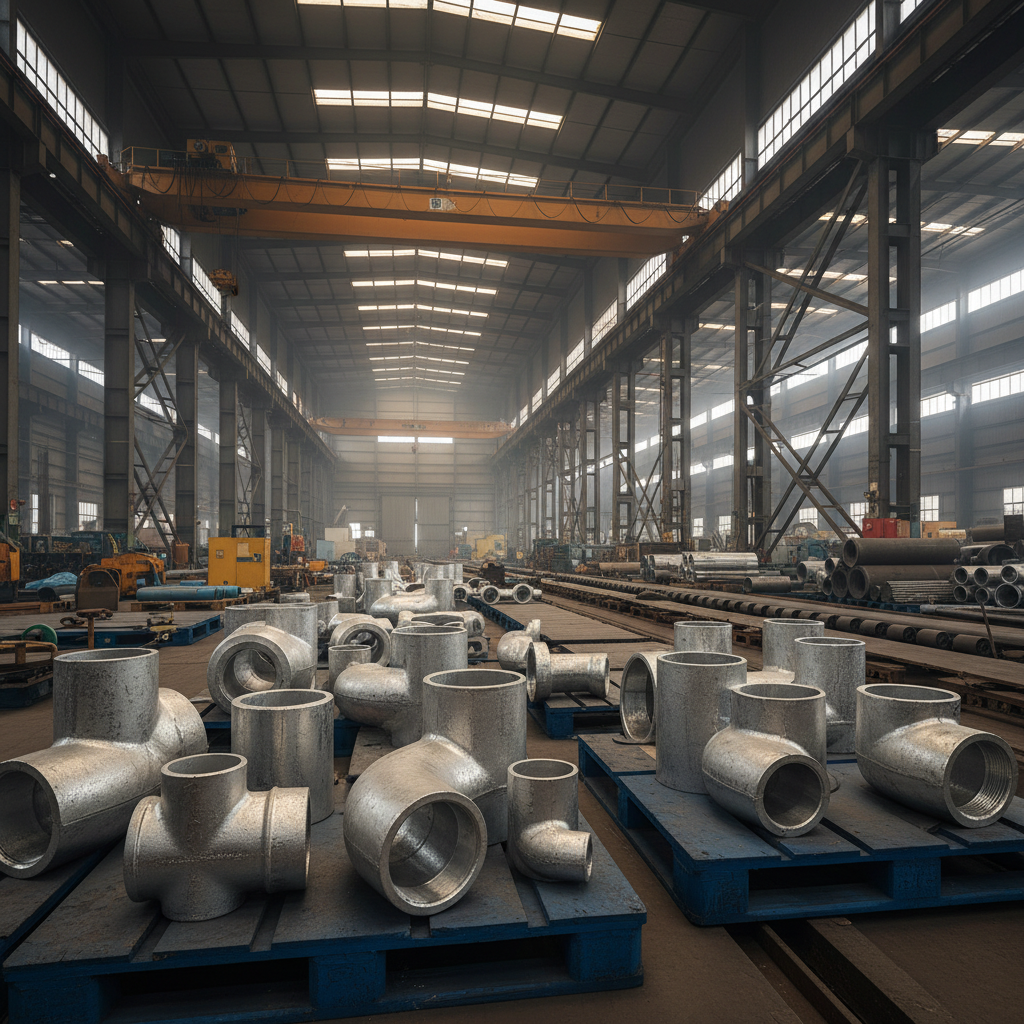
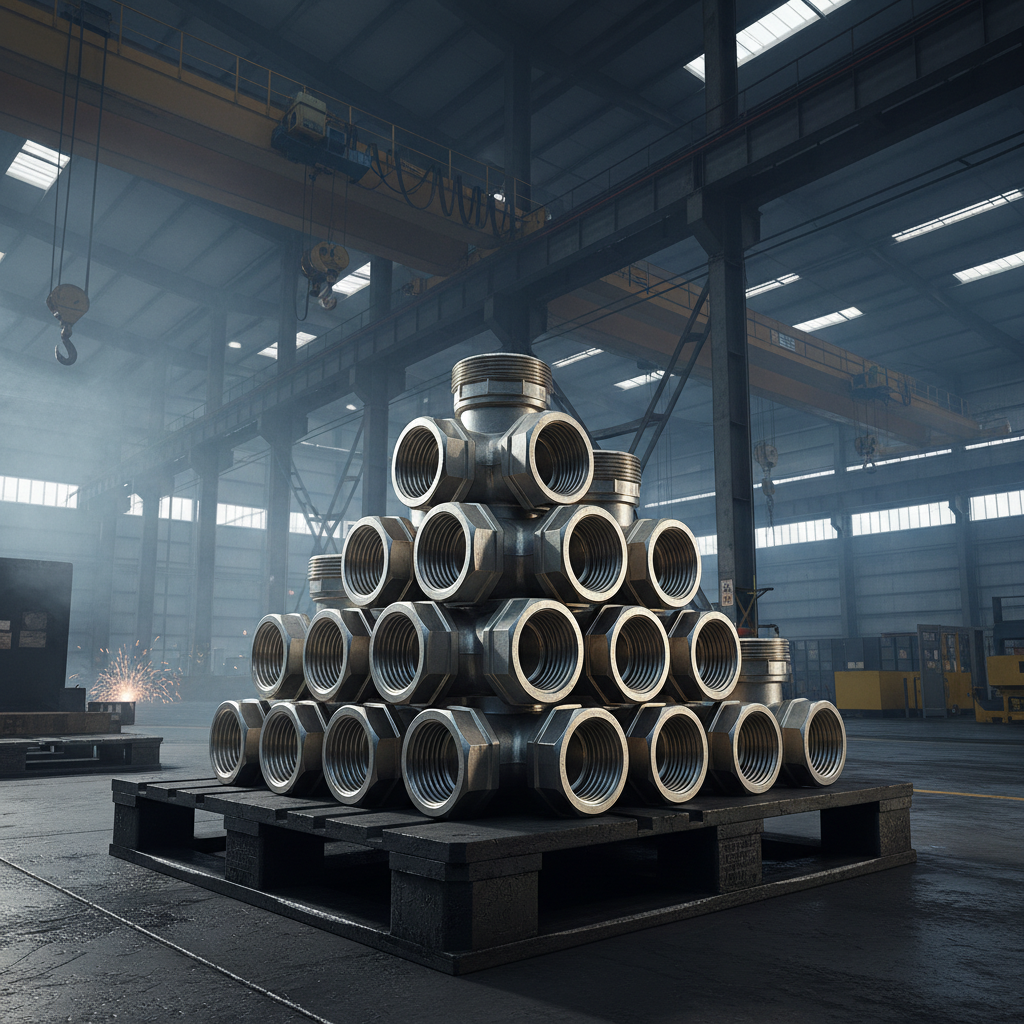
Pipefittings, often unseen yet fundamentally crucial, are the connectors that form the backbone of modern infrastructure. From the delivery of clean water to our homes, to the transport of vital resources in industrial settings, and even the complex piping systems within our buildings, these components enable the flow that sustains modern life. Understanding pipefittings isn't merely about recognizing elbows and tees; it's about comprehending a network that underpins global economies and public health.
Globally, the pipefitting industry represents a multi-billion dollar market, driven by continuous urbanization, increasing infrastructure investments, and stringent safety regulations. According to the World Bank, investments in water infrastructure alone require approximately $114 billion annually to meet current and future demands. These investments directly impact the demand for reliable and durable pipefittings. Ensuring efficient and secure piping systems is therefore not just an economic imperative but a crucial element of sustainable development.
A key challenge within the industry is the need to balance cost-effectiveness with long-term durability and environmental sustainability. Aging infrastructure, coupled with increased demand, necessitates innovative solutions in material science and connection technologies. Understanding the nuances of different pipefitting types – from threaded to welded to flanged – is paramount to addressing these challenges effectively and building resilient systems for the future.
Defining the Role of Pipefittings
Pipefittings are the essential components used to join sections of pipe, modify the direction of flow, and connect pipes to equipment. They are available in a vast array of materials—including steel, stainless steel, PVC, CPVC, copper, and various alloys—each chosen for its specific properties and applications. The right pipefittings are vital for ensuring a leak-proof, durable, and reliable piping system.
The importance of pipefittings extends beyond simple connection. They play a critical role in maintaining system pressure, preventing corrosion, and ensuring efficient fluid transport. In industries like oil and gas, petrochemicals, and pharmaceuticals, even the smallest fitting defect can lead to significant safety hazards and costly downtime. Selecting appropriate materials and connection methods based on the specific application is, therefore, paramount.
Global Significance and Industry Context
The global pipefitting industry is inextricably linked to worldwide economic development. As populations grow and industrialization expands, the demand for reliable fluid and gas transportation infrastructure increases exponentially. Developing nations, in particular, are investing heavily in upgrading their water and sanitation systems, driving substantial growth in the demand for pipefittings and related technologies.
The industry is subject to rigorous international standards, such as those established by the American Society of Mechanical Engineers (ASME) and the International Organization for Standardization (ISO), to ensure safety, quality, and interchangeability. Compliance with these standards is critical for manufacturers and end-users alike, particularly in regulated industries. Trade flows are significant, with major producing regions including China, the United States, and Europe.
However, the industry faces challenges related to material costs, supply chain disruptions, and the need for sustainable practices. Fluctuations in raw material prices, coupled with geopolitical instability, can impact manufacturing costs. Moreover, growing environmental concerns are driving demand for more eco-friendly materials and manufacturing processes.
Understanding Pipefitting Definitions
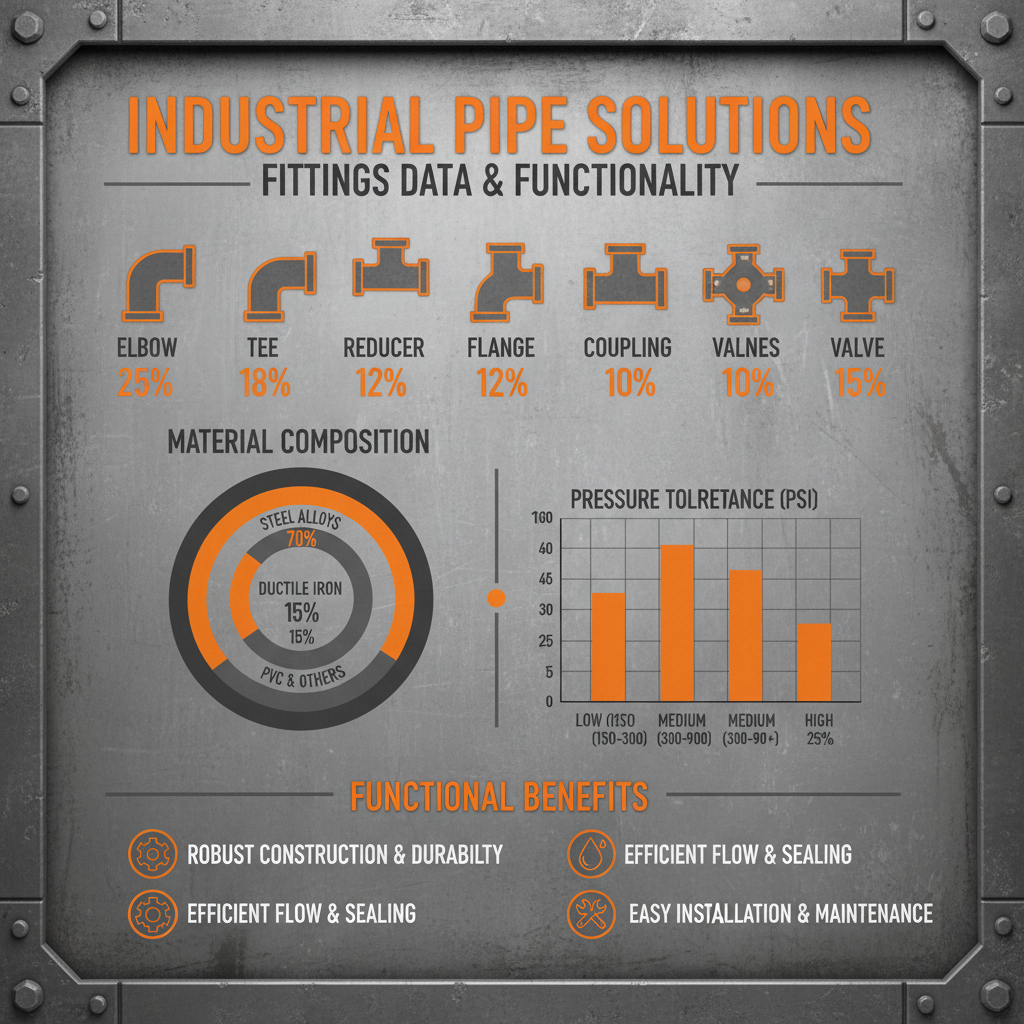
At its core, a pipefitting is a component that allows for changes in direction, branching, or connection within a piping system. The term encompasses a wide variety of shapes and sizes, each designed for a specific purpose. Common types include elbows, tees, couplings, reducers, unions, and flanges. Each fitting plays a vital role in creating a functional and reliable system.
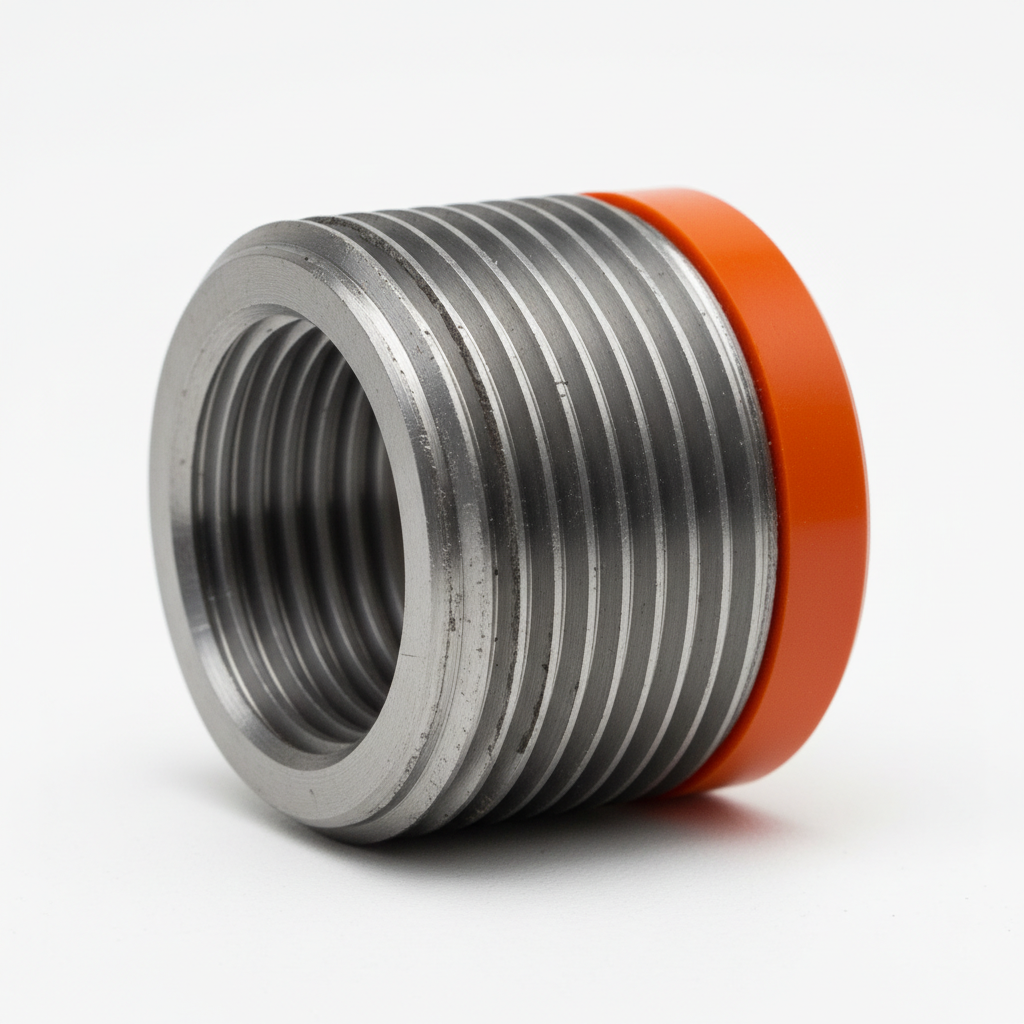
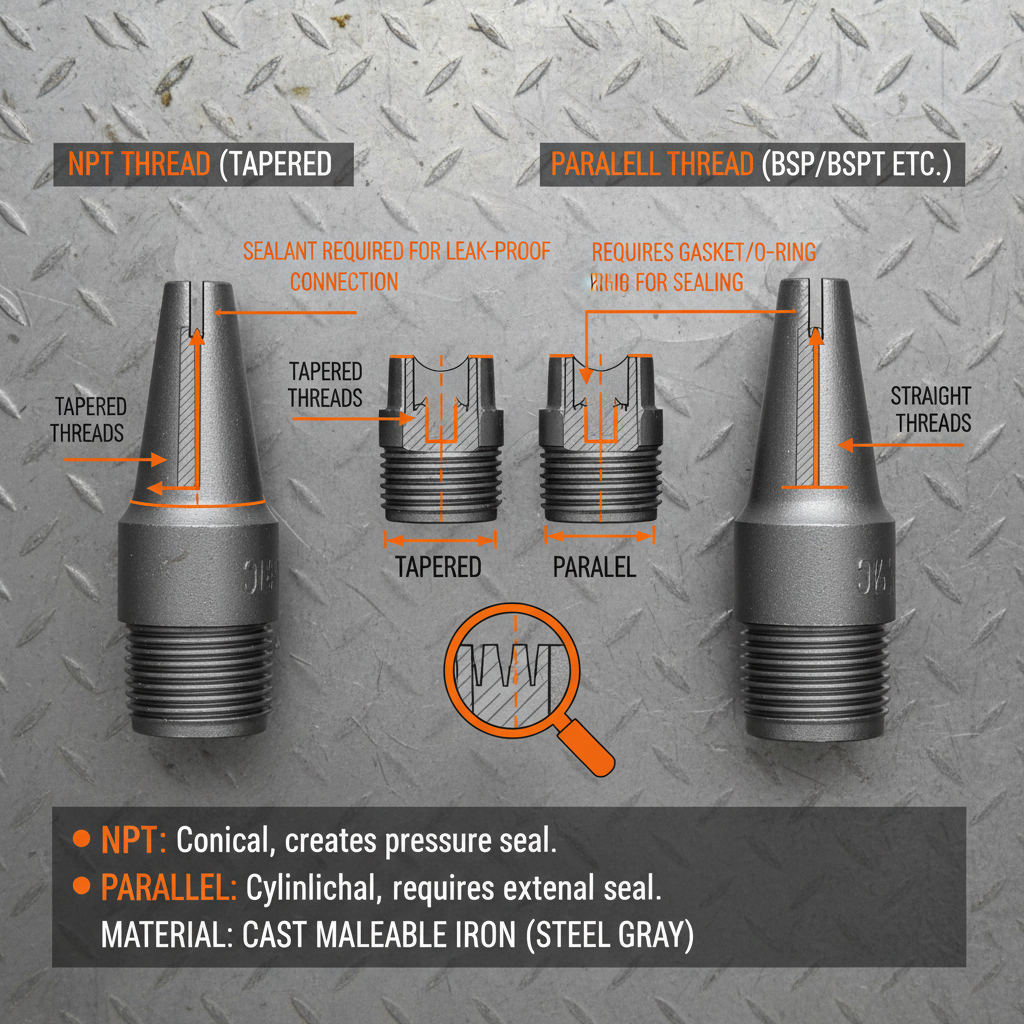
Understanding the different connection methods is also crucial. Threaded connections are commonly used for smaller diameter pipes and offer ease of installation. Welded connections provide a strong, leak-proof seal, ideal for high-pressure applications. Flanged connections allow for easy disassembly and maintenance, often used in large-diameter pipelines. Choosing the right connection method depends on factors like pressure, temperature, and the type of fluid being transported.
Pipefittings are intrinsically linked to modern industry and humanitarian needs. They are essential for delivering potable water to communities, managing wastewater, powering industrial processes, and transporting vital resources like oil and gas. Without reliable pipefittings, many of the conveniences and necessities of modern life would be impossible.
Core Components and Critical Factors
Durability is a cornerstone of effective pipefitting performance. Materials must withstand corrosion, erosion, and the stresses of pressure and temperature fluctuations. The choice of material significantly impacts longevity and reduces the need for frequent replacements, lowering life-cycle costs. Stainless steel, for instance, offers excellent corrosion resistance, while carbon steel provides high strength at a lower cost.
Scalability refers to the ability to adapt a piping system to changing needs. Modular pipefitting systems allow for easy expansion or modification without disrupting the entire infrastructure. Flanged connections, in particular, facilitate scalability by enabling quick and efficient disassembly and reassembly.
Pipefitting Performance Metrics
Real-World Applications Across Industries
In the oil and gas industry, specialized pipefittings are critical for transporting crude oil and natural gas safely and efficiently, often under extreme pressure and temperature conditions. High-alloy steels and welded connections are frequently used to ensure structural integrity.
Within the water and wastewater treatment sector, corrosion-resistant pipefittings are essential for delivering clean water and managing sewage. PVC and CPVC fittings are popular choices due to their resistance to chemical corrosion and cost-effectiveness. In post-disaster relief operations, portable water purification systems often rely on quick-connect pipefittings for rapid deployment.
The pharmaceutical and food processing industries demand hygienic pipefittings made from stainless steel to prevent contamination. These fittings are typically designed with smooth interiors and sanitary connections to minimize bacterial growth and facilitate cleaning.
The Advantages of Quality Pipefittings
Investing in high-quality pipefittings translates directly to cost savings over the long term. Reduced maintenance, fewer leaks, and extended lifespan minimize downtime and prevent costly repairs. Using durable materials also lowers the environmental impact by decreasing the frequency of replacements.
Reliable pipefittings contribute significantly to safety. Secure connections prevent accidental releases of hazardous materials, protecting both workers and the environment. Trustworthy systems instill confidence in operators and ensure smooth, uninterrupted operation.
Future Trends and Innovation in Pipefittings
The development of smart pipefittings with integrated sensors is a growing trend. These sensors can monitor pressure, temperature, and flow rates, providing real-time data for predictive maintenance and optimized system performance. Digital twins, virtual representations of physical piping systems, are also becoming increasingly prevalent, enabling engineers to simulate and analyze system behavior.
Sustainable materials are gaining traction. Bioplastics and recycled materials offer eco-friendly alternatives to traditional plastics. The increasing focus on green energy projects, such as hydrogen transportation, is driving demand for pipefittings specifically designed to handle these new fuels.
Automation in manufacturing processes is also improving the precision and efficiency of pipefitting production, reducing waste and lowering costs. 3D printing offers the potential to create custom pipefittings on demand, eliminating the need for large inventories and accelerating project timelines.
Addressing Challenges and Finding Solutions
A common challenge is ensuring the compatibility of different pipefitting materials and connection methods. Mixing incompatible materials can lead to corrosion and leaks. Thorough material selection and proper installation techniques are crucial to mitigating this risk.
Supply chain disruptions and fluctuating material costs present ongoing challenges. Diversifying sourcing and building strong relationships with suppliers can help mitigate these risks. Utilizing advanced planning and inventory management tools can also improve supply chain resilience.
The need for skilled labor is another concern. Investing in training programs and promoting apprenticeships can help address the shortage of qualified pipefitters. Embracing digital tools and automated technologies can also reduce the reliance on manual labor.
Summary of Critical Factors in Pipefitting Selection
| Material Type |
Pressure Rating |
Connection Method |
Application Area |
| Carbon Steel |
150 PSI |
Threaded |
General Industrial |
| Stainless Steel 304 |
300 PSI |
Welded |
Food Processing |
| PVC |
100 PSI |
Solvent Cement |
Irrigation |
| CPVC |
200 PSI |
Solvent Cement |
Hot Water Systems |
| Copper |
350 PSI |
Solder |
Residential Plumbing |
| PEX |
160 PSI |
Crimp/Expansion |
Radiant Heating |
FAQS
Copper and PEX are the most commonly used materials for pipefittings in residential plumbing systems. Copper offers excellent durability and corrosion resistance but can be more expensive and requires soldering. PEX is a more flexible and cost-effective option, utilizing crimp or expansion connections, and is increasingly popular for its ease of installation and resistance to freezing.
Selecting the correct pipefitting requires considering several factors, including the fluid being transported, operating pressure, temperature, and potential corrosion risks. Material compatibility is also critical; avoid mixing incompatible materials. Consult industry standards and manufacturer specifications to ensure the fitting meets the specific requirements of your application. Pipefittings quality should be prioritized.
Stainless steel pipefittings offer exceptional corrosion resistance, making them ideal for applications involving corrosive fluids or harsh environments. They also provide high strength and durability, reducing the need for frequent replacements. While more expensive than some other materials, stainless steel offers a long-term cost-effective solution in demanding applications.
Threaded pipefittings are joined by screwing them together, offering ease of installation and disassembly. They are suitable for lower-pressure applications. Welded pipefittings create a permanent, leak-proof seal by fusing the metal together. Welded connections are preferred for high-pressure applications where structural integrity is paramount.
Preventing leaks involves proper preparation of the pipe ends, using the correct sealant or thread tape, and tightening connections to the manufacturer's specifications. For welded connections, ensuring a proper weld bead and performing thorough inspections are crucial. Regularly inspect pipefitting connections for signs of corrosion or damage.
Yes, several eco-friendly pipefitting options are emerging, including those made from recycled materials and bioplastics. PVC alternatives and materials with lower embodied carbon footprints are also becoming more readily available. Choosing sustainable pipefittings contributes to a more environmentally responsible infrastructure.
Conclusion
Understanding pipefittings is fundamental to comprehending the infrastructure that supports modern life. From ensuring clean water access to powering industrial processes, these often-unseen components are critical to global sustainability and economic prosperity. By focusing on durability, scalability, and innovation in material science, we can build more reliable, efficient, and environmentally responsible piping systems.
As we look towards the future, embracing smart technologies, sustainable materials, and skilled workforce development will be essential to address the evolving challenges of the industry. Investing in quality pipefittings isn’t just a practical decision; it’s an investment in the long-term health, safety, and well-being of our communities.