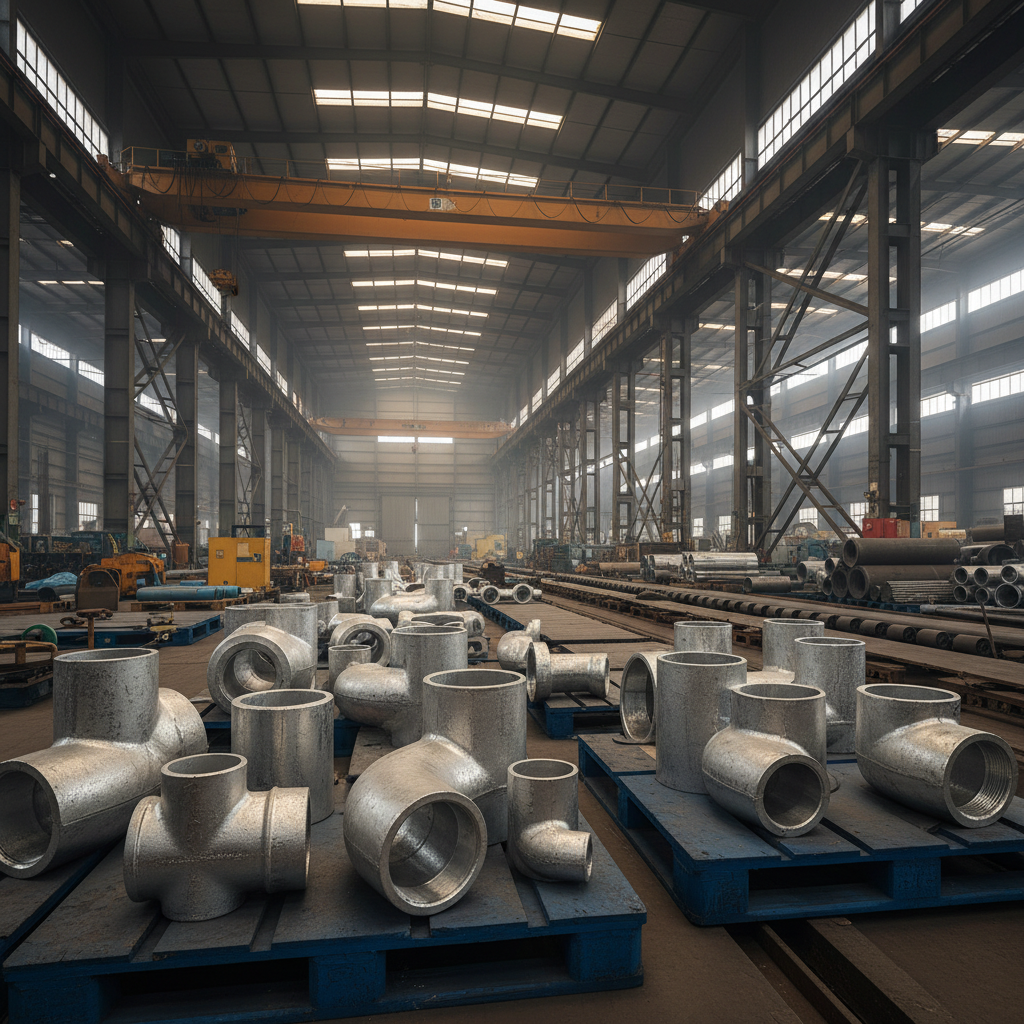
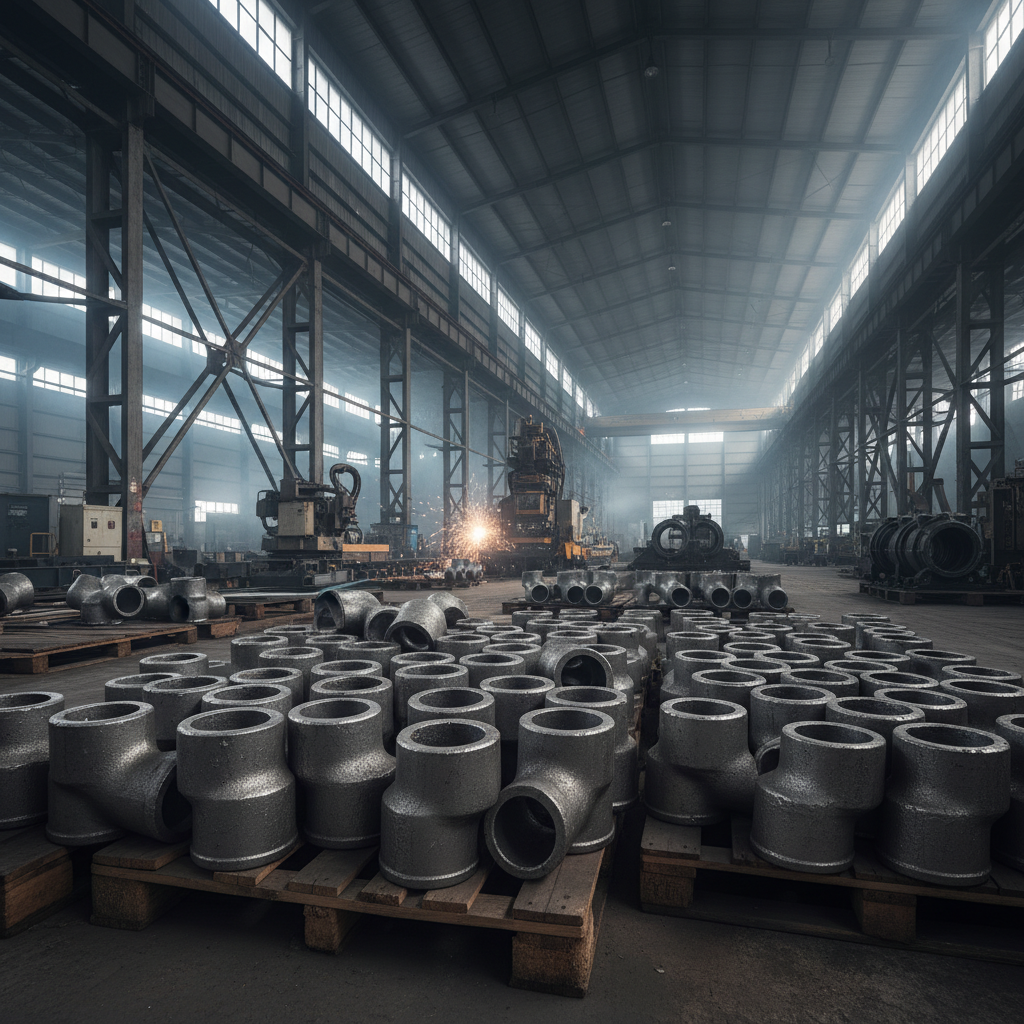
Galvanised pipe fittings are fundamental components in modern infrastructure, playing a critical role in a wide range of applications from potable water distribution to industrial processing. The process of galvanisation – applying a protective zinc coating to steel or iron – significantly enhances corrosion resistance, extending the lifespan of piping systems and reducing maintenance costs. Understanding the nuances of galvanised pipe fittings is essential for engineers, plumbers, and facility managers involved in designing, installing, and maintaining robust and reliable fluid transfer systems.
Globally, the demand for durable and cost-effective piping solutions continues to grow, driven by expanding urbanisation, infrastructure development, and the need for safe and reliable water and gas supply. The United Nations estimates that billions of dollars are invested annually in water infrastructure projects worldwide, with a significant portion dedicated to pipe networks. Galvanised steel remains a prevalent material, particularly in regions where affordability and longevity are paramount. However, increasing environmental concerns and the emergence of alternative materials necessitate continuous innovation in galvanisation technologies and fitting designs.
The enduring relevance of galvanised pipe fittings lies in their balance of performance, cost, and availability. While alternatives like plastic and stainless steel offer specific advantages, galvanised steel remains a workhorse material for numerous applications, providing a robust and dependable solution for fluid conveyance, structural support, and various mechanical connections. Proper selection and installation of these fittings are crucial for ensuring system integrity and long-term operational efficiency.
Introduction to galvanised pipe fittings
Galvanised pipe fittings are indispensable in countless engineering projects, providing a robust and reliable means of connecting and directing fluid flow. Their widespread adoption stems from a unique combination of cost-effectiveness, durability, and ease of installation. From residential plumbing systems to large-scale industrial infrastructure, these fittings serve as critical components ensuring the safe and efficient transport of liquids and gases.
The process of galvanisation itself has a long history, dating back centuries as a means of protecting iron from rust. Modern galvanisation techniques have refined this process, resulting in significantly enhanced corrosion resistance and longer service lives for steel components. This makes galvanised pipe fittings an attractive option in environments exposed to harsh weather conditions, corrosive chemicals, or saline atmospheres.
Defining galvanised Pipe Fittings
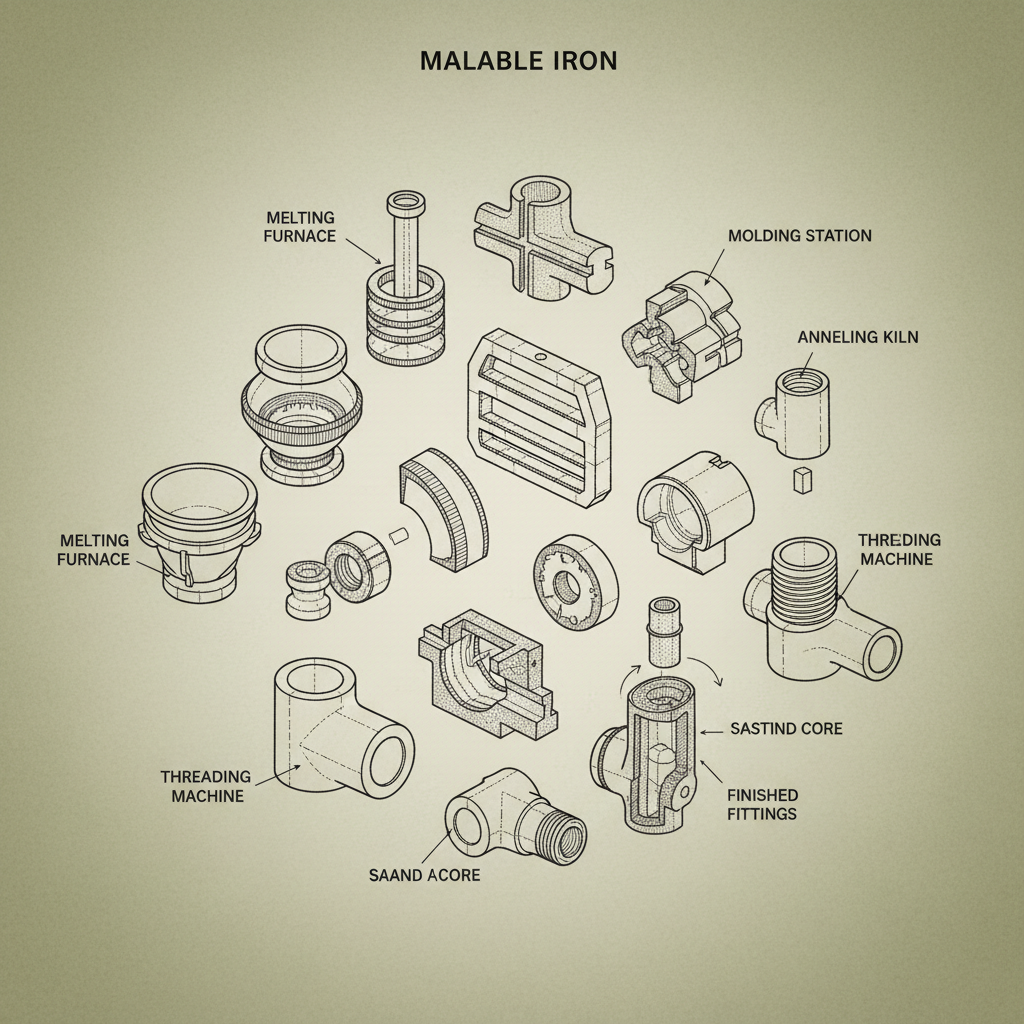
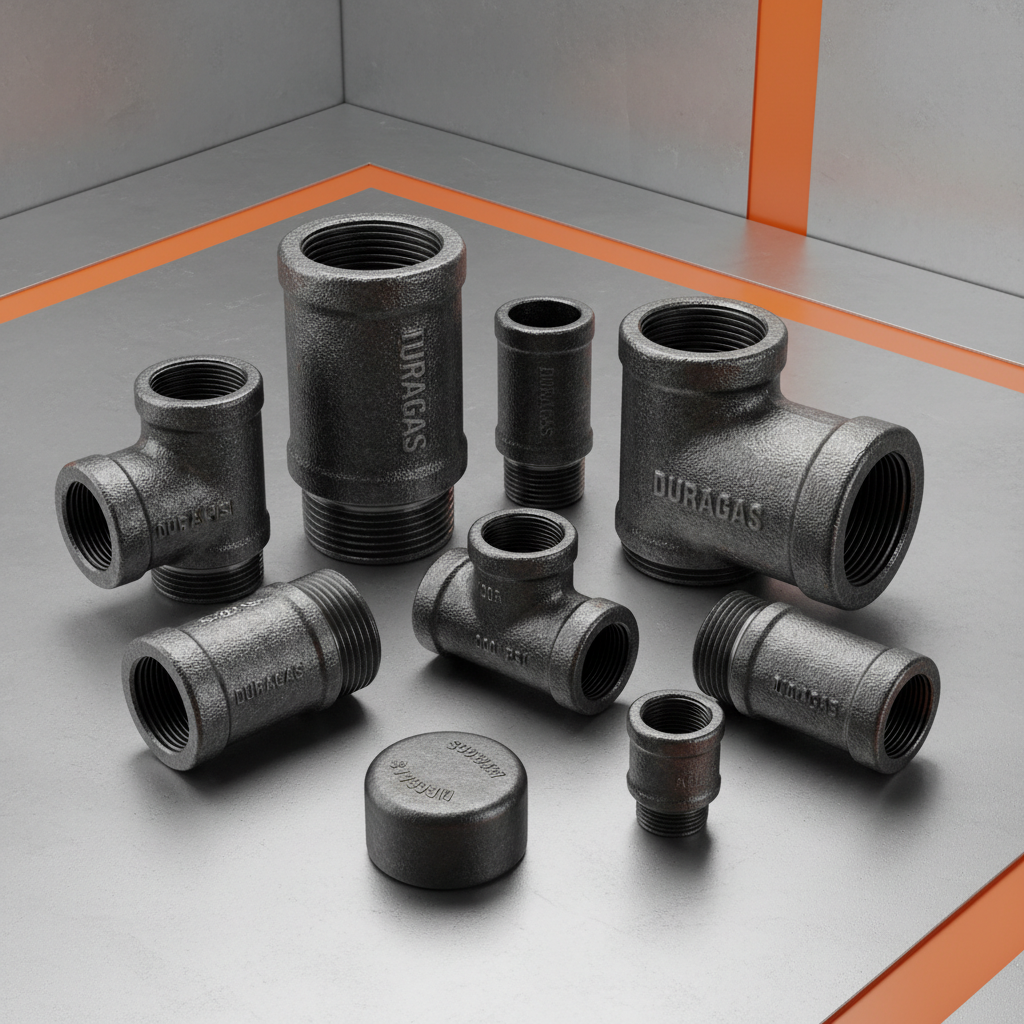
In simple terms, galvanised pipe fittings are components used to connect sections of galvanised steel or iron pipes. They come in a diverse range of shapes and sizes, including elbows, tees, couplings, reducers, and flanges, each serving a specific purpose in creating a functional piping system. The “galvanised” aspect refers to the zinc coating applied to the steel or iron, providing a barrier against corrosion.
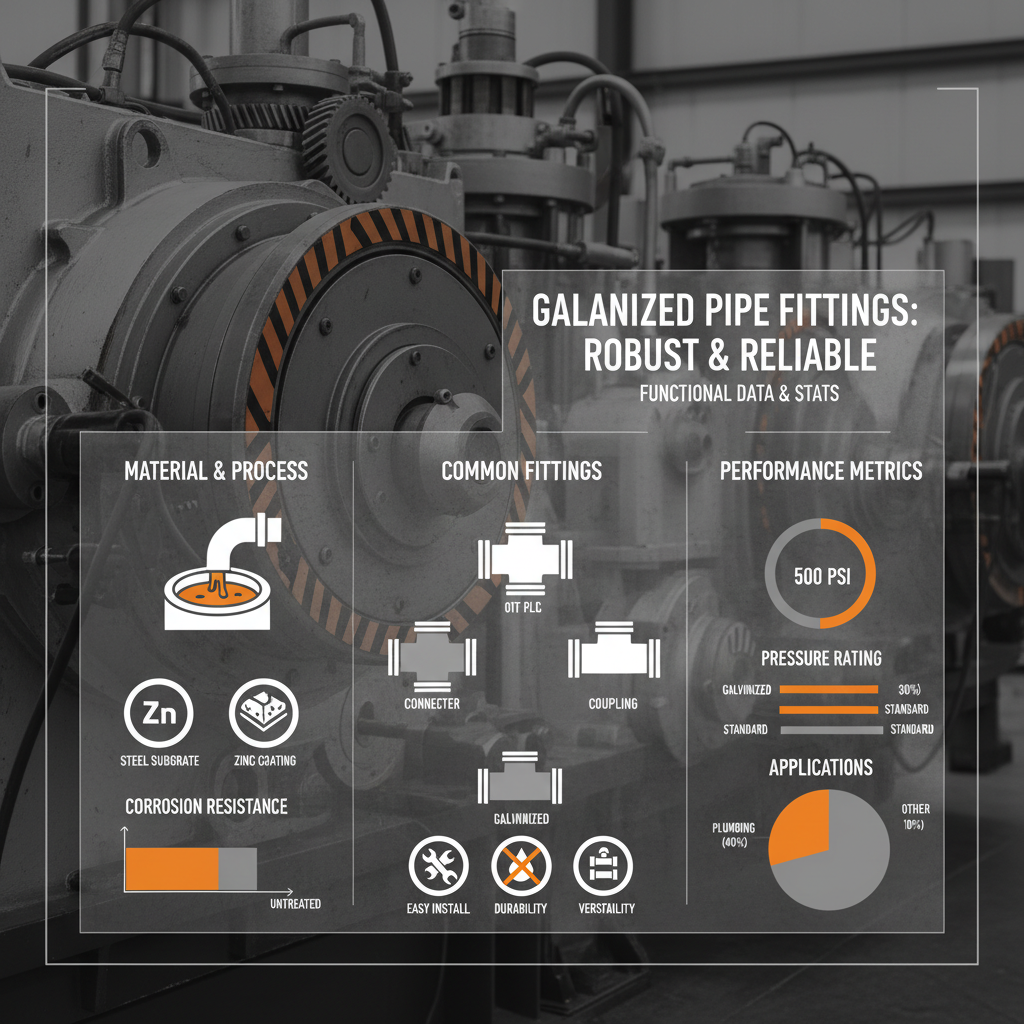
This protective coating is achieved through a process called galvanisation, typically either hot-dip galvanisation or electrogalvanisation. Hot-dip galvanisation involves immersing the steel fitting in a bath of molten zinc, creating a metallurgical bond between the zinc and the steel. Electrogalvanisation uses an electric current to deposit a layer of zinc onto the steel surface. Both methods result in a durable, corrosion-resistant finish.
The connection between these fittings and pipes is often made using threaded connections, welded joints, or compression fittings, depending on the application’s requirements and the materials involved. The ability to reliably join sections of pipe is what allows for the creation of complex and expansive piping networks, vital for modern infrastructure.
Core Attributes of galvanised Pipe Fittings
Several key characteristics contribute to the widespread use of galvanised pipe fittings. Firstly, their Durability is paramount. The zinc coating acts as a sacrificial anode, corroding before the underlying steel, effectively protecting it from rust and extending the service life of the piping system. Secondly, Cost-Effectiveness makes them a popular choice; galvanised steel is generally less expensive than stainless steel or other corrosion-resistant alloys.
Thirdly, Versatility is a crucial attribute. Galvanised pipe fittings are compatible with a wide range of piping systems and can be used in diverse applications. Fourthly, Ease of Installation contributes to their appeal, as they can be readily joined using standard plumbing tools and techniques. Fifth, Standardization exists with globally recognised standards that regulate the dimensions, materials, and performance of galvanised pipe fittings, ensuring compatibility and quality control.
Finally, Strength and Reliability are essential, ensuring the pipes and fittings maintain structural integrity under pressure and prevent leaks and failures.
These core attributes combine to make galvanised pipe fittings a consistently reliable and practical solution for a vast array of fluid conveyance needs, balancing performance with budgetary constraints.
Real-World Applications of galvanised Pipe Fittings
The applications of galvanised pipe fittings are incredibly diverse. In Potable Water Systems, they are widely used for distributing clean drinking water to residential, commercial, and industrial buildings. In the Agricultural Sector, they form the backbone of irrigation systems, delivering water to crops and livestock. They are also prevalent in Fire Protection Systems, providing a reliable means of delivering water to sprinklers and fire hoses.
Beyond these common applications, galvanised pipe fittings are essential in Industrial Processing Plants, where they transport various chemicals and fluids. They're also found in Gas Distribution Networks, delivering natural gas to homes and businesses. In post-disaster relief operations, portable water purification systems often rely on galvanised pipe fittings for their rapid deployment and durability.
In remote industrial zones, where access to sophisticated materials is limited, galvanised pipe fittings offer a practical and cost-effective solution for establishing essential infrastructure. Their ability to withstand harsh environmental conditions makes them particularly suitable for applications in coastal areas and offshore facilities.
Performance of Different galvanised Pipe Fittings Methods
Benefits and Long-Term Value
The benefits of utilising galvanised pipe fittings extend far beyond immediate cost savings. The primary advantage is Enhanced Longevity. The corrosion protection provided by the zinc coating significantly reduces the need for repairs and replacements, lowering lifecycle costs. This contributes to Sustainable Practices by minimising material waste and reducing the environmental impact of frequent replacements.
Furthermore, the reliability of these fittings ensures Operational Safety. The prevention of leaks and failures reduces the risk of accidents and ensures the consistent and safe delivery of fluids. This, in turn, builds Trust and Confidence in the integrity of the infrastructure. Investing in galvanised pipe fittings can also contribute to increased property values, demonstrating a commitment to quality and long-term maintenance.
Future Trends in galvanised Pipe Fittings
Several exciting trends are shaping the future of galvanised pipe fittings. Research and development are focused on improving the efficiency and environmental friendliness of the galvanisation process itself, with an emphasis on reducing zinc consumption and minimising waste. The integration of Smart Technologies – such as sensors embedded in fittings to monitor pressure, temperature, and corrosion levels – is also gaining traction.
The demand for High-Strength, Lightweight Fittings is driving innovation in alloy compositions and manufacturing techniques. The rise of Digital Twins – virtual replicas of physical piping systems – allows for predictive maintenance and optimised performance. Furthermore, increased adoption of Green Building Standards is promoting the use of durable and sustainable materials like galvanised steel.
Challenges and Innovative Solutions
Despite their numerous advantages, galvanised pipe fittings face certain challenges. One key concern is the potential for White Rust – a corrosion product that can form on the zinc coating under certain conditions. This can be mitigated through proper storage, handling, and application of protective coatings. Another challenge is the Compatibility with Dissimilar Metals, which can lead to galvanic corrosion.
Innovative solutions are emerging to address these issues. The development of Advanced Zinc Alloys with improved corrosion resistance is ongoing. The use of Protective Coatings – such as epoxy or polyurethane – can further enhance the durability of galvanised fittings. Furthermore, Improved Installation Techniques and adherence to industry best practices are crucial for ensuring long-term performance.
The development of coatings that incorporate self-healing properties promises to further extend the lifespan of galvanised pipe fittings and reduce maintenance requirements. These advancements are driving the evolution of these essential components towards greater reliability and sustainability.
A Comparative Analysis of Galvanised Pipe Fitting Performance Characteristics
| Fitting Type |
Corrosion Resistance (1-10) |
Pressure Rating (PSI) |
Installation Complexity (1-5) |
| Threaded Elbow (1/2 inch) |
8 |
600 |
2 |
| Slip Coupling (1 inch) |
7 |
500 |
1 |
| Tee Fitting (3/4 inch) |
9 |
700 |
3 |
| Reducer Bushing (1/2 to 3/4 inch) |
7.5 |
650 |
2 |
| Flanged Joint (2 inch) |
8.5 |
800 |
4 |
| Union Fitting (1 inch) |
6 |
400 |
3 |
FAQS
Galvanised pipe fittings offer a compelling balance of cost-effectiveness, strength, and durability. While copper is known for its corrosion resistance, it's considerably more expensive. PVC is lightweight and easy to install, but lacks the structural strength and high-temperature tolerance of galvanised steel. Galvanised steel provides a robust, reliable solution at a lower price point than copper, making it ideal for numerous applications, particularly where high pressure or mechanical stress are factors.
Proper installation and maintenance are crucial. Ensure fittings are free of scratches or damage to the zinc coating before installation. Avoid contact with dissimilar metals that can cause galvanic corrosion. Regularly inspect the fittings for any signs of damage or corrosion, and touch up any affected areas with a zinc-rich paint or coating. Consider using protective wraps or coatings in particularly harsh environments.
The lifespan of a galvanised pipe fitting system can vary significantly depending on the environment and maintenance practices. In typical indoor applications, a well-maintained system can last 50-70 years or more. In more corrosive environments, such as coastal areas or industrial settings, the lifespan may be shorter, but still typically exceeds 30-40 years. Regular inspections and proactive maintenance can extend the lifespan considerably.
Yes, building codes and standards vary by region and application. It’s essential to consult local building codes and industry standards, such as those set by ASTM International (American Society for Testing and Materials) and ANSI (American National Standards Institute). These standards specify requirements for materials, dimensions, testing, and installation of galvanised pipe fittings to ensure safety and performance.
Yes, galvanised pipe fittings are commonly used in potable water systems, provided they meet the relevant standards for drinking water safety. However, it's important to ensure that the fittings are lead-free and that the water chemistry is compatible with galvanised steel to prevent leaching of zinc or other metals. Regular flushing of the system can also help maintain water quality.
Threading galvanised pipe requires specific techniques to avoid damaging the zinc coating. Use sharp threading dies specifically designed for galvanised steel. Apply a generous amount of cutting oil during threading to lubricate the dies and prevent galling. After threading, clean the threads thoroughly and apply a zinc-rich anti-seize compound before assembly to protect the threads from corrosion and ensure a tight seal.
Conclusion
In conclusion, galvanised pipe fittings remain a cornerstone of modern infrastructure, offering a robust, cost-effective, and reliable solution for fluid conveyance. Their durability, versatility, and ease of installation make them a practical choice for a wide range of applications, from residential plumbing to large-scale industrial systems. Understanding their core attributes, proper installation techniques, and potential challenges is crucial for ensuring long-term performance and safety.
Looking ahead, continuous innovation in galvanisation technology, coupled with the integration of smart technologies and a growing emphasis on sustainability, will further enhance the value and longevity of these essential components. By embracing best practices and exploring emerging advancements, we can continue to rely on galvanised pipe fittings to deliver safe, efficient, and reliable fluid transfer solutions for generations to come. For a comprehensive range of high-quality galvanised pipe fittings, visit our website: www.malleablefitting.com.