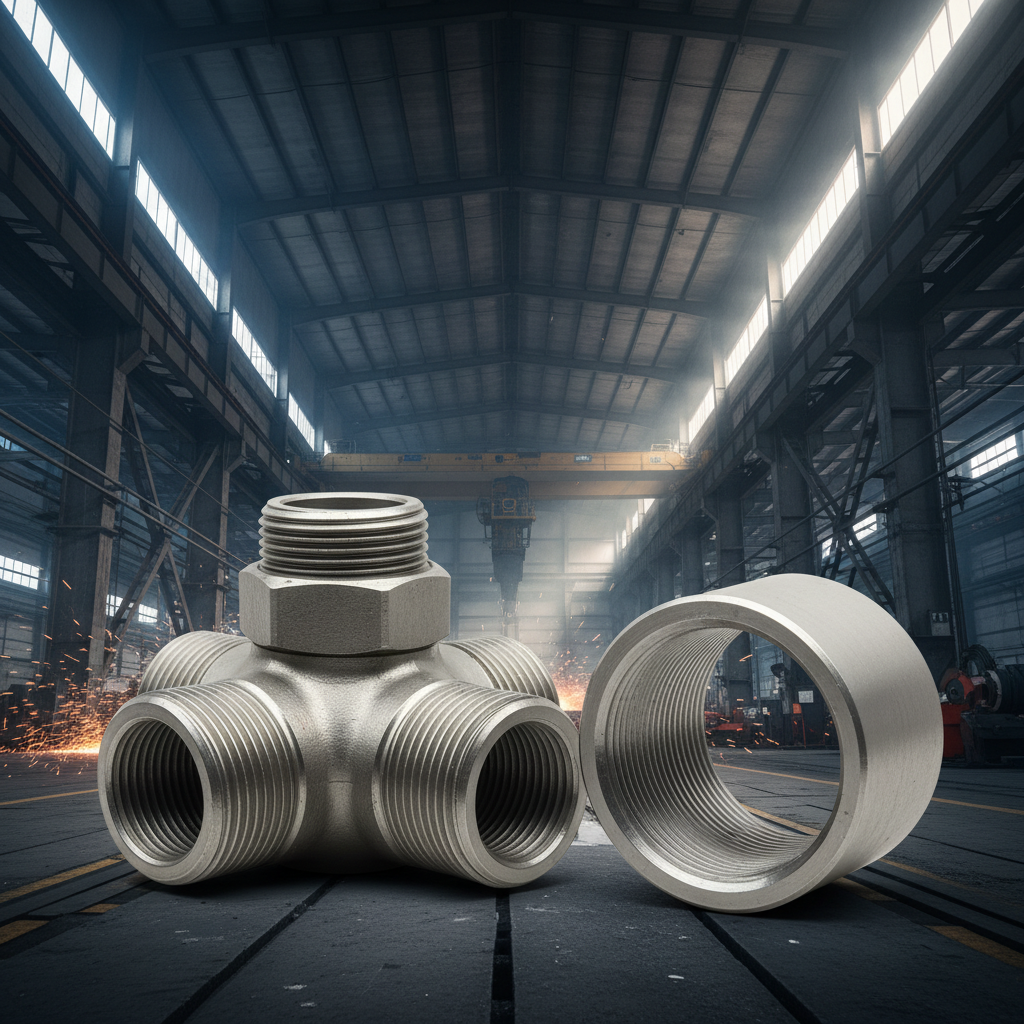
The 3/4 union fitting, a seemingly simple component, plays a critical role in countless industries and applications worldwide. From plumbing and irrigation to industrial processing and even scientific research, this fitting provides a reliable and efficient way to connect two pipes or tubing of the same size. Understanding the nuances of the 3/4 union fitting – its materials, construction, and applications – is essential for engineers, technicians, and anyone involved in fluid transfer systems. Proper selection and installation of a 3/4 union fitting can prevent leaks, ensure system integrity, and optimize performance, ultimately saving time and resources.
Globally, the demand for robust and dependable fluid transfer solutions is constantly increasing, driven by population growth, infrastructure development, and industrial expansion. This translates directly into a substantial market for fittings like the 3/4 union fitting. The United Nations estimates that billions of people still lack access to clean water and sanitation, highlighting the critical need for efficient plumbing systems. Industries such as oil and gas, chemical processing, and pharmaceuticals rely heavily on leak-proof connections to maintain safety and prevent costly disruptions. 3/4 union fitting are fundamental to these systems.
A 3/4 union fitting, at its core, is designed to connect two pipes or tubes, both measuring 3/4 of an inch in diameter. Unlike couplings, which simply join two pipes end-to-end, a union fitting allows for easy disconnection and reconnection without disturbing the connected piping. This makes it invaluable for maintenance, repairs, or system modifications. Its widespread use across diverse sectors underscores its versatility and essential function in modern infrastructure and industrial operations.
Understanding the Core Functionality of 3/4 Union Fitting
The primary function of a 3/4 union fitting is to provide a detachable connection between two sections of 3/4-inch piping. This differs from couplings which create a permanent bond. This detachability is crucial for maintenance, repair, or replacement of pipe sections without disrupting the entire system. The fitting’s design often incorporates threads or compression mechanisms to ensure a secure, leak-proof seal. 3/4 union fitting are available in various materials and connection types to suit diverse applications.
The ease of disassembly afforded by the 3/4 union fitting is a significant advantage in situations where frequent access to piping is required. This is common in industrial settings where equipment is routinely serviced or upgraded. By eliminating the need to cut and re-weld pipes, the union fitting significantly reduces downtime and maintenance costs. It's a cornerstone of efficient fluid transfer systems, ensuring reliability and operational flexibility.
The Global Significance of 3/4 Union Fittings
The demand for 3/4 union fittings is directly correlated with global infrastructure development and industrial activity. Rapid urbanization and population growth, particularly in developing nations, necessitate extensive plumbing and water distribution networks. These networks rely heavily on fittings, including the 3/4 union fitting, to ensure efficient and reliable fluid transport. Furthermore, the expansion of industries such as oil and gas, chemical processing, and manufacturing drives demand for robust and durable connection components.
The increasing emphasis on water conservation and sustainable resource management also contributes to the significance of 3/4 union fittings. Efficient plumbing systems, facilitated by reliable fittings, minimize water waste and reduce environmental impact. The fitting's ability to allow for easy repair and replacement further supports sustainability by extending the lifespan of existing infrastructure. Global standards organizations, such as the ISO, play a role in establishing quality control measures for fittings, ensuring consistent performance and reliability.
Beyond infrastructure, 3/4 union fittings are essential in agricultural irrigation systems, providing a convenient means to connect and disconnect sections of pipe for seasonal adjustments or maintenance. In residential construction, they are crucial for plumbing installations, enabling easy access to fixtures for repairs or upgrades. The ubiquity of this seemingly simple fitting underscores its vital role in supporting modern life worldwide.
Defining the 3/4 Union Fitting: A Fundamental Component
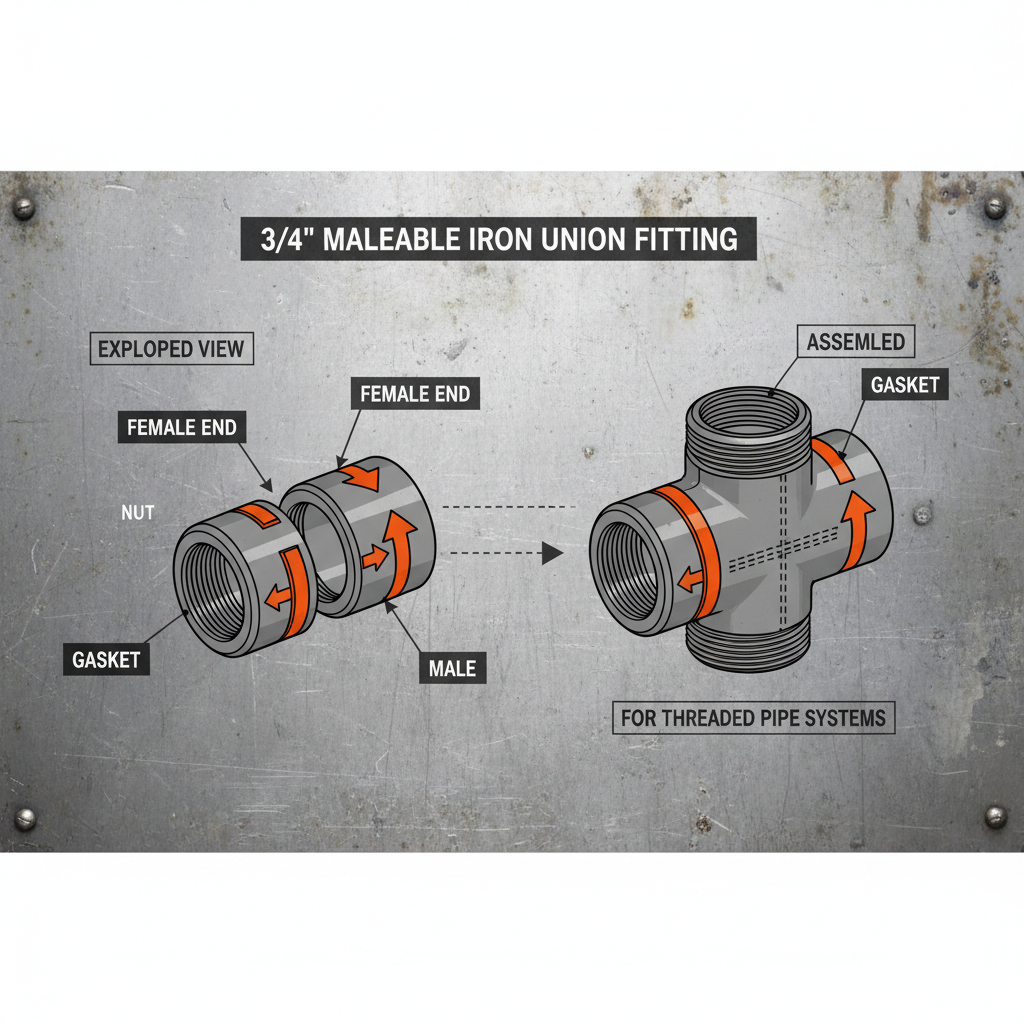
A 3/4 union fitting is a pipe fitting with threaded connections on both ends, designed to join two pipes of the same nominal size (3/4 inch) while allowing for easy disassembly. It typically consists of three main parts: two threaded ends and a nut that tightens to compress a sealing element, such as Teflon tape or O-rings, creating a leak-proof connection. This design differs from a coupling, which permanently joins two pipes.
The 3/4 union fitting bridges the gap between permanent connections and the need for frequent access to piping. Its significance extends beyond simple plumbing; it's fundamental in industrial processes, scientific instrumentation, and any system requiring the controlled flow of fluids. The "3/4" designation refers to the internal diameter of the fitting, ensuring compatibility with standard 3/4-inch pipes and tubing. The choice of material for the 3/4 union fitting—brass, stainless steel, PVC, etc.—depends on the fluid being conveyed and the environmental conditions.
The ability to disconnect and reconnect a system without disturbing connected components offers substantial time and cost savings. This functionality is particularly valuable in situations where regular maintenance, component replacement, or system modifications are necessary, making the 3/4 union fitting an indispensable element in numerous applications.
Key Characteristics of Effective 3/4 Union Fittings
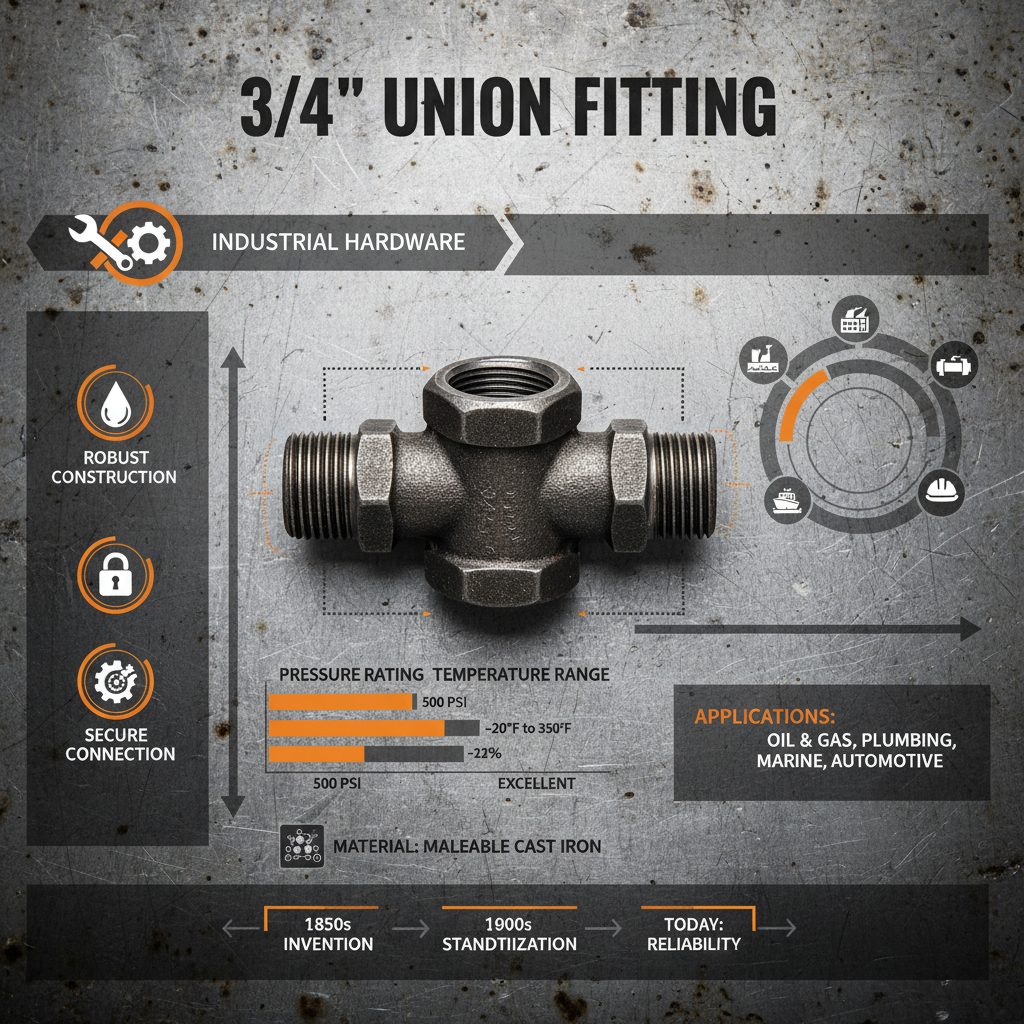
The effectiveness of a 3/4 union fitting hinges on several key characteristics. First, material compatibility is crucial. The fitting must be constructed from a material that resists corrosion and degradation when exposed to the fluid being conveyed. Second, the quality of the threads is paramount; properly machined threads ensure a secure and leak-proof connection. Third, the sealing mechanism – whether it's Teflon tape, O-rings, or another type of gasket – must be reliable and able to withstand the system's pressure and temperature.
Durability is another critical factor. A robust 3/4 union fitting can withstand repeated disassembly and reassembly without compromising its integrity. Pressure rating is also important, especially in high-pressure applications. Fittings must be capable of withstanding the maximum pressure of the system without failing. Finally, adherence to industry standards (e.g., ASTM, ISO) ensures consistent quality and performance.
Comparative Performance of 3/4 Union Fitting Materials
Diverse Global Applications of 3/4 Union Fittings
3/4 union fittings find widespread use in residential plumbing, providing convenient connections for water heaters, sinks, toilets, and washing machines. In the agricultural sector, they are vital for irrigation systems, allowing for the easy configuration and modification of water distribution networks. Industrial applications include chemical processing plants, where they connect piping for handling corrosive fluids, and oil refineries, where they ensure leak-proof connections in high-pressure environments.
Furthermore, 3/4 union fittings are essential in fire suppression systems, connecting sprinkler heads and water supply lines. In the automotive industry, they are used in cooling systems and fuel lines. In remote industrial zones or post-disaster relief operations, their ease of assembly and disassembly is invaluable, allowing for rapid deployment and repair of critical infrastructure.
The Long-Term Value and Advantages of 3/4 Union Fittings
Investing in quality 3/4 union fittings translates to long-term cost savings through reduced maintenance and downtime. Their durability and reliability minimize the risk of leaks and system failures, preventing costly repairs and disruptions. The ability to easily disassemble and reassemble piping without the need for specialized tools or welding further contributes to cost efficiency.
Beyond economic benefits, 3/4 union fittings contribute to environmental sustainability by minimizing water waste and preventing the release of hazardous fluids. They also enhance workplace safety by reducing the risk of accidents caused by leaks or system failures. Choosing corrosion-resistant materials extends the lifespan of the fitting and the entire system, reducing the need for frequent replacements.
Future Trends and Innovations in 3/4 Union Fitting Technology
The future of 3/4 union fitting technology is likely to be shaped by advancements in materials science, manufacturing processes, and digital integration. The development of new, more durable and corrosion-resistant materials, such as advanced polymers and alloys, will enhance the performance and lifespan of fittings. Smart fittings, equipped with sensors and communication capabilities, could provide real-time monitoring of system pressure, temperature, and flow rate, enabling predictive maintenance and preventing failures.
Automation and robotic assembly techniques will streamline the manufacturing process, reducing costs and improving quality control. Sustainable manufacturing practices, such as the use of recycled materials and energy-efficient production methods, will become increasingly important. The integration of 3D printing technology could allow for the customized production of fittings tailored to specific application requirements.
These innovations, combined with growing demands for efficiency and sustainability, will drive the evolution of the 3/4 union fitting, ensuring its continued relevance in a rapidly changing world.
Summary of Key Considerations in 3/4 Union Fitting Selection
| Material Composition |
Pressure Rating |
Connection Type |
Application Suitability |
| Brass – Excellent corrosion resistance for potable water |
150 PSI – Suitable for standard residential plumbing |
Threaded – Most common for ease of installation |
Residential plumbing, general water systems |
| Stainless Steel – Superior strength and corrosion resistance |
300 PSI – Ideal for high-pressure industrial applications |
Compression – Provides a secure, leak-proof seal |
Chemical processing, oil & gas, marine environments |
| PVC – Lightweight and cost-effective for low-pressure systems |
100 PSI – Suitable for irrigation and drainage systems |
Solvent Weld – Creates a permanent, fused connection |
Irrigation, drainage, swimming pool plumbing |
| CPVC – Higher temperature resistance than PVC |
100 PSI – Can handle moderately hot fluids |
Threaded – Convenient for repairs and modifications |
Hot water distribution, industrial processes |
| Polypropylene – Chemical resistance for aggressive fluids |
75 PSI – Suitable for low-pressure chemical handling |
Flanged – Provides a robust and reliable connection |
Chemical laboratories, industrial waste treatment |
| Bronze – Excellent corrosion resistance in saltwater |
200 PSI – Suitable for marine and offshore applications |
Solder – Creates a strong and leak-proof joint |
Marine plumbing, shipbuilding, saltwater systems |
FAQS
The key difference lies in their functionality. A 3/4 coupling permanently joins two pipes, whereas a 3/4 union fitting allows for easy disconnection and reconnection. Unions have a nut that, when loosened, separates the two connected pipe sections without needing to cut or rotate the pipes, making them ideal for maintenance or system modifications. This flexibility comes at a slight cost increase and increased size compared to a coupling.
Common materials include brass, stainless steel, PVC, and CPVC. Brass offers excellent corrosion resistance for potable water, while stainless steel provides superior strength and corrosion resistance in harsh environments. PVC is lightweight and cost-effective for low-pressure systems, and CPVC can handle higher temperatures. Material selection should be based on the fluid being conveyed, operating temperature, and pressure requirements.
Proper installation is crucial. Begin by cleaning the threads of both pipes and the fitting. Apply Teflon tape or pipe dope to the male threads, ensuring it’s applied in the direction of the threads. Tighten the nut firmly, but avoid over-tightening, which can damage the threads. Always test the connection for leaks after installation and make adjustments as needed. Use the appropriate wrench size to prevent damage.
The pressure rating should always exceed the maximum operating pressure of your system. Check the specifications of the fitting and ensure it’s rated for the intended application. Exceeding the pressure rating can lead to fitting failure and potential system damage. Different materials have different pressure ratings; stainless steel generally offers higher ratings than PVC.
Generally, it’s not recommended to directly connect dissimilar metals or plastics with a standard 3/4 union fitting due to potential galvanic corrosion or material incompatibility. Transition fittings or dielectric unions should be used to prevent corrosion when connecting different materials. These fittings isolate the dissimilar metals, preventing electrochemical reactions.
The lifespan of a 3/4 union fitting depends on the material, operating conditions, and maintenance. Brass and stainless steel fittings can last for decades with proper care. PVC and CPVC fittings may have a shorter lifespan, particularly in harsh environments. Regular inspection and maintenance, including checking for leaks and corrosion, can significantly extend the lifespan of any fitting.
Conclusion
The 3/4 union fitting, despite its unassuming appearance, stands as a critical component in a vast array of industries and applications. Its ability to provide a reliable, detachable connection is invaluable for maintenance, repair, and system modifications, contributing to cost savings, increased efficiency, and enhanced safety. From residential plumbing to industrial processing and beyond, the 3/4 union fitting is essential for ensuring the safe and efficient transfer of fluids.
Looking ahead, continued innovation in materials science and manufacturing techniques will further enhance the performance and sustainability of these fittings. The integration of smart technologies and automation promises to streamline installation and monitoring, while a growing emphasis on eco-friendly materials and processes will contribute to a more sustainable future. For reliable fluid transfer solutions, explore the range of options available at Pannex Fittings.