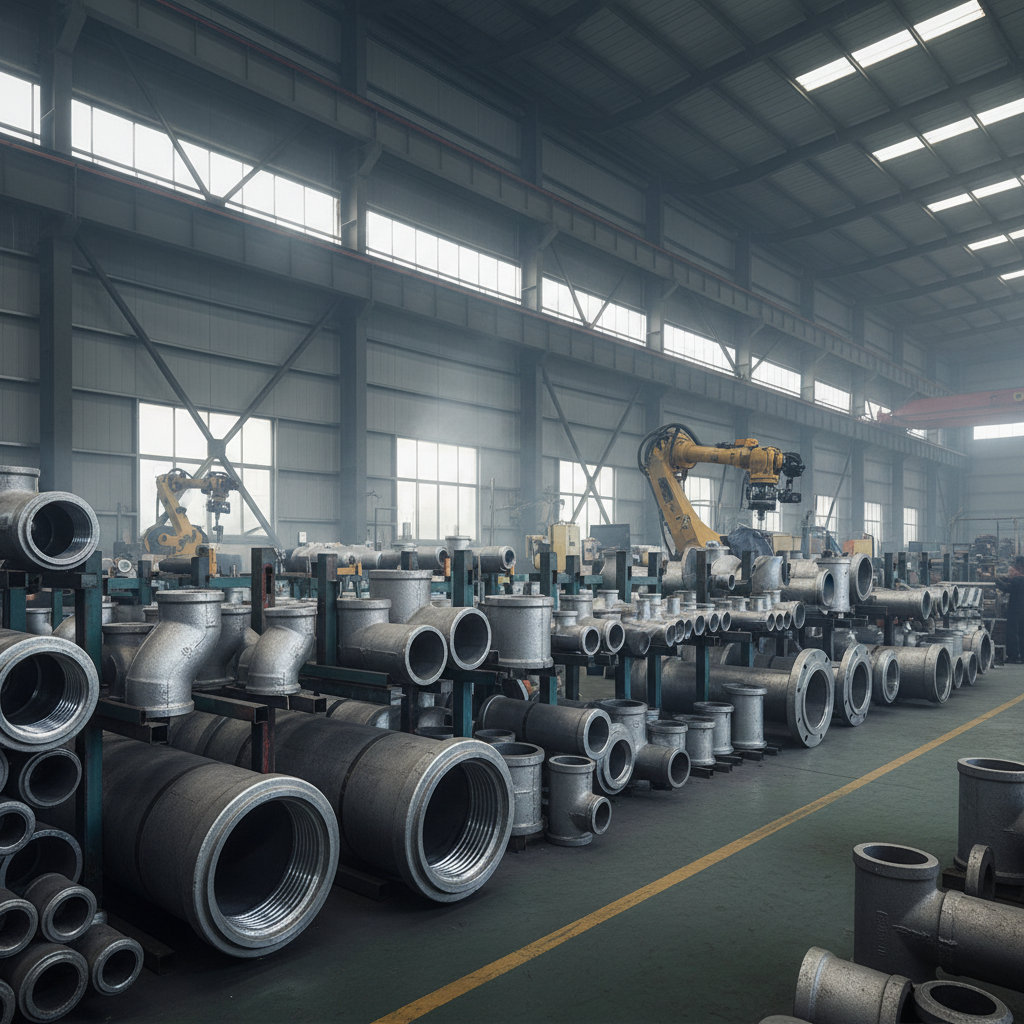
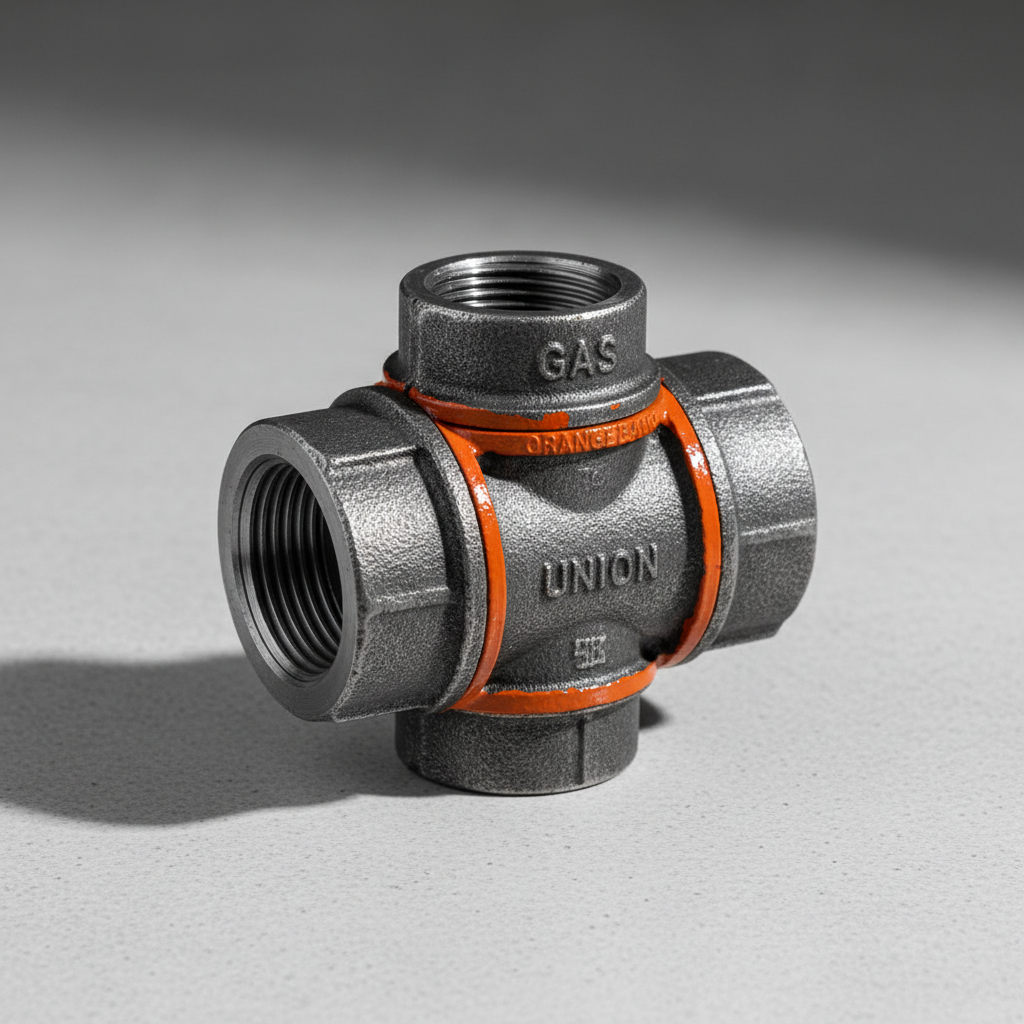
Look, I’ve been on construction sites for, honestly, too many years to count. You see a lot. And lately, everyone's talking about prefabrication, modular construction… trying to get things done faster, cheaper, you know the drill. It’s all about efficiency. But the details, those are what kill you.
The biggest trend I’m seeing? It's not just building faster, it's building smarter with better connections. People are finally realizing cheap fittings are a false economy. You save a few bucks upfront, and then spend a fortune fixing leaks and delays down the line. It’s frustrating, but hey, that’s life.
And the whole “integrated system” thing? It’s supposed to be seamless, but often it isn't. There are always compatibility issues, especially with different manufacturers. It’s a headache.
The Current Landscape of Piping Fittings
Honestly, the biggest thing is the push for everything being “smart”. Smart buildings, smart factories… all need reliable piping and fittings. It’s not glamorous work, but it’s essential. Have you noticed how everything’s going digital? Fittings need to keep up.
It used to be all about just getting the job done. Now, it’s about data, monitoring, preventing failures before they happen. And, of course, regulatory compliance. The codes are getting stricter, and rightfully so. It's a never-ending cycle.
Common Design Pitfalls
To be honest, the biggest mistake I see is over-engineering. People get caught up in trying to make everything bulletproof, and they end up with something that’s needlessly complex and expensive. Keep it simple, people!
Another thing? Ignoring the environment. You put a fitting in a corrosive environment and expect it to last? Come on. You need to use the right materials, the right coatings. It’s basic stuff, but you wouldn't believe how often it gets overlooked.
And the interfaces… oh, the interfaces. They’re always a pain point. Different standards, different threading, different everything. It’s a nightmare for installers.
Materials and Their Quirks
Now, materials… that’s where things get interesting. Stainless steel is always a good bet, but even then, there are different grades. 304, 316… it matters. 316 smells faintly metallic, almost clean. You get used to it.
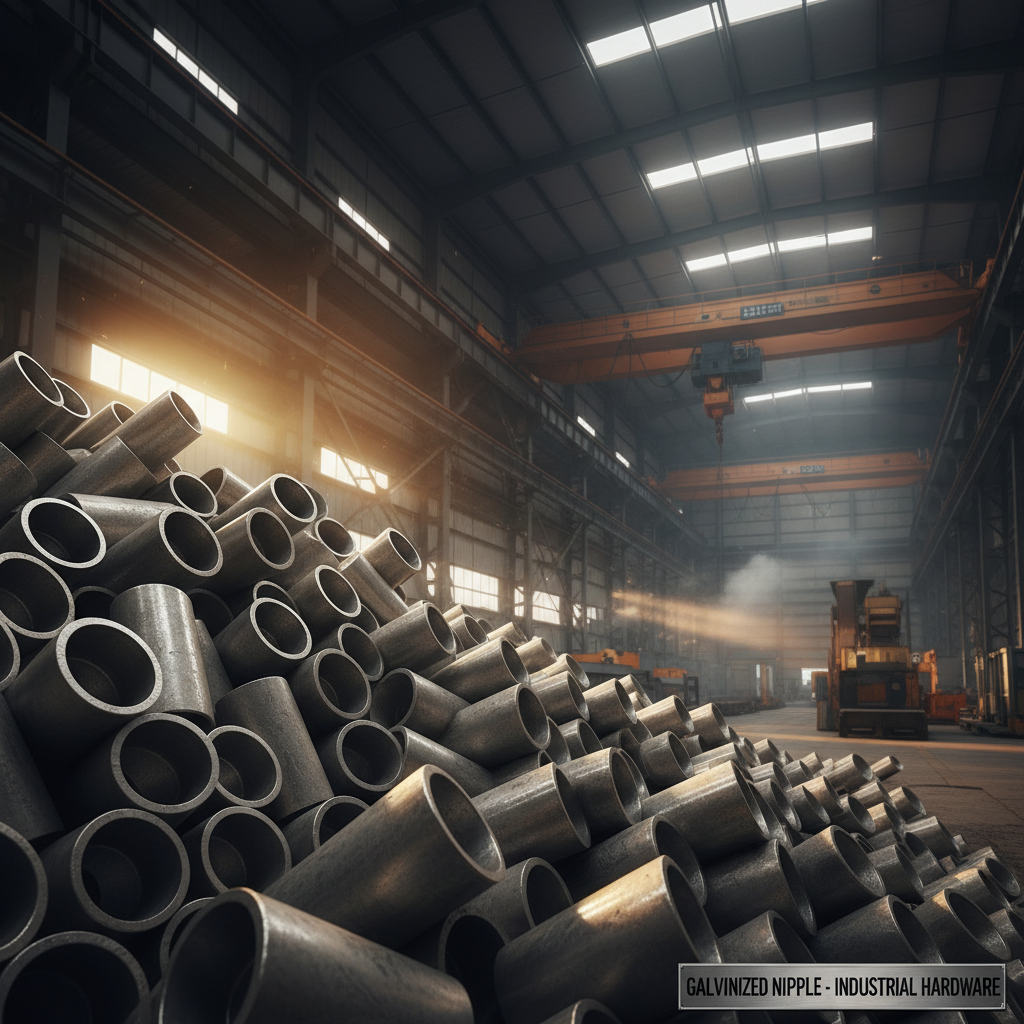
CPVC... that stuff has a distinct odor when you’re cutting it. A bit like chlorine, a bit like plastic. Not pleasant. But it’s reliable, especially for hot water applications. And it's lightweight which is always appreciated when lugging boxes around all day. I encountered a shipment of it at a factory last time that was slightly warped, turns out it was stored improperly.
And then you have PEX. Flexible, easy to work with… but you gotta be careful with the fittings. They can leak if they're not crimped properly. I've seen entire systems fail because of a bad crimp. It's infuriating!
Real-World Testing and Validation
Forget the lab tests. Those are fine for baseline data, but the real test is out in the field. I’m talking about pressure testing with actual water, at actual temperatures, under actual conditions.
We do a lot of hydrostatic testing, and thermal cycling. Strangely, the failures usually happen at the joints, not the fittings themselves. It's usually something dumb, like a missing o-ring or a slightly loose connection.
Piping Fitting Failure Rates by Type
How Fittings Are Actually Used
You know, it’s not always what the engineers draw on the plans. I’ve seen guys reuse fittings that were supposed to be single-use. I've seen them skip the sealant. They just want to get the job done.
And the way they tighten things... sometimes they crank it down so hard they strip the threads. Other times, it's barely hand-tight. There's no consistency.
Advantages, Disadvantages, and Customization
The advantage of a good fitting? Peace of mind. Knowing it’s going to hold, knowing it’s going to last. That's priceless. The disadvantage? Cost. Quality comes at a price.
Anyway, I think customization is becoming more important. Last month, that small boss in Shenzhen who makes smart home devices insisted on changing the interface to on a whole batch of fittings, and the result was a three-week delay while we sourced new tooling. He was convinced it was the future, and I’m not going to argue with a customer, even when they're wrong.
A Customer Story and Practical Considerations
I remember this one project, a data center in Virginia. They were using a lot of compression fittings. They wanted something quick and easy to install. And they were, but the guys didn't calibrate their torque wrenches.
Turns out, half the fittings were under-tightened, and half were over-tightened. We had a leak every other day for the first month. It was a mess. Later... Forget it, I won’t mention it.
The lesson? Even the best fittings are only as good as the people installing them.
A Summary of Key Considerations for Piping Fitting Selection
| Application Environment |
Material Compatibility |
Installation Skill Level |
Long-Term Maintenance |
| Corrosive Atmosphere |
Stainless Steel 316 |
Intermediate |
Regular Inspection |
| High Temperature |
CPVC |
Beginner |
Minimal |
| Low Pressure |
PEX |
Beginner |
Crimp Check |
| Outdoor Exposure |
UV-Resistant PVC |
Intermediate |
Annual Sealant Check |
| Food Grade Application |
FDA-Approved Polypropylene |
Intermediate |
Sanitization Protocol |
| Critical Infrastructure |
High-Grade Stainless Steel |
Expert |
Routine Pressure Testing |
FAQS
Honestly, it's usually not the fittings themselves, but improper installation. Stripped threads, loose connections, and incorrect sealant application are the biggest culprits. Poor material selection for the application also plays a role, especially in corrosive environments. You'd be surprised how often people skip the torque wrench, too. It’s a fast way to cause problems down the line.
That depends! Consider the fluid being transported, the temperature, the pressure, and the surrounding environment. Stainless steel is a good all-around choice, but it's expensive. CPVC is good for hot water, PEX is flexible and easy to use, and PVC is cheap but not suitable for everything. Don't forget to check local codes and regulations. And if in doubt, over-engineer it a bit.
The key is to use corrosion-resistant materials, like stainless steel 316, or apply protective coatings. Also, make sure the system is properly grounded to prevent galvanic corrosion. Regular inspections and maintenance are also crucial. Catching corrosion early can save you a lot of trouble and expense.
Hugely important! Too little torque, and the connection will leak. Too much torque, and you’ll strip the threads or damage the fitting. A torque wrench ensures you apply the correct amount of force, every time. Don't skimp on this step! It’s worth the investment. And make sure your torque wrench is calibrated!
Absolutely. You can get fittings with different thread types, different coatings, different materials… pretty much anything you can imagine. It’s more expensive, of course, but sometimes it’s necessary. That guy in Shenzhen proved that. Just be prepared for a longer lead time.
Honestly? People. Not following procedures, cutting corners, using the wrong materials… It’s almost always human error. Regular inspections, preventative maintenance, and proper training are essential. And a healthy dose of skepticism. Never assume anything is going to stay perfect forever.
Conclusion
Ultimately, it doesn’t matter how fancy the design is, or how expensive the materials are. It all comes down to the basics: proper installation, regular maintenance, and a little bit of common sense.
But here's the thing: whether this thing works or not, the worker will know the moment he tightens the screw. That's the truth of it. So, let’s make sure he has the right tools and the right knowledge to do the job right. You can find what you need at pannextfittings.com.