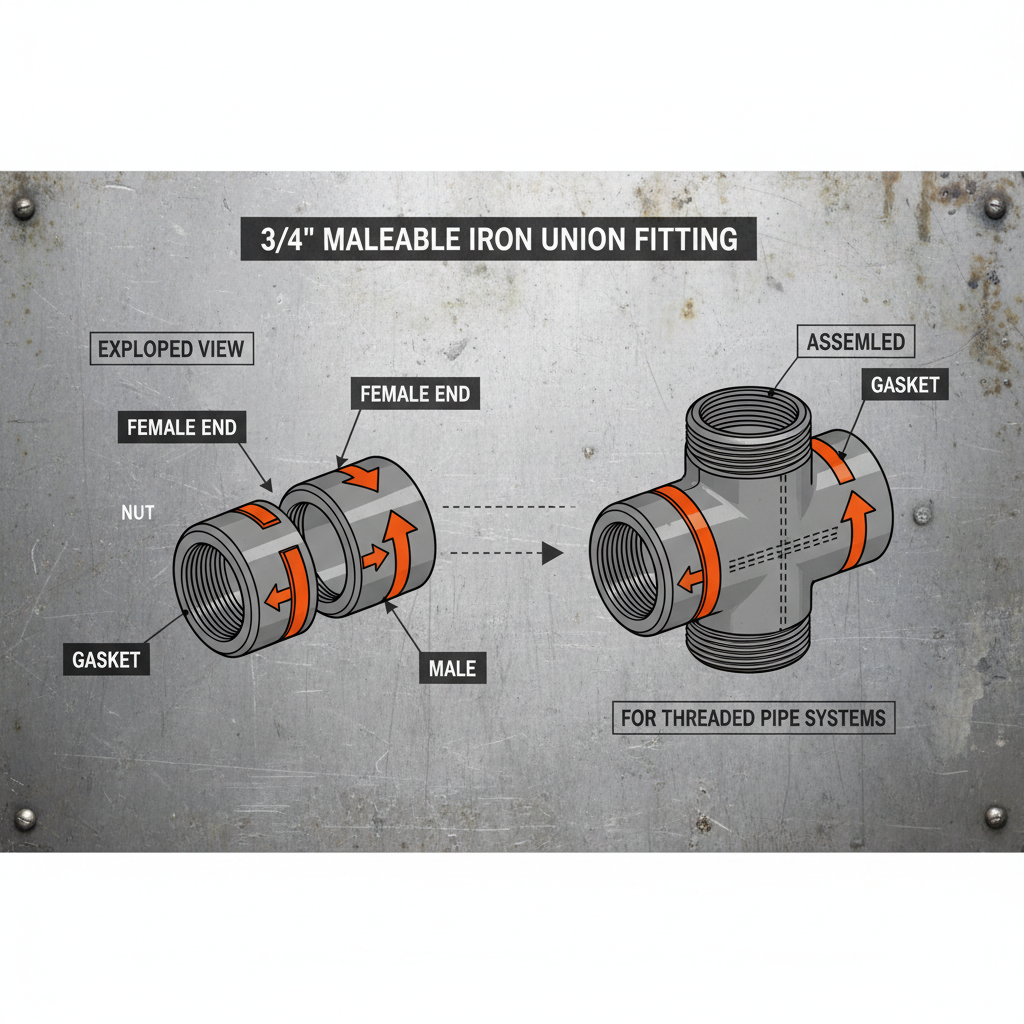
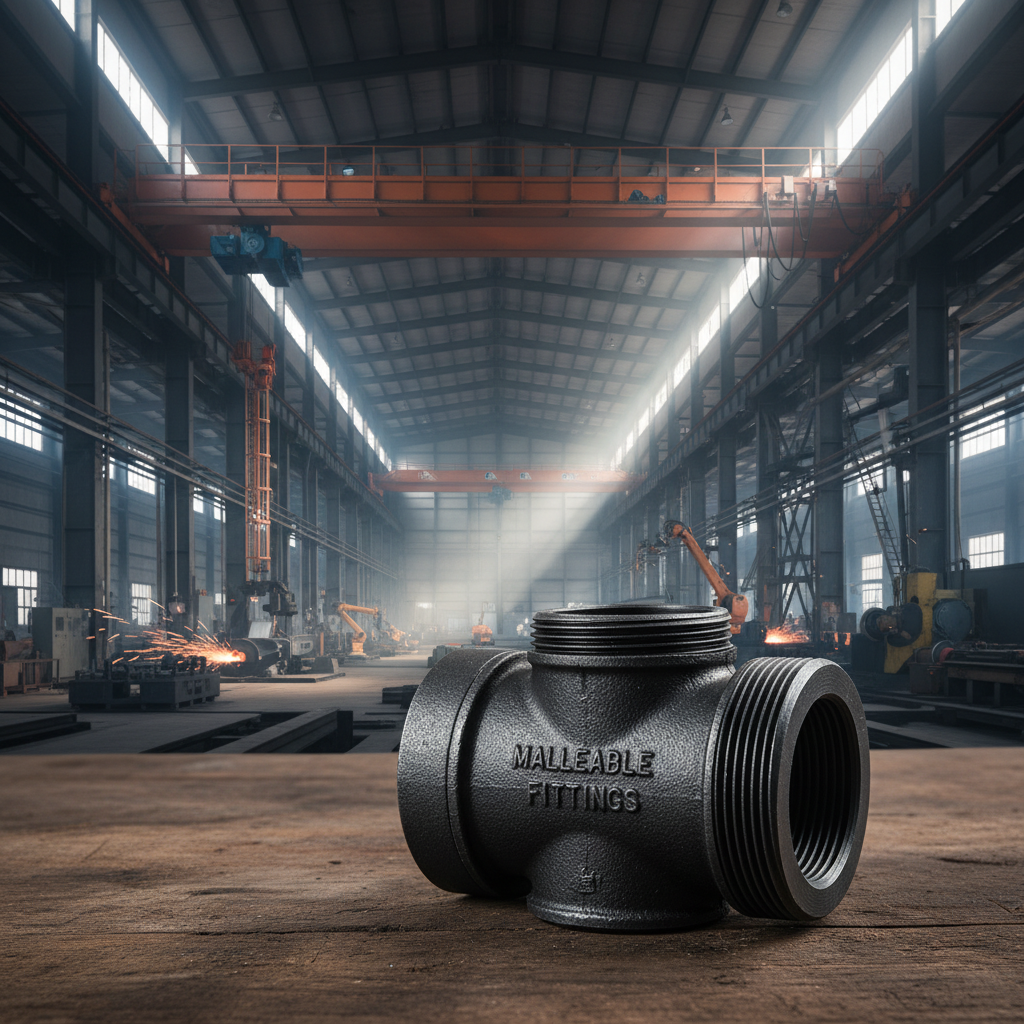
In the complex world of industrial piping, the ability to redirect fluid or gas flow with precision is paramount for system efficiency and safety. The use of a high-quality fitting elbow 90 allows engineers to create right-angle turns in piping networks, ensuring that space is optimized and flow dynamics are managed effectively across diverse manufacturing environments.
From large-scale chemical plants to intricate HVAC installations, the demand for reliable malleable iron and bronze components continues to grow. Choosing the right specification for a fitting elbow 90 is not merely a matter of size, but a critical decision involving pressure ratings, material compatibility, and adherence to international standards like NPT and BSP.
Understanding the nuances of these components helps procurement managers and site engineers reduce leak risks and extend the lifecycle of their infrastructure. By integrating a certified fitting elbow 90 into your system, you ensure a seamless transition of media while maintaining the structural integrity of the entire pipeline.
Global Relevance of fitting elbow 90 in Piping
The global industrial landscape relies heavily on the standardization of pipe fittings to ensure cross-border compatibility and safety. A fitting elbow 90 serves as a fundamental building block in these systems, allowing for the necessary directional changes required in dense urban infrastructure and sprawling industrial complexes alike.
With ISO standards guiding the manufacturing process, these components address the critical challenge of pressure loss and turbulence. By utilizing precision-engineered malleable iron or bronze, industries can mitigate the risk of catastrophic failure in high-pressure environments, ensuring a steady and safe flow of essential resources.
Defining the fitting elbow 90 and Its Role
In simple technical terms, a fitting elbow 90 is a pipe fitting designed to change the direction of a pipeline by exactly 90 degrees. This component is essential for navigating around obstacles, fitting pipes into tight corners, and creating the complex grids necessary for modern plumbing and industrial processing.
Beyond its geometric function, the role of this fitting is to maintain a leak-proof seal while resisting the mechanical stresses of the fluid moving through it. Whether used in a residential water line or a heavy-duty steam pipe, its primary objective is to provide a secure connection that does not compromise the flow rate.
In modern industry, these fittings are often the unsung heroes of humanitarian and infrastructure projects. From providing clean water in remote zones to stabilizing gas lines in industrial parks, the fitting elbow 90 ensures that essential services reach their destination without interruption or hazardous leaks.
Core Components and Material Durability
The durability of a fitting elbow 90 is primarily determined by its material composition. Malleable iron is frequently chosen for its excellent balance of strength and flexibility, making it resistant to impact and vibration in heavy industrial settings.
Bronze is another critical material used in a fitting elbow 90, especially in marine or corrosive environments. Its natural resistance to saltwater and chemical oxidation ensures that the piping system remains intact even when exposed to harsh atmospheric conditions.
Furthermore, the precision of the threading—whether it follows NPT, BSP, or DIN standards—is a core component of the fitting's success. Proper threading prevents "cross-threading" and ensures a tight, airtight seal that is crucial for the safety of the entire installation.
Performance Metrics and Efficiency Scales
Evaluating the performance of a fitting elbow 90 involves analyzing flow coefficient, pressure drop, and wall thickness. A well-manufactured elbow minimizes turbulence, which in turn reduces the energy required to pump fluids through the system, directly impacting operational costs.
To further understand the efficiency, engineers often compare different material grades and threading types to see which provides the best seal under specific temperature and pressure loads. This data-driven approach ensures that the chosen fitting can withstand the long-term stresses of its environment.
Comparative Performance of fitting elbow 90 Variants
Global Applications and Industrial Use Cases
The versatility of the fitting elbow 90 makes it indispensable across multiple sectors. In the oil and gas industry, these fittings are used to navigate the complex geometry of refinery piping, where high pressure and temperature resistance are non-negotiable requirements.
In urban infrastructure, specifically in water distribution networks, these elbows allow pipes to follow the contours of city streets and avoid underground obstacles. This application is critical for maintaining consistent water pressure for millions of residents in densely populated metropolitan areas.
Long-Term Value and Reliability Benefits
Investing in a high-grade fitting elbow 90 provides tangible long-term value by drastically reducing the frequency of maintenance shutdowns. When a fitting is manufactured to strict tolerances, the likelihood of seal failure is minimized, protecting the facility from costly emergency repairs.
From a safety perspective, the reliability of these components provides peace of mind to operators. In systems carrying volatile chemicals or high-pressure steam, a single point of failure can be catastrophic; thus, the structural integrity of the elbow is a direct investment in worker safety.
Furthermore, the use of standardized fittings simplifies the supply chain. Because the fitting elbow 90 adheres to global standards, replacement parts can be sourced quickly, reducing downtime and ensuring that industrial productivity remains constant over decades of operation.
Future Trends in fitting elbow 90 Manufacturing
The future of pipe fitting manufacturing is leaning heavily toward "green" metallurgy and digital precision. We are seeing the emergence of more sustainable smelting processes for malleable iron, reducing the carbon footprint of every fitting elbow 90 produced.
Automation and AI-driven quality control are also transforming the industry. Laser scanning and automated ultrasonic testing now allow manufacturers to detect microscopic flaws in the wall thickness of a fitting elbow 90 before it ever leaves the factory, ensuring near-zero defect rates.
Additionally, the rise of smart piping systems may lead to the integration of sensors within fittings. While still in early stages, the possibility of an elbow that can monitor its own corrosion levels or flow rate in real-time represents the next frontier in industrial piping technology.
Analysis of fitting elbow 90 Material and Standard Specifications
| Material Type |
Standard Used |
Corrosion Resistance |
Durability Score |
| Malleable Iron |
NPT/BSP |
Moderate |
8/10 |
| Bronze Alloy |
DIN/BSP |
Very High |
9/10 |
| Galvanized Iron |
NPT |
High |
7/10 |
| Coated Steel |
ANSI/NPT |
High |
8/10 |
| Black Malleable |
BSP |
Low |
6/10 |
| Heavy Duty Bronze |
DIN |
Maximum |
10/10 |
FAQS
NPT (National Pipe Tapered) is primarily used in North America and features a tapered thread that creates a seal by wedging the threads together. BSP (British Standard Pipe) is common in Europe and Asia, coming in both tapered (BSPT) and parallel (BSPP) versions. Choosing the correct standard for your fitting elbow 90 is vital to prevent leaks and ensure a secure mechanical connection.
Yes, provided the fitting is rated for the specific pressure of your system. Malleable iron is designed to handle significant stress without cracking. However, always check the Class rating (e.g., Class 150 or Class 300) of your fitting elbow 90 to ensure it meets the safety requirements of your specific gas application.
Bronze is the preferred choice for environments where corrosion is a major threat, such as seawater applications or chemical processing. While malleable iron is strong, it can rust over time if not coated. A bronze fitting elbow 90 offers superior longevity and resistance to oxidation, making it more cost-effective over a 20-year lifecycle in harsh conditions.
To ensure a leak-proof installation, always use a high-quality thread sealant or PTFE tape compatible with the medium being transported. Ensure the fitting elbow 90 is tightened to the correct torque specification—over-tightening can deform the threads, while under-tightening leads to seepage.
Industrial fittings are available in a wide range of sizes to suit different flow requirements, typically ranging from small 1/8" or 1/4" diameters for instrumentation to large 6" or 8" diameters for main transport lines. Matching the size of your fitting elbow 90 precisely to your pipe diameter is critical for maintaining flow efficiency.
Coated fittings provide an additional layer of protection against external moisture and chemical exposure. For a fitting elbow 90 installed in an outdoor or damp environment, a galvanized or epoxy coating can significantly extend the service life by preventing surface rust and degradation.
Conclusion
The fitting elbow 90 remains a cornerstone of industrial piping, providing the essential directional control needed for everything from municipal water systems to complex chemical refineries. By prioritizing material quality, adhering to global threading standards, and selecting the appropriate pressure rating, operators can ensure their systems are safe, efficient, and durable.
As the industry moves toward smarter, more sustainable manufacturing, the role of precision-engineered fittings will only become more critical. We recommend that all procurement teams audit their current piping specifications to ensure they are utilizing the most reliable materials available. For more information on high-quality piping solutions, visit our website: www.malleablefitting.com