In the complex world of industrial piping, the ability to change direction and navigate tight spaces is fundamental to system efficiency. High-quality elbow plumbing fittings serve as the critical joints that allow for seamless fluid and gas transport, ensuring that infrastructure remains compact yet powerful. Whether in residential plumbing or heavy-duty industrial plants, these components are the unsung heroes of pressure management.
The global demand for durable piping solutions has surged as urban centers expand and industrial automation becomes the norm. Ensuring the structural integrity of these connections is not merely a matter of convenience but a necessity for safety and longevity. Utilizing materials that can withstand extreme pressure and corrosive environments is paramount for any engineer or contractor.
By choosing certified elbow plumbing fittings, industries can significantly reduce the risk of leaks and system failures. Modern malleable cast iron solutions, adhering to BS EN and ISO standards, provide the perfect balance of strength and flexibility required for the most demanding environments.
Understanding Malleable Cast Iron Standards
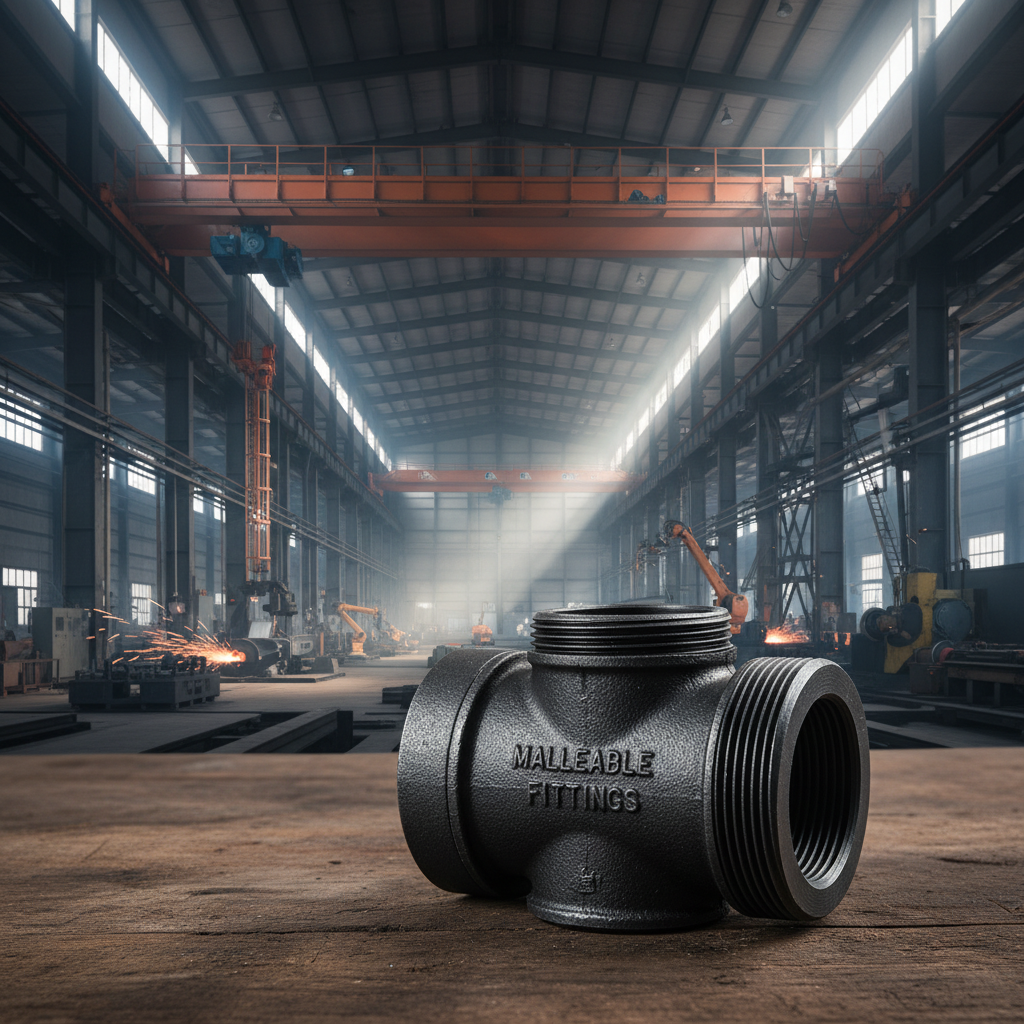
Malleable cast iron is a unique material characterized by its ability to be deformed without cracking, a property essential for the manufacturing of elbow plumbing fittings. Unlike standard gray iron, which is brittle, the annealing process used in malleable iron production allows the metal to withstand hammering or rolling. This ensures that the fittings can handle the mechanical stresses associated with installation and thermal expansion.
Adhering to the ISO49/EN 10242 (Symbol C) and BS EN 1562 standards, these fittings are engineered for consistency. By using EN-GJMB-350-10 material, manufacturers ensure a minimum tensile strength of 300 MPA and a minimum elongation of 6%, providing the structural reliability required for critical fluid transport systems across the globe.
Technical Specifications of Beaded Fittings
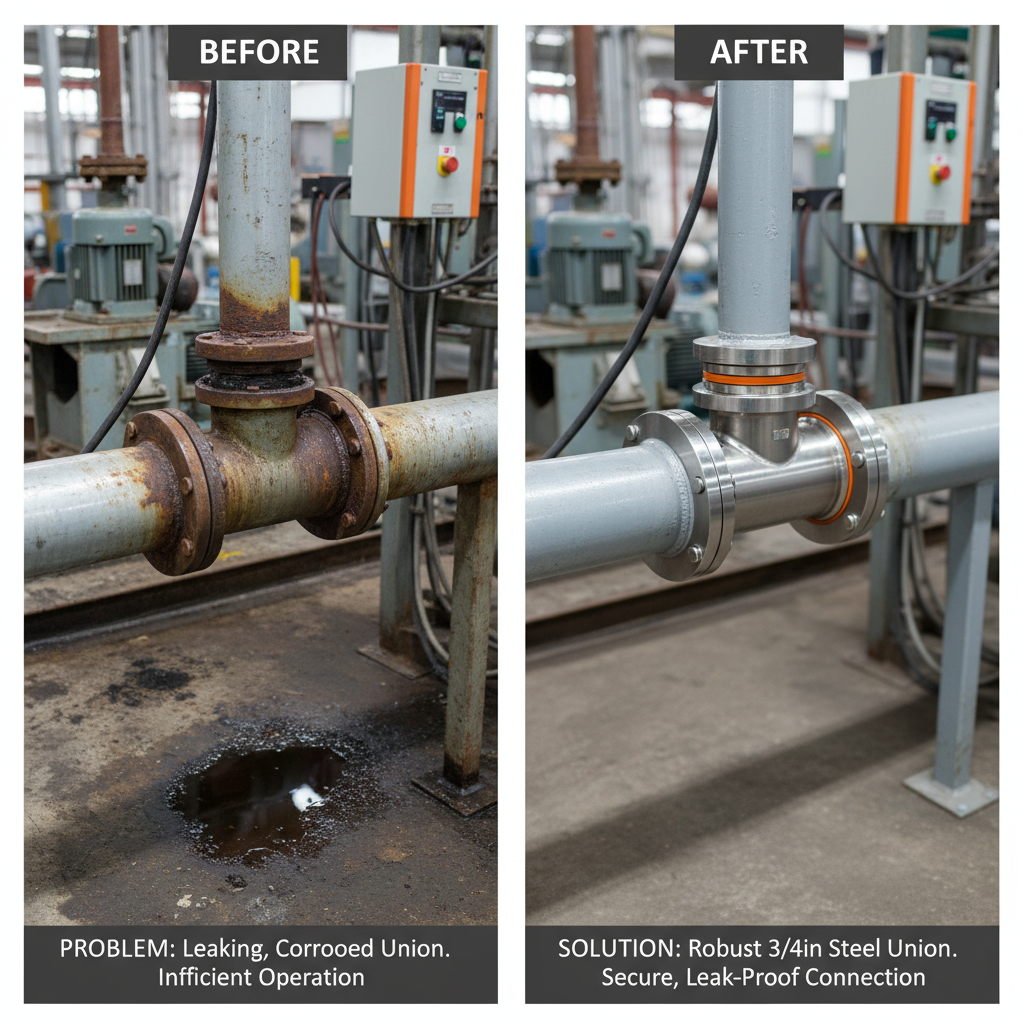
Beaded fittings are specifically designed to provide a more secure and leak-proof connection in plumbing systems. The "beaded" end refers to a small protrusion that helps in the seating of the pipe, creating a more robust seal when coupled. This design is particularly beneficial in systems where vibration or slight movement might otherwise compromise a standard threaded joint.
From a material perspective, these components are available in both black iron and hot dip galvanized finishes. The choice depends largely on the environment; black iron is often used for gas lines or in non-corrosive settings, while galvanized options are preferred for water lines and outdoor applications where oxidation is a primary concern.
The threading options, primarily BSPT and NPT, allow these components to be compatible with international piping standards. This versatility ensures that whether a project is based in Europe or North America, the fittings can be integrated without the need for costly adapters, maintaining the flow efficiency of the system.
The Importance of Certification in Piping
In the industrial sector, the reliability of elbow plumbing fittings is validated through rigorous third-party certifications. UL Listed and FM Approved certifications are the gold standards in the industry, signifying that the product has undergone exhaustive testing for fire safety, pressure resistance, and material purity.
When a project specifies FM Approved fittings, it is often because the system is part of a fire protection network. In such critical applications, the failure of a single joint can lead to catastrophic results. Therefore, the assurance provided by these certifications minimizes risk for insurance providers and facility managers alike.
Beyond UL and FM, SGS certifications provide an additional layer of quality assurance regarding the chemical composition and mechanical properties of the iron. This comprehensive approach to certification ensures that every piece leaving the factory meets the exact specifications of ISO and EN standards, preventing onsite failures.
Performance Metrics and Pressure Ratings
The working pressure of a fitting is one of its most critical performance metrics. For standard 150 Class BS/EN fittings, the working pressure typically ranges between 20 to 25 bar, with a maximum limit of PN25. This capacity makes them suitable for a wide array of applications, from low-pressure water distribution to medium-pressure industrial air lines.
Maintaining a consistent pressure rating requires precision in the casting and machining process. Any void or impurity in the malleable iron can create a weak point, leading to a burst under pressure. By utilizing heavy molds and a refined production process, manufacturers can ensure that the wall thickness is uniform across the entire curve of the elbow.
Comparison of Material Performance for Plumbing Fittings
Industrial Applications and Use Cases
The versatility of elbow plumbing fittings allows them to be deployed in diverse environments. In the oil and gas sector, they are used for low-pressure fuel lines and ventilation systems where reliability is non-negotiable. In agricultural settings, these fittings support irrigation networks that must withstand the elements and the stress of seasonal temperature fluctuations.
Furthermore, in urban infrastructure, these fittings are essential for building HVAC systems and fire sprinkler networks. Their ability to be easily threaded and installed makes them a favorite for contractors working on high-rise constructions where precision and speed of installation are critical to meeting project deadlines.
Advantages of Hot Dip Galvanization
Corrosion is the primary enemy of any metallic piping system. Hot dip galvanization provides a formidable defense by coating the iron with a layer of zinc. For these fittings, an average zinc coating of 70 um is maintained, with every single fitting ensuring a minimum of 63 um. This thick barrier prevents oxygen and moisture from reaching the base metal, effectively stopping rust before it starts.
Beyond simple rust prevention, the galvanization process creates a metallurgical bond between the zinc and the iron. This means that even if the surface is scratched during installation, the zinc provides sacrificial protection, corroding itself to protect the underlying iron structure. This longevity is crucial for underground or coastal installations.
Comparing galvanized fittings to black iron, the former offers a significantly longer lifecycle in humid environments. This reduces the frequency of maintenance and the cost of replacement, making it a more sustainable choice for long-term infrastructure projects where reliability over decades is the primary goal.
Sizing and Weight Analysis for Installation
Selecting the correct size of elbow plumbing fittings is essential for maintaining proper flow rates and avoiding pressure drops. Available sizes range from 1/2 inch up to 1.1/2 inches, each designed to match standard pipe diameters perfectly. The weight of the fitting also plays a role in the support structures required for the piping network.
A 1/2 inch elbow, weighing approximately 0.102 KG, is ideal for light-duty residential plumbing, whereas a 1.1/2 inch elbow at 0.588 KG is built for higher volume industrial flow. This scaling ensures that the fitting is neither under-engineered for the load nor excessively heavy for the support brackets.
Precise weight and dimension data allow engineers to calculate the total load on a building's structural frame. By integrating these specific weights into the planning phase, the risk of sagging pipes or joint stress is minimized, ensuring a professional and safe installation.
Technical Specifications and Weight Chart for Beaded Elbow Fittings
| Item Code |
Nominal Size (Inch) |
Unit Weight (KG) |
Pressure Rating |
| EBL4505 |
1/2 |
0.102 |
≤PN25 |
| EBL4507 |
3/4 |
0.206 |
≤PN25 |
| EBL4510 |
1 |
0.275 |
≤PN25 |
| EBL4512 |
1.1/4 |
0.473 |
≤PN25 |
| EBL4515 |
1.1/2 |
0.588 |
≤PN25 |
| Custom OEM |
Variable |
Custom |
Custom |
FAQS
Black iron fittings are uncoated and generally used for gas lines or in environments where corrosion is not a major risk. Galvanized fittings are coated with a layer of zinc via hot-dip galvanization, which protects the iron from rust and corrosion, making them ideal for water systems and outdoor use.
Yes, our 150 Class BS/EN standard fittings are designed for working pressures between 20 to 25 bar (up to PN25). This makes them highly suitable for most medium-pressure industrial applications, provided the system design remains within these rated limits.
For maximum safety and reliability, look for UL Listed and FM Approved certifications. These indicate that the products have passed rigorous fire and pressure tests. Additionally, ISO49 and EN 10242 compliance ensures the fittings meet global dimensional and material standards.
A "beaded" end refers to a specific design feature where the fitting has a small bead or ridge. This helps the pipe seat more securely within the fitting, creating a tighter, more reliable seal and reducing the likelihood of leaks under vibration.
Generally, the delivery time is 35 days upon receipt of the advanced payment. We utilize standard exporting packaging—5-layer master cartons with inner boxes—to ensure that the products arrive in perfect condition regardless of the distance.
Yes, we provide free samples to our clients. This allows you to verify the material quality, the precision of the threads (BSPT/NPT), and the thickness of the zinc coating before committing to a full-scale production run.
Conclusion
Investing in high-quality elbow plumbing fittings is a strategic decision that impacts the safety, longevity, and efficiency of any piping system. By adhering to strict ISO and EN standards and securing UL/FM certifications, these malleable cast iron components provide the necessary tensile strength and corrosion resistance to handle demanding industrial loads. From the precision of beaded ends to the protection of hot-dip galvanization, every detail is engineered to prevent failure.
As infrastructure continues to evolve toward smarter and more sustainable designs, the reliance on durable, certified components will only grow. We recommend that engineers and procurement officers prioritize materials with proven track records and verified pressure ratings to ensure system integrity. For those seeking professional-grade solutions, we invite you to explore our full range of certified piping components. Visit our website: www.malleablefitting.com