In the intricate world of industrial piping, the precision of small-scale components often dictates the overall efficiency of a massive system. 1 4 inch pipe fittings serve as critical junction points in fluid transport, providing the necessary connectivity for instrumentation, sampling lines, and high-pressure control systems. Understanding the specifications and material science behind these small-bore fittings is essential for engineers and procurement specialists who aim to minimize leakage and maximize operational uptime across various manufacturing sectors.
From a global perspective, the demand for high-quality 1 4 inch pipe fittings is driven by the increasing complexity of chemical processing and the rise of precision automation. Whether it is a malleable iron coupling or a high-grade bronze fitting, these components must withstand extreme pressure fluctuations and corrosive environments. The ability to ensure a leak-proof seal at such a small diameter is not merely a technical requirement but a safety imperative in industries where a single drop of hazardous material can lead to catastrophic failures.
By exploring the nuances of material selection—such as choosing between Class 300 pipe fittings for higher pressure or coated pipe fittings for corrosive atmospheres—companies can significantly reduce their long-term maintenance costs. This guide provides a comprehensive deep dive into the technical attributes, global applications, and future innovations of 1 4 inch pipe fittings, ensuring you have the knowledge to make informed decisions for your infrastructure.
Global Relevance of 1 4 inch pipe fittings
In the current global industrial landscape, the standardization of 1 4 inch pipe fittings is governed by strict ISO and ASME standards to ensure interoperability across borders. As emerging economies expand their petrochemical and pharmaceutical capacities, the reliance on these precise fittings has surged. Statistics from global trade monitors suggest that small-bore fittings are among the most frequently replaced components, making quality and material grade the primary drivers of procurement.
The challenge lies in the balance between cost-efficiency and structural integrity. In many remote industrial zones, the use of substandard fittings leads to frequent "micro-leaks," which, while appearing insignificant, can result in massive cumulative losses of expensive gases or chemicals. By adhering to certified manufacturing processes for 1 4 inch pipe fittings, industries can ensure that their systems meet global safety benchmarks and environmental regulations.
Technical Definition and Material Composition
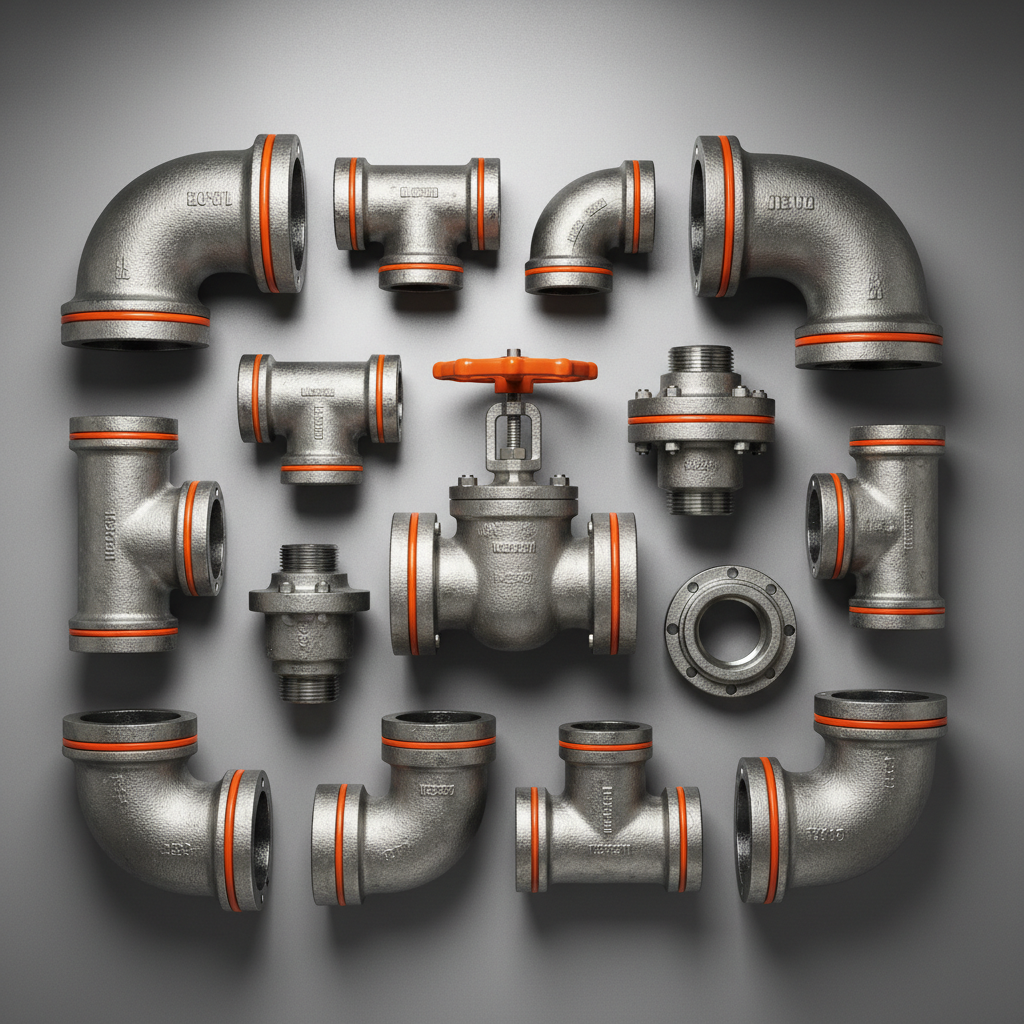
Technically, 1 4 inch pipe fittings refer to components designed to join, terminate, or redirect the flow of fluids in pipes with a nominal diameter of 1/4 inch. These are not merely "small pipes" but engineered connectors available in various forms, including elbows, tees, couplings, and bushings. Their primary role is to maintain the pressure boundary of the system while allowing for precise fluid control in instrumentation loops.
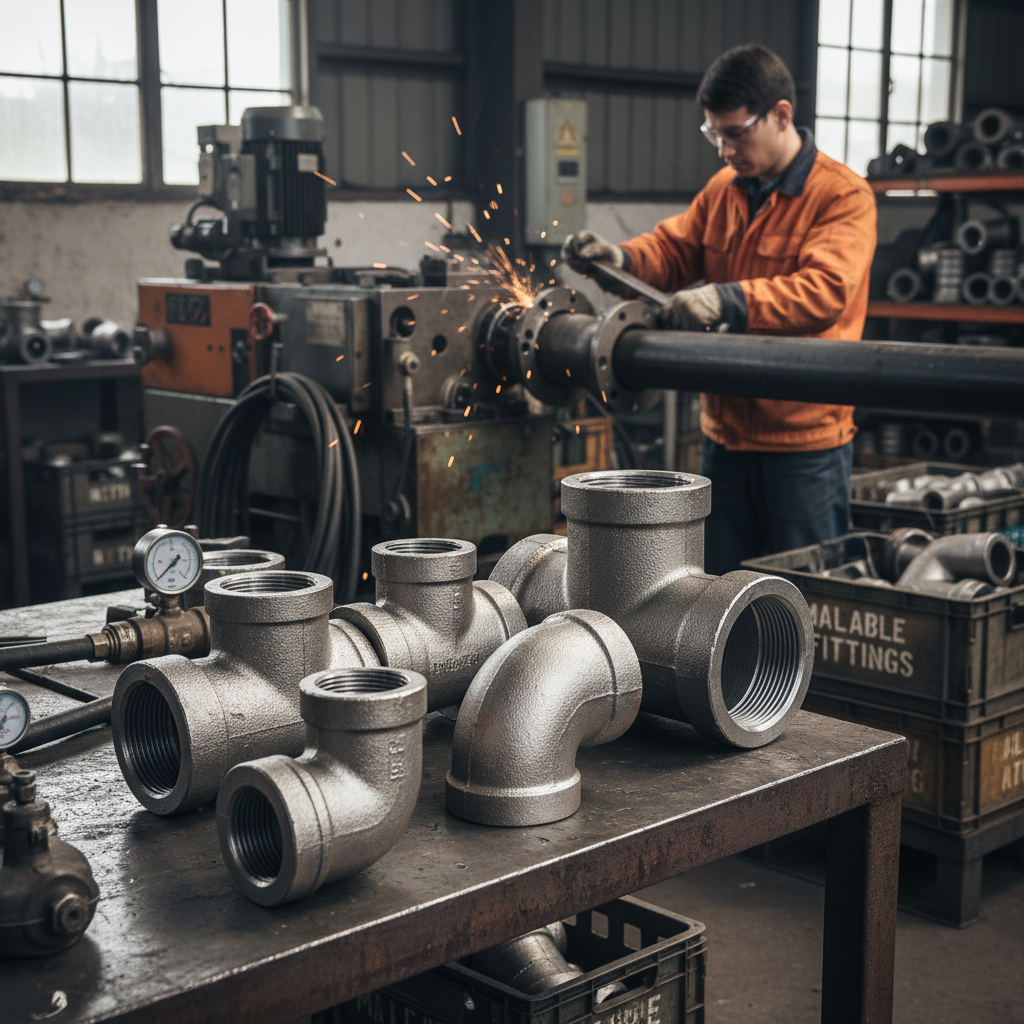
The material composition varies based on the medium being transported. For instance, Bronze pipe Fittings are preferred in marine environments due to their natural resistance to saltwater corrosion. Malleable Iron Pipe Fittings offer a robust, cost-effective solution for general utility and low-pressure steam lines, while Class 300 Pipe Fittings are engineered specifically for high-pressure environments where structural failure is not an option.
Furthermore, the addition of specialized coatings in Coated Pipe Fittings provides an extra layer of defense against oxidation and chemical attack. This diversity in material science ensures that 1 4 inch pipe fittings can be tailored to the specific humidity, temperature, and chemical volatility of any given industrial site, from arctic oil rigs to tropical chemical plants.
Core Performance Factors for Durability
When evaluating 1 4 inch pipe fittings, the first critical factor is wall thickness and pressure rating. A fitting's ability to withstand internal stress without deformation is what separates a standard malleable iron part from a high-performance Class 300 component. This ensures that the system remains stable even during sudden pressure spikes or "water hammer" effects.
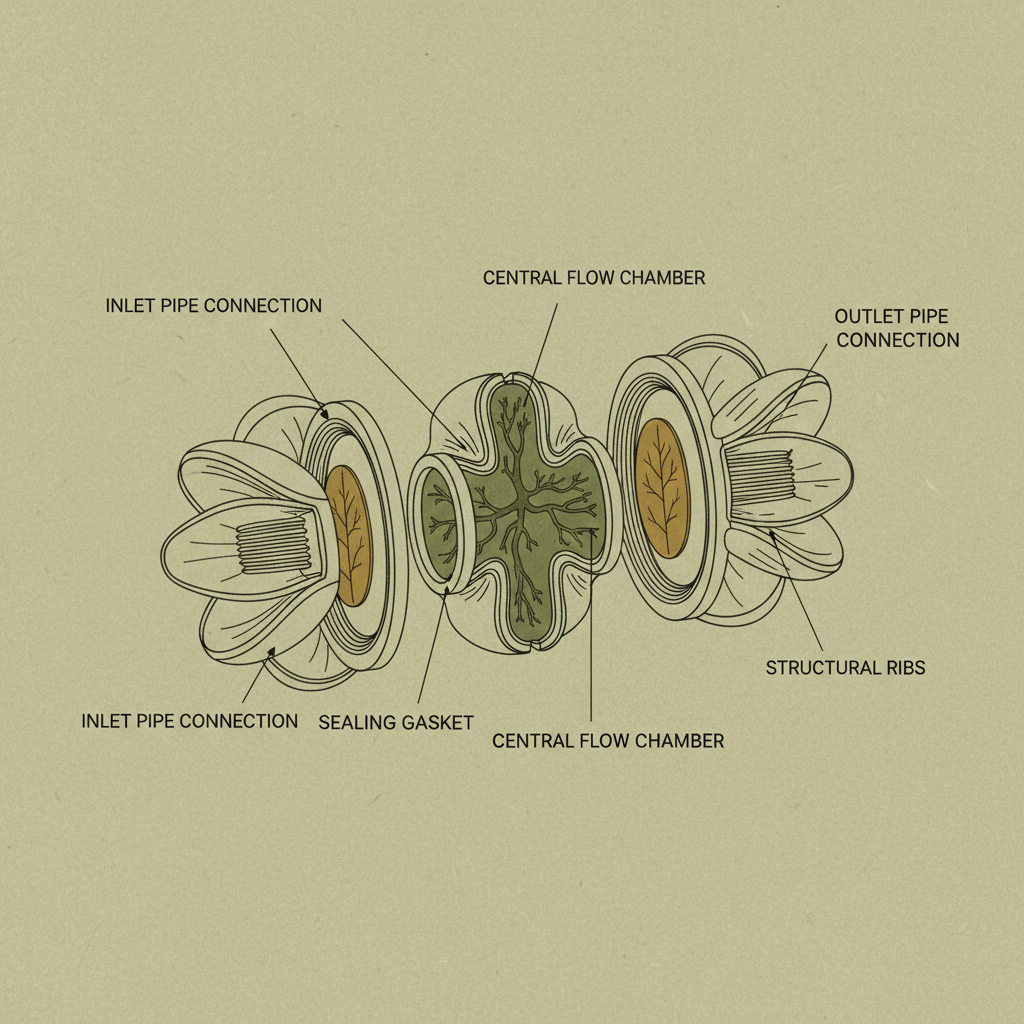
Another vital aspect is the sealing mechanism, particularly in Compression Coupling and Compression Quick Connecting systems. These 1 4 inch pipe fittings utilize a ferrule or a gasket to create a mechanical seal, reducing the reliance on chemical sealants and allowing for faster assembly and disassembly during maintenance cycles.
Finally, corrosion resistance remains a cornerstone of longevity. Whether through the inherent properties of bronze or the application of advanced polymer coatings, the goal is to prevent pitting and galvanic corrosion. High-quality 1 4 inch pipe fittings are often tested in salt-spray chambers to guarantee a service life that extends for decades, regardless of the surrounding environment.
Industrial Application and Use Case Analysis
The application of 1 4 inch pipe fittings spans across virtually every heavy industry. In the pharmaceutical sector, these fittings are used in precision dosing systems where the accuracy of the flow rate is paramount. In power plants, they are essential for the pneumatic control lines that operate massive valves from a remote control room, ensuring that the plant can be shut down safely in milliseconds.
Beyond heavy industry, we see these components in critical infrastructure such as water treatment facilities and HVAC systems. For example, in high-rise building automation, 1 4 inch pipe fittings connect pressure sensors to the main lines, providing the real-time data necessary to manage water distribution efficiently and prevent pipe bursts.
Performance Comparison of 1 4 inch pipe fittings Materials
Long-term Value and Operational Reliability
Investing in premium 1 4 inch pipe fittings is an exercise in risk mitigation. While lower-cost alternatives may seem attractive during the initial procurement phase, the total cost of ownership (TCO) is significantly higher when factoring in the cost of unplanned downtime. A single leak in a 1/4 inch line can shut down an entire production wing, leading to losses that far outweigh the savings from cheaper components.
Furthermore, the reliability of these fittings enhances the overall safety and dignity of the workplace. Operators can work with confidence knowing that the instrumentation lines are secure, reducing the stress associated with hazardous leaks. The psychological value of "trust in equipment" is an often-overlooked benefit of using high-grade 1 4 inch pipe fittings, fostering a culture of safety and innovation within the facility.
Future Trends in Fitting Technology
The future of 1 4 inch pipe fittings is being shaped by the drive toward "Industry 4.0" and green energy. We are seeing a shift toward "smart fittings" that incorporate embedded sensors to detect vibration or pressure drops, effectively turning a passive piece of metal into an active monitoring node. This integration allows for predictive maintenance, where fittings are replaced based on actual wear rather than arbitrary schedules.
Material science is also evolving, with the introduction of advanced alloys and composite coatings that offer the strength of steel with the weight and corrosion resistance of polymers. These innovations are particularly critical for the hydrogen economy, where 1 4 inch pipe fittings must prevent hydrogen embrittlement—a phenomenon where small molecules penetrate the metal lattice and cause sudden cracking.
Additionally, the move toward carbon neutrality is pushing manufacturers to adopt more sustainable production methods for malleable iron and bronze. Recycled metal sourcing and energy-efficient casting processes are becoming standard, ensuring that the production of 1 4 inch pipe fittings has a lower environmental footprint without sacrificing the structural integrity required for industrial use.
Challenges and Engineering Solutions
One of the most persistent challenges with 1 4 inch pipe fittings is the risk of over-tightening during installation. Because the diameter is so small, applying excessive torque can easily strip threads or deform the seating surface, leading to "invisible" leaks that only appear under high pressure. The engineering solution to this is the adoption of torque-limiting tools and the use of compression fittings that provide a clear tactile "click" or stop point.
Another significant hurdle is galvanic corrosion, which occurs when two dissimilar metals—such as a bronze fitting and a steel pipe—are connected in a moist environment. To solve this, engineers employ dielectric unions or specialized coated pipe fittings that act as an electrical insulator, breaking the circuit and preventing the electrochemical reaction that eats away at the metal.
Finally, the complexity of managing thousands of small parts in a large facility often leads to inventory errors. Modern solutions involve the implementation of QR-code tracking for every 1 4 inch pipe fittings unit, allowing maintenance teams to instantly access the material grade, pressure rating, and installation date via a mobile device, ensuring the correct part is always used for the correct application.
Comparative Analysis of 1 4 inch pipe fittings Specifications
|
Material Type
|
Pressure Suitability
|
Corrosion Resistance
|
Typical Application
|
|
Malleable Iron
|
Low to Medium
|
Moderate (Requires Coating)
|
General Plumbing/Steam
|
|
Bronze Alloy
|
Medium
|
High (Saltwater Ready)
|
Marine/Chemical Lines
|
|
Class 300 Steel
|
High Pressure
|
Low (Needs Treatment)
|
Oil & Gas Instrumentation
|
|
Coated Steel
|
Medium to High
|
Very High
|
Acidic Environments
|
|
Compression Brass
|
Low to Medium
|
High
|
Quick-Connect Sampling
|
|
Stainless Steel
|
Very High
|
Excellent
|
Pharmaceutical/Food Grade
|
FAQS
Malleable iron fittings are designed for general-purpose, low-to-medium pressure applications and offer great cost-efficiency. In contrast, Class 300 pipe fittings are engineered for high-pressure environments, featuring thicker walls and stricter manufacturing tolerances to prevent failure under extreme stress. Choosing the wrong one can lead to either unnecessary expenditure or dangerous system leaks.
Yes, bronze is highly recommended for marine and saltwater applications. Due to its inherent resistance to corrosion and biofouling, bronze fittings maintain their structural integrity far longer than steel or iron in saline conditions. They are the industry standard for boat plumbing and offshore platform instrumentation.
Compression couplings use a threaded nut to compress a small metal ring (ferrule) onto the pipe. This creates a tight, mechanical seal without the need for welding or soldering. They are ideal for 1/4 inch lines because they allow for quick installation and easy disassembly during maintenance without damaging the piping.
Coated fittings provide an additional barrier against chemical attack and oxidation. This is crucial in industries like chemical processing or waste treatment where the surrounding atmosphere is corrosive. The coating prevents the base metal from reacting with the environment, significantly extending the replacement cycle and reducing leak risks.
The most effective way to prevent leaks is to use a calibrated torque wrench to avoid over-tightening and to ensure that you are using compatible materials to prevent galvanic corrosion. Additionally, applying a high-quality thread sealant or using compression fittings with proper ferrules ensures a leak-proof seal at the junction.
Most industrial 1/4 inch fittings follow ASME (American Society of Mechanical Engineers) or ISO standards. This ensures that a fitting manufactured in one country will fit a pipe manufactured in another. However, always verify whether the system uses NPT (National Pipe Thread) or BSP (British Standard Pipe) threads, as these are not interchangeable.
Conclusion
The selection and implementation of 1 4 inch pipe fittings may seem like a minor detail in a large-scale project, but as we have explored, these components are the linchpins of system reliability. From the high-pressure resilience of Class 300 steel to the corrosive resistance of bronze and the efficiency of compression couplings, the material and design choice directly impact operational safety and long-term costs. By prioritizing quality and adhering to global standards, industries can eliminate the risks of micro-leaks and unplanned downtime.
Looking forward, the integration of smart monitoring and sustainable metallurgy will continue to redefine the role of small-bore fittings in the industrial ecosystem. We encourage engineers and procurement managers to move beyond a "lowest-cost" mindset and instead adopt a "total-value" approach, ensuring that every joint in their system is a point of strength rather than a potential failure. To explore our full range of certified, high-performance solutions, visit our website: www.pannextfittings.com.