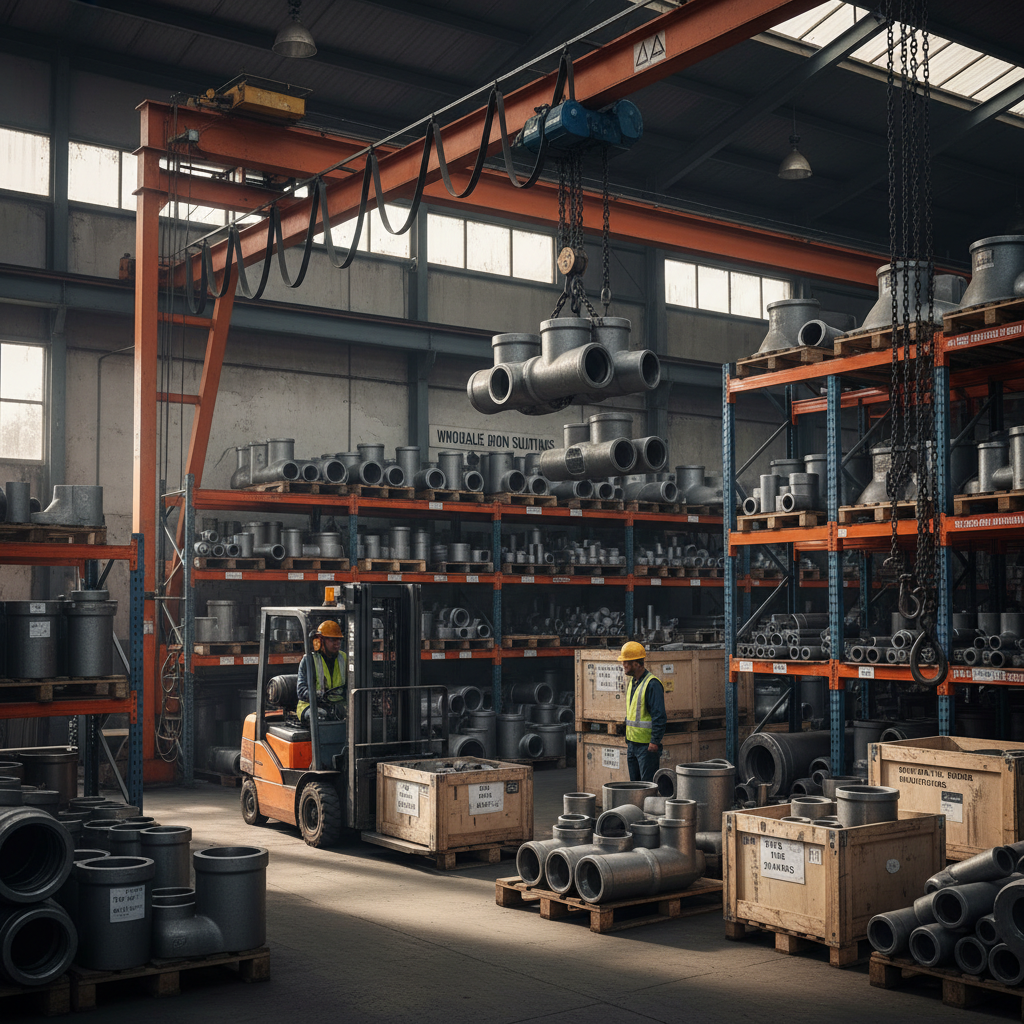
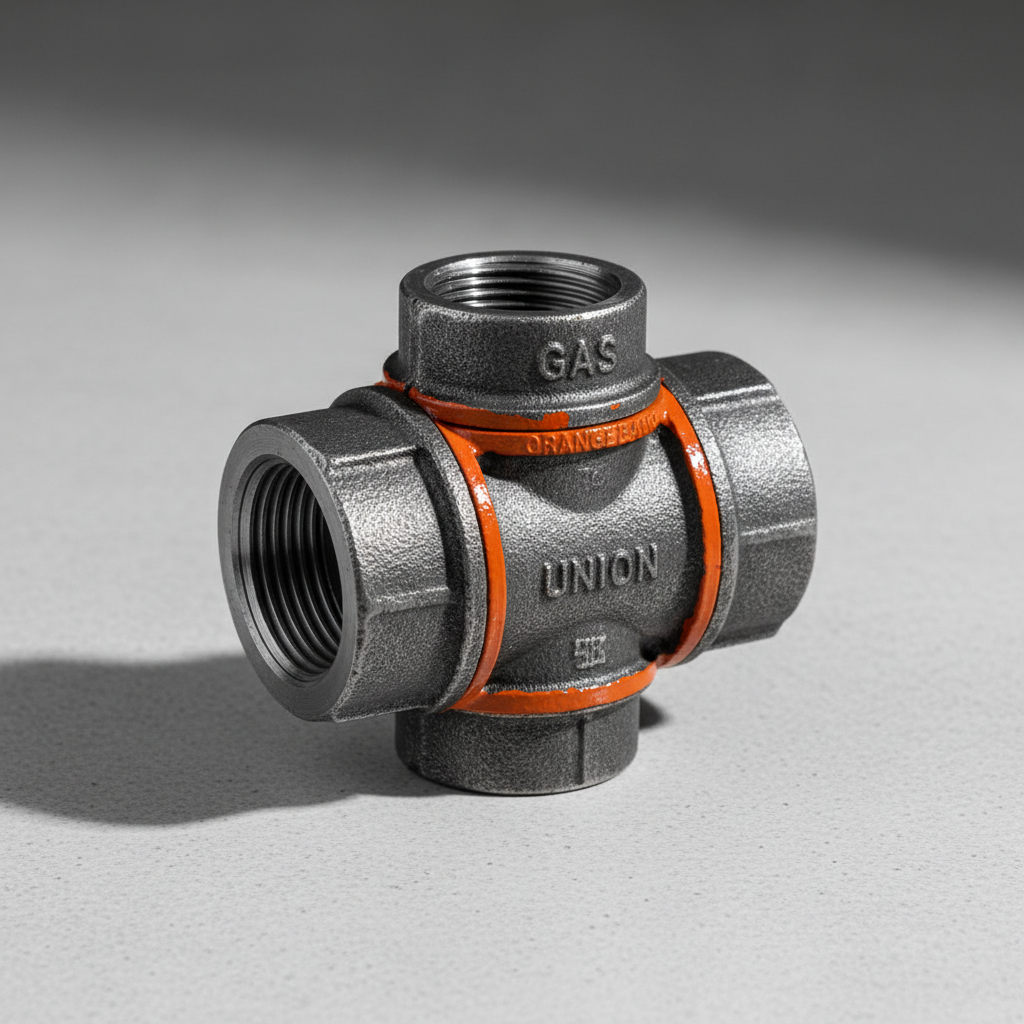
Kinds of fittings in plumbing are essential components in any fluid conveyance system, connecting pipes, valves, and other plumbing fixtures to control and direct the flow of liquids or gases. Understanding the variety of these fittings, their applications, and proper installation techniques is crucial for ensuring efficient, safe, and long-lasting plumbing infrastructure. From residential homes to large-scale industrial facilities, the correct selection and implementation of kinds of fittings in plumbing directly impact the reliability and performance of the entire system.
Globally, access to safe and reliable plumbing is fundamental to public health and sanitation. The need for effective and durable plumbing systems is particularly acute in developing nations, where inadequate infrastructure contributes to the spread of waterborne diseases. Proper use of kinds of fittings in plumbing contributes to minimizing leaks, optimizing water usage, and ensuring the safe delivery of clean water, ultimately improving quality of life. Investment in skilled plumbers and quality fittings is a vital step towards achieving sustainable development goals related to water and sanitation.
The increasing demand for sustainable building practices also places a greater emphasis on the longevity and material composition of kinds of fittings in plumbing. Choosing fittings that resist corrosion, withstand pressure variations, and minimize environmental impact are becoming increasingly important considerations for both professionals and homeowners. Technological advancements continue to introduce new materials and designs that enhance the performance and efficiency of plumbing systems worldwide.
Introduction to Kinds of Fittings in Plumbing
The world of kinds of fittings in plumbing is diverse, encompassing a wide array of shapes, sizes, and materials designed to meet specific plumbing needs. From simple adapters to complex manifolds, each fitting plays a critical role in maintaining the integrity and efficiency of a plumbing system. Recognizing the different types of fittings – threaded, soldered, compression, push-fit, and flanged – is the first step in ensuring a successful installation.
The importance of selecting the correct fitting for the application cannot be overstated. Factors such as pipe material (copper, PVC, PEX, steel), fluid type (water, gas, chemicals), pressure requirements, and temperature fluctuations all influence the choice of fitting. Utilizing inappropriate fittings can lead to leaks, corrosion, and ultimately, system failure. Careful consideration of these factors ensures a durable and reliable plumbing infrastructure.
The Global Significance of Plumbing Fittings
The demand for kinds of fittings in plumbing is directly tied to global population growth, urbanization, and increasing awareness of public health and sanitation. As cities expand and more people gain access to piped water and sewage systems, the need for high-quality, reliable plumbing infrastructure rises accordingly. Developing countries, in particular, are investing heavily in plumbing infrastructure to improve living standards and reduce the incidence of waterborne diseases.
According to the World Health Organization (WHO), approximately 2.2 billion people worldwide lack access to safely managed drinking water services. Properly installed and maintained plumbing systems, utilizing durable kinds of fittings in plumbing, are vital in addressing this global challenge. Furthermore, efficient plumbing systems contribute to water conservation, a critical issue in regions facing water scarcity.
International standards organizations like the International Organization for Standardization (ISO) play a crucial role in setting quality benchmarks for plumbing fittings. These standards ensure consistency, compatibility, and safety across different manufacturers and regions, facilitating global trade and promoting best practices in plumbing installation.
Defining Kinds of Fittings in Plumbing
Kinds of fittings in plumbing are components used to connect sections of piping, change the direction of flow, or regulate the flow of fluids within a plumbing system. These fittings are available in a wide range of materials, including metal (copper, brass, stainless steel), plastic (PVC, CPVC, PEX), and various combinations thereof, each suited to specific applications and environmental conditions.
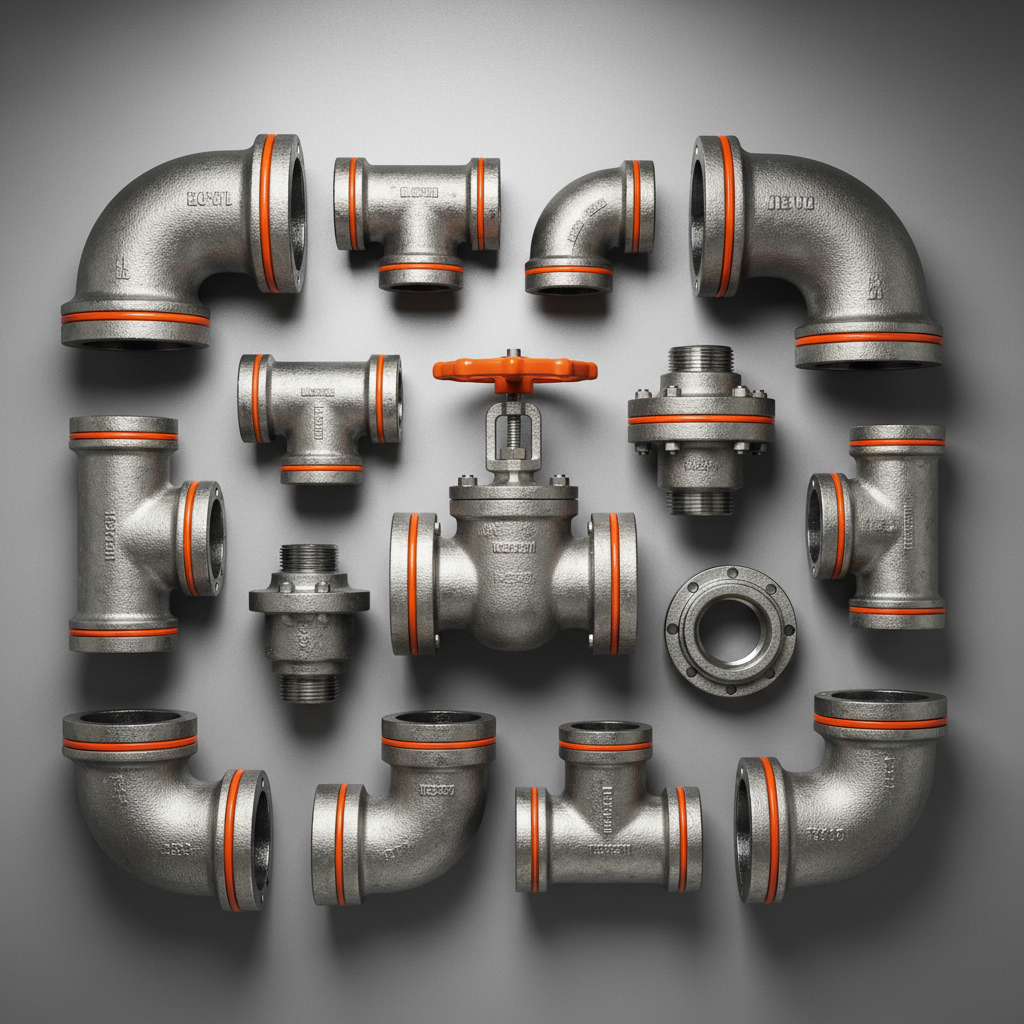
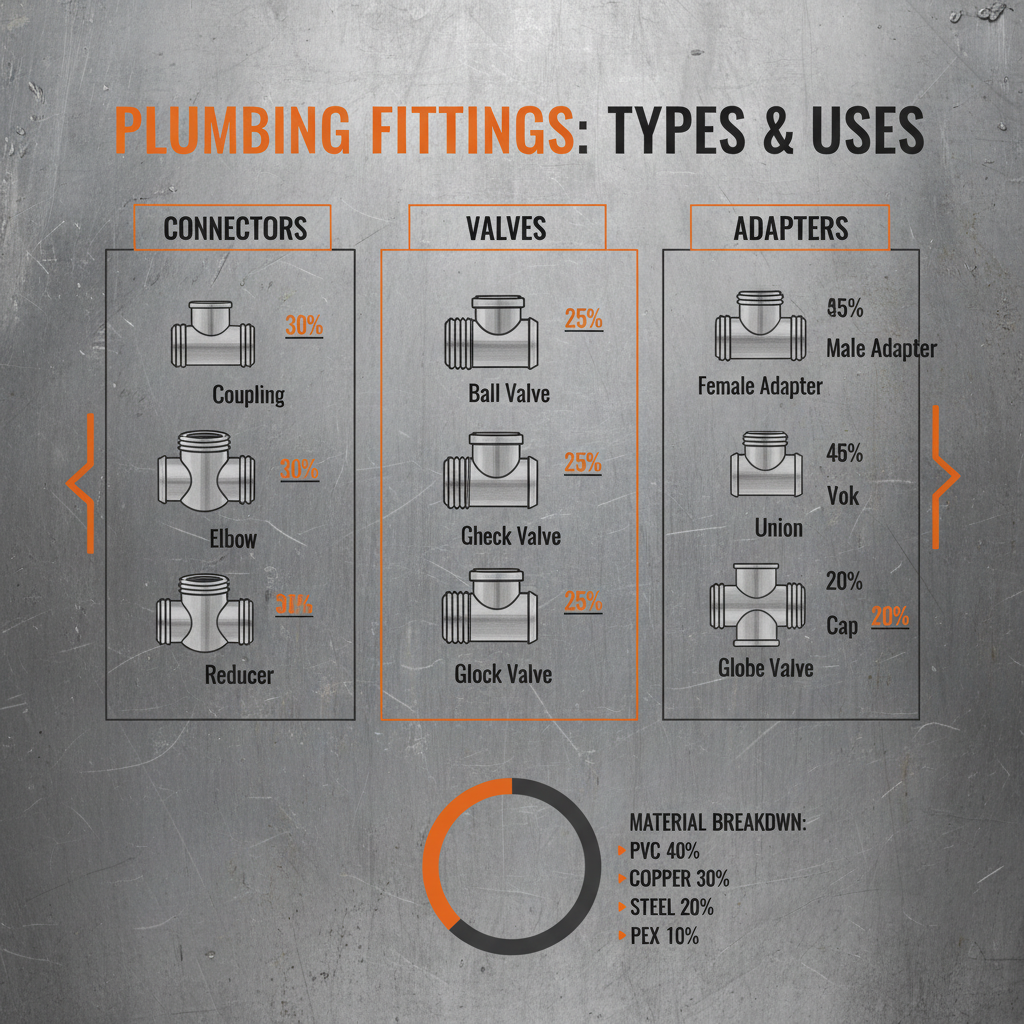
Understanding the functionality of different kinds of fittings in plumbing is essential for any plumbing professional or homeowner undertaking DIY repairs. Common types include elbows, tees, couplings, adapters, unions, valves, and reducers. Each fitting serves a specific purpose, and selecting the correct type is critical for ensuring a leak-free and efficient plumbing system.
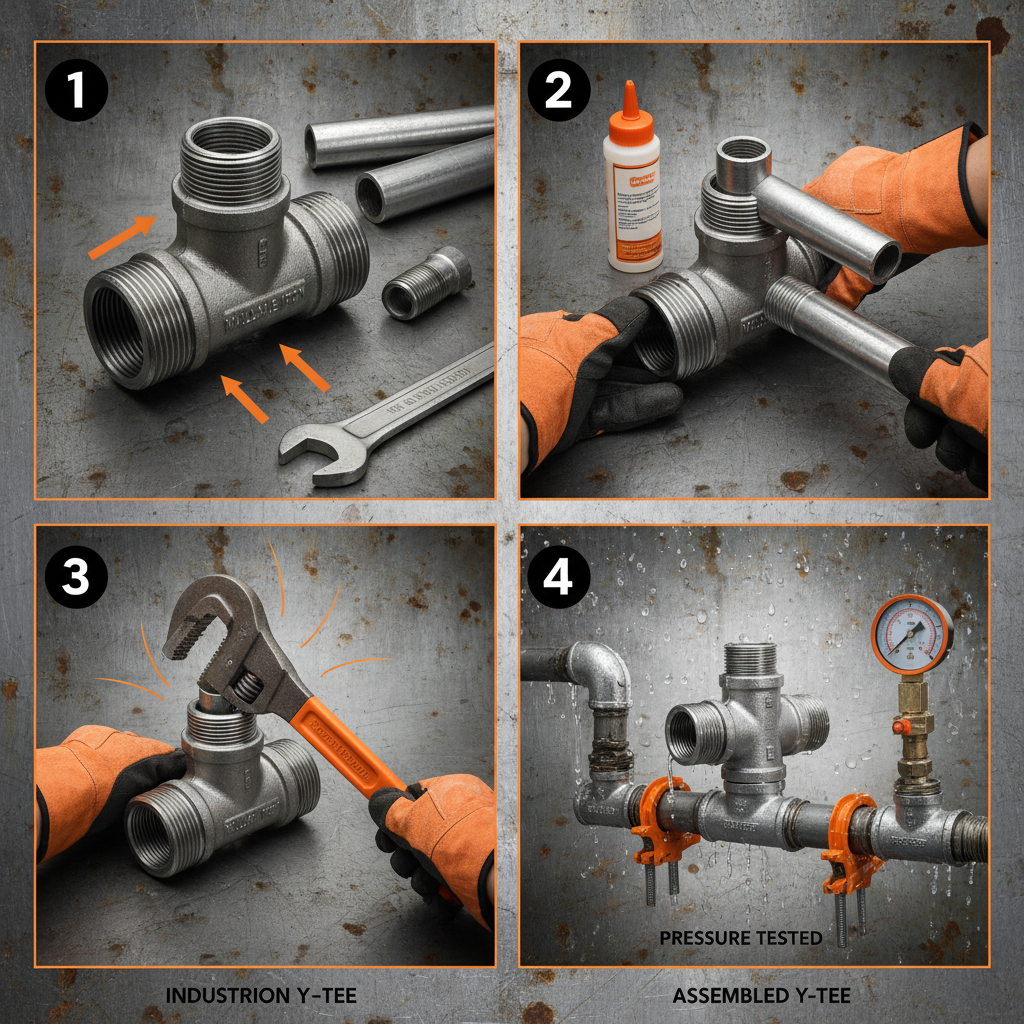
The connection methods for kinds of fittings in plumbing also vary widely. Some fittings rely on threaded connections, requiring pipe sealant to prevent leaks. Others utilize soldering, compression, or push-fit technology, each offering its own advantages and disadvantages in terms of installation ease, durability, and cost. Modern plumbing frequently leverages PEX fittings with crimp or expansion connections for their flexibility and speed of installation.
Key Factors in Fitting Selection
Selecting the appropriate kinds of fittings in plumbing requires careful consideration of several key factors. Durability is paramount, as fittings are exposed to constant water pressure, temperature fluctuations, and potential corrosion. Material selection is therefore crucial, with options like copper, stainless steel, and CPVC offering superior resistance to corrosion and high temperatures.
Another vital factor is compatibility. Fittings must be compatible with the pipe material being used – copper fittings should not be used with PVC pipes, for example. Ensuring compatibility prevents corrosion and maintains the integrity of the plumbing system. Proper pressure ratings and size matching are also essential for avoiding leaks and system failures.
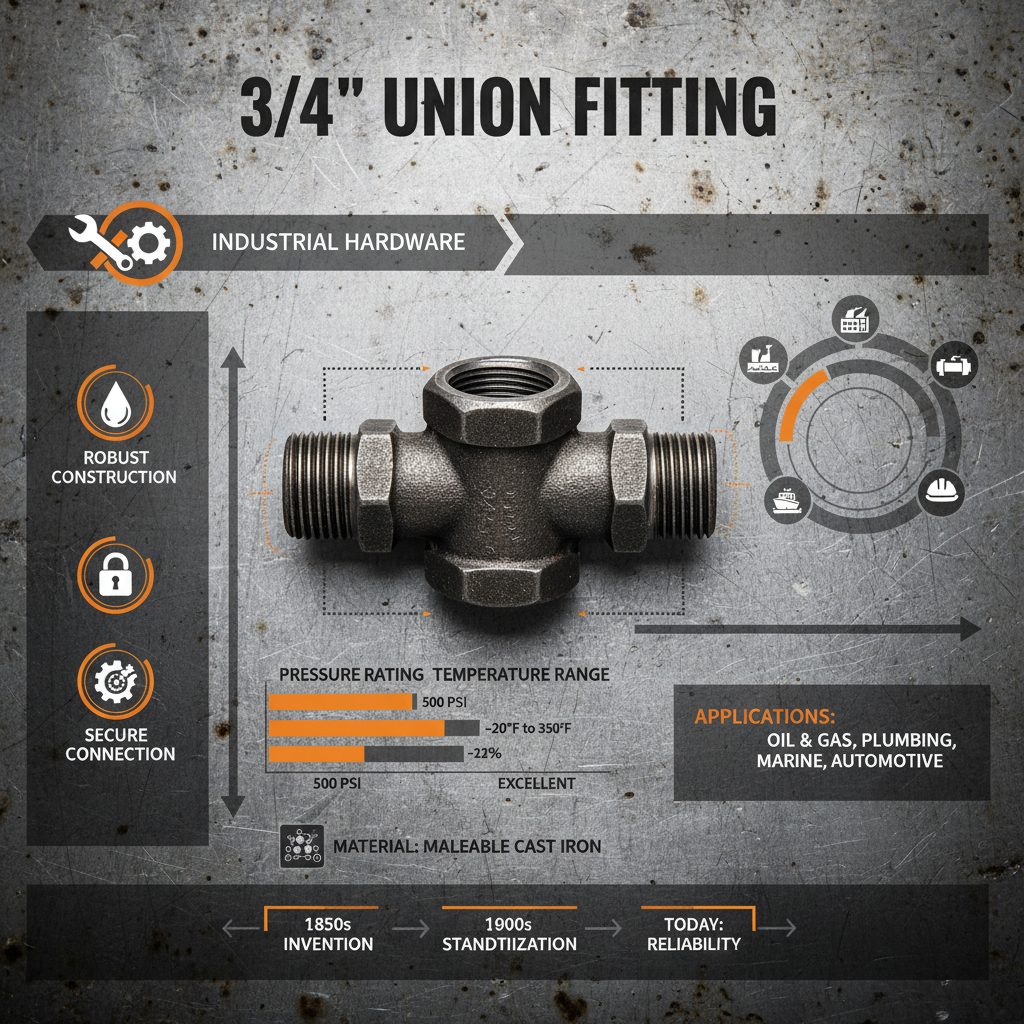
Performance Rating of Kinds of Fittings in Plumbing
Global Applications and Use Cases
Kinds of fittings in plumbing are utilized across a vast spectrum of applications worldwide. In residential construction, they form the backbone of water supply, drainage, and waste management systems. Commercial buildings, such as hotels, hospitals, and office complexes, require more complex plumbing networks incorporating specialized fittings to handle higher demands and diverse fluid types.
Industrial facilities rely heavily on specialized kinds of fittings in plumbing to transport and process various liquids and gases, often under extreme conditions of pressure and temperature. Applications range from chemical processing plants to power generation facilities, where reliability and safety are paramount. In post-disaster relief operations, rapid deployment of temporary plumbing systems utilizing lightweight and easy-to-install fittings is crucial for providing access to clean water and sanitation.
Advantages and Long-Term Value
Investing in high-quality kinds of fittings in plumbing offers significant long-term advantages. Reduced maintenance costs, minimized risk of leaks and water damage, and increased system lifespan all contribute to substantial cost savings over time. Durable fittings also enhance the reliability of plumbing systems, preventing disruptions and ensuring consistent performance.
Beyond economic benefits, the use of sustainable and eco-friendly fittings promotes environmental responsibility. Choosing materials with low embodied energy and minimizing water waste through leak prevention contribute to a more sustainable future. Ultimately, well-designed and properly installed plumbing systems enhance the safety, comfort, and quality of life for building occupants.
Future Trends and Innovations
The future of kinds of fittings in plumbing is being shaped by several emerging trends. Smart plumbing systems, incorporating sensors and automated valves, are gaining traction, offering real-time monitoring of water usage and leak detection. New materials, such as advanced polymers and composite materials, are being developed to improve durability, corrosion resistance, and cost-effectiveness.
Digital fabrication techniques, like 3D printing, hold the potential to revolutionize the manufacturing of customized fittings, enabling tailored solutions for specific plumbing needs. Increased focus on water conservation and sustainable building practices will drive demand for fittings that minimize water waste and promote efficient water management.
The integration of Building Information Modeling (BIM) in plumbing design and installation will improve accuracy, coordination, and collaboration, leading to more efficient and reliable plumbing systems utilizing optimized kinds of fittings in plumbing.
FAQS
For long-term durability, copper and stainless steel are generally considered the most reliable materials for kinds of fittings in plumbing, offering excellent corrosion resistance and strength. While more expensive initially, their lifespan and reduced maintenance requirements often justify the investment. CPVC is also a strong contender, particularly in applications requiring resistance to high temperatures and corrosive chemicals.
Yes, many push-fit fittings are specifically designed and certified for use with potable (drinking) water systems. However, it’s crucial to choose fittings that meet relevant standards (like NSF/ANSI 61) to ensure they don't leach harmful substances into the water. Always follow the manufacturer's instructions for proper installation and ensure the pipes are properly deburred before connecting.
Both compression and flare fittings create a leak-proof seal by compressing a ferrule (a small ring) onto the pipe. However, flare fittings require flaring the end of the pipe to create a cone-shaped surface that fits into the fitting. Compression fittings don't require flaring and are generally easier to install, but flare fittings offer a stronger and more secure connection, often preferred in high-pressure applications.
Yes, with the appropriate transition fittings, you can often connect different types of pipe materials. For example, you can use dielectric unions to connect copper to steel pipe to prevent galvanic corrosion. Similarly, adapters are available to transition between PVC and CPVC, or between PEX and copper. However, always ensure the fittings are rated for the specific materials and pressures involved.
PEX (cross-linked polyethylene) fittings offer several advantages, including flexibility, corrosion resistance, and ease of installation. PEX systems require fewer connections than traditional piping, reducing the risk of leaks. They can also navigate tight spaces more easily, making them ideal for renovations and retrofit projects. Various connection methods like crimp, expansion, and push-fit offer versatility.
Galvanic corrosion occurs when dissimilar metals are in contact in the presence of an electrolyte (water). To prevent this, use dielectric unions or fittings that isolate the different metals. Applying a corrosion-inhibiting coating to the metal surfaces can also help. Proper grounding of the plumbing system is another important preventative measure.
Conclusion
In conclusion, understanding the nuances of kinds of fittings in plumbing is paramount for ensuring the reliability, efficiency, and sustainability of any plumbing system. From selecting the right materials to utilizing appropriate connection methods, careful consideration of these factors translates into long-term cost savings, reduced maintenance, and improved public health. The ongoing evolution of plumbing technology promises even more innovative solutions in the years to come.
As we move towards a more sustainable future, prioritizing the use of durable, eco-friendly kinds of fittings in plumbing is more critical than ever. Investing in skilled plumbing professionals and adopting best practices in installation and maintenance will ensure that our plumbing infrastructure can meet the challenges of a growing population and a changing climate. Visit our website at Pannex Fittings to learn more about our wide range of high-quality plumbing solutions.