
Understanding Elbows: 45 and 90 Degree Fittings for Pipe Systems
In the world of piping systems, fittings are essential components that allow for changes in direction, connections between pipes, and branching. Among these, elbows are fundamental, particularly 45 and 90-degree versions. These fittings dictate the flow direction and overall design of countless applications, from plumbing and industrial processes to irrigation and HVAC. This article provides a comprehensive overview of these two essential fittings, exploring their uses, differences, advantages, and selection criteria. Choosing the correct elbow is vital for optimal system performance, longevity, and safety. Pannext Fittings offers a wide selection of high-quality elbows to meet diverse needs.
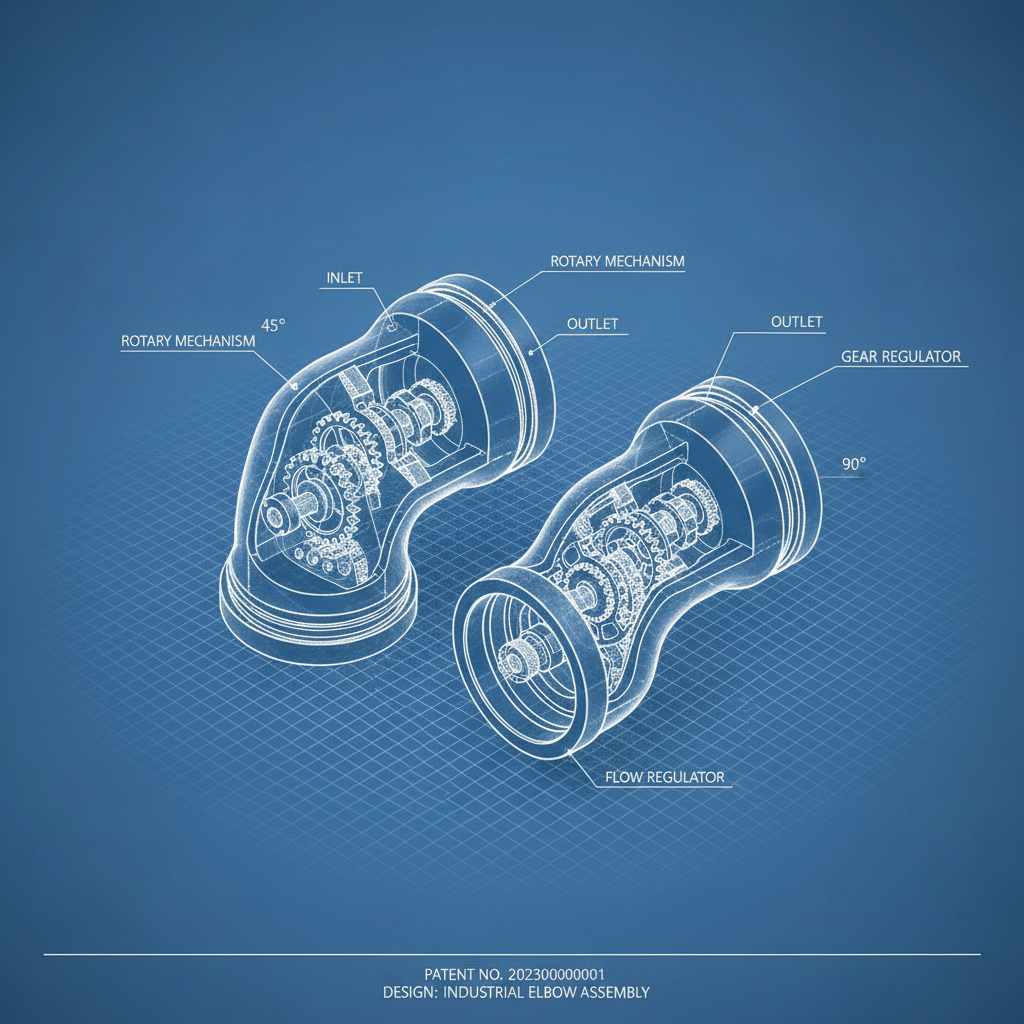
The Core Difference: 45-Degree vs. 90-Degree Elbows
The primary distinction between 45-degree and 90-degree elbows lies in the angle of bend they provide. A 45-degree elbow alters the pipe's direction by 45 degrees, creating a gradual change in flow. Conversely, a 90-degree elbow makes a sharp, right-angled turn, changing the flow direction by 90 degrees. This difference directly impacts the flow dynamics and pressure drop within the system. 45-degree elbows generally result in less turbulence and a lower pressure drop compared to 90-degree elbows. Understanding these differences is critical for designing efficient and effective piping systems.
Key Takeaway: 45-degree elbows offer a smoother flow path with reduced turbulence, while 90-degree elbows provide a more abrupt directional change.
Applications of 45-Degree Elbows
45-degree elbows are commonly used in situations where a gradual change in direction is desired. This minimizes turbulence and reduces the risk of erosion or cavitation within the piping system. They are ideal for applications like:
- HVAC ductwork: Creating smooth airflow transitions.
- Plumbing: Connecting multiple pipes with gentle bends.
- Irrigation systems: Distributing water efficiently through a network of pipes.
- Chemical processing: Handling sensitive fluids with minimal pressure loss.
Benefits of Using 45-Degree Elbows:
• Reduced pressure drop compared to 90-degree elbows.
• Smoother fluid flow, minimizing turbulence.
• Lower risk of erosion and cavitation.
• Ideal for sensitive fluids and high-flow applications.
Applications of 90-Degree Elbows
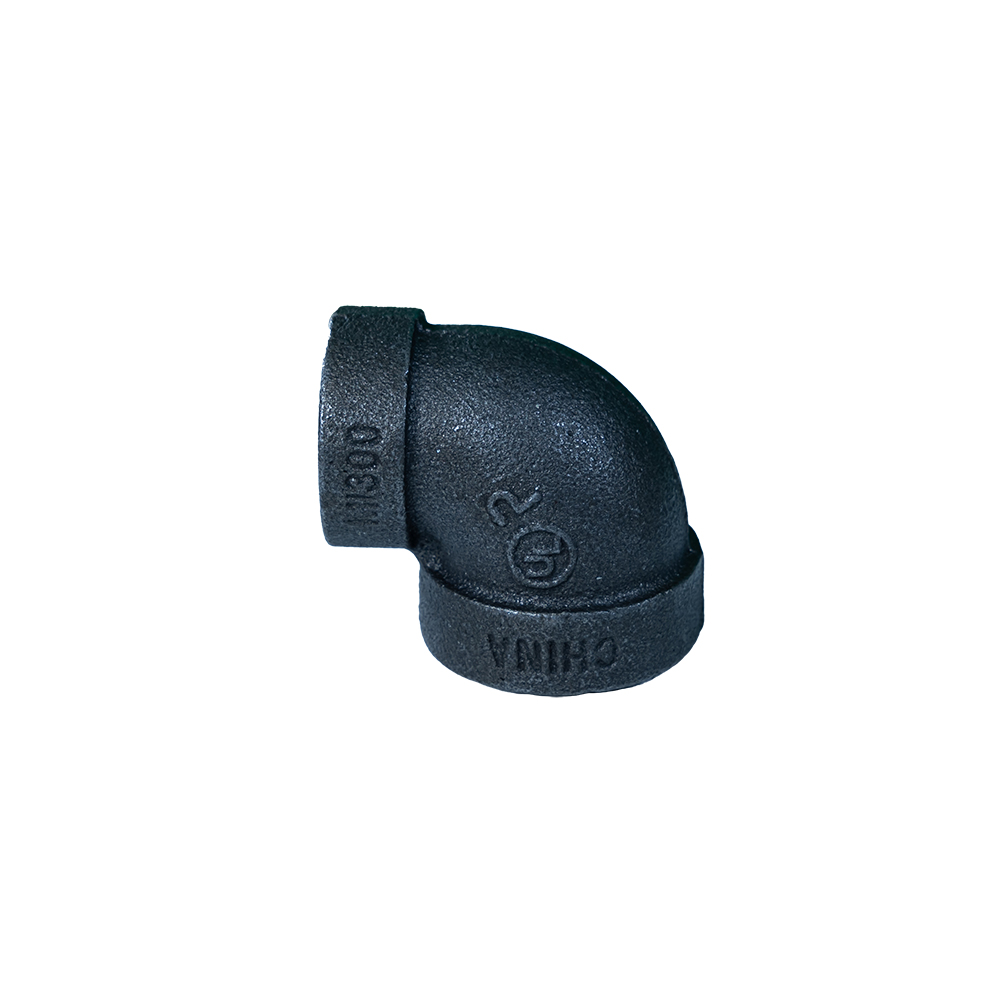
90-degree elbows are used when a sharp, right-angled turn is required in a piping system. While they cause more turbulence than 45-degree elbows, they are often necessary due to space constraints or design limitations. Common applications include:
- Plumbing: Connecting pipes in tight spaces, such as under sinks.
- Industrial piping: Routing pipes around machinery or obstacles.
- Drainage systems: Directing wastewater flow.
- Fire sprinkler systems: Creating a network of pipes throughout a building.
Careful consideration of the potential pressure drop is crucial when utilizing 90-degree elbows. Using long radius elbows can help minimize this effect.
Material Considerations and Standards
Elbows are available in a wide range of materials, including steel, stainless steel, PVC, CPVC, and polyethylene. The choice of material depends on the application's specific requirements, such as temperature, pressure, and the type of fluid being conveyed. It is also important to ensure that the elbows meet relevant industry standards, such as ASTM or ANSI, to guarantee quality and performance. Pannext Fittings provides elbows that conform to these standards.
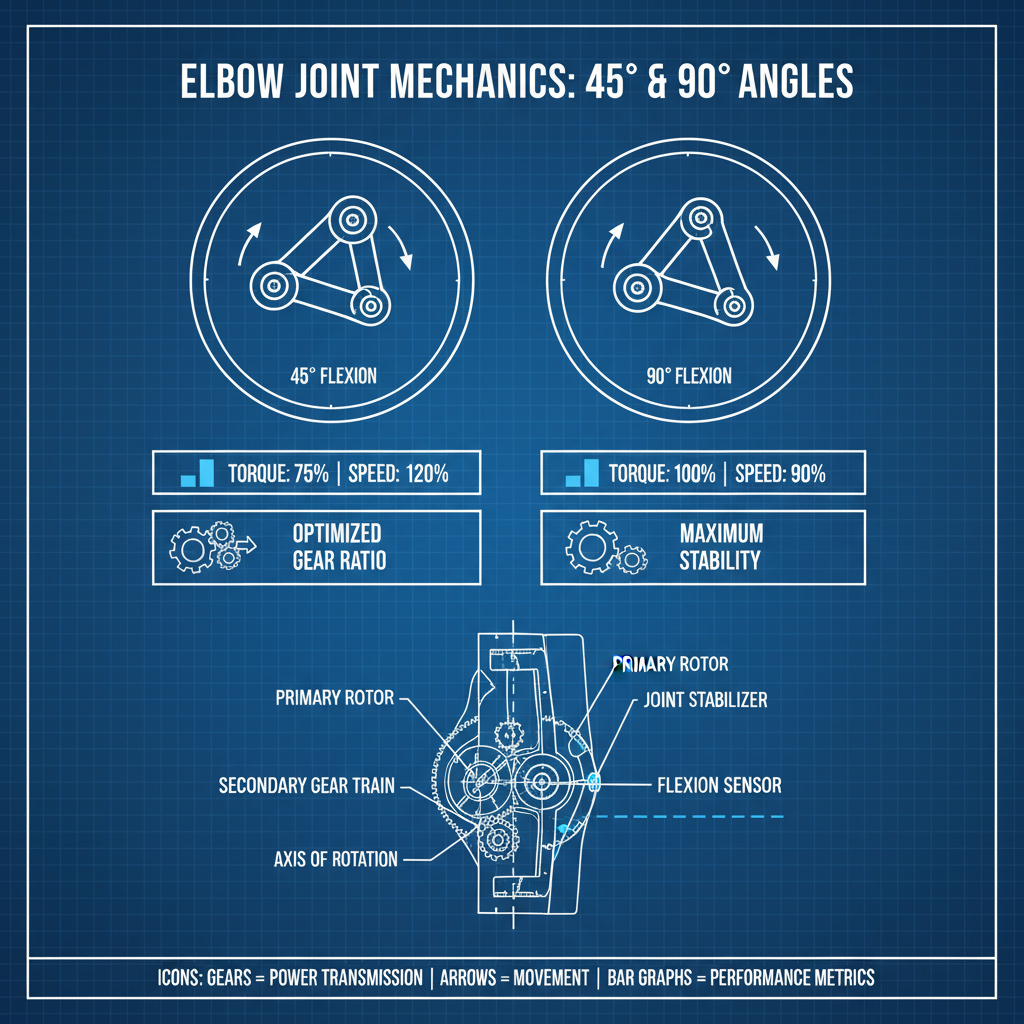
Conclusion: Selecting the Right Elbow for Your Needs
Choosing between 45-degree and 90-degree elbows requires careful consideration of the specific application requirements. By understanding the differences in flow dynamics, pressure drop, and space constraints, you can select the optimal fitting for your piping system. Pannext Fittings provides a comprehensive range of both 45 and 90-degree elbows in various materials and sizes to meet your project demands. Prioritize quality, compatibility, and adherence to industry standards for long-lasting performance and safety.
Frequently Asked Questions (FAQs)
What factors should I consider when choosing between a 45-degree and 90-degree elbow?
Several factors influence this decision. Consider the desired flow rate, the available space for the fitting, and the type of fluid being conveyed. 45-degree elbows are preferred for smoother flow and lower pressure drop, but require more space. 90-degree elbows are ideal when space is limited, but they increase turbulence and pressure loss. Also consider the material compatibility with the fluid.
What is the impact of using a short-radius 90-degree elbow?
Short-radius 90-degree elbows create a sharper bend, resulting in significantly higher turbulence and a greater pressure drop compared to long-radius elbows. This can lead to increased energy consumption, erosion of the pipe material, and potential cavitation issues. While they are more compact, they should be used cautiously in applications where pressure loss is a concern.
Are there any specific standards I should look for when purchasing elbows?
Yes, look for elbows that comply with relevant industry standards such as ASTM (American Society for Testing and Materials) or ANSI (American National Standards Institute). These standards ensure that the elbows meet specific quality, performance, and safety requirements. Specifically for elbows, ASTM A403 is a common standard for steel elbows, while ASTM D2467 applies to PVC elbows.
What materials are elbows typically made from?
Elbows are manufactured from a diverse range of materials, each tailored to specific application requirements. Common materials include carbon steel, stainless steel (grades 304 and 316), PVC (Polyvinyl Chloride), CPVC (Chlorinated Polyvinyl Chloride), polyethylene, and copper. The selection of material hinges on factors like temperature, pressure, fluid compatibility, and cost considerations.
Post time: Feb-11-2026