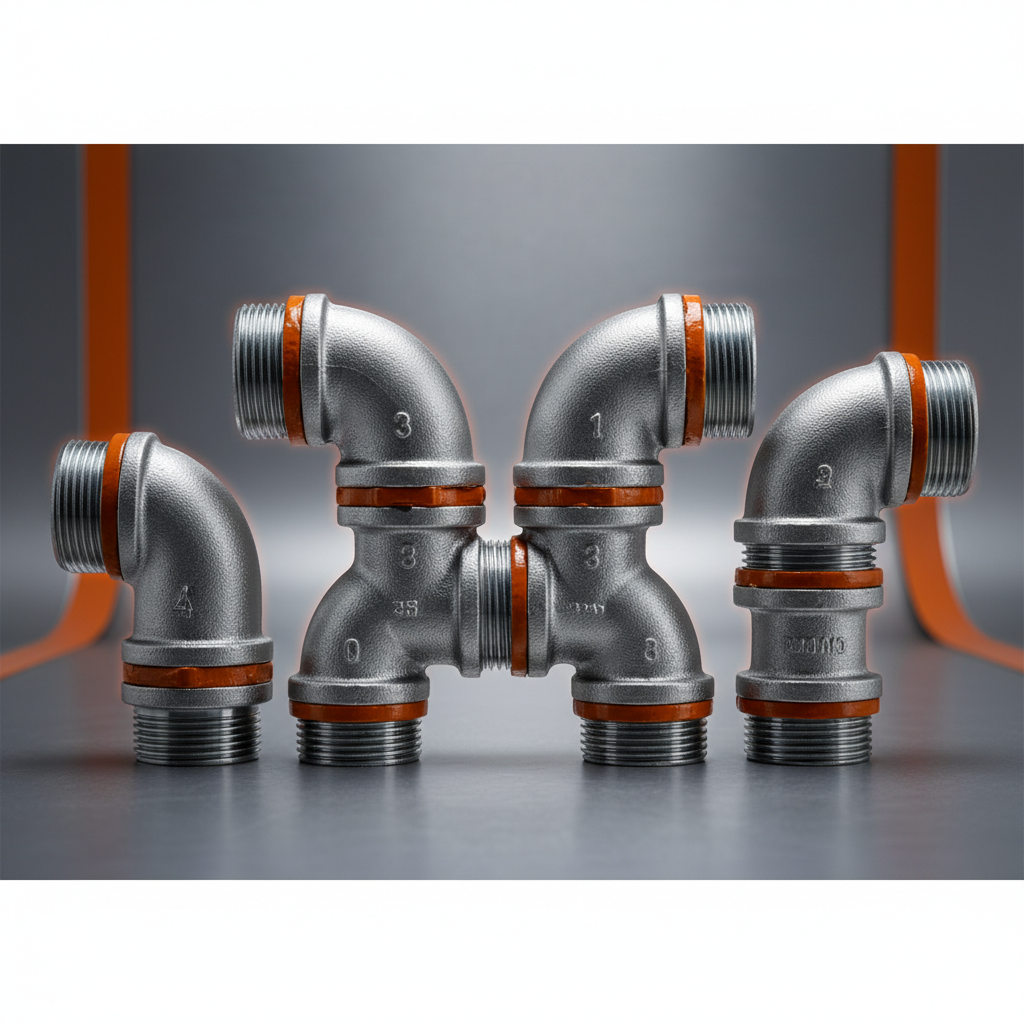
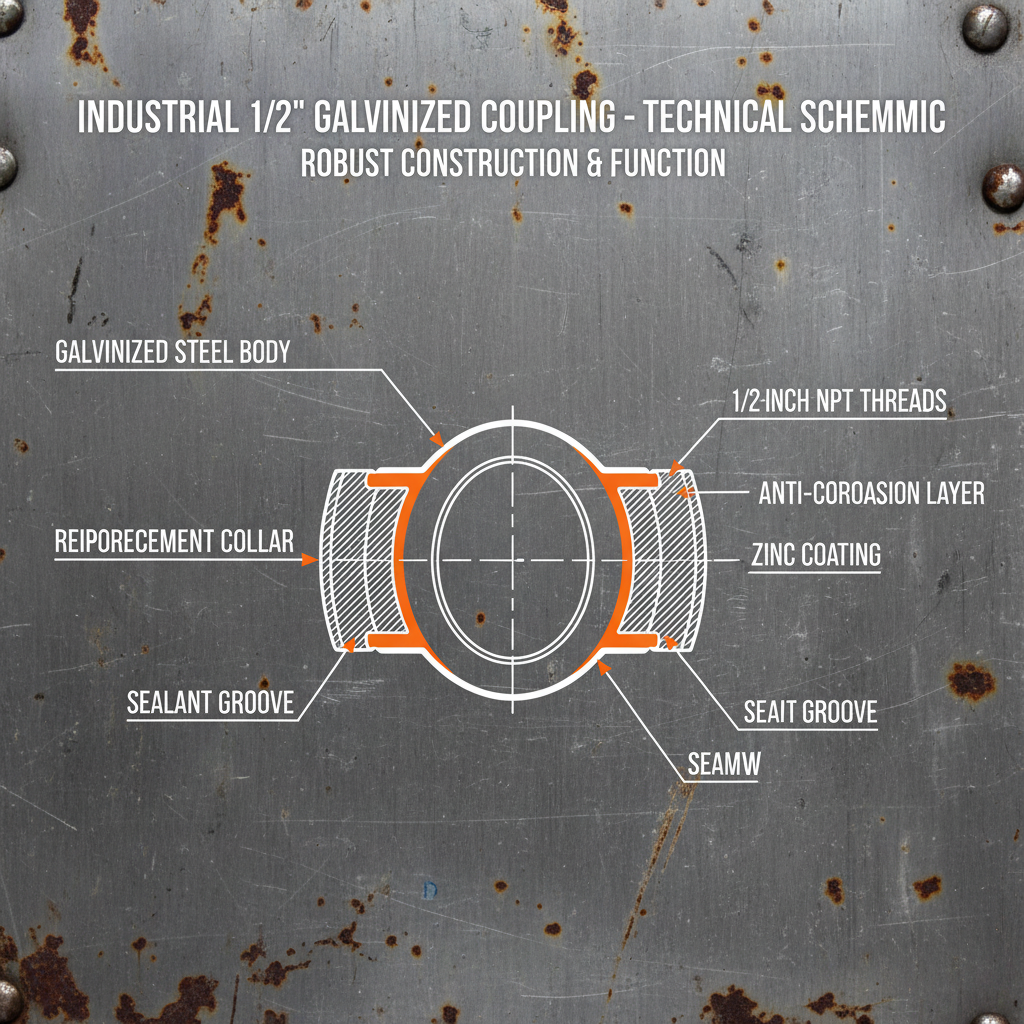
The global infrastructure landscape relies heavily on the precision and reliability of fluid transport systems. Within this complex network, the implementation of a specialized mechanical tee serves as a critical junction point, allowing for the seamless branching of pipelines without compromising the structural integrity of the system. Whether in municipal water distribution or industrial processing, these components ensure that fluid dynamics remain consistent while providing the flexibility needed for system expansion.
From an engineering perspective, the shift toward high-performance malleable iron and galvanized coatings has revolutionized how technicians approach pipe modification. The challenge has always been balancing the need for a rapid installation process with the absolute necessity of leak-proof, corrosion-resistant connections. By integrating advanced casting techniques, the modern mechanical tee solves these dilemmas, offering a robust solution for both new construction and the repair of aging infrastructure.
Understanding the nuances of these fittings is essential for project managers and engineers who prioritize long-term durability and safety. By utilizing standardized NPT and BS21 threads combined with hot-dipped galvanization, the mechanical tee ensures a lifespan that resists the harshest environmental stressors. This guide explores the technical specifications, global applications, and strategic advantages of implementing these high-grade compression fittings in modern piping projects.
Global Industrial Context of Mechanical Tee
In the current global industrial climate, the demand for efficient piping solutions has spiked due to rapid urbanization and the modernization of water utility grids. According to international engineering standards, the ability to modify existing lines without complete system shutdowns is paramount. The mechanical tee has emerged as a cornerstone technology, enabling engineers to create new outlets and repair breaches with minimal downtime.
Across various continents, the adoption of malleable iron fittings has increased because of their superior strength-to-weight ratio compared to standard cast iron. This transition is particularly evident in emerging markets where infrastructure must be deployed quickly but expected to last for decades. By utilizing these specialized fittings, industries can reduce labor costs and material waste, aligning with global sustainability goals.
Technical Definition and Core Mechanics
At its core, a mechanical tee is a specialized pipe fitting designed to create a T-shaped junction in a piping system. Unlike welded tees that require high-heat application and specialized certification, the mechanical variety utilizes compression and threading to secure the connection. This makes it an ideal choice for field modifications where welding equipment is impractical or prohibited due to safety regulations.
The construction of these components typically involves high-grade malleable iron, which is cast and then treated for corrosion resistance. The "equal" configuration means that the branch and the run diameters are identical, ensuring a balanced flow of fluids. The use of NPT (National Pipe Thread) and BS21 standards ensures that these fittings are compatible with a wide array of global piping systems, facilitating seamless international trade and installation.
Furthermore, the compression mechanism allows for a tight, leak-proof seal that can withstand significant pressure. By employing a combination of female connections and precision-cast walls, the mechanical tee provides the structural rigidity needed for industrial environments while remaining intuitive enough for rapid deployment by skilled technicians.
Key Performance Factors for Durability
One of the most critical factors in the longevity of a mechanical tee is the surface treatment. Hot-dipped galvanization provides a thick, durable layer of zinc that protects the underlying malleable iron from oxidation. This is particularly vital in environments exposed to humidity or mildly corrosive chemicals, where untreated iron would degrade rapidly.
The precision of the casting process also plays a pivotal role. A high-quality mechanical tee must have consistent wall thickness to prevent stress concentration points. When the fitting is subjected to pressure cycles, any irregularity in the casting can lead to premature fatigue or failure; hence, adhering to strict manufacturing tolerances is non-negotiable for industrial safety.
Finally, the compatibility of the threading standard—whether NPT or BS21—determines the integrity of the seal. A perfectly matched mechanical tee eliminates the risk of cross-threading and ensures that the compression force is distributed evenly across the joint, preventing the micro-leaks that often plague lower-quality installations.
Economic Efficiency and Scalability
From a budgetary perspective, the use of a mechanical tee significantly reduces the "total cost of ownership" for piping networks. Because these fittings allow for modification and repair without cutting out large sections of the existing pipe, the labor hours required for installation are slashed. This efficiency is amplified in large-scale projects where hundreds of junctions are required.
Scalability is achieved through the availability of various sizes, ranging from 1/2 inch for small-scale residential repairs to 4 inches for heavy industrial applications. This range ensures that a single procurement source can supply all the necessary components for a complex project, simplifying the supply chain and reducing the risk of mismatched components.
Performance Comparison of Mechanical Tee Installation Methods
Global Application Case Studies
In remote industrial zones, such as mining operations in South America or oil fields in the Middle East, the mechanical tee is indispensable. In these locations, bringing in specialized welding crews is prohibitively expensive. The ability to deploy a galvanized compression tee allows local maintenance teams to perform critical repairs and system expansions rapidly, ensuring that production downtime is kept to an absolute minimum.
Similarly, in urban redevelopment projects across Europe, these fittings are used to integrate modern plumbing into century-old building frameworks. The corrosion resistance of the galvanized malleable iron makes it compatible with various existing pipe materials, while the mechanical connection prevents the need for open flames in densely populated, high-risk areas.
Long-Term Value and Reliability
The true value of a mechanical tee is realized over the decades following installation. By utilizing a 30-year history of expertise in casting, manufacturers ensure that the material density is optimized to prevent leaching and cracking. This reliability translates to a lower frequency of emergency repairs and a significant increase in the safety of the transported fluids.
Moreover, the psychological peace of mind provided by a certified, standard-compliant fitting is invaluable. When a system is built using components that meet NPT or BS21 standards, operators know that the system can be serviced by any qualified technician globally. This standardization removes the dependency on proprietary tools and ensures that the infrastructure remains sustainable.
From a sustainability angle, the longevity of galvanized malleable iron reduces the need for frequent replacements. This lowers the overall carbon footprint of the project by reducing the demand for new raw materials and decreasing the waste sent to landfills, making the mechanical tee an environmentally responsible choice.
Future Trends in Piping Innovation
As we move toward a more digitalized industrial era, the integration of smart sensors within pipe junctions is becoming a reality. Future iterations of the mechanical tee may include embedded monitoring points to detect pressure drops or leakages in real-time. This fusion of traditional mechanical strength with IoT capabilities will allow for predictive maintenance on a global scale.
Additionally, there is a growing trend toward "Green Galvanization" processes that reduce the environmental impact of zinc coating. By adopting more eco-friendly chemical treatments, the production of the mechanical tee will align more closely with the circular economy, ensuring that high-performance infrastructure does not come at the cost of ecological health.
Finally, the rise of modular construction is driving the demand for more "plug-and-play" fittings. The evolution of the mechanical tee involves creating even faster compression mechanisms that maintain the same industrial-grade seal, further reducing the barrier between engineering design and physical implementation.
Technical Specifications and Weight Analysis of Mechanical Tee Sizes
| Item Number |
Nominal Size (Inch) |
Weight (KG) |
Application Suitability |
| UNI05 |
1/2 |
0.181 |
Light Duty / Residential |
| UNI10 |
1 |
0.412 |
Standard Commercial |
| UNI15 |
1.1/2 |
0.869 |
Industrial Branching |
| UNI20 |
2 |
1.108 |
Medium Pressure Lines |
| UNI30 |
3 |
2.34 |
Heavy Industrial Flow |
| UNI40 |
4 |
4.228 |
Main Distribution Trunk |
FAQS
The primary advantage is the ease of installation and the elimination of "hot work." A mechanical tee allows for modifications to be made without the need for welding equipment, which is critical in hazardous environments or remote areas. Additionally, the galvanized coating provides immediate, built-in corrosion resistance, whereas welded joints require separate post-weld coating to prevent rust at the heat-affected zone.
Compatibility is determined by the threading standard. Ensure you identify whether your system uses NPT (National Pipe Thread) or BS21 (British Standard). Our mechanical tees are manufactured to adhere to these strict international standards to ensure a precise fit. Additionally, verify the nominal diameter (from 1/2" to 4") to match your pipe size exactly for a leak-proof compression seal.
Yes, absolutely. The design of the mechanical tee is specifically engineered for versatility. In new construction, they provide a fast way to build out branch lines. In repair scenarios, they allow technicians to modify or tap into existing pipes to divert flow or replace damaged sections without having to dismantle the entire piping network, significantly reducing operational downtime.
While the lifespan depends on the environment, the combination of high-grade malleable iron and hot-dipped galvanization is designed for long-term durability. With a minimum guarantee of 1 year and a manufacturing history of over 30 years, these fittings are built to last decades in standard industrial conditions. The zinc coating acts as a sacrificial anode, protecting the structural iron from corrosion.
Yes, we offer several options to meet specific environmental needs. Clients can choose between hot-dipped galvanization for maximum corrosion protection, electric galvanization for a smoother finish, or OEM customized coatings based on their specific chemical exposure requirements. This flexibility ensures the fitting is perfectly suited for the intended application.
We use export-standard packaging to ensure the fittings arrive in perfect condition. This includes 5-layer master cartons with inner boxes to prevent movement. Generally, 48 cartons are packed onto a single pallet, with 20 pallets loaded into a 20-foot container, ensuring maximum space efficiency and protection during maritime transit.
Conclusion
The integration of a high-quality mechanical tee into piping infrastructure represents a strategic investment in reliability and efficiency. By combining the strength of malleable iron with the versatility of compression fittings and the protection of galvanization, these components address the most pressing challenges of modern fluid transport—namely, the need for rapid deployment and long-term durability. From reducing installation labor to ensuring a leak-proof seal across a wide range of sizes, the technical advantages are clear and quantifiable.
Looking forward, the piping industry will continue to demand components that balance traditional mechanical integrity with evolving sustainability and digital standards. For engineers and project managers, choosing fittings that adhere to global NPT and BS21 standards is the best way to future-proof their infrastructure. We invite you to explore our full range of professional piping solutions to ensure your next project is built on a foundation of strength and precision. Visit our website: www.pannextfittings.com