
Understanding 1 8 NPT Female Coupling: A Comprehensive Guide
The 1 8 NPT female coupling is a crucial component in many fluid transfer systems, particularly within the cross-border trade of industrial parts. These fittings are known for their reliability and ease of use in connecting pipes and hoses. This article provides a detailed look at 1 8 NPT female couplings, their applications, materials, installation, and considerations for international sourcing. Understanding these details is vital for efficient and safe operations. We’ll also highlight where to find high-quality fittings from a trusted supplier like Pannex Fittings.
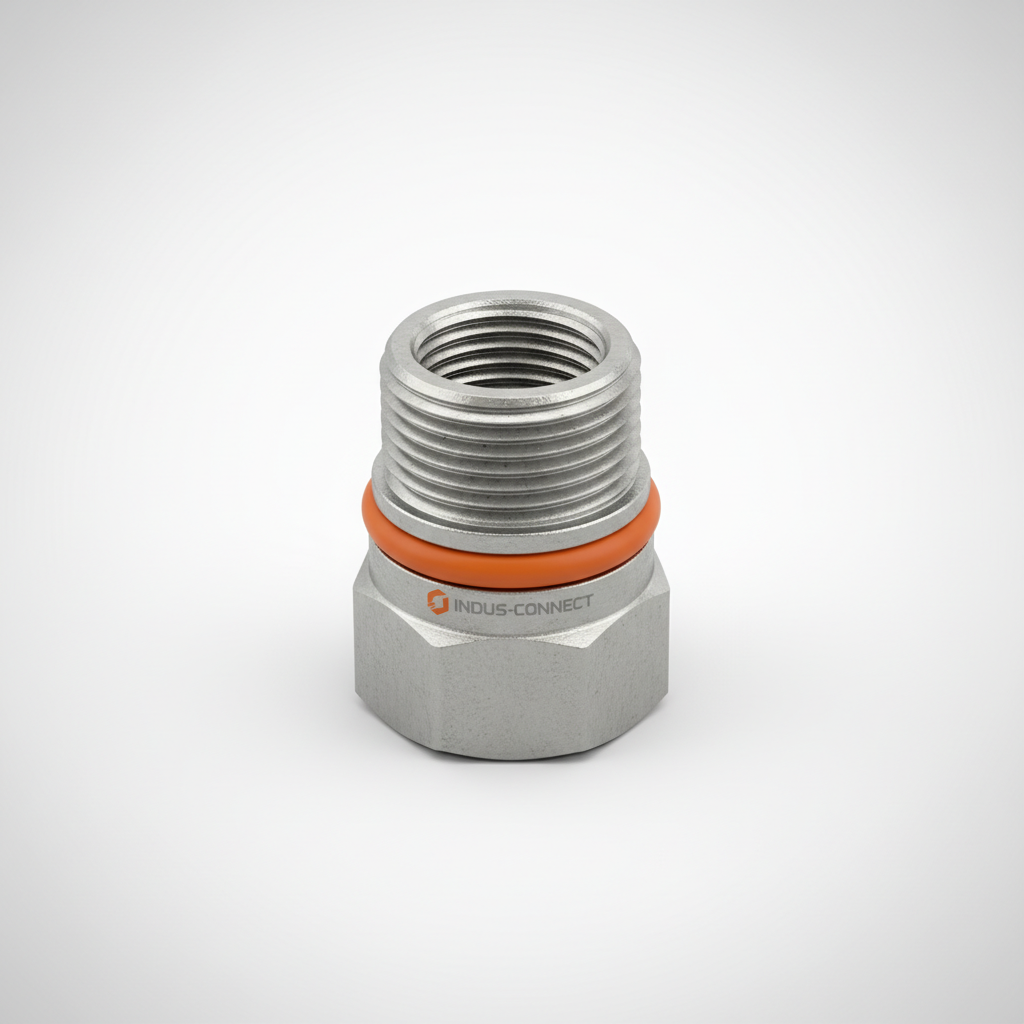
What is a 1 8 NPT Female Coupling?
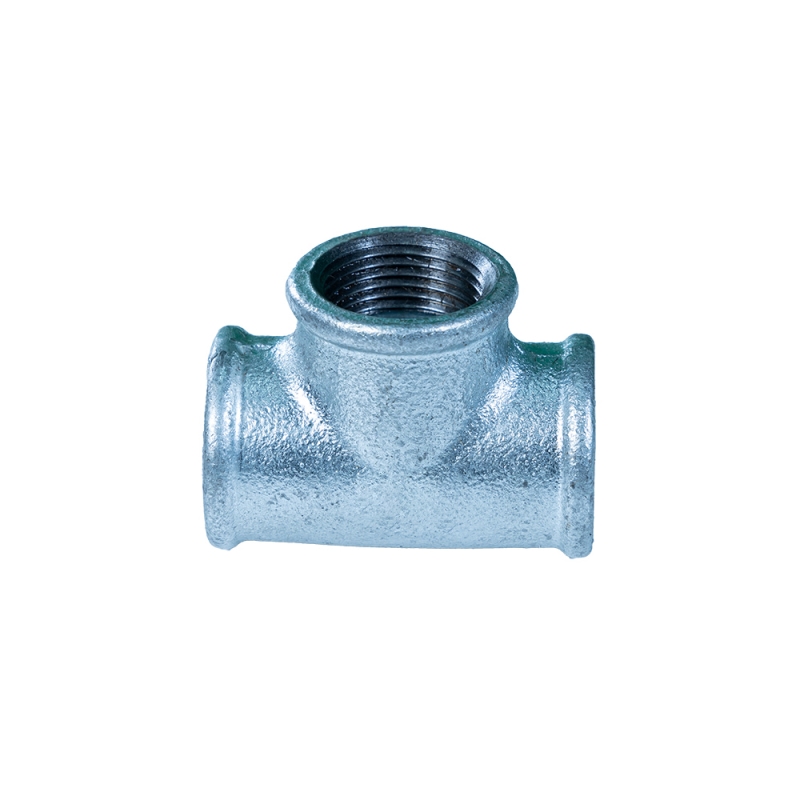
The term "1 8 NPT" refers to the National Pipe Tapered thread standard, with "1 8" indicating the nominal pipe size (1/8 inch). A female coupling has internal threads, designed to connect to male threaded fittings. This type of coupling is commonly used for lower pressure applications due to the tapered thread sealing design. It’s vital to use thread sealant (like Teflon tape) during installation to ensure a leak-proof connection. The simplicity and affordability of these couplings make them a staple in many industrial settings.
Key Highlights: Reliable connection, easy to install, cost-effective, and widely available for various fluid transfer systems.
Common Applications of 1 8 NPT Female Couplings
These couplings find application in numerous industries, including: pneumatics, hydraulics, water systems, and chemical processing. Specifically, you'll find them used in: instrumentation, air lines, low-pressure fluid transfer, and connecting sensors. Due to their small size, they are frequently used in confined spaces. Their versatility makes them ideal for both OEM applications and maintenance, repair, and operations (MRO) tasks. They're also commonly used in international trade as standard components.
Application Benefits:
• Versatile for diverse fluid types
• Suitable for low-pressure systems
• Compact size for tight spaces
• Easy to integrate into existing systems
1 8 NPT Female Coupling: Materials & Their Characteristics
1 8 NPT female couplings are available in various materials, each with its strengths and weaknesses. Common materials include: brass, stainless steel (304, 316), and plastic (like nylon or polypropylene). Brass is cost-effective and provides good corrosion resistance in many environments. Stainless steel offers superior corrosion resistance, making it ideal for harsh chemical environments or saltwater applications. Plastic couplings are lightweight and suitable for non-corrosive fluids. Choosing the right material depends on the fluid being transferred, the operating temperature, and the required level of corrosion resistance. Pannex Fittings offers a wide selection of materials to suit any application.
Installation and Best Practices
Proper installation is key to preventing leaks and ensuring a long service life. Always use Teflon tape or a similar thread sealant on the male threads before connecting to the 1 8 NPT female coupling. Tighten the coupling securely, but avoid over-tightening, which can damage the threads. It is recommended to use two wrenches – one to hold the fitting and another to tighten the connection. Regularly inspect the coupling for signs of wear or corrosion, especially in demanding applications. Replace any damaged or worn components immediately.
Sourcing Considerations for International Trade
When sourcing 1 8 NPT female couplings for international trade, quality control and compliance with relevant standards are paramount. Look for suppliers with established quality management systems (e.g., ISO 9001). Verify that the fittings meet the required NPT standards. Consider factors such as lead times, shipping costs, and import duties. Partnering with a reputable supplier like Pannex Fittings can streamline the sourcing process and ensure reliable delivery of high-quality products.
Conclusion: Choosing the Right 1 8 NPT Female Coupling
Selecting the right 1 8 NPT female coupling is crucial for the reliability and safety of your fluid transfer systems. By understanding the materials, applications, and installation best practices, you can ensure optimal performance and longevity. Pannex Fittings offers a comprehensive range of high-quality couplings to meet your specific needs. Don't compromise on quality – choose a trusted supplier and ensure the integrity of your systems.
Frequently Asked Questions (FAQs)
What is the difference between NPT and BSPT threads?
NPT (National Pipe Tapered) and BSPT (British Standard Pipe Tapered) are both tapered threads used for sealing fluid connections. However, they have different thread angles and forms. NPT has a 60-degree angle, while BSPT has a 55-degree angle. This means they are not interchangeable. Attempting to connect NPT and BSPT fittings can result in leaks and damage. It's critical to confirm the thread type before making a connection.
Can I reuse Teflon tape on a coupling?
While technically possible, it's not recommended to reuse Teflon tape. Once applied and tightened, the tape becomes compressed and loses its sealing properties. Reusing it may lead to leaks. It's best practice to apply fresh Teflon tape with each connection to ensure a reliable seal. A thin, even wrap is sufficient – avoid excessive tape buildup.
What is the maximum pressure rating for a 1 8 NPT female coupling?
The maximum pressure rating for a 1 8 NPT female coupling varies depending on the material, wall thickness, and temperature. Generally, brass couplings have a lower pressure rating than stainless steel. Always refer to the manufacturer's specifications for the specific coupling you are using. Exceeding the pressure rating can lead to failure and potential hazards. Consult with Pannex Fittings for pressure ratings of their products.
How do I identify a damaged 1 8 NPT female coupling?
Signs of damage include visible cracks, stripped threads, corrosion, or deformation. Carefully inspect the threads for any damage before use. A damaged coupling should be replaced immediately to prevent leaks or failure. Regular inspections are essential, especially in harsh environments. Look for signs of discoloration, pitting, or any other abnormalities that may indicate weakening of the material.
Post time: Feb-24-2026