
Understanding Straight Reducing Coupling: What it is and Why it Matters Globally
At first glance, a straight reducing coupling might seem like just another pipe fitting in a sea of industrial hardware. But the truth is, its role in connecting pipes of varying diameters in fluid transport systems is crucial—far beyond what most people imagine. Globally, sectors from water supply to oil and gas rely heavily on these components. Getting a handle on what a straight reducing coupling is, and why it’s essential, unlocks better infrastructure planning, safer operations, and more sustainable projects worldwide.
In many industries, the seamless flow of liquids or gases is vital—not simply moving anything from point A to B, but ensuring that systems function reliably under pressure, in hostile environments, and for the long haul. That’s the core benefit of understanding and using the right coupling: efficient, durable connection despite differing pipe sizes. So, let’s dive deeper into this humble but highly tactical fitting and its place on the world stage.
Introduction: The Global Context of Straight Reducing Couplings
Industrial infrastructure supports everything from urban water systems to massive oil refineries. According to the International Organization for Standardization (ISO), standardized pipe fittings are vital in maintaining safety and reliability worldwide. Data from the World Bank estimates that improvements to water distribution networks alone could affect the health and well-being of billions.
Here’s where the straight reducing coupling shines. Pipes rarely come in one size throughout a system; connecting them without leaks, blockages, or pressure drops is a challenge. Without reliable reducing couplings, industries face costly downtime, wasted resources, or—in the worst cases—environmental disasters.
What Exactly is a Straight Reducing Coupling?
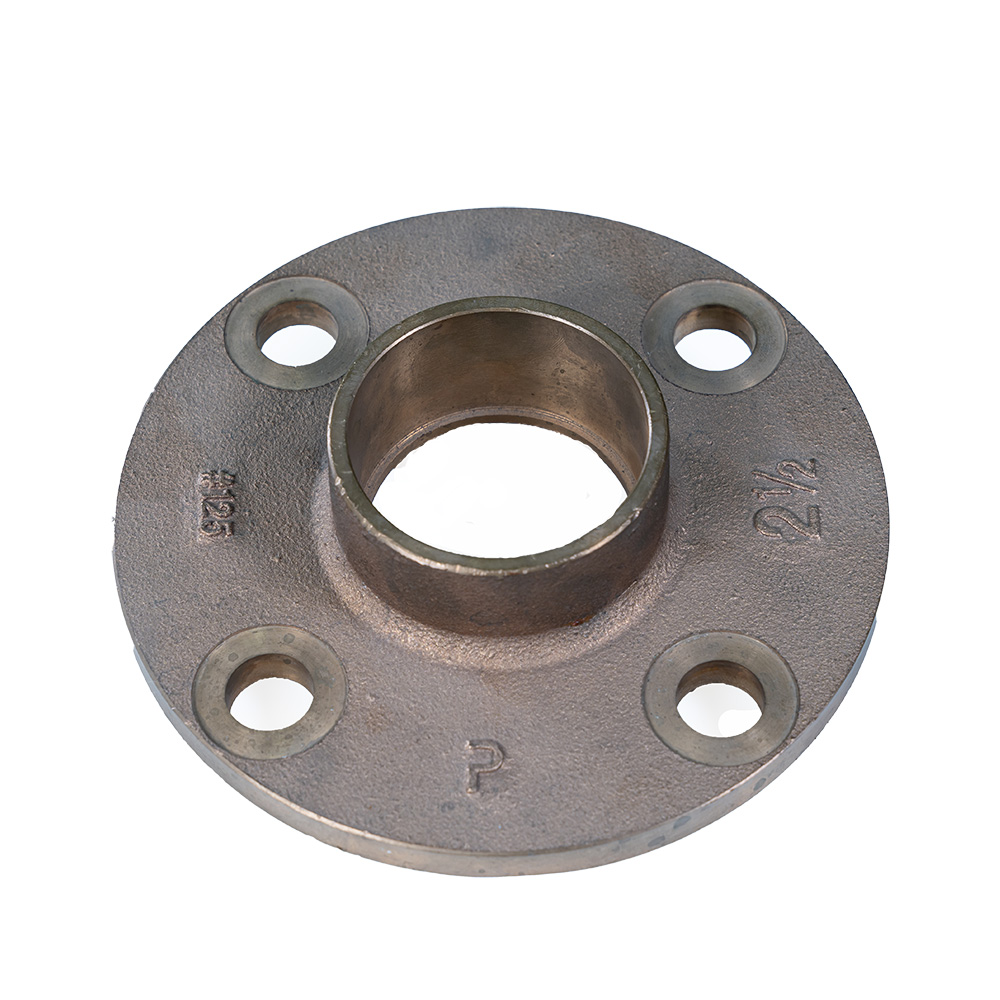
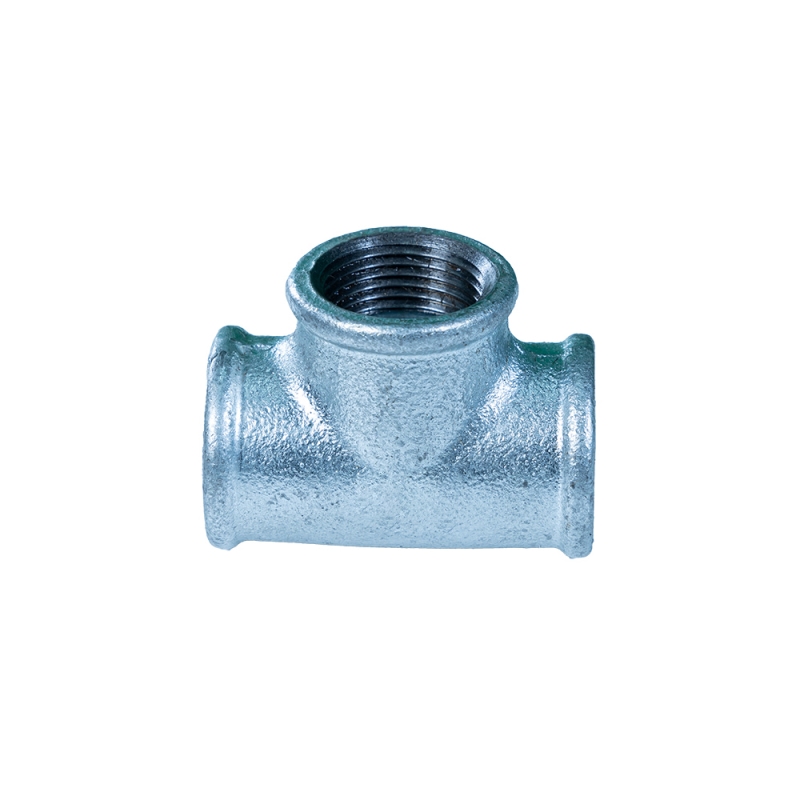
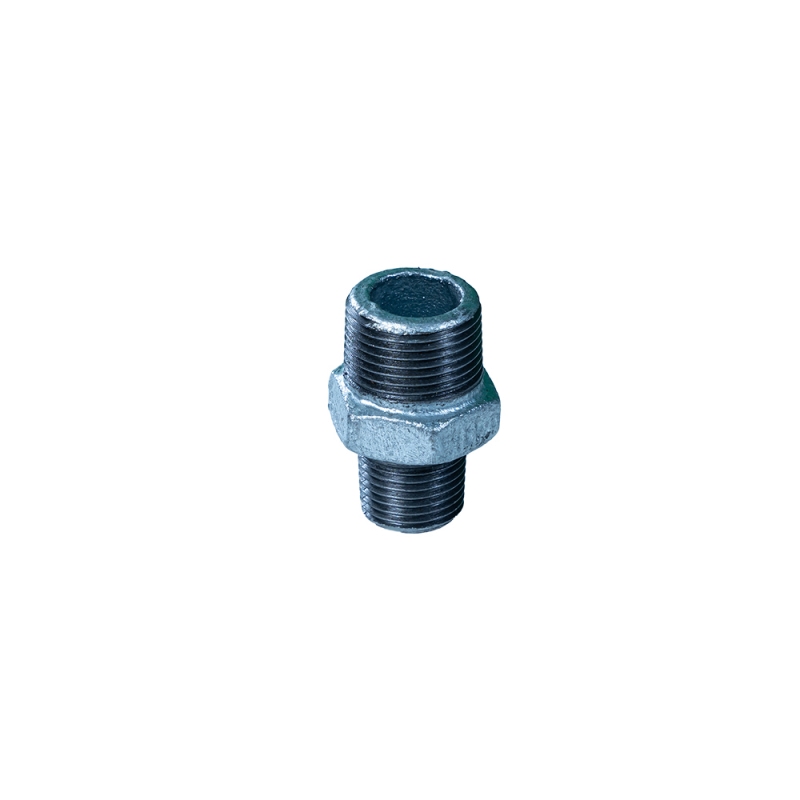
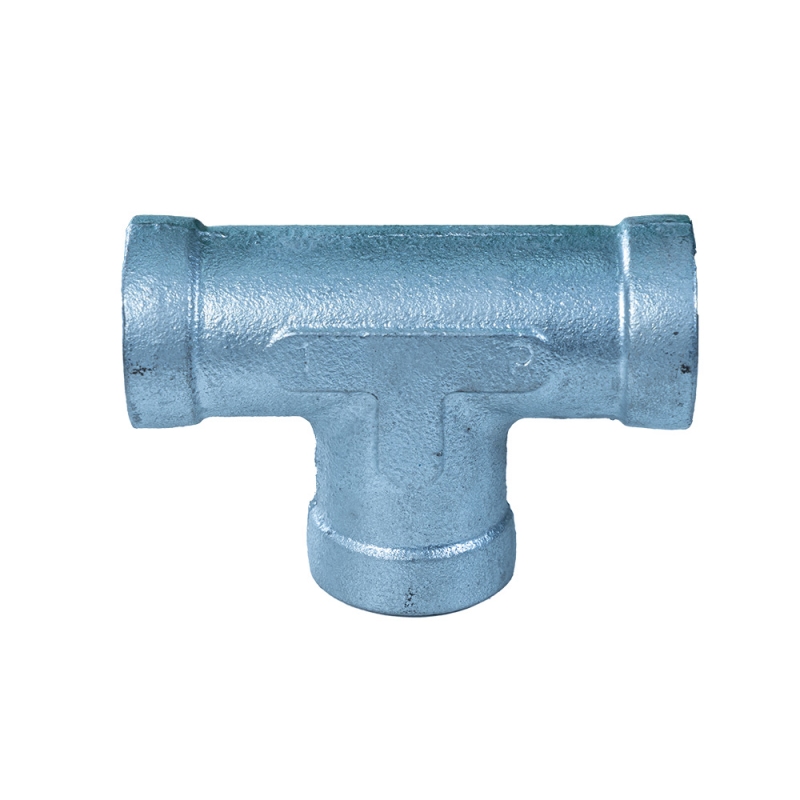
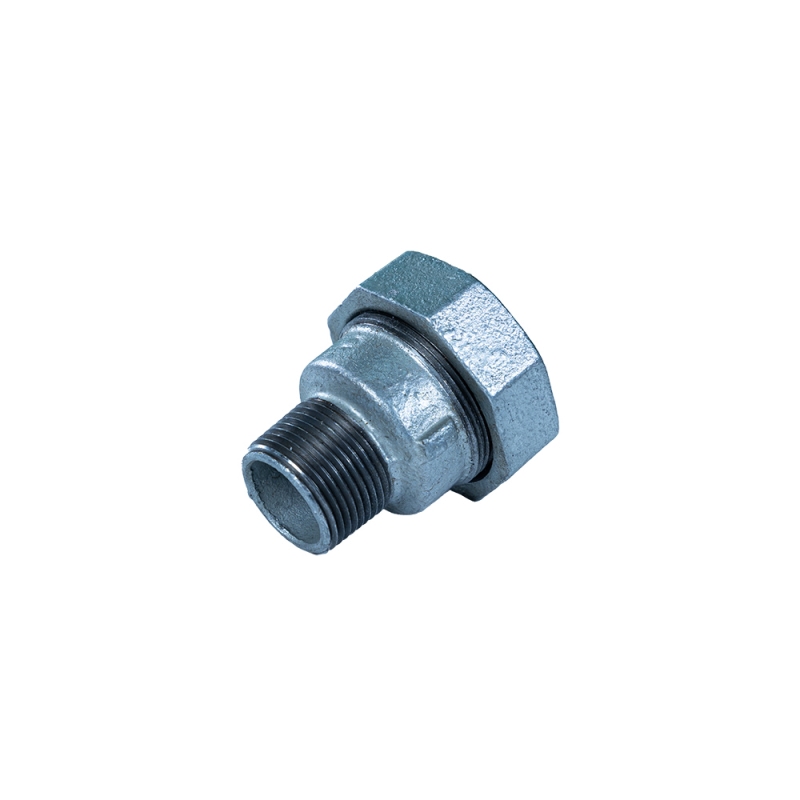
Simply put, a straight reducing coupling is a pipe fitting designed to join two pipes of different diameters along the same straight line. Imagine connecting a thick water main to a narrower branch line—this fitting creates a smooth transition.
In industries, from humanitarian water projects to large-scale chemical plants, these couplings ensure the integrity of pipelines where size variation is inevitable. Without them, scaling infrastructure or adapting existing networks would be far more complex, costly, or even impossible.
Key Factors Defining Straight Reducing Coupling
1. Durability
Couplings must withstand internal pressure, temperature fluctuations, corrosion, and mechanical stresses. Materials range from stainless steel through ductile iron to high-grade plastics, each chosen for the intended environment.
2. Compatibility
It’s not just about pipe diameters; wall thickness, threading, and fluid types matter. A reliable coupling matches these variables to prevent leaks or failures.
3. Cost-Efficiency
Straight reducing couplings often reduce installation times and maintenance costs. When sized and selected properly, they minimize downtime and costly system modifications.
4. Scalability
When system expansions occur—quite common in urban water supply or industrial plants—these fittings ease upgrades by connecting pipes of new sizes to existing lines.
Technical Overview: Typical Straight Reducing Coupling Specifications
| Specification | Details |
|---|---|
| Material | Stainless Steel, Ductile Iron, PVC |
| Pressure Rating | 150-600 PSI (varies by model) |
| Temperature Range | -40°C to 120°C (varies by material) |
| Size Range | From 1/2” to 24” nominal diameters |
| Connection Types | Threaded, Flanged, Welded |
Global Applications & Use Cases
Across continents and industries, straight reducing couplings make their mark.
- Water & Wastewater Treatment: In rural communities in Africa and Asia, efficient pipelines provide essential clean water. Couplings here often join pipes sourced from various manufacturers due to funding constraints.
- Oil and Gas: Refineries in the Middle East rely on reducing couplings to transition between pipelines during equipment upgrades or emergency repairs.
- Disaster Relief Operations: Post-disaster, temporary water and fuel lines are installed rapidly. Reliable, easy-to-use reducing couplings speed up deployment significantly.
- Industrial Manufacturing: Chemical plants worldwide use these fittings to adapt piping as production scales, improving safety via proper pressure management.
Oddly enough, the same component that quietly connects pipes also bridges the gap between infrastructure resilience and operational agility.
Vendor Comparison: Key Players in Straight Reducing Couplings
| Vendor | Material Options | Price Range (USD) | Lead Time | Certifications |
|---|---|---|---|---|
| PanNext Fittings | Stainless Steel, Ductile Iron, PVC | $15–$250 | 1-3 weeks | ISO 9001, API |
| Global PipeWorks | Carbon Steel, Stainless Steel | $20–$300 | 2-4 weeks | ISO 14001 |
| EcoCouplings Inc. | PVC, HDPE | $12–$180 | 1-2 weeks | ISO 9001, Green Seal |
Advantages & Long-Term Value of Straight Reducing Couplings
So, why do these fittings matter beyond mere connectivity?
- Cost Savings: Installing a straight reducing coupling correctly avoids costly pipeline failures and downtime—critical in industries with tight margins.
- Sustainability: High-quality materials can significantly extend the lifespan of pipelines, reducing waste and resource consumption.
- Safety and Trust: For operators and communities alike, reliable connections mean fewer leaks, accidents, and environmental hazards.
- Social Impact: In developing regions, efficient pipe fitting installations can bring safe drinking water and sanitation to underserved populations.
Future Trends & Innovations
The world is shifting toward greener, smarter infrastructure. Future straight reducing couplings will likely incorporate:
- Advanced Materials: Composites and coated metals that resist corrosion and biofouling better than today’s standards.
- IoT-Enabled Fittings: Embedded sensors to monitor pressure and flow, predicting failures before they occur.
- Eco-Friendly Manufacturing: Sustainable production techniques conforming to international environmental standards.
Challenges & Solutions
Naturally, no component is without drawbacks or challenges. The key issues often include:
- Material Mismatch: Using a coupling material incompatible with pipe alloys causes premature wear. Solution? Careful specification and industry expertise.
- Installation Errors: Improper alignment or torque can cause leaks. Trained technicians and standardized procedures mitigate this risk.
- Supply Chain Delays: Long lead times in sourcing specialized couplings impede projects. Vendors with robust inventory management, like PanNext Fittings, help overcome that.
FAQ: Frequently Asked Questions About Straight Reducing Couplings
Q1: Can a straight reducing coupling be used with both threaded and welded pipe systems?
A: Yes. Many straight reducing couplings are designed with compatibility for multiple connection types, including threaded, weld, and flanged ends. It’s important to verify specifications based on your pipe system.
Q2: How does pipe size difference affect coupling selection?
A: The diameter ratio influences pressure tolerance and fitting type. Larger size differences may require specialized couplings designed for asymmetric load distribution.
Q3: Are straight reducing couplings reusable after disassembly?
A: It depends on the coupling type and condition after use. Threaded couplings generally can be reused if undamaged; welded types are permanent and require replacement if dismantled.
Q4: What industries benefit most from straight reducing couplings?
A: Water treatment, oil and gas, chemical processing, and construction industries frequently utilize these fittings for adapting pipe networks efficiently and safely.
Q5: How can an organization ensure compatibility when ordering couplings internationally?
A: Verify standards compliance (e.g., ISO certifications), consult with vendors about local pipe standards, and request detailed technical data sheets before purchase.
Conclusion: Embracing the Strategic Role of Straight Reducing Couplings
In sum, straight reducing couplings may often fly under the radar, but recognizing their strategic importance can transform how you design, maintain, and expand piping systems. From cost efficiency to safeguarding communities and the environment, these fittings hold more power than one might guess.
Curious to explore top-quality options for your pipeline needs? Visit PanNext Fittings for a wide range of reliable, certified straight reducing couplings tailored for global demands.
Mini takeaway: Straight reducing couplings aren’t just pipe connectors—they’re enablers of resilient, scalable, and sustainable infrastructure.
References
Post time: Dec-03-2025