
Understanding Threaded Coupling Reducers: A Vital Connector in Industry
Threaded coupling reducers — sounds technical, right? Yet, these small but mighty fittings play an outsized role in piping systems worldwide, helping connect pipes of differing sizes securely and efficiently. With global infrastructure expanding rapidly, from water supply systems to oil pipelines, understanding these components is vital — not just for engineers, but anyone involved in industrial maintenance or procurement. Let’s explore what threaded coupling reducers are, why they matter, and how they continue to keep our critical systems running.
The Global Context: Why Threaded Coupling Reducers Matter
On a world scale, piping infrastructure supports essential services: water delivery, energy transport, manufacturing lines — practically everything industrial depends on connected pipelines. According to the International Organization for Standardization (ISO), standardized piping components help prevent leaks and failures, which cause billions of dollars in damage annually (and environmental hazards too). Threaded coupling reducers fix a common challenge: joining pipes of different diameters without complex welding or costly adapters.
Consider global infrastructure growth: the World Bank reports that by 2030, urban water demands will increase by over 50% in developing countries. Threaded coupling reducers enable scalability and adaptability in pipelines to meet such rising needs — no small feat when supply chains or trained welders might be limited.
What Is a Threaded Coupling Reducer?
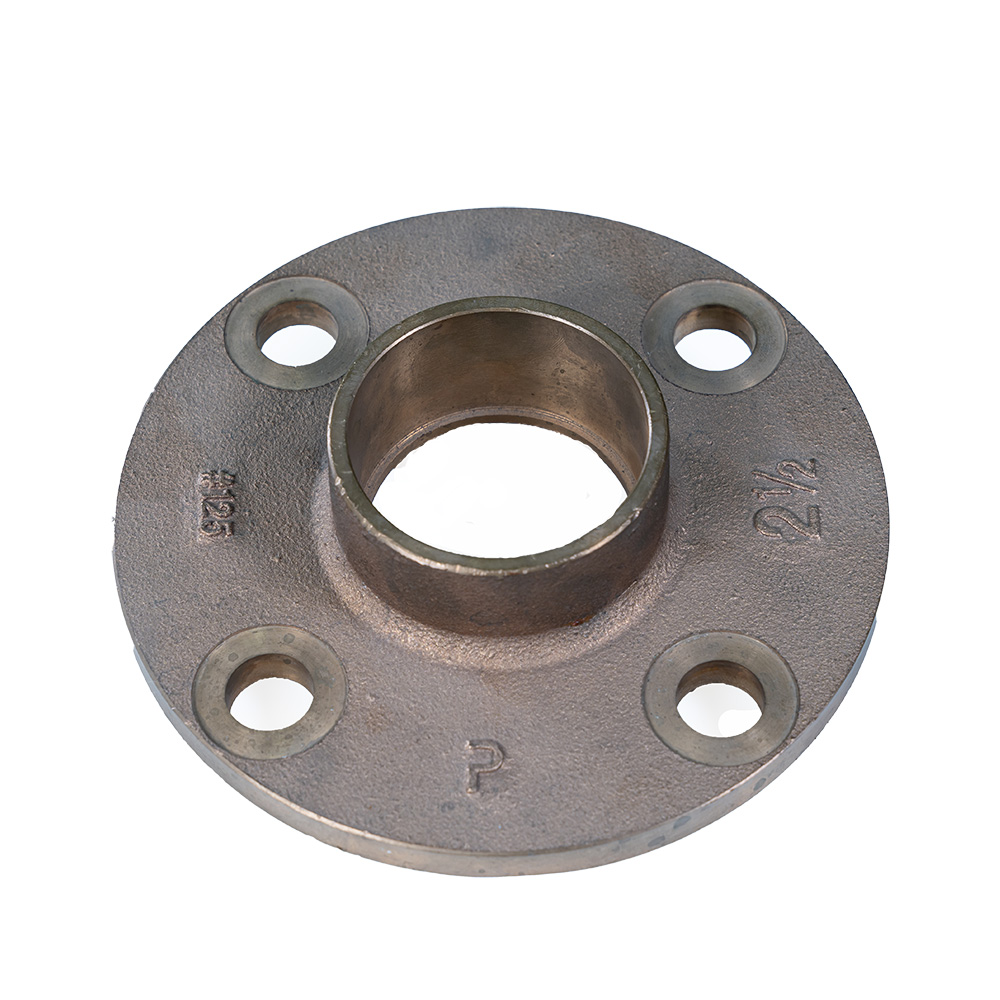
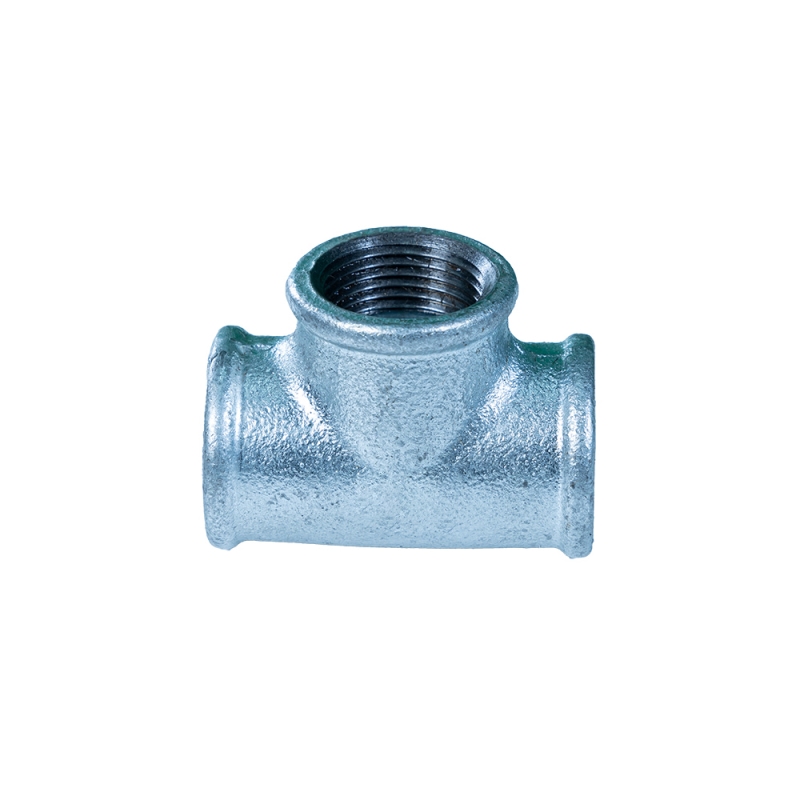
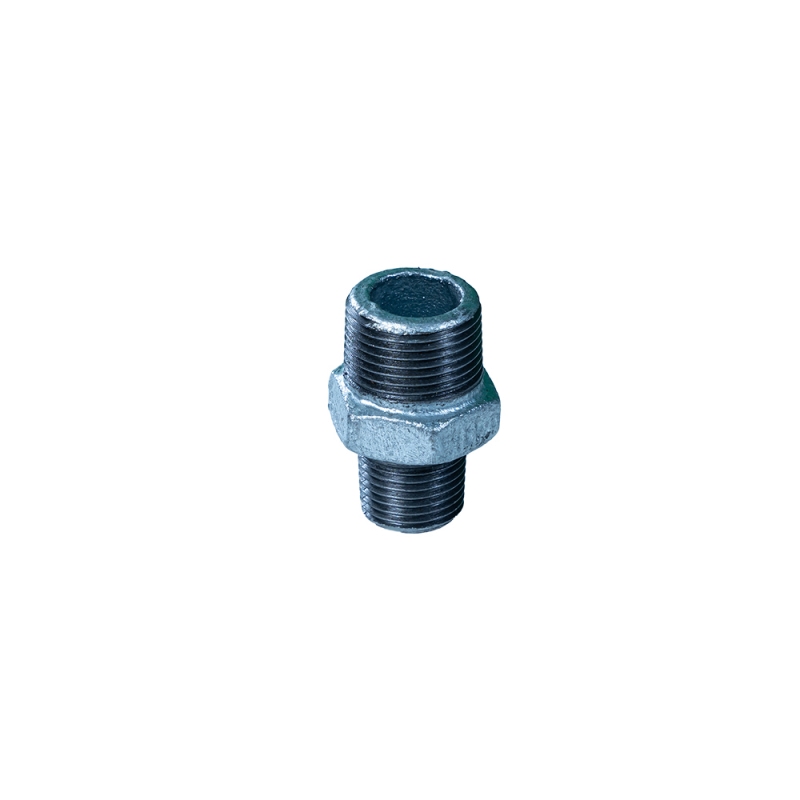
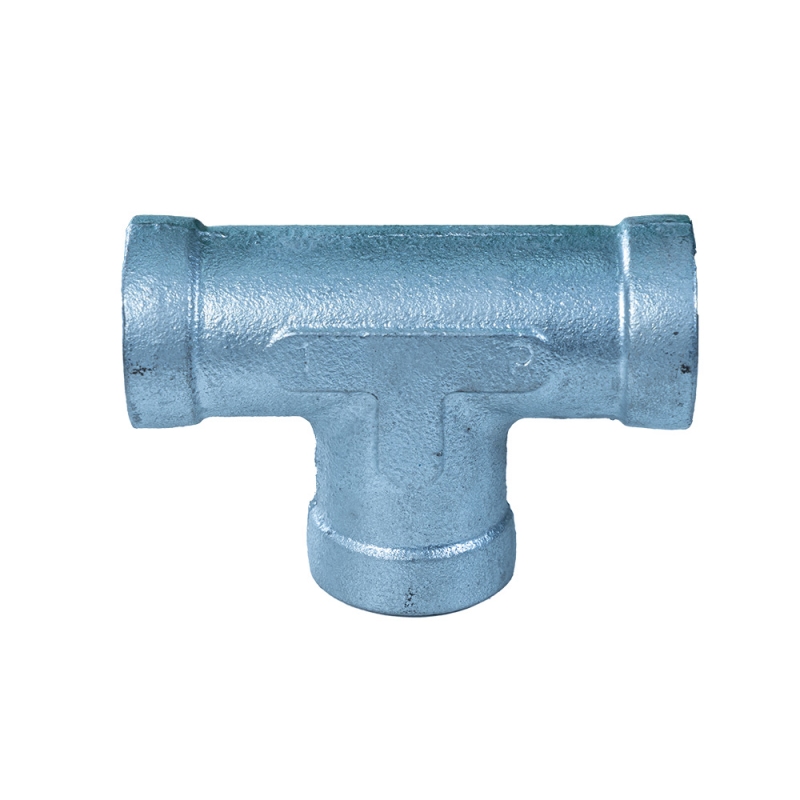
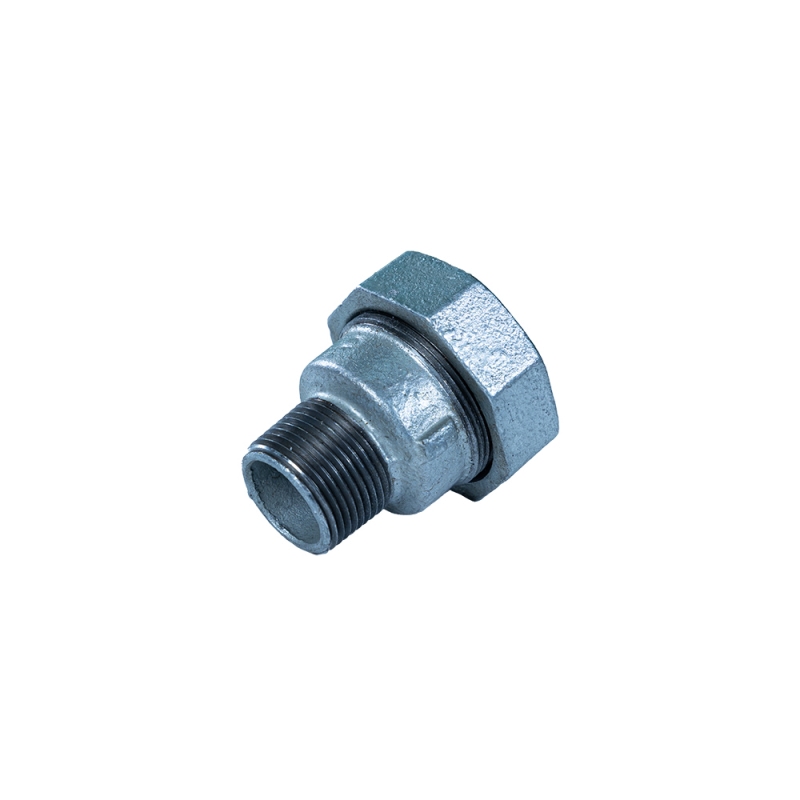
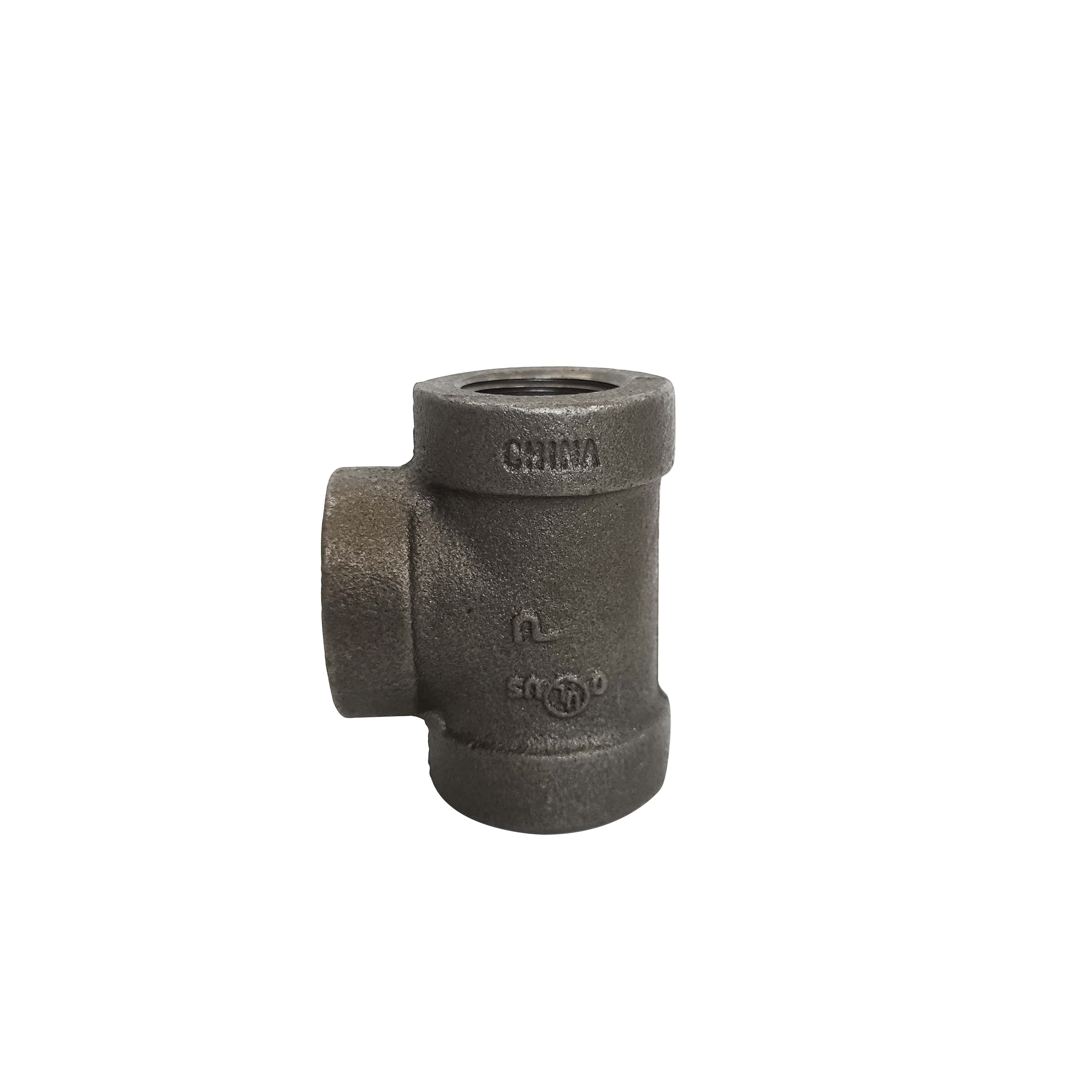
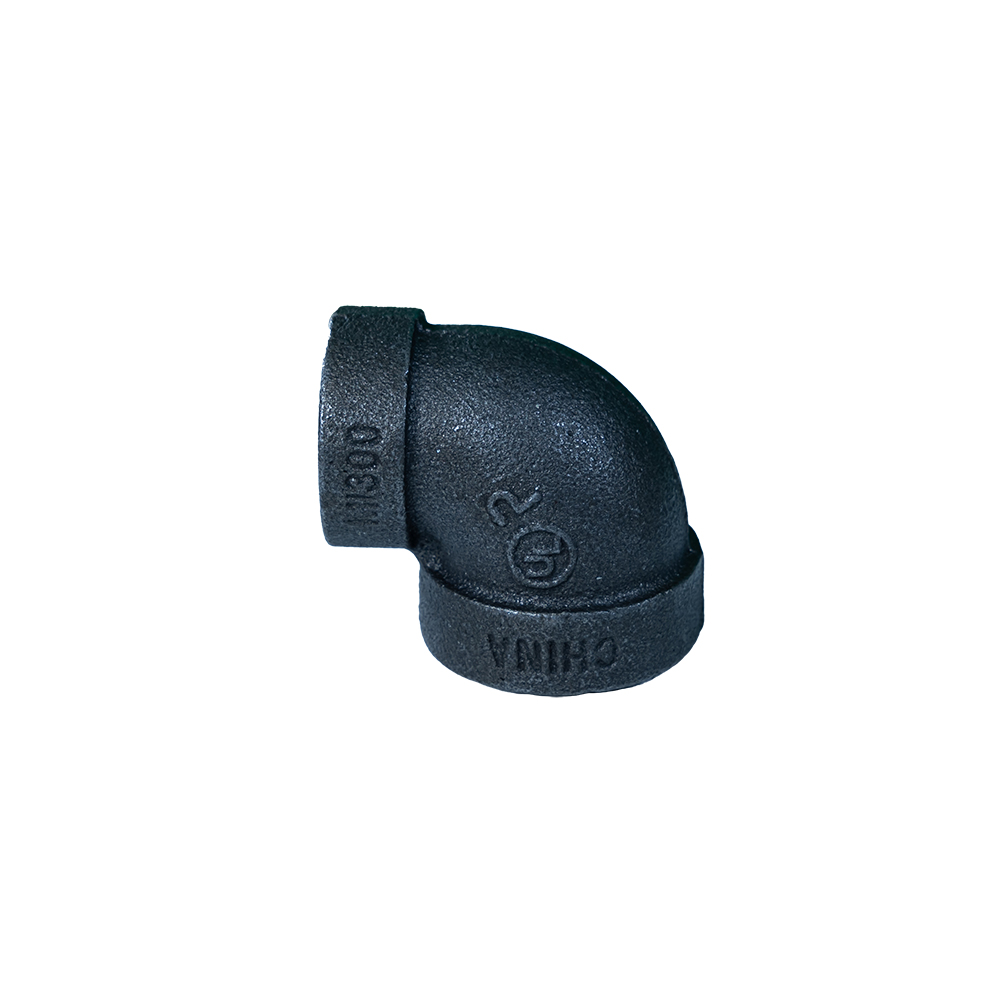
Simply put, a threaded coupling reducer is a cylindrical pipe fitting designed to connect two pipes of different sizes together via screw threads on the inside. Instead of joining equal-sized pipes, it “reduces” the diameter from one end to the other, creating a smooth transition and sealing the connection reliably.
This connection method is favored in many industries for its ease of installation and disassembly without specialized equipment. Modern applications range from HVAC systems and agricultural irrigation to oil and gas networks and humanitarian water projects in remote areas.
Core Components and Key Attributes
1. Durability
Constructed from materials like galvanized steel, brass, or stainless steel, threaded coupling reducers must resist corrosion, pressure, and temperature fluctuations. Durability is crucial for avoiding leaks and ensuring longevity in harsh environments.
2. Thread Standards and Compatibility
Threads follow international standards (NPT, BSP, ISO metric), ensuring compatibility with pipes worldwide. This standardization simplifies maintenance and replacements.
3. Cost Efficiency
Compared to welding or flanged joints, these reducers offer a cost-effective joining method with reduced labor and downtime, making them popular in emergency repairs.
4. Scalability and Flexibility
By allowing easy connection between various pipe sizes, these fittings enable system expansions and adjustments without major redesigns.
5. Ease of Installation
No heavy machinery is needed, just hand tools. This feature makes them ideal for remote or resource-constrained locations.
Product Specifications at a Glance
| Specification | Details |
|---|---|
| Material | Stainless Steel, Brass, Carbon Steel |
| Thread Standard | NPT, BSP, ISO Metric |
| Size Range | 1/8" to 4" diameters |
| Pressure Rating | Up to 3000 psi (varies with material) |
| Temperature Range | -20°C to 200°C |
Mini takeaway: A threaded coupling reducer might seem simple but offers essential versatility and resilience, tailored for standardized, cost-efficient piping assemblies worldwide.
Who’s Using Threaded Coupling Reducers? Global Applications & Use Cases
Industry-wise, they’re everywhere:
- Oil & Gas: Onshore and offshore pipelines frequently employ these fittings to adapt pipeline sections during maintenance or new installations.
- Water Treatment Plants: Quickly adjusting flows and pipe sizes during expansions or preventive repairs.
- Humanitarian Projects: Aid organizations use small, modular pipeline setups where time and equipment are scarce — think post-disaster water supply systems.
- Manufacturing Plants: Conveying different fluids with changing pipe diameters for process flexibility.
For example, in remote industrial zones in Southeast Asia, quick coupling using these reducers minimizes downtime dramatically — engineers say it’s the difference between waiting weeks for a welded repair and getting systems back online in hours.
Vendor Comparison: Popular Threaded Coupling Reducer Suppliers
| Supplier | Material Options | Price Range | Lead Time | Global Shipping |
|---|---|---|---|---|
| PanNext Fittings | Steel, Brass, Stainless Steel | $15-$50 per piece | 1-2 weeks | Yes |
| GlobalPipe Co. | Carbon Steel only | $10-$40 | 2-3 weeks | Limited |
| PipeMasters Inc. | Brass, Stainless Steel | $20-$60 | 3-4 weeks | Yes |
Advantages & The Long-Term Value of Threaded Coupling Reducers
Well, to me, it’s not just about connecting pipes, but how that connection empowers reliability and safety. For instance, the ability to disconnect quickly reduces leak risks during maintenance, which could otherwise cause costly downtime or safety hazards.
Environmentally speaking, by using threaded coupling reducers instead of welding, you eliminate harmful emissions and lower energy usage — alignment with many green industrial initiatives out there.
And from a human perspective, especially in emergency water projects, these fittings maintain the dignity and health of communities by ensuring timely, leak-free water access.
The Future: Trends & Innovations in Threaded Coupling Reducers
Looking ahead, new materials like composite polymers are emerging, offering lighter, corrosion-resistant alternatives. Digitally enhanced fittings might soon integrate sensors to monitor seal integrity in real time — kind of like a “health tracker” for your pipelines.
Sustainability will also drive innovation, with manufacturers focusing more on recyclable materials and zero-waste production methods. Automation in installation is another trend, where robotic tools can efficiently screw fittings into place even in hazardous locations.
Challenges and Expert Solutions
Sure, no product is perfect. A common challenge is thread damage, especially in harsh conditions, leading to leaks. But manufacturers now offer protective coatings and precision manufacturing to reduce this risk.
Another issue is compatibility confusion, but adherence to strict international thread standards solves much of this, as does sourcing from trusted vendors — like the ones listed above.
FAQs about Threaded Coupling Reducers
- What sizes do threaded coupling reducers typically come in?
Most standard sizes range from 1/8 inch up to 4 inches in diameter, covering common piping requirements. - Are threaded coupling reducers suitable for high pressure systems?
Yes, depending on the material and threading standard, many can handle pressures up to 3000 psi safely. - Can I use threaded coupling reducers for potable water lines?
Certainly. Stainless steel or brass reducers with certified non-toxic coatings are suitable for potable water. - How do I ensure compatibility across different threading standards?
Confirm the thread type - NPT, BSP, etc. - on both pipes and fittings; suppliers usually provide detailed specs to avoid mismatch. - What’s the best way to prevent leaks with threaded coupling reducers?
Use thread sealants or PTFE tape during installation, and ensure threads are clean and undamaged before coupling.
Conclusion: Why Threaded Coupling Reducers Still Matter
In real terms, these unassuming fittings are linchpins of global infrastructure — bridging pipes, sizes, and needs with simplicity. They save time and costs, enhance safety, and open pathways for innovation and sustainability. If you’re looking to equip your pipeline systems with reliable, flexible options, threaded coupling reducer supply from trusted manufacturers like PanNext Fittings might just be the perfect place to start.
Take a look on their site and see how you can upgrade your project today.
Mini takeaway: A threaded coupling reducer isn’t just a part; it’s a solution that’s quietly powering the world’s pipelines with trust and efficiency.
References
Post time: Dec-03-2025