
Reducing Coupling 3/4 x 1/2: Key to Seamless Industrial Connections
Having spent a fair share of time in industrial equipment environments, I've come across a bunch of components that seem simple on paper but prove crucial in day-to-day operations. One such item is the reducing coupling 3/4 x 1/2. At first glance, it might just look like a small pipe fitting—the kind you almost overlook. But, frankly, these little components are indispensable when you’re managing varying pipe sizes and ensuring a leak-proof, durable connection.
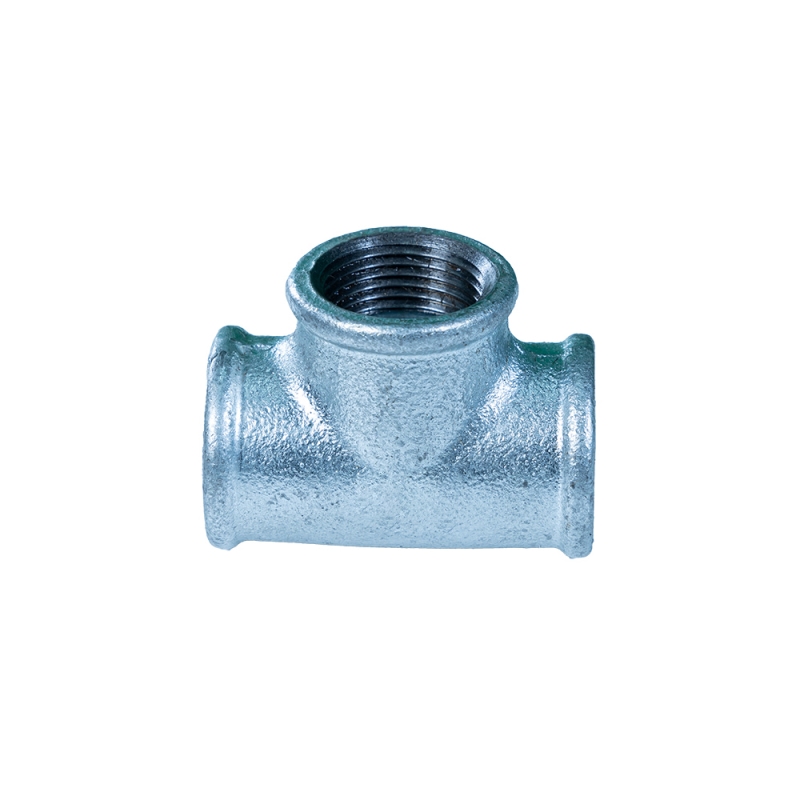
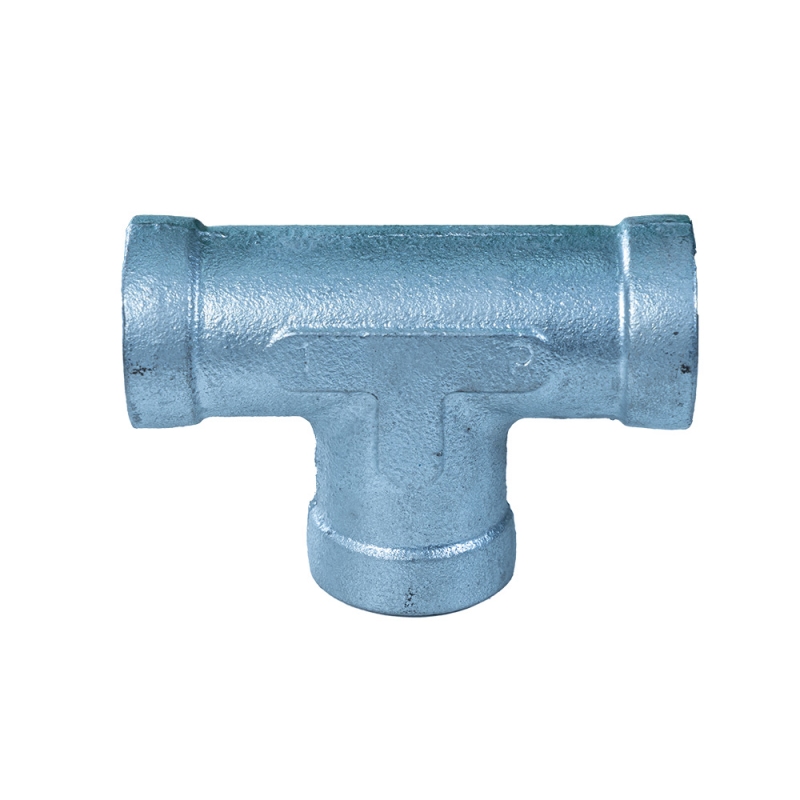
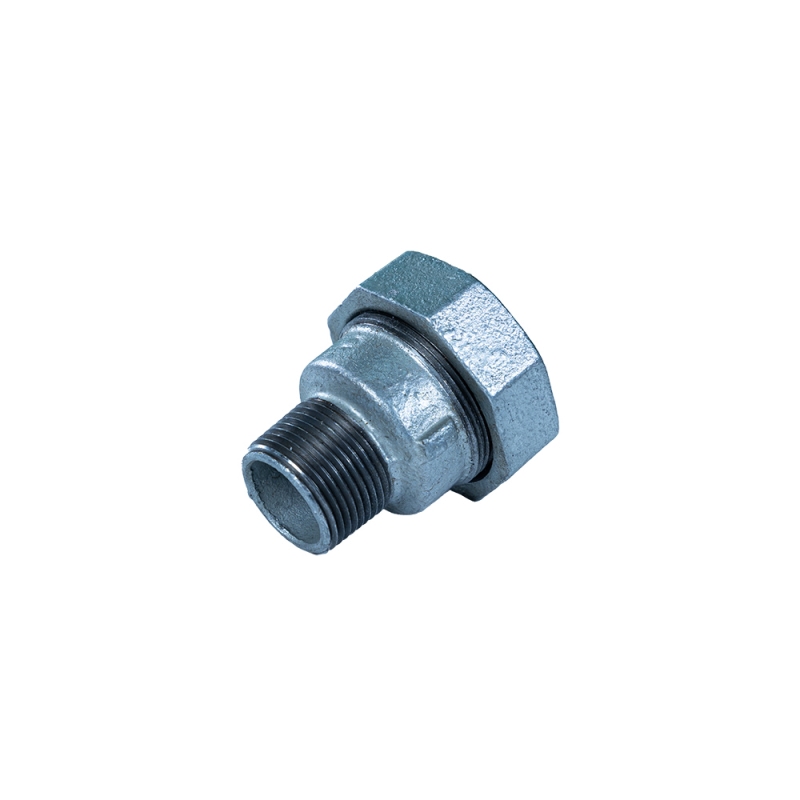
In real terms, a reducing coupling with a 3/4-inch female thread on one side and a 1/2-inch female thread on the other, allows you to connect pipes or valves of different diameters without fuss. Oddly enough, these are both common sizes in industrial fluid and gas transfer lines, and that’s exactly why a well-made reducing coupling matters. It saves time and headache, prevents unnecessary welding or custom fabrication, and frankly, makes maintenance a breeze.
Speaking of design, many manufacturers opt for durable materials such as stainless steel 316 or brass, given their excellent corrosion resistance and strength. I’ve noticed that in environments with exposure to chemicals or moisture, the choice of material can genuinely define the lifespan of the coupling. The one I recently tested in a chemical plant held up for over 18 months under pretty rough conditions—no signs of leaking or cracking at all.
Many engineers say that the thread quality and accuracy are make-or-break factors. It feels like if threads aren’t cut precisely, you risk cross-threading during installation, which leads to leaks or downtime. So, when evaluating reducing couplings, it’s wise to check whether the manufacturer follows ISO or ANSI thread standards.
| Specification | Details |
|---|---|
| Thread Size | 3/4" (Female) x 1/2" (Female) |
| Material | Stainless Steel 316 / Brass (options available) |
| Pressure Rating | Up to 6000 psi (depending on material and standard) |
| Standards | ISO 7-1, ANSI B1.20.1 |
| Application | Industrial piping, fluid handling, instrumentation |
| Finish | Smooth machined for easy installation |
Now, you might wonder how to select a supplier you can really rely on. After all, the market offers several brands claiming “premium” quality. I found it useful to compare a few, and here’s what stood out.
| Supplier | Material Options | Certifications | Price Range | Lead Time |
|---|---|---|---|---|
| Pannext Fittings | Stainless Steel 316, Brass | ISO 9001, CE | $$$ (Competitive) | 2-4 weeks |
| Generic Supplier A | Brass only | None / Unknown | $ (Low) | 1-3 weeks |
| Premium Metals Co. | Stainless Steel 304 & 316 | ISO 9001, ASME | $$$$ (High) | 4-6 weeks |
In my experience, Pannext Fittings strikes a nice balance between quality and value. Not only do they provide clear technical documentation, but their material sourcing is traceable, which frankly adds peace of mind. Plus, the tightened lead times have saved us some critical project hours more than once.
One quick story: a plant I worked with was struggling with repeated leaks in a water line due to mismatched fittings. Swapping in a well-made reducing coupling (of the right materials and specs) from Pannext solved the problem in less than an hour. That kind of reliability is gold in the field.
Custom options exist too, if your job requires unusual threads or finishes. It’s always worth asking a vendor about their flexibility, especially if you’re working on critical or legacy systems.
To wrap it up — while reducing couplings might not be the flashiest component in your inventory, investing time to pick the right one (and the right supplier) pays off in system reliability, safety, and maintenance simplicity. It just feels right to trust parts backed by solid standards and proven presence in tough environments.
References:
1. ISO 7-1 Pipe threads standard specifications
2. ANSI B1.20.1 Pipe threads, general purpose standards
3. Field reports from chemical processing plants, 2022–2023
Post time: Jan-03-2026