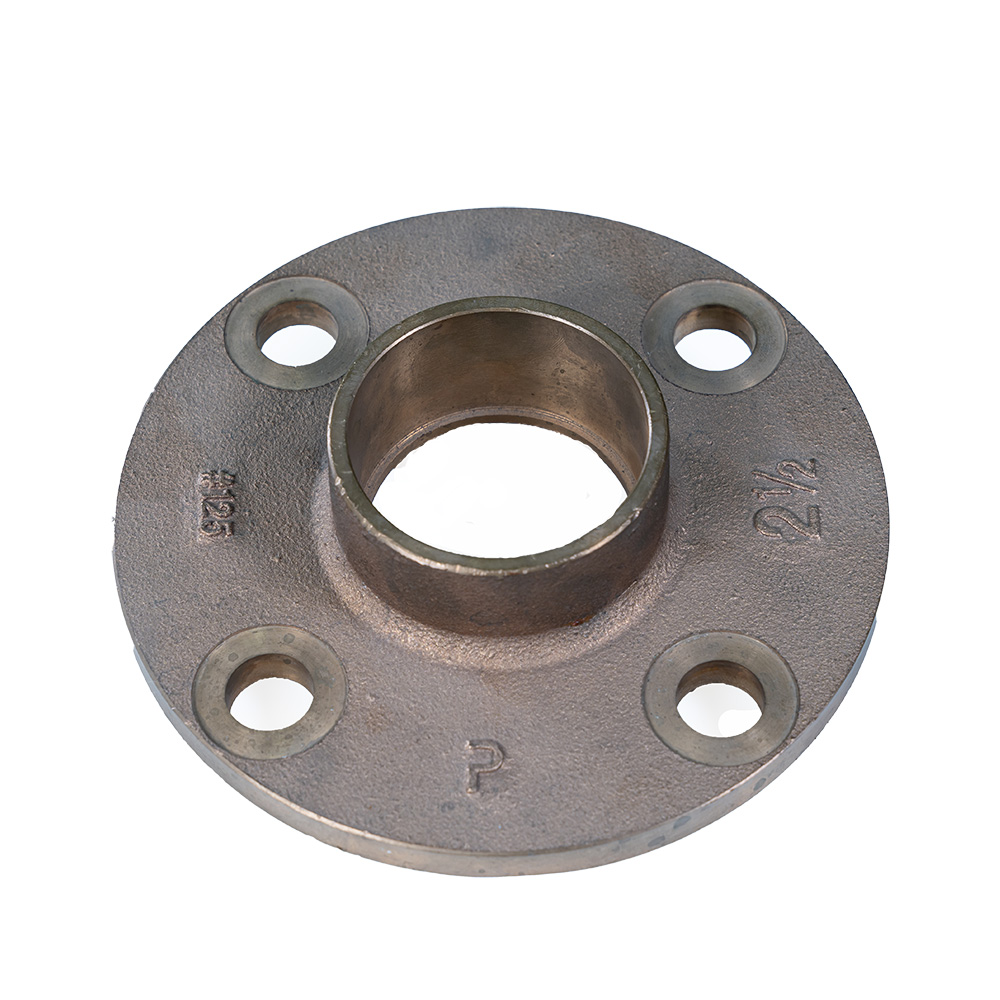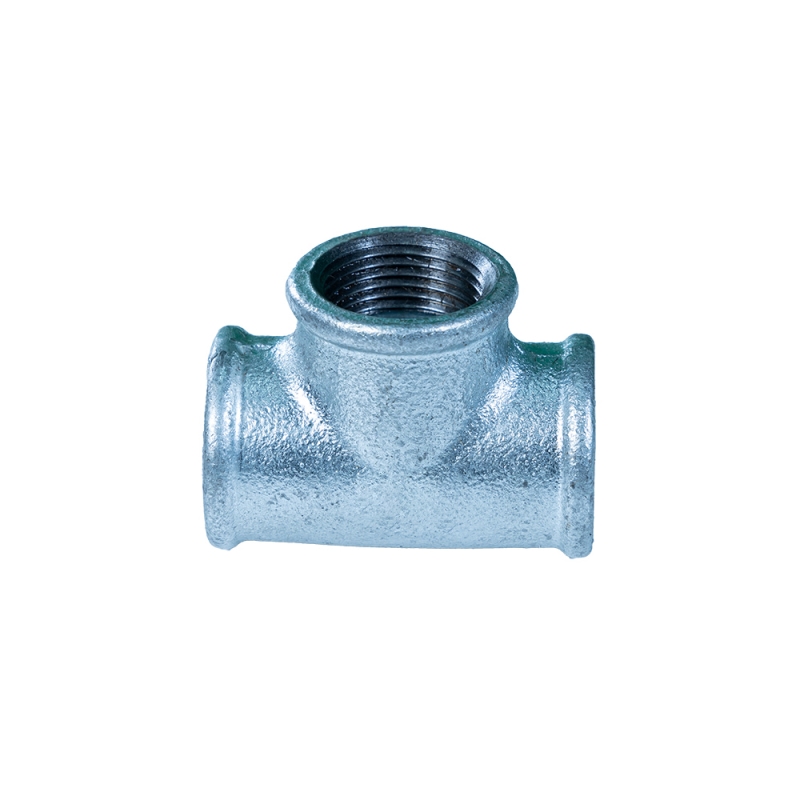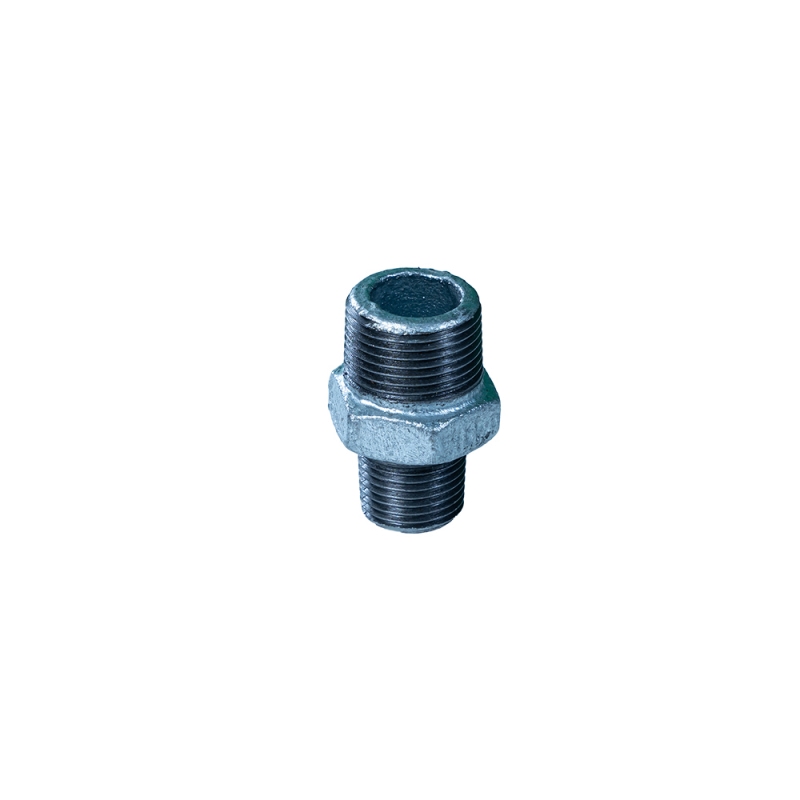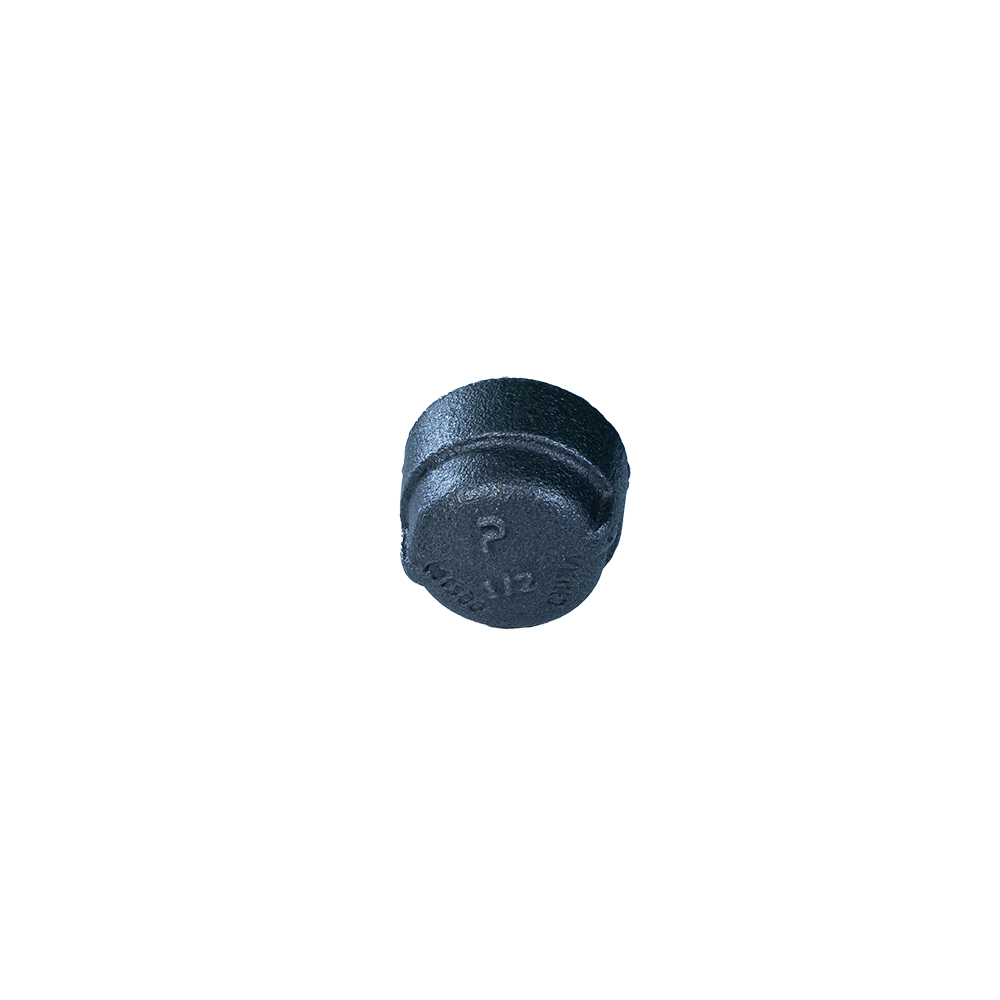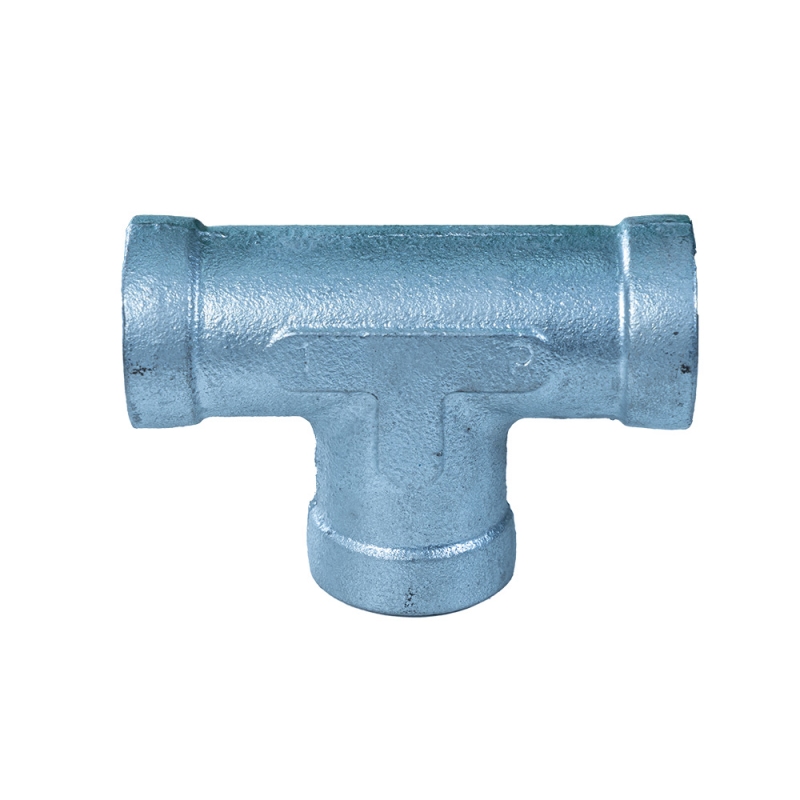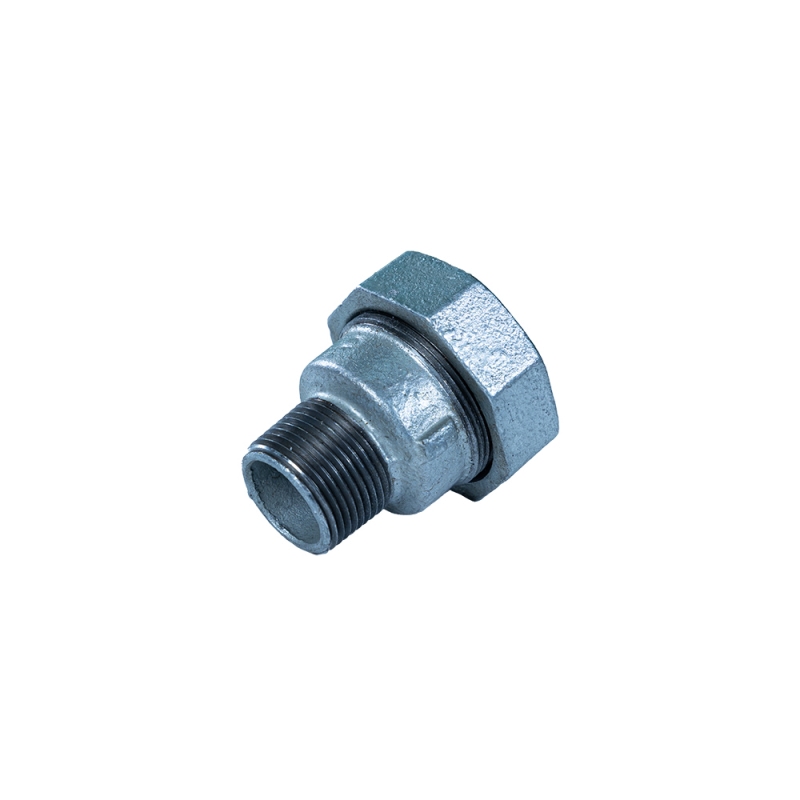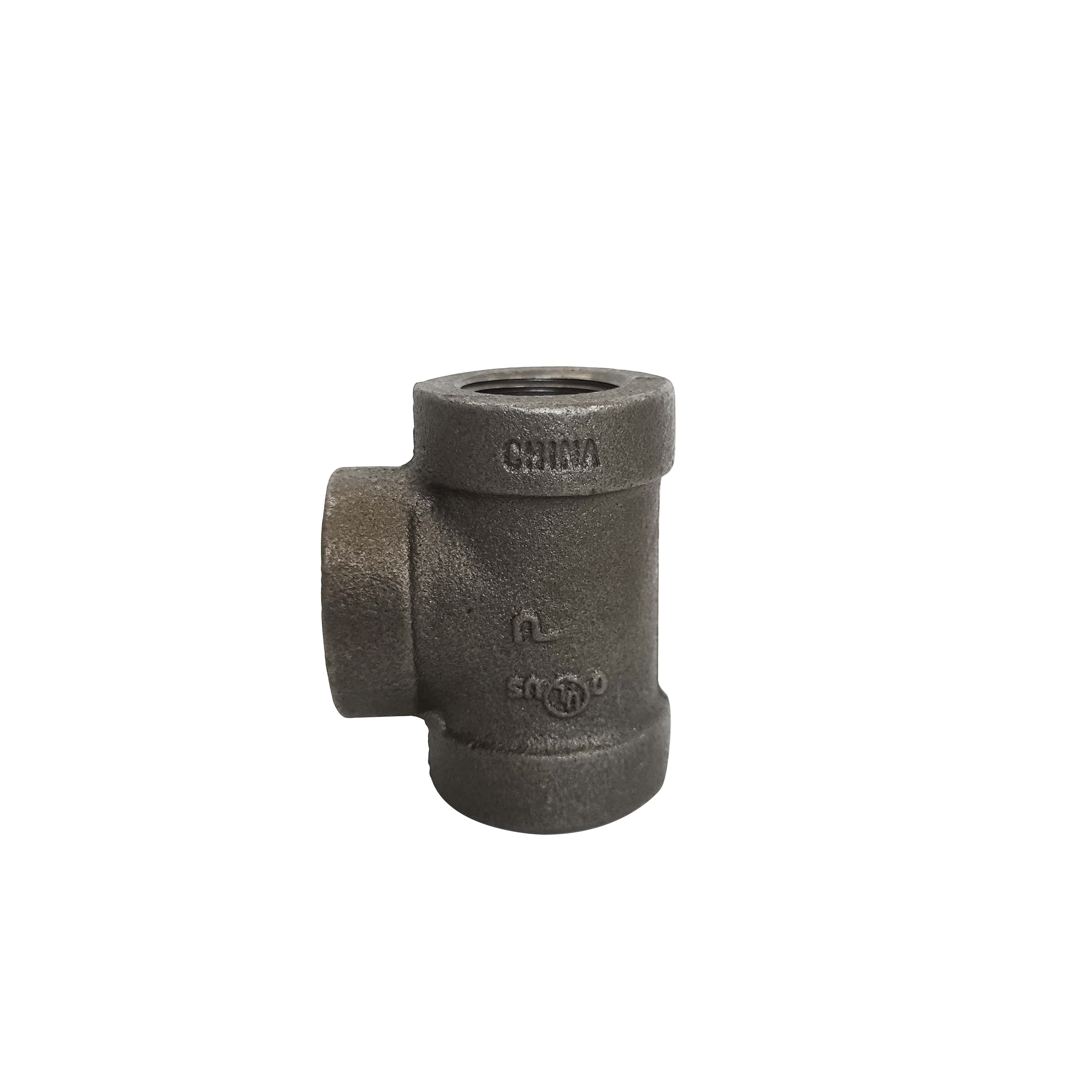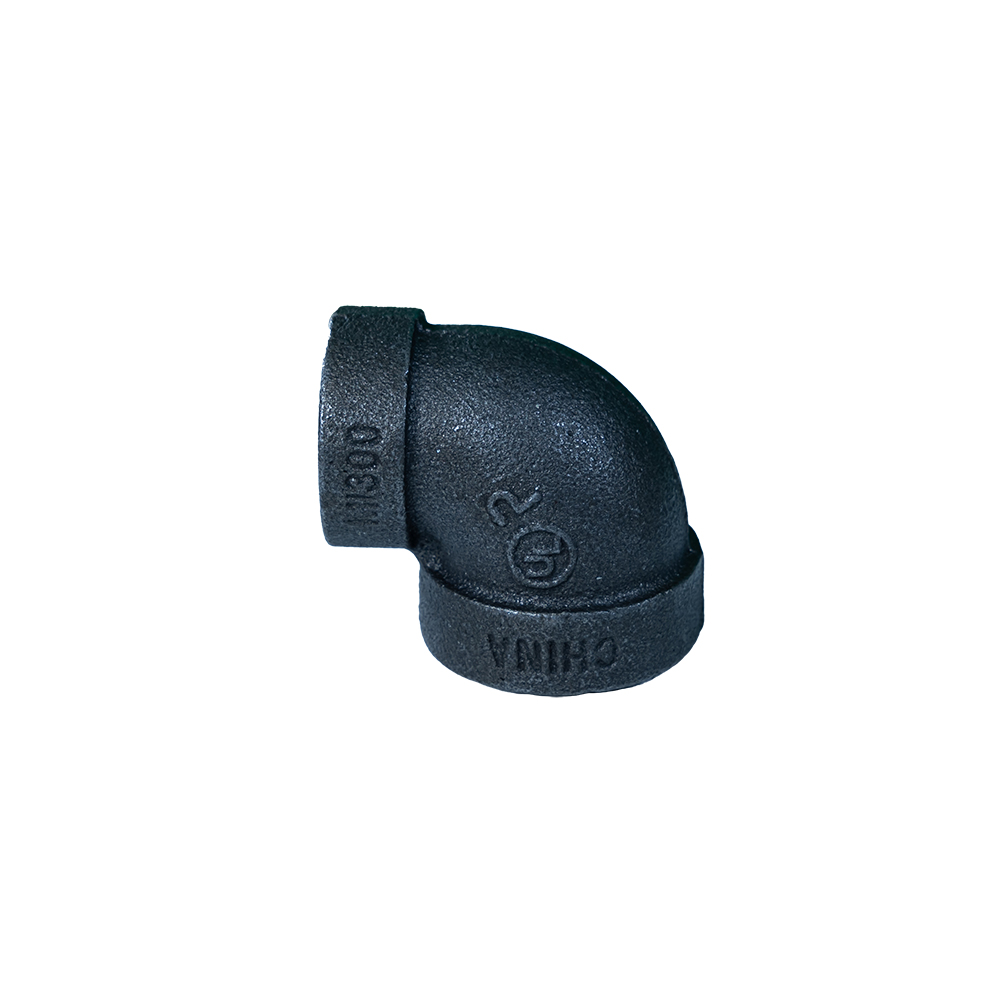

Iron Is Malleable is a key solution in the industry, specifically within the manufacturing, construction, and heavy engineering sectors. This article explores how https://www.malleablefitting.com supports professionals with durable, high-performance products, and explains why this product is an ideal choice for businesses in these sectors.
Table of Contents
- Iron Is Malleable Overview
- Benefits & Use Cases of Iron Is Malleable
- Cost, Maintenance & User Experience
- Sustainability & Market Trends
Iron Is Malleable Overview
To start with the basics, iron’s malleability refers to its ability to be shaped or deformed under compressive stress without breaking—that’s quite critical in many industrial processes where metal needs to be formed into precise fittings or complex components. Iron’s malleability is what makes it so adaptable on the manufacturing floor. Oddly enough, not all metals have this quality to the same degree, which is why iron (especially in its purer, more ductile forms) remains an industry favorite.
- At the technical level, malleable iron is typically produced by annealing white cast iron, resulting in a product that balances strength and flexibility well.
- Specifically, malleable iron fittings commonly feature tensile strengths around 300 MPa and elongations of approximately 10%, offering a great mix of durability and workable shaping options (see specs below).
| Product Specification | Parameter | Typical Value |
|---|---|---|
| Material Type | Malleable Cast Iron | Ductile, Bendable |
| Tensile Strength | Minimum | 300 MPa |
| Elongation | Minimum | 10% |
| Working Temperature | Range | -20°C to 400°C |
| Surface Finish | Standard | Smooth, corrosion resistant coating options |
Benefits & Use Cases of Iron Is Malleable
What’s great about iron’s malleability from a B2B perspective is its versatility and reliability—two buzzwords that decision-makers hear constantly, but which really do apply here. Industries like plumbing, pipeline manufacturing, and heavy machinery construction rely heavily on malleable iron for casting strong and fault-resistant fittings, valves, and couplings. It’s nearly impossible to overstate how much the material’s ability to deform without fracturing reduces costly rejects and rework.
- One common application is in pressure-sensitive environments where iron’s ductility mitigates stress concentrations that would otherwise cause cracks or failures.
- Iron malleable fittings from Pannext Fittings come with competitive cost advantages and customization options that make them a preferred choice against alternatives like steel or brass in specific use cases.
Cost, Maintenance & User Experience
Talking turkey: cost-effectiveness is often the deciding factor in procurement decisions. Malleable iron products generally offer a lower total cost of ownership compared to precision steel castings, thanks to lower material cost and extended maintenance intervals. Durability-wise, the flexible nature of the metal often translates into lower downtime for repairs—engineers often report fewer breakages and improved system uptimes.
- Clients in the oil and gas sector have noted a 15% decrease in maintenance costs over 2 years after switching to malleable iron components from this vendor.
- Installation is straightforward too, thanks to the product’s consistency and standard sizing.
| Vendor | Price per Unit | Lead Time | Customization Options | Warranty |
|---|---|---|---|---|
| Pannext Fittings | $$ | 2 weeks | Yes (sizes, coatings) | 2 years |
| Competitor A | $$$ | 4 weeks | Limited | 1 year |
| Competitor B | $ | 3 weeks | No | 6 months |
Sustainability & Market Trends
Sustainability isn’t just a buzzword anymore—it’s rapidly becoming a core part of industrial purchasing decisions. The malleable iron industry, including manufacturers like Pannext Fittings, is responding in kind by improving recycling rates and reducing waste during production. Given iron’s recyclability and longevity, products sourced thoughtfully tend to score well in green building certifications and regulations. Industry growth, frankly, is expected to hold steady as the need for reliable infrastructure and industrial components persists despite economic fluctuations.
- Regulatory focus on carbon footprint is pushing suppliers to innovate cleaner manufacturing processes, which benefits end-users through better pricing stability.
- The increasing trend toward supply chain transparency means that B2B buyers are paying more attention to vendor sourcing policies than ever before.
Frequently Asked Questions about Iron Is Malleable
- What is Iron Is Malleable and how does it work?
- Simply put, “Iron Is Malleable” refers to a form of iron that can be reshaped through compressive forces without cracking. This is achieved by heat-treating cast iron to transform brittle carbon structures into small nodules, improving ductility, which allows the metal to be bent or pressed into shapes needed for fittings or structural use.
- What are the main benefits of using Iron Is Malleable in industrial applications?
- Key benefits include excellent resistance to fatigue and cracking, ease of manufacturing complex shapes, affordability, and strong mechanical properties. Industries using it often highlight its reliability under pressure and stress, reducing downtime and improving safety.
- How does Iron Is Malleable compare to traditional alternatives?
- Compared to materials like steel or brass, malleable iron offers a good balance of cost and performance. While not as strong as some steel grades, its ductility and corrosion resistance often provide tangible benefits for certain applications, especially in fittings and valve manufacturing.
- What industries can benefit most from Iron Is Malleable implementation?
- Industries such as plumbing, waterworks, oil and gas, and heavy machinery all rely on malleable iron for its strength and formability. For instance, pipeline companies often choose malleable iron fittings for reliable connections that withstand pressure fluctuations and mechanical stresses.
Conclusion on Iron Is Malleable from china
All in all, understanding why iron is malleable shines in industrial use boils down to its perfect balance of flexibility, strength, and cost-effectiveness. When your business depends on precision and reliability, malleable iron from trusted manufacturers like Pannext Fittings delivers a solid return on investment—literally and figuratively. If you want to explore their range or get pricing details, visit their website: https://www.malleablefitting.com.
- Recap: Malleable iron remains a cornerstone material for numerous high-stress, high-reliability applications.
- Its adaptability and cost profile will keep it relevant for years to come.
In reflecting on the market, I suppose it’s clear that malleable iron isn’t just “old school” metal; it’s quite the savvy, tried-and-tested solution that blends tradition with modern performance demands. As always, the devil’s in the details—how a supplier like Pannext Fittings handles quality and customization can really sway outcomes.
References:
- Steel and Cast Iron Handbook, ASM International.
- “Malleable Iron vs. Ductile Iron,” Metal Casting Today, 2022.
- Pannext Fittings Technical Datasheets, accessed 2024.
Post time: Jan-05-2026