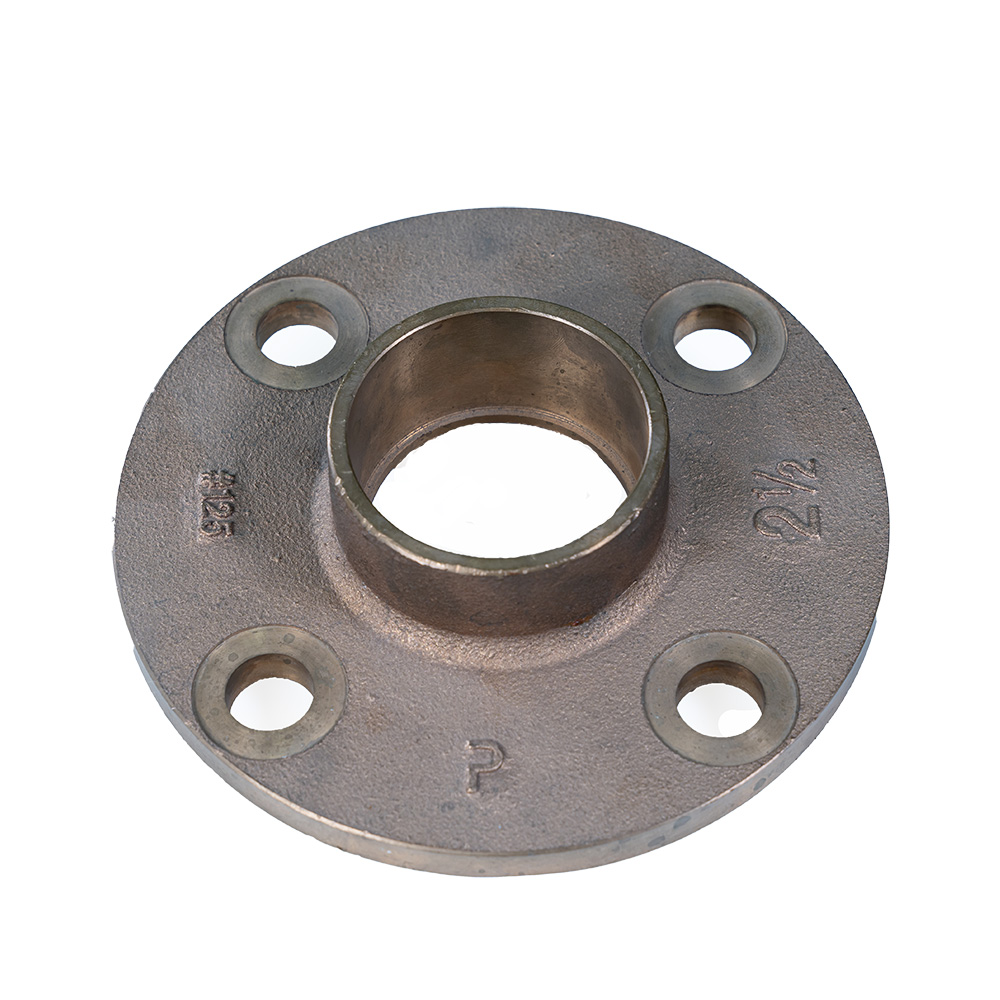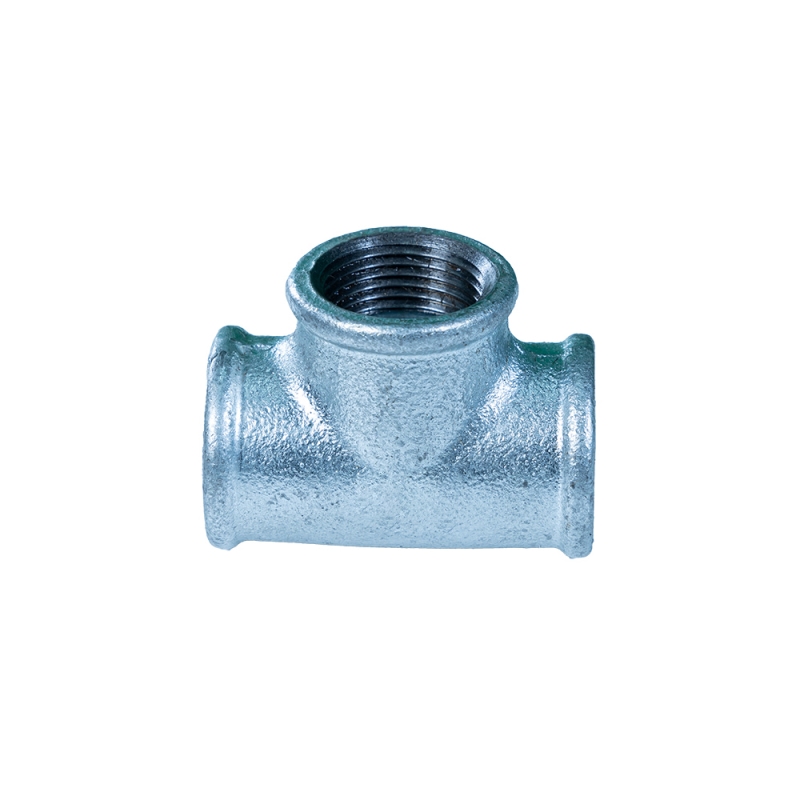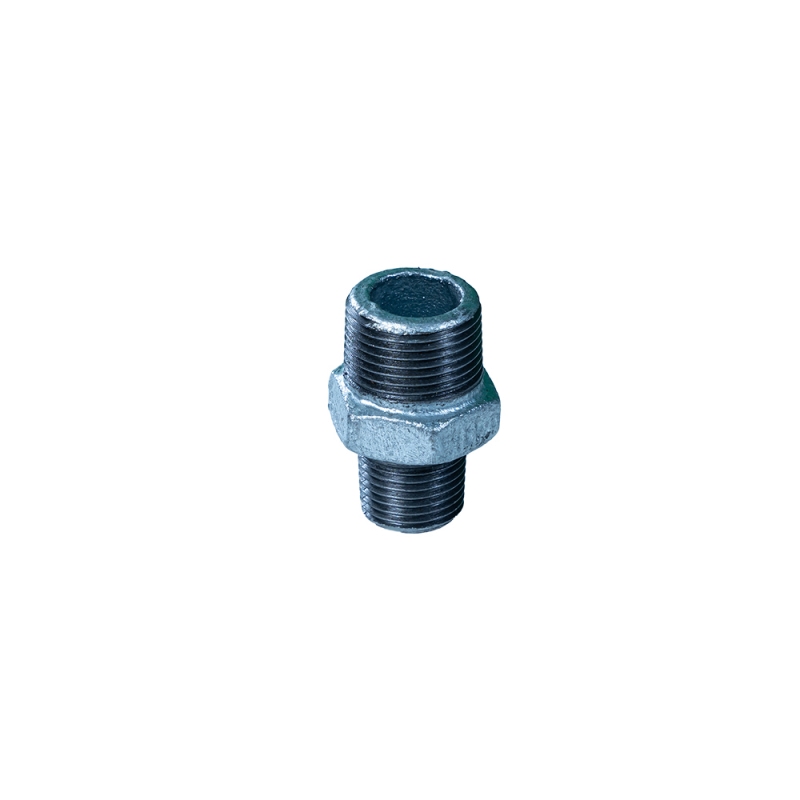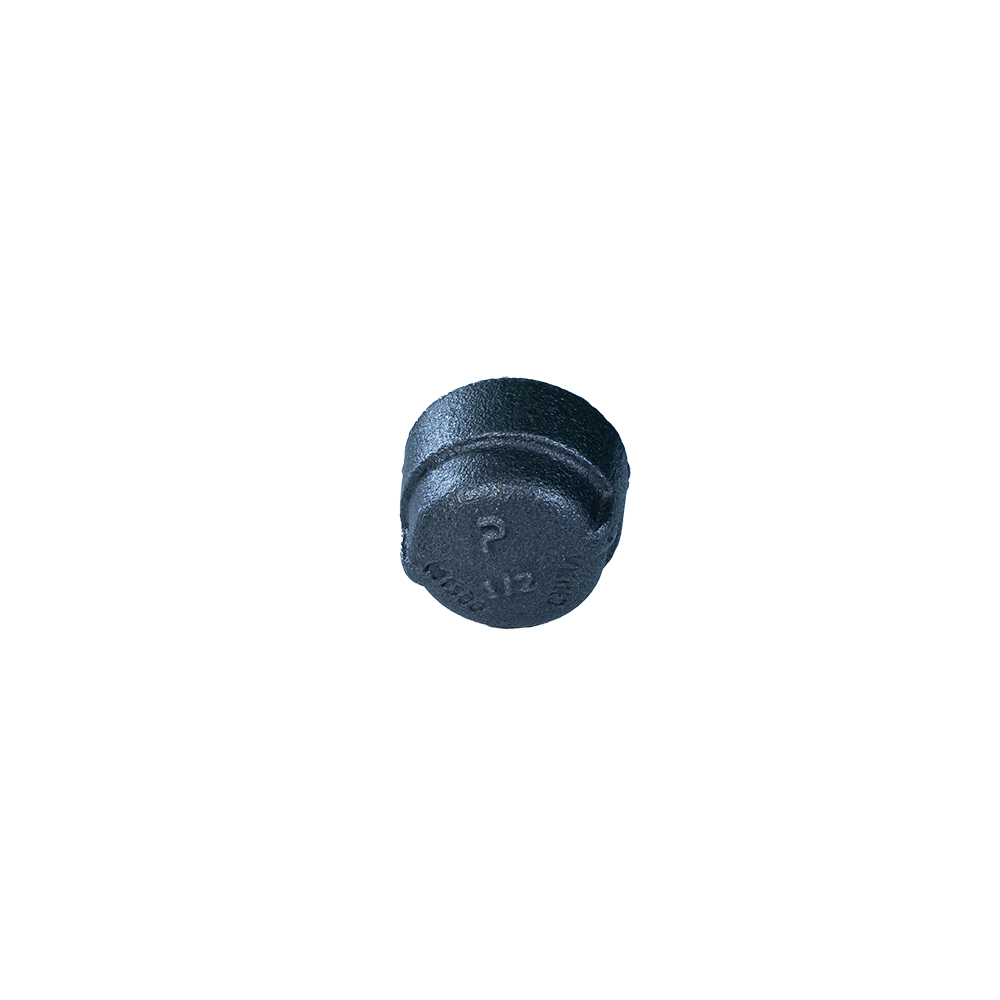

Understanding malleable cast iron fittings: durability meets versatility
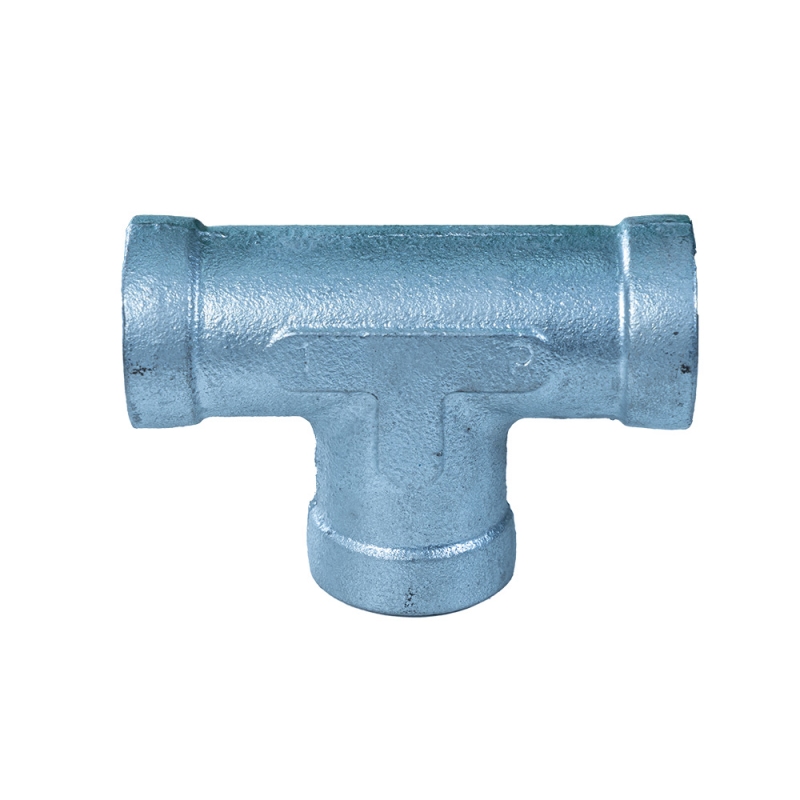
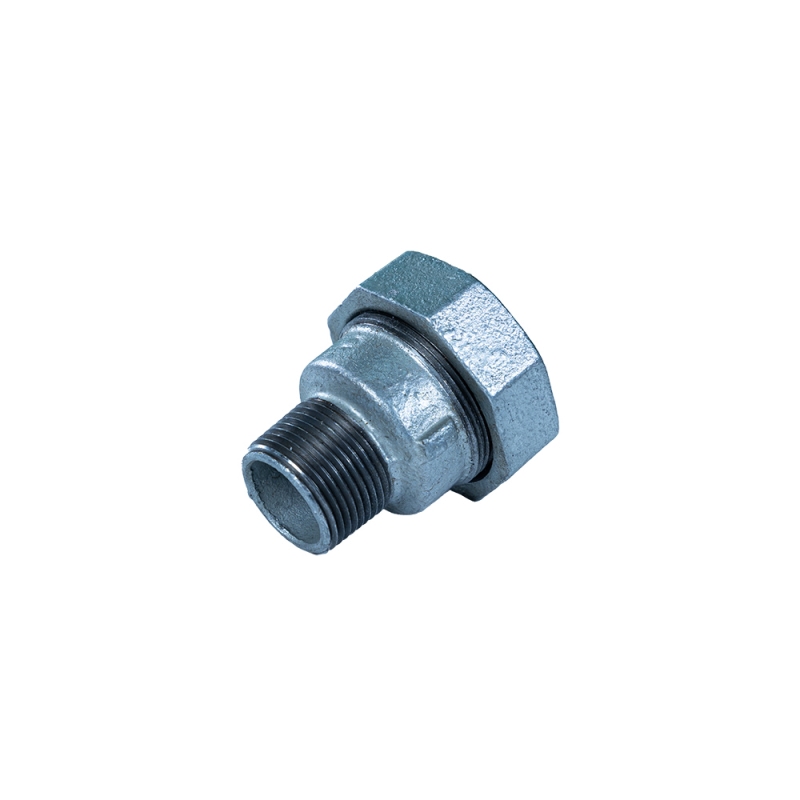
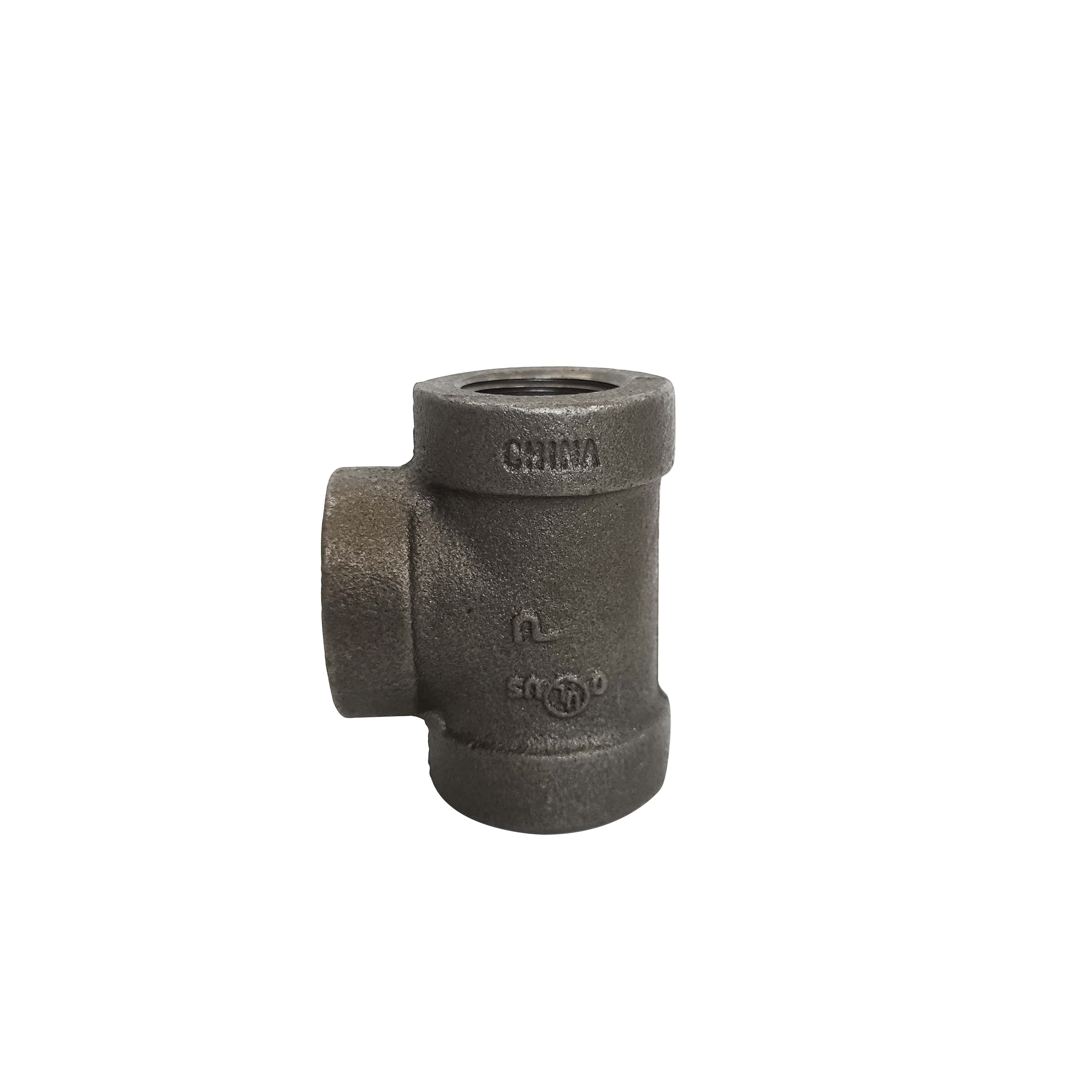
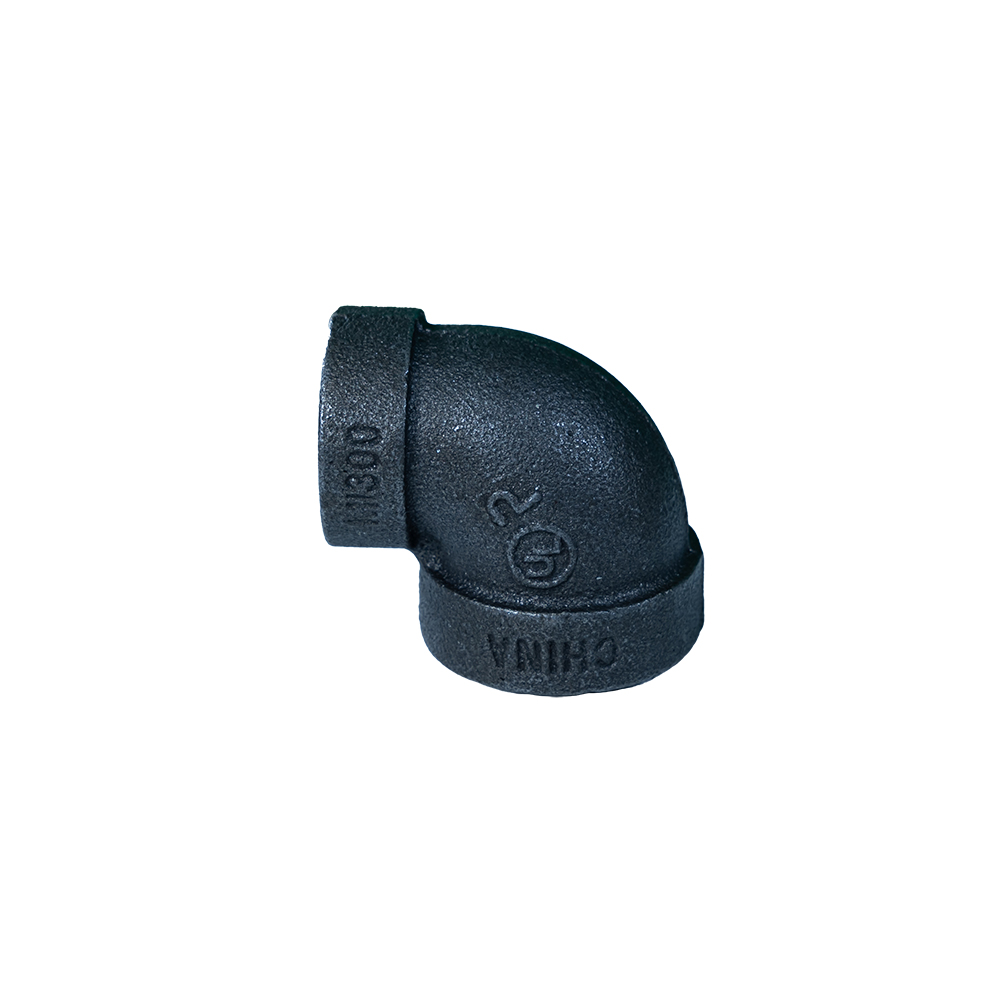
Having spent more than a decade working around industrial equipment, I can honestly say that malleable cast iron components have a quietly crucial role in the background of many systems. You don’t always notice them immediately—these fittings aren't flashy—but their strength and adaptability are something I’ve relied on more times than I can count. Oddly enough, not many people outside the industry appreciate how malleable cast iron manages to combine toughness with a bit of flexibility, which frankly is quite the feat for any metal.
So, what exactly is malleable cast iron? In real terms, it’s cast iron that’s been heat-treated to convert the brittle carbon components into a more ductile structure. This treatment process, called annealing, basically reconfigures the microstructure so the material can handle some bending or deformation without cracking. That makes it perfect for pipe fittings and industrial connections where vibration, pressure fluctuations, or thermal expansion can be an issue. I remember one project where we swapped out brittle fittings for malleable cast iron ones, and the premature failures completely stopped.
One thing that stands out is the combination of properties. You get corrosion resistance, good tensile strength, and ease of threading—an important factor if you’re doing field assembly or maintenance. Compared to ductile iron, malleable cast isn’t quite as strong in sheer tensile terms but makes up for it by its forgiving nature under stress, which many engineers appreciate.
Typical Specifications of Malleable Cast Iron Fittings
| Property | Value | Notes |
|---|---|---|
| Material Grade | ASTM A197 | Standard for malleable iron castings |
| Tensile Strength | >= 60,000 psi | Depends on heat treatment |
| Elongation | >= 10% | Indicates ductility |
| Hardness | 180-220 Brinell | Moderate, good wear resistance |
| Corrosion Resistance | Good | Improves with coatings |
When choosing a supplier for malleable cast iron fittings, quality and consistency matter large. I’ve learned that not all vendors offer the same standards, which can lead to headaches down the line—leaks, weak joints, or worse, failures. That’s why I always take a second to compare vendor credentials and certifications before committing. Let me show you a quick overview based on my experience and available info.
Vendor Comparison for Malleable Cast Iron Fittings
| Vendor | Certifications | Range | Price Range | Customer Support |
|---|---|---|---|---|
| Pannext Fittings | ISO 9001, ASTM Compliant | Extensive (pipe sizes 1/8” up to 6”) | Moderate, competitive | Responsive, knowledgeable |
| Vendor B | ISO 14001 | Medium (up to 4”) | Low to moderate | Standard support |
| Vendor C | None listed | Limited | Low price | Limited support |
Now, I suppose you might wonder about customization. Many customers ask whether malleable cast iron fittings can be tailored to unique specifications, because industrial sites often require something “just so.” The answer is yes—but with caveats. Custom designs typically increase lead times and cost, so you want to have your specs nailed down and work closely with your supplier. I have seen projects where a slight modification to the fitting profile made a substantial difference in installation speed. It’s always worth discussing.
Lastly, I want to share a quick story from the field. A client I worked with in the petrochemical industry switched all their older, brittle fittings to malleable cast iron sizes and designs from Pannext Fittings, mainly because these parts resisted cracking under thermal cycling. Over a two-year period, they reported a 30% reduction in maintenance downtime related to pipe joint issues. It’s not often you get such a clear, direct ROI from seemingly small changes, but with malleable cast iron, it happens.
In closing, malleable cast iron fittings continue to be an unsung hero of industrial construction and maintenance. Their balance of strength, flexibility, and reliability makes them indispensable for many tasks. If you haven't considered them yet, take a moment to explore options at Pannext Fittings — you might find you were overlooking a trusted solution all along.
That’s my two cents based on years of hands-on experience. If you have any stories or questions about malleable cast iron fittings, I’d be interested to hear them.
References:
- ASTM International - Standard Specification for Malleable Iron Castings (ASTM A197)
- Industrial Pipe Fitting Materials Guide, 2021 Edition
- Pannext Fittings official website and product documentation
Post time: Jan-05-2026