
Understanding the Galvanized Pipe Union: What It Is and Why It Matters Globally
When we talk about basic yet crucial plumbing components, the galvanized pipe union rarely grabs headlines. Yet, this small device plays a pivotal role in connecting pipes, ensuring durability, and preventing leaks worldwide. Especially in industries like construction, water supply, and humanitarian relief, knowing how galvanized pipe unions work—and why they are so widely trusted—helps businesses and governments build systems that last and save resources.
Globally, infrastructure reliability is a hot topic. According to the United Nations Infrastructure Report, ensuring safe water delivery is a priority for millions. And the galvanized pipe union contributes by providing secure, rust-resistant connections. In a nutshell, this unassuming part can save time, money, and headaches in many applications.
Introduction: The Global Relevance of Galvanized Pipe Unions
Infrastructure investments worldwide hit nearly $4 trillion annually (World Bank, 2023), and a good chunk goes toward water, gas, and industrial piping systems. These networks require connectors that hold firm under pressure but are easy to install and maintain. Galvanized pipe unions are the unsung heroes here. They address challenges like corrosion and wear linked to environmental exposure, which can compromise entire systems if ignored.
As countries build more resilient infrastructure—think urban water supplies or remote pipeline systems—the demand for these sturdy connectors grows. That’s because they combine strength with convenience, which frankly makes a huge difference when you’re working on tight schedules and budgets.
Definition & Meaning of a Galvanized Pipe Union
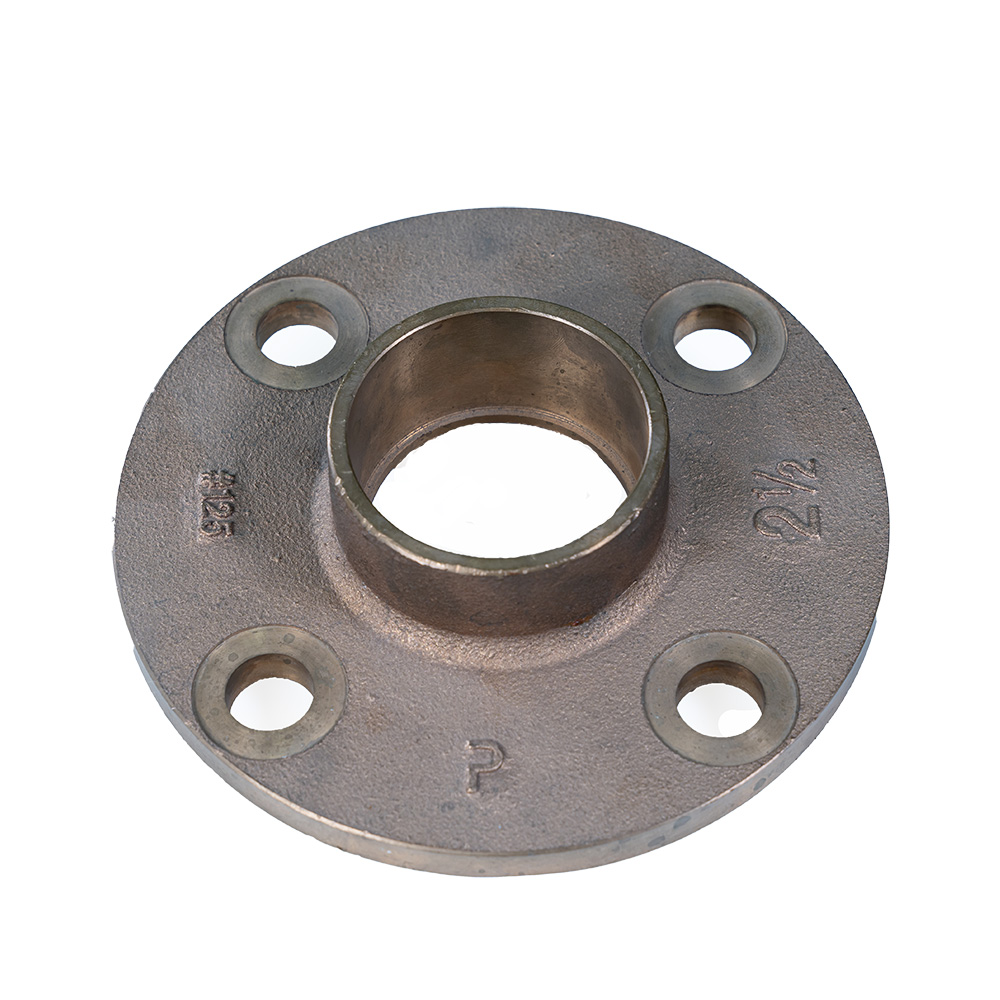
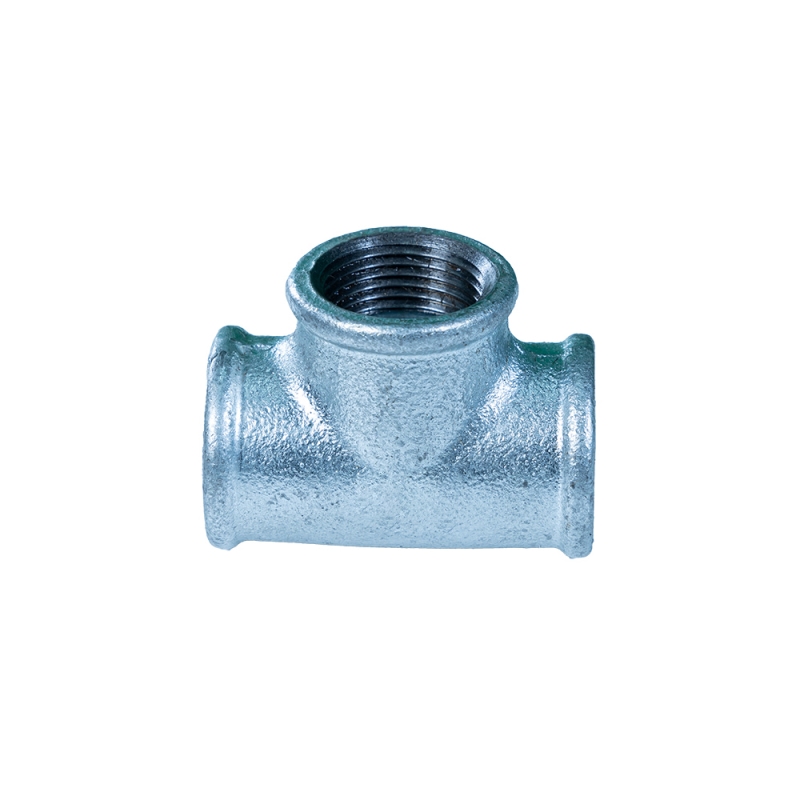
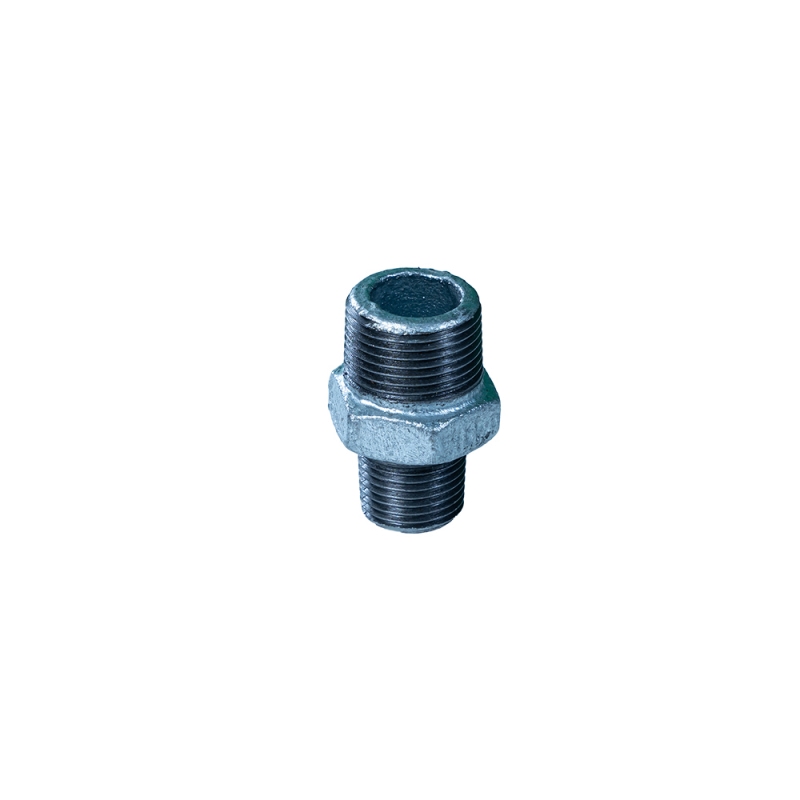
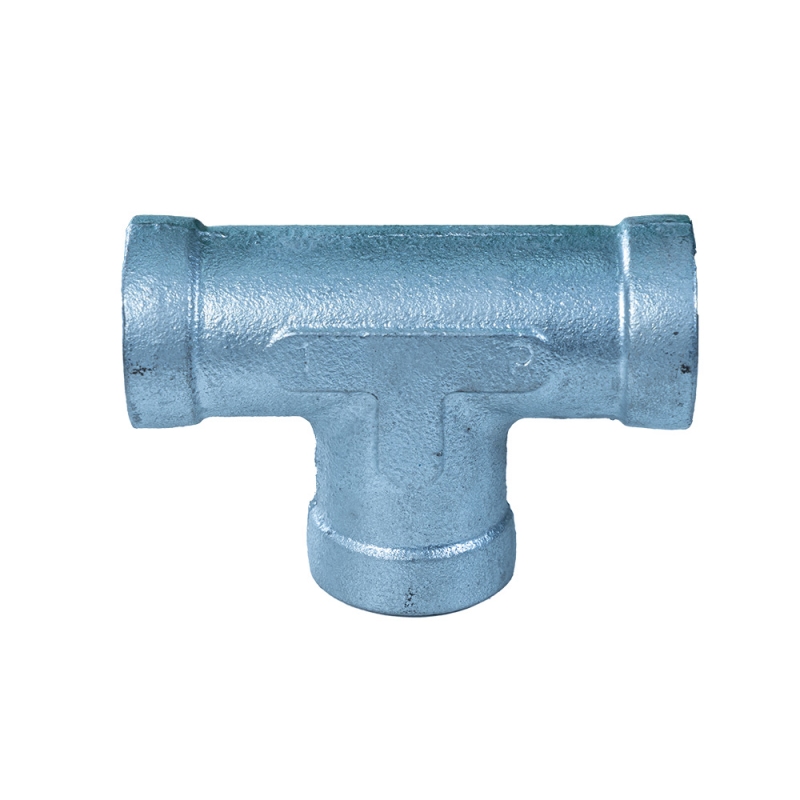
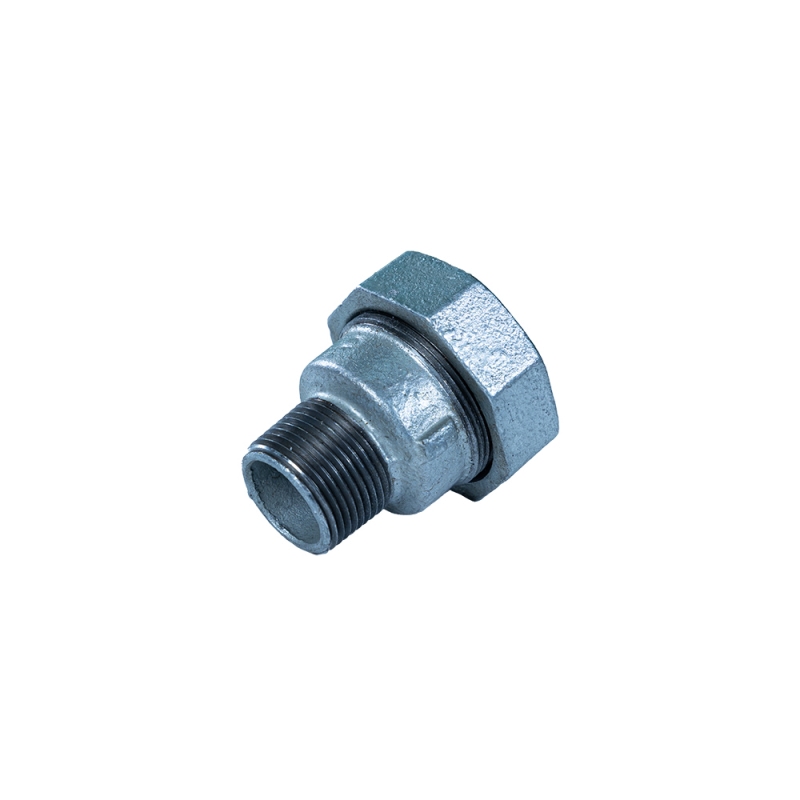
Simply put, a galvanized pipe union is a type of fitting used to join two pipes together yet can be conveniently disconnected without cutting. Made from steel coated typically with zinc (galvanization), it resists rust and corrosion. The “union” aspect allows for easy disassembly—handy for repairs, replacements, or upgrades.
This tiny bit of engineering is indispensable in many industries—from municipal water networks to humanitarian projects like emergency shelter plumbing where durability meets flexibility.
Key Factors that Define Galvanized Pipe Unions
1. Durability and Corrosion Resistance
The zinc coating protects the steel core from rust, which otherwise would compromise the pipe’s integrity in wet or harsh environments. In practice, this means a galvanized pipe union lasts significantly longer than plain steel alternatives, especially in outdoor or underground applications.
2. Ease of Installation and Maintenance
Thanks to the union’s design, installers don’t need special tools or pipe-cutting equipment for repairs or modifications. This speeds up construction times and simplifies maintenance—quite important in remote or disaster-affected regions.
3. Compatibility and Scalability
These unions come in various sizes and standards to match different pipe diameters and thread types, making them versatile across plumbing, HVAC, and gas lines.
4. Cost Efficiency
While galvanized fittings can be initially pricier than uncoated steel, their longevity and reduced maintenance make them cost-effective in the long term.
Global Applications & Use Cases
Galvanized pipe unions find homes in:
- Municipal water systems: In regions across Europe, Asia, and North America, reliable pipe joints are critical.
- Industrial facilities: Factories use them to maintain fluid and air systems under different pressure conditions.
- Humanitarian and post-disaster relief: NGOs installing emergency water supplies lean on the quick-connect and corrosion resistance to get systems running fast.
- Remote mining or oil drilling sites: Owners need durable parts that perform under harsh weather and rugged terrain.
For example, after the 2015 Nepal earthquake, relief organizations used galvanized unions in their temporary water systems to ensure robust and repair-friendly infrastructure.
Advantages & Long-Term Value of Galvanized Pipe Unions
Think about safety. A leaking water pipe isn’t just about water damage; it risks health hazards and disrupts daily life. Galvanized pipe unions help prevent these failures, building trust in public utilities and industrial operations.
Their sustainability angle is worth mentioning too—we’re talking about fittings that reduce replacements and scrap metal waste. That’s a logical win in a world pivoting to greener infrastructure.
Emotionally, knowing these parts won’t fail unexpectedly provides peace of mind to engineers and communities alike.
Future Trends & Innovations in Galvanized Pipe Unions
Industry insiders hint at emerging coatings that extend lifespan and reduce maintenance (nano-coatings, for instance). Also, digital tools may soon track the wear of unions on large-scale projects, blending traditional manufacturing with smart monitoring.
Specifically, combining galvanized unions with automated valve systems can enhance industrial piping flexibility, especially in green energy plants focusing on hydrogen or biofuels.
Challenges & Solutions
No product is perfect. Galvanized pipe unions can face challenges like zinc layer degradation in extremely acidic conditions or galvanic corrosion when mixed with incompatible metals. But careful material pairing and routine inspection solve most issues.
Furthermore, some remote locations may face supply chain difficulties sourcing quality unions, which leaves room for regional manufacturing improvements and innovative modular designs.
FAQ: Frequently Asked Questions About Galvanized Pipe Union
Q1: How does a galvanized pipe union differ from a regular coupling?
Unlike a coupling, which joins two pipes permanently, a union allows for easy disassembly without cutting the pipe. Galvanization adds corrosion resistance, making it suitable for longer-term and outdoor use.
Q2: Can galvanized pipe unions be used for gas lines?
Yes, but it’s crucial to check relevant safety standards and certifications as gas systems require fittings rated for pressure and leak prevention. Many galvanized unions meet these requirements when specified.
Q3: What sizes of galvanized pipe unions are typically available?
Common sizes range from 1/2 inch up to 4 inches or more, catering to residential plumbing to heavy industrial setups. Custom sizes can sometimes be ordered for specialized needs.
Q4: Are galvanized pipe unions recyclable?
Absolutely. Steel and its zinc coating can be recycled, contributing to sustainability goals. Disposed unions should be processed through metal recycling facilities.
Q5: How long can a galvanized pipe union last in outdoor environments?
Generally, these unions last 20+ years depending on environmental conditions and maintenance. Mild climates extend lifespan while salty or highly acidic areas may reduce it.
Product Specifications of a Standard Galvanized Pipe Union
| Specification | Details |
|---|---|
| Material | Galvanized Carbon Steel |
| Sizes Available | ½” to 4” (Other sizes on request) |
| Thread Type | NPT (National Pipe Thread) |
| Pressure Rating | Up to 300 PSI |
| Service Temperature | -20°C to 120°C |
Vendor Comparison: Galvanized Pipe Unions
| Vendor | Price Range (USD) | Quality Grade | Lead Time | Certifications |
|---|---|---|---|---|
| Vendor A | $3 - $12/unit | Industrial Grade | 2 weeks | ISO 9001, ASTM |
| Vendor B | $4 - $15/unit | Premium Grade | 3 weeks | ISO 14001, CE |
| Vendor C | $2.50 - $10/unit | Standard Grade | 1 week | ASTM Only |
So, if you’re managing building projects or upgrading piping infrastructures, putting thought into your galvanized pipe union choice isn’t trivial. It’s the difference between future headaches or smooth operations.
Conclusion
Galvanized pipe unions might not be the flashiest hardware around, but their impact on global infrastructure reliability is undeniable. They combine durability, ease of use, and cost-efficiency—qualities that become vital in many industries and humanitarian efforts worldwide. As technology and sustainability continue to influence manufacturing, these unions will evolve but always remain a backbone of piping systems.
Interested in reliable galvanized pipe unions? Visit our website: Pannext Fittings to learn more about sourcing the right fittings for your needs.
A small pipe fitting with a big global footprint—that’s the galvanized pipe union for you.
References
Post time: Dec-02-2025