
Dated on Nov-27-2025
Understanding Fire Fighting Fittings: Why They Matter in a World on Fire
Fire fighting fittings might not be the flashiest part of emergency response equipment, but if you ask anyone who's ever had a blaze to tame, they’ll tell you these components are absolutely critical. Simply put, these fittings are the nuts and bolts—literally—that connect hoses, valves, sprinklers, and other gear enabling firefighters and safety systems to perform under extreme pressure. Globally, as urban populations rise and climate change fuels more frequent wildfires and industrial accidents, the demand for reliable, efficient fire fighting fittings grows exponentially. Why should we care beyond just “hope our buildings don’t burn”? Because understanding these components means better planning, faster deployment, and safer outcomes in emergencies. Plus, modern fittings now reflect advances in materials, design, and installation that save lives—and property—from needless damages. Simply put: good fittings underpin robust fire safety infrastructure worldwide. ---Global Context: The Growing Importance of Fire Fighting Fittings
Fire safety isn’t just about putting out fires—it’s a key part of sustainable development and humanitarian protection. According to the United Nations Office for Disaster Risk Reduction (UNDRR), fires alone cause significant damage, including millions of dollars’ worth of infrastructure loss annually and thousands of deaths worldwide. The International Organization for Standardization (ISO) also highlights how standardized fire fighting equipment—including fittings—is an essential element in global safety compliance. The challenge? Outdated, faulty, or incompatible fittings often cause delays or even failures during emergency responses. Imagine a wildfire in California, a factory blaze in South Asia, or a residential fire in Europe—each scenario demands quick, leak-proof connectivity in equipment that can withstand extreme heat and corrosion. The global market for fire fighting fittings is vast and growing, but the segment faces uneven standards and quality issues that directly impact response effectiveness. ---What Exactly Are Fire Fighting Fittings?
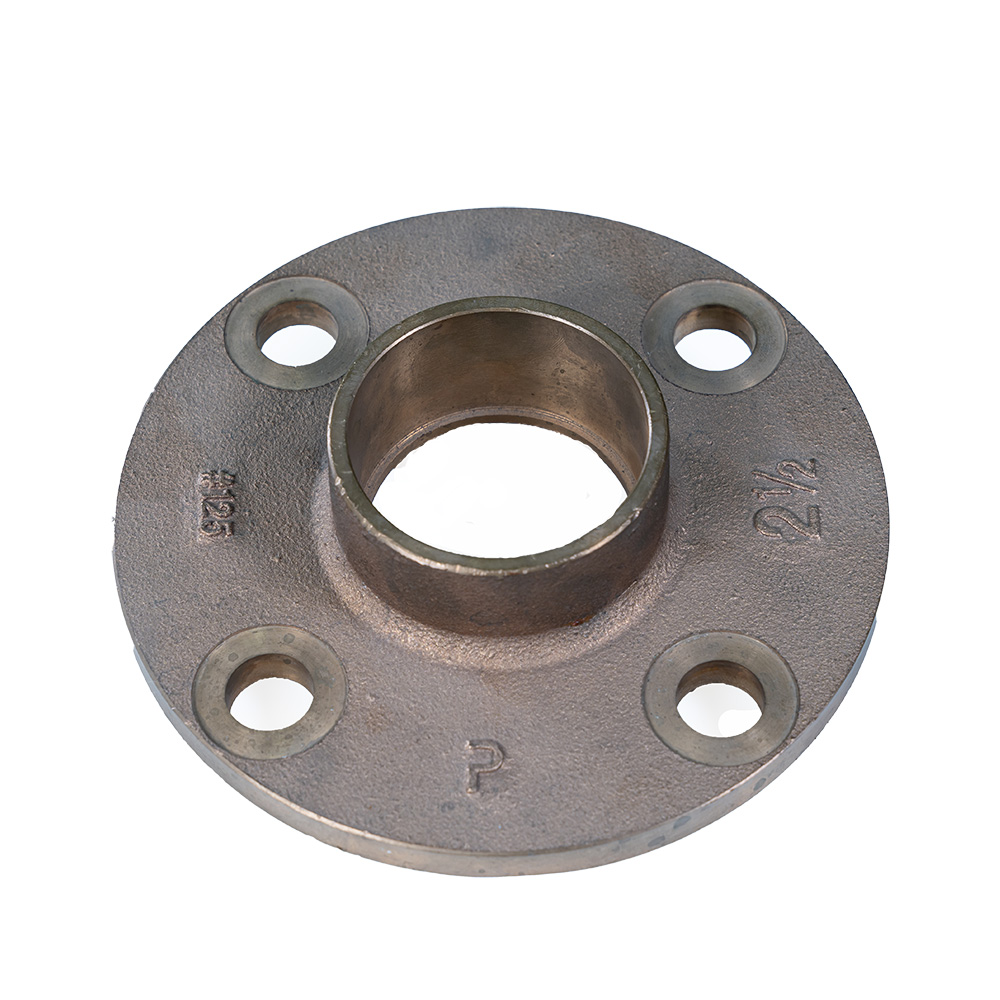
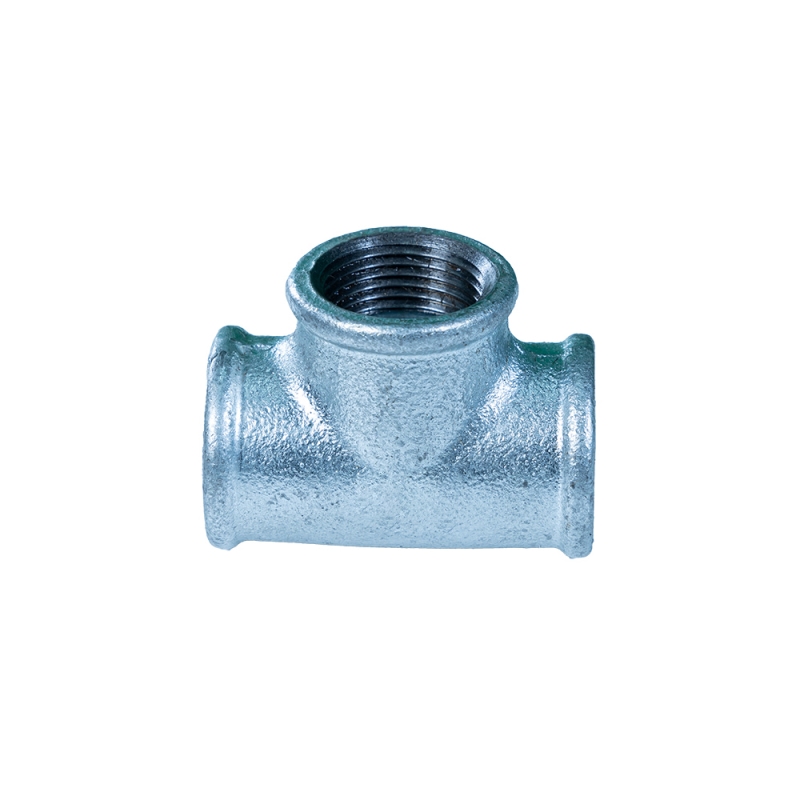
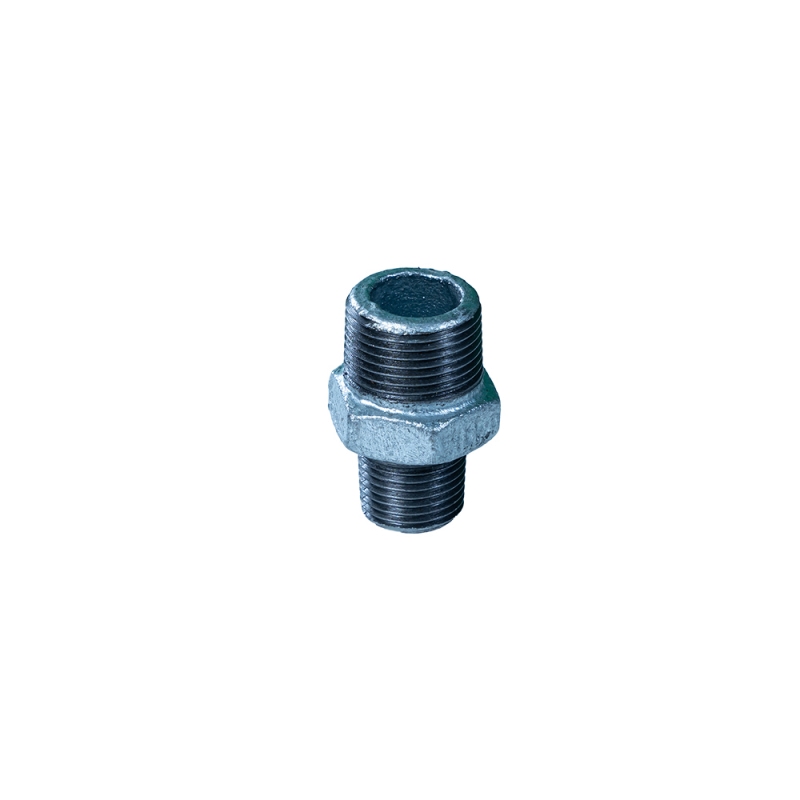
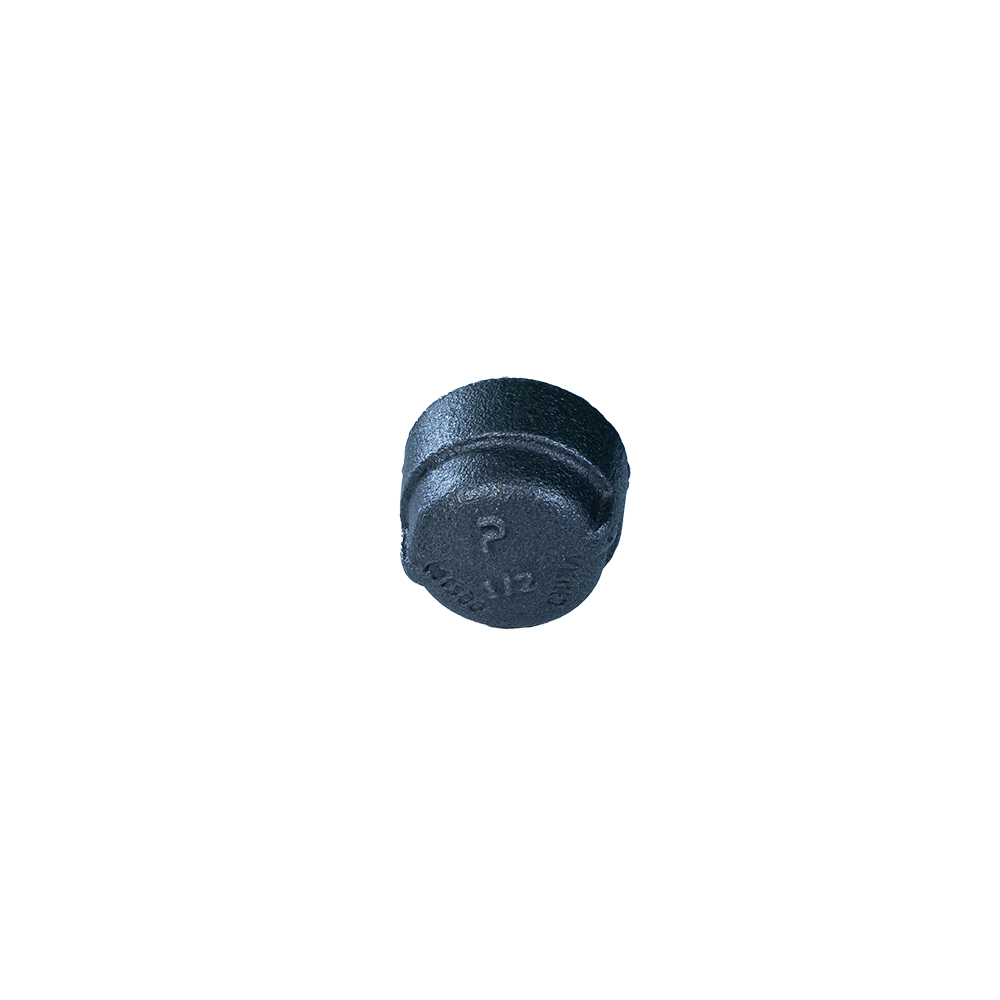
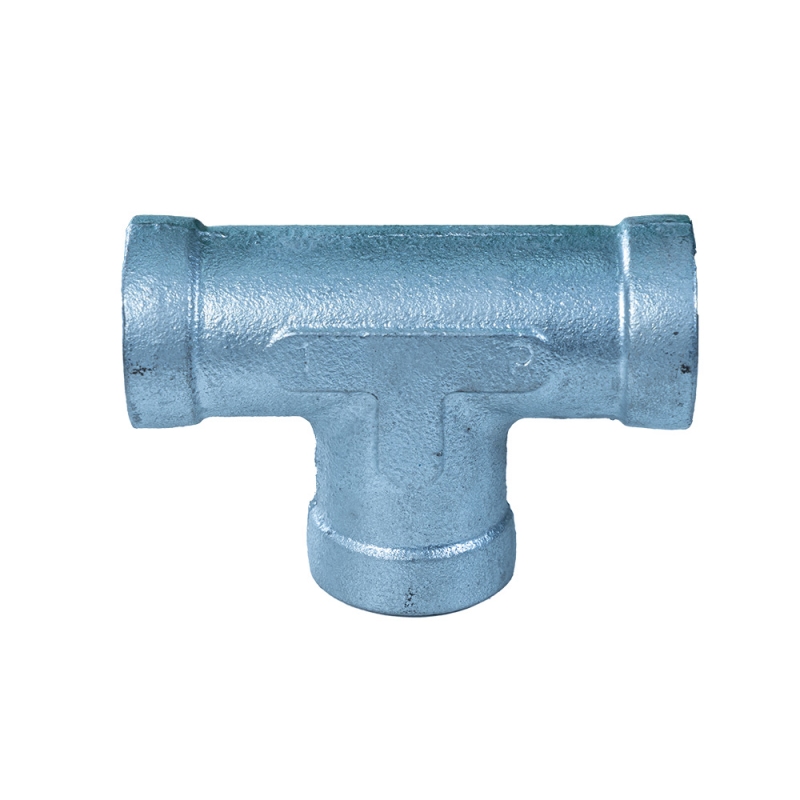
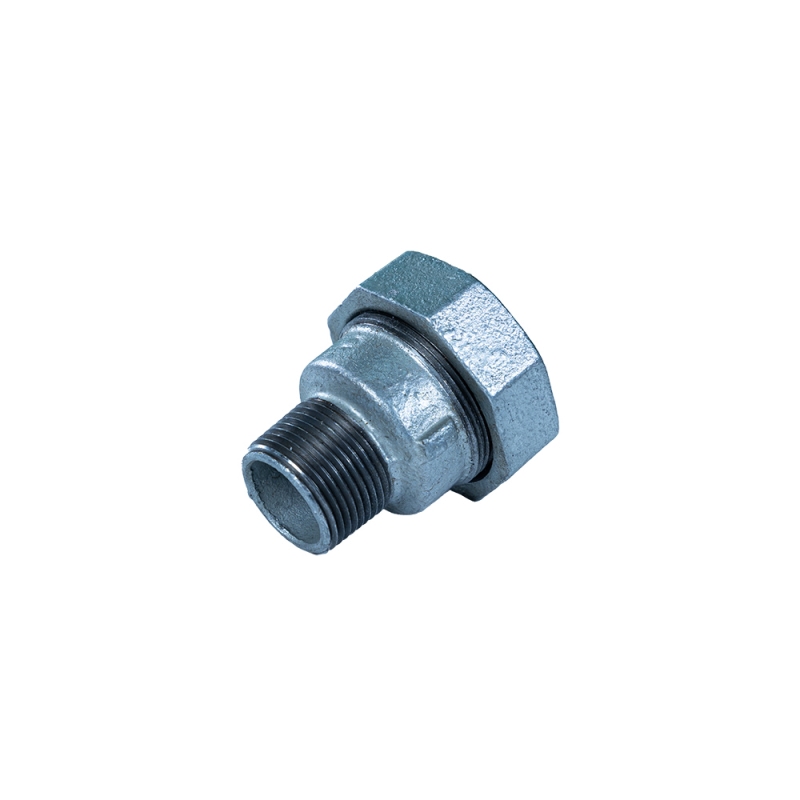
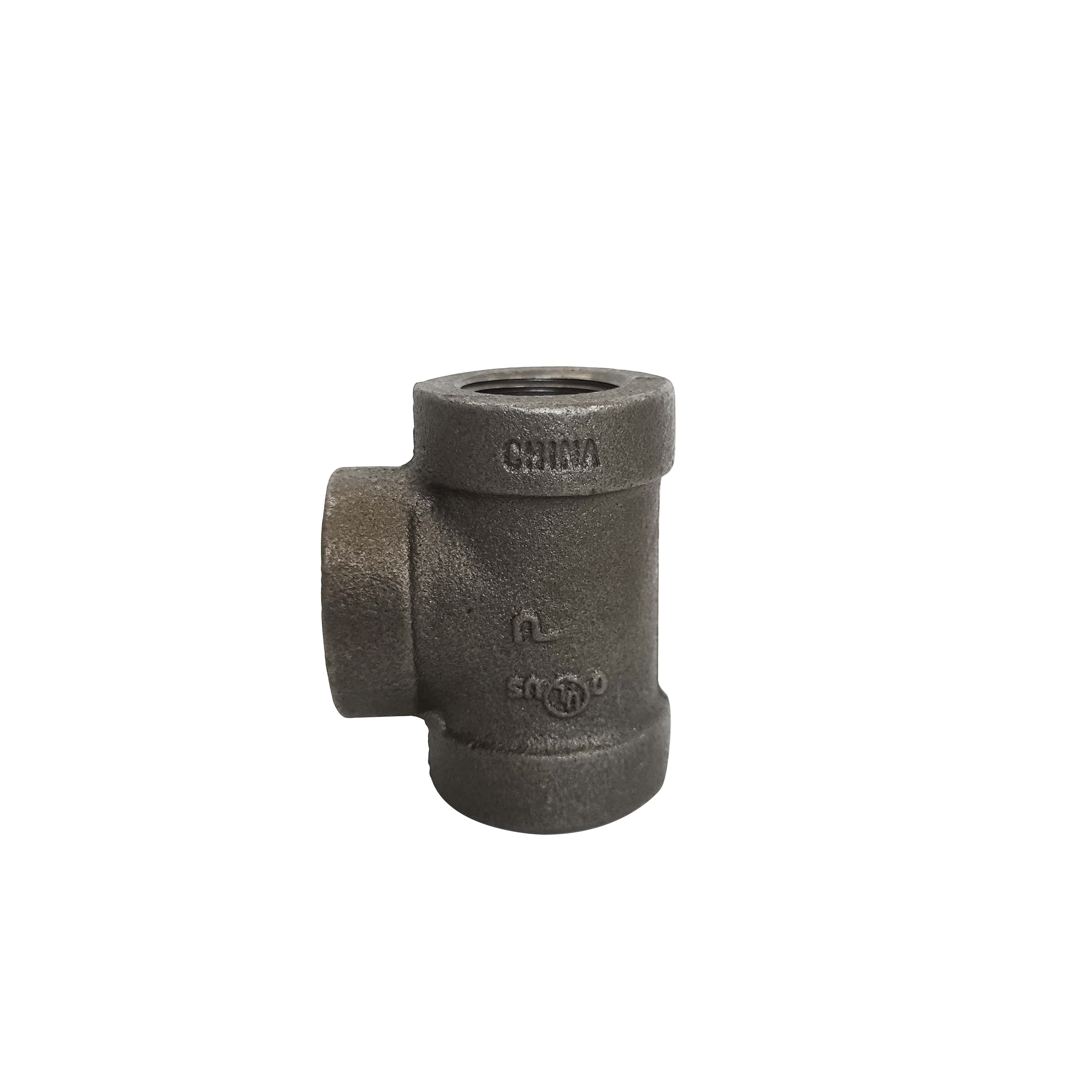
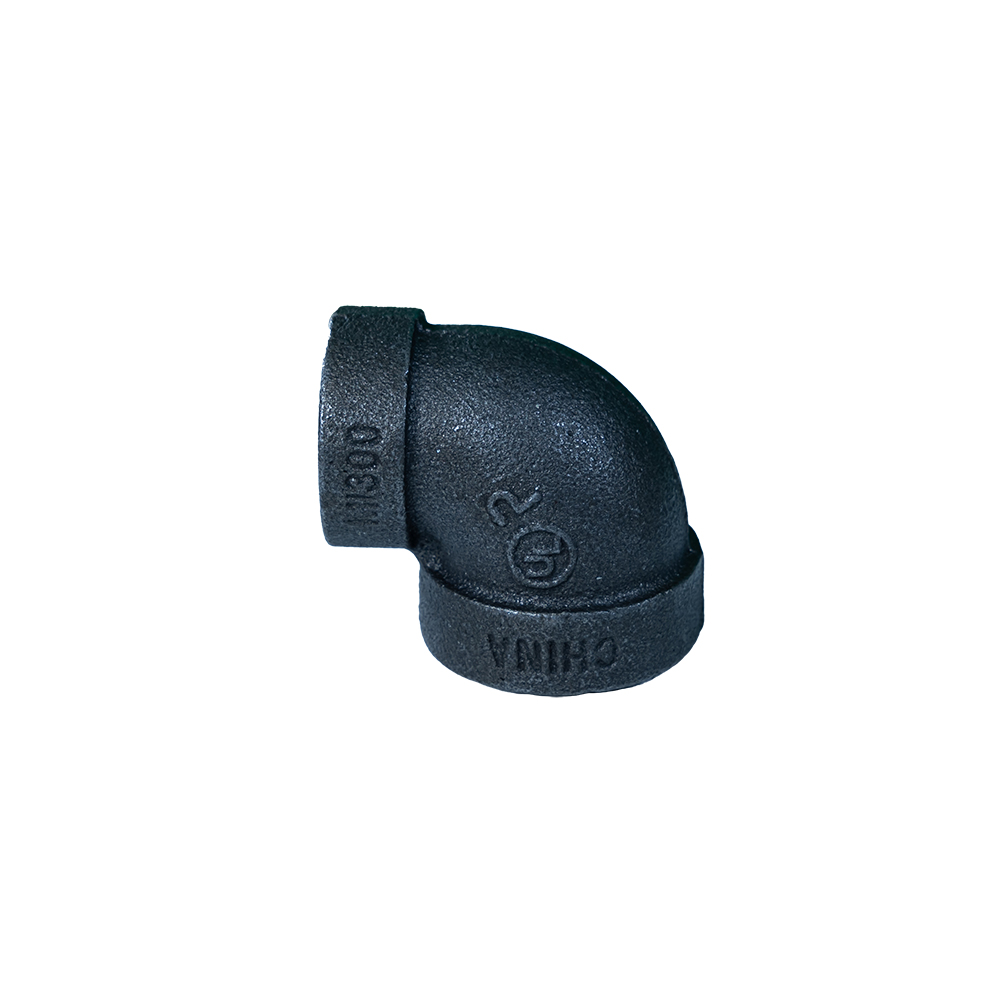
At their core, fire fighting fittings are specialized connectors designed to join fire hoses, nozzles, valves, hydrants, and other components into an integrated system. They ensure water or foam flows smoothly and without leaks at high pressures critical during firefighting. These fittings vary from couplings and adapters to clamps and elbows, often built with robust materials such as brass, stainless steel, or specially coated aluminum to resist corrosion and mechanical stress. This hardware is not only crucial in urban firefighting but also increasingly vital for humanitarian relief, industrial safety, and even marine applications where fast and reliable connection of fire protection systems saves lives daily. ---Key Components and Their Practical Importance
Durability and Material Quality
Fire fighting fittings must endure extreme temperatures, water pressure fluctuations, and rough handling in the field. Engineers often prefer corrosion-resistant metals or advanced polymer composites that strike a balance between robustness and lightweight design. Oddly enough, sometimes the small details like a rubber gasket or high-grade sealant can make or break the whole system.Compatibility and Standards
Fittings aren’t one-size-fits-all. Different countries and regions use slightly varied coupling threads or diameters, so international compatibility becomes a logistical headache if overlooked. Compliance with ISO and NFPA (National Fire Protection Association) standards ensures interoperability and safety—meaning a firefighter from Italy can connect their hose to hydrants or nozzles in the U.S. during joint exercises or disasters.Ease of Use and Speed
In situations where every second counts, fittings must be easy to connect and disconnect—sometimes with gloved hands or in low visibility. Quick-release designs and lightweight construction are design trends driven by actual firefighter feedback. It’s not just theoretical engineering; it’s field-proven practical necessity.Maintenance and Longevity
Fire fighting fittings that rust or degrade silently over time can fail unexpectedly. The best products are designed with maintenance in mind—modular parts, accessible seals, and corrosion-resistant finishes go a long way toward extending useful service life by years or even decades. ---How Fire Fighting Fittings Work Around the World
Whether it’s the dense urban jungles of Tokyo or sprawling industrial zones in the Gulf, fire fighting fittings have to perform under different environmental stresses. In wildfire-prone California, fittings are often paired with advanced foam systems and portable sprinklers. Meanwhile, European city planners integrate fittings into smart fire alarm networks. And in resource-constrained disaster zones—for example, following earthquakes or floods—the ruggedness and simplicity of these fittings can be game-changers. NGOs and relief organizations often carry specialized kits filled with multi-purpose fittings because they know every connector’s reliability can mean the difference between containment and disaster. Fire fighting fittings also find heavy use onboard ships, mining operations, and remote industrial plants where emergency response infrastructure must be both autonomous and absolutely reliable. ---Sample Product Specification Table
| Spec | Description | Typical Value |
|---|---|---|
| Material | Corrosion-resistant brass with EPDM seals | Brass EN-12165, Grade CW617N |
| Operating Pressure | Max continuous working pressure | 16 bar (232 psi) |
| Temperature Range | Operational limits | -40°C to +120°C (-40°F to +248°F) |
| Connection Type | Coupling and thread standard | NST / NH / BSP Thread Options |
| Weight | Per pcs, approx. | 0.45 kg (1 lb) |
Comparing Top Fire Fighting Fitting Vendors
| Vendor | Material Quality | Certifications | Price Range | Global Reach |
|---|---|---|---|---|
| PanNext Fittings | High-grade brass, EPDM seals | ISO 9001, NFPA Compliant | Mid-Range | North America, Asia, Europe |
| FireTech Supplies | Stainless steel models available | UL Listed, CE Mark | Premium | Global |
| SafeGear Equip | Aluminum composite | ISO 14001 Environmental Standard | Budget | Regional (Europe) |
Advantages and Long-Term Value of Reliable Fittings
Think about the last time you got a bad hose connection—even a drip can cost thousands in water damage and downtime. Reliable fittings mean: - Safety: Leak-free systems prevent dangerous pressure drops or hose bursts. - Cost Efficiency: Durable fittings reduce repair and replacement frequency. - Sustainability: Materials that resist corrosion and last mean fewer waste disposals. - Trust: For firefighters and facility managers alike, knowing your equipment won’t let you down is priceless. - Social Impact: Faster response times save lives, property, and community morale. ---The Future is Connected: Emerging Trends & Innovations
Fire fighting fittings are evolving. Many manufacturers are experimenting with smart sensors embedded in fittings that detect leaks or pressure drops and send real-time alerts—talk about digital transformation in industrial safety. Meanwhile, lighter, eco-friendly composites replacing metals are gaining traction, aligning with global sustainability goals like those set by the United Nations. Automation also plays a role—automatic coupling systems designed to snap on without manual intervention, speeding up deployment under stress. Oddly enough, these “set-and-forget” fittings can make a literal difference when seconds count. ---Challenges & Solutions in the Fire Fighting Fittings Realm
Most failures in fire fighting setups trace back not to the hoses or pumps but fittings failing due to wear, contamination, or improper standards. Supply chain fragmentation means equipment from various vendors can be incompatible or substandard. To combat this, experts recommend: - Rigorous testing per ISO/NFPA guidelines. - Investing in modular fittings that can be easily replaced or upgraded. - Training responders in proper assembly and maintenance. - Choosing vendors with transparent certifications and high-quality materials. ---FAQ: Common Questions About Fire Fighting Fittings
Q1: What types of materials are best for fire fighting fittings?A1: Brass and stainless steel are popular due to corrosion resistance and durability. Some newer fittings use advanced polymers for lighter weight. Material choice depends on operating environment and pressure requirements. Q2: How do fire fighting fittings handle extreme temperatures?
A2: Quality fittings use seals and gaskets that maintain elasticity and tightness across wide temperature ranges (often -40°C to +120°C). Metal bodies withstand thermal shock and provide reliable connections even under heat stress. Q3: Are fire fighting fittings universally compatible?
A3: Unfortunately not. Different regions have different thread standards (e.g., NST, NH, BSP). That’s why standardization per ISO or NFPA is vital, especially for international operations or disaster relief missions. Q4: How often should fire fighting fittings be inspected or replaced?
A4: Regular inspections every 6-12 months are recommended, focusing on seals, corrosion, and wear. Replacement intervals vary but generally every 5-10 years, depending on usage and environment. ---
Wrapping Up: The Backbone of Safety and Rescue
Fire fighting fittings quietly but critically ensure lives are saved and infrastructure preserved. They’re modest components with outsized impact, proving that sometimes small parts hold the biggest responsibility. For anyone involved in safety planning, choosing reliable, certified, and well-designed fittings is non-negotiable. Discover a trusted range of fittings designed to meet rigorous standards and practical needs: visit PanNext Fittings today—because safety can’t wait. ---References
Post time: Nov-27-2025
Related PRODUCTS