
Understanding Different Pipe Fittings: The Unsung Heroes of Modern Infrastructure
Pipe fittings might sound mundane, but they're the silent connectors holding together the world's water, gas, and industrial piping systems. Understanding different pipe fittings isn’t just a niche interest—it's a critical part of global infrastructure development, sustainability efforts, and industrial innovation. Whether you’re fixing a leak or planning a massive urban water supply system, knowing your elbows from your tees saves both time and money.
A Global Perspective on Different Pipe Fittings
Across the globe, infrastructure projects hinge on reliable piping networks. The United Nations notes that ensuring clean water access for nearly 2.2 billion people depends heavily on effective distribution systems and, by extension, the quality and variety of pipe fittings used (UN Water, 2022). Meanwhile, the industrial sector, including oil and gas, chemical plants, and energy, will continue to grow steadily, requiring more robust and adaptable piping solutions.
But here’s the twist: a lot of these systems fail prematurely, often because of improper use or selection of pipe fittings. It’s somewhat ironic; these tiny components can make or break a project’s success, yet they’re often overlooked until a problem arises.
Mini takeaway:
- The right pipe fittings are essential for sustainable infrastructure, addressing global water and energy challenges.
- Selecting correct fittings reduces failure, maintenance costs, and environmental risks.
What Are Different Pipe Fittings, Anyway?
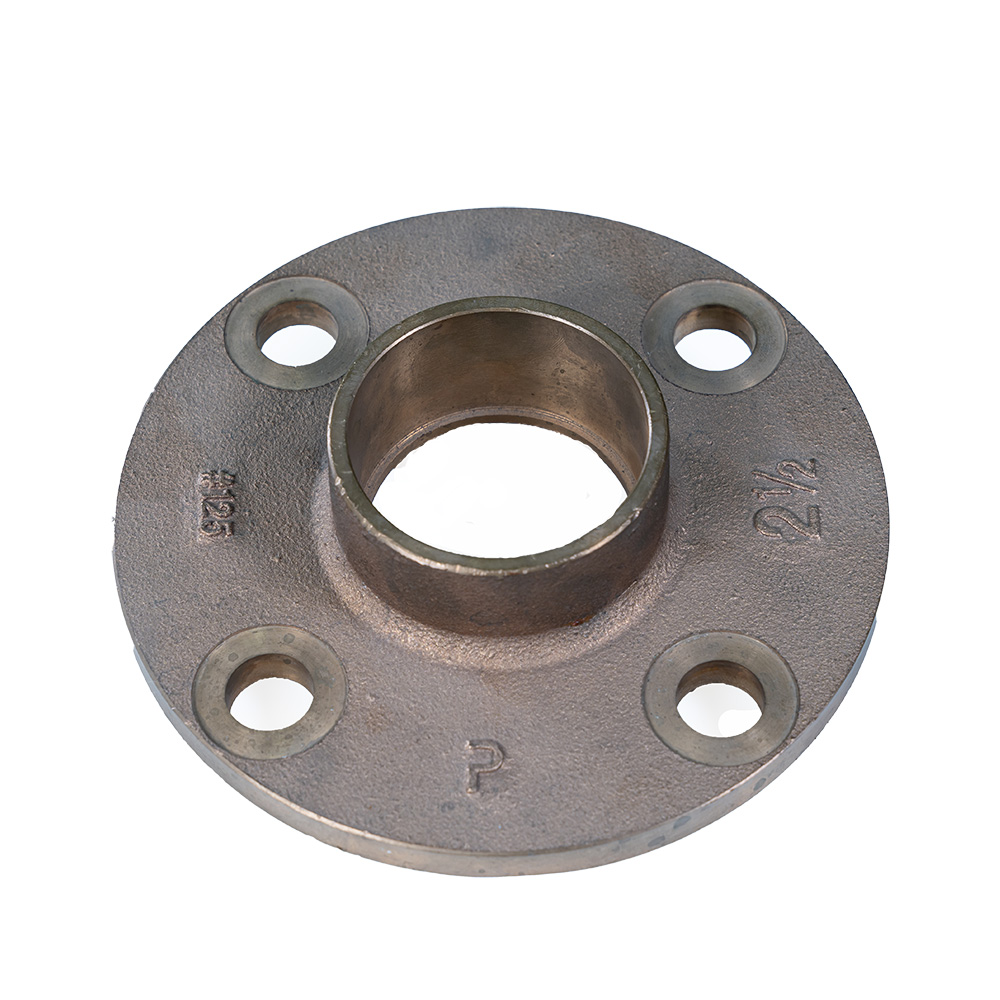
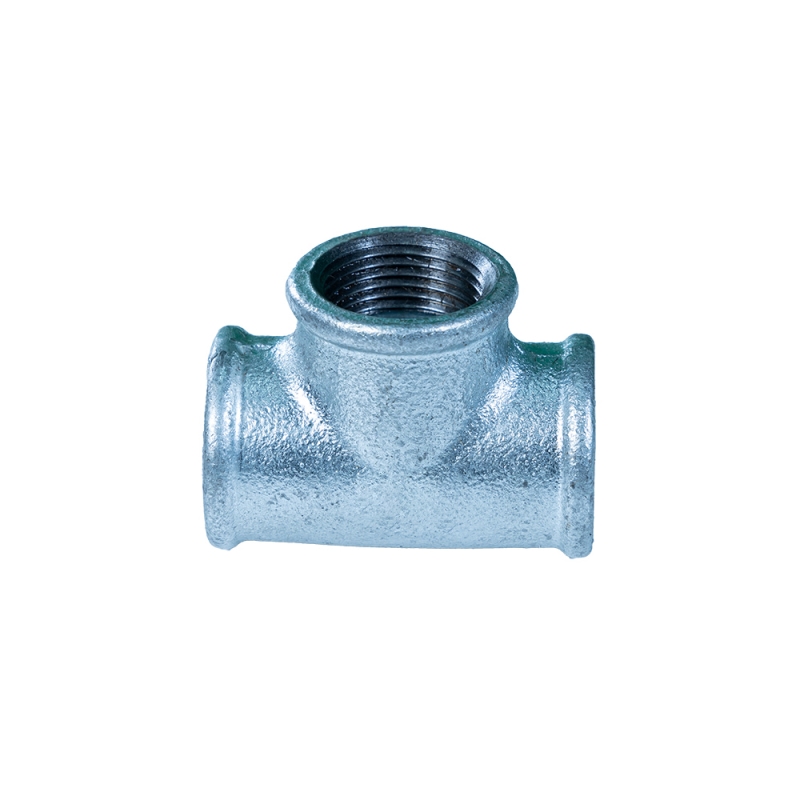
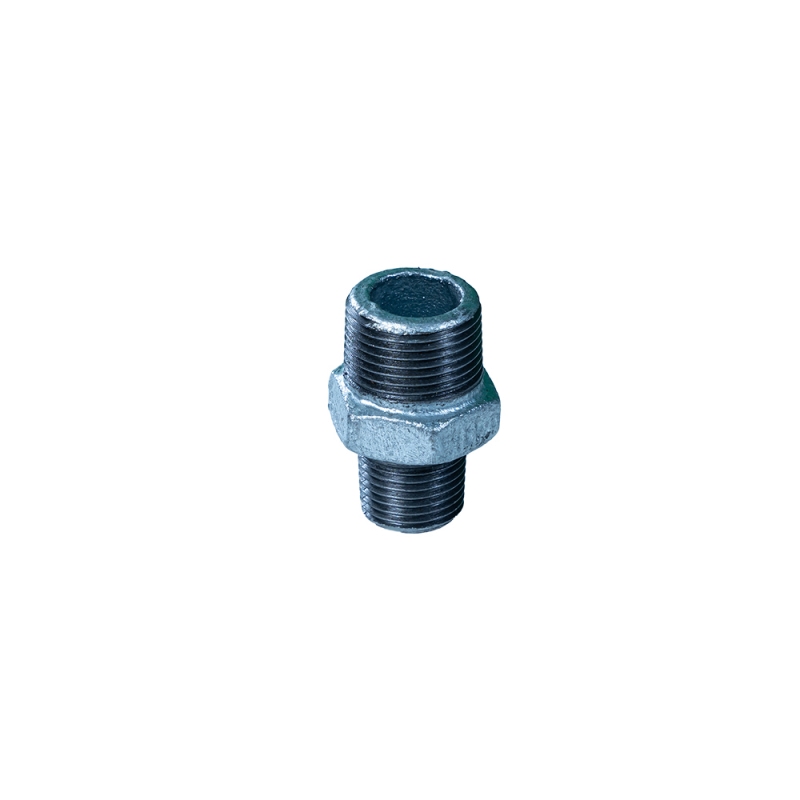
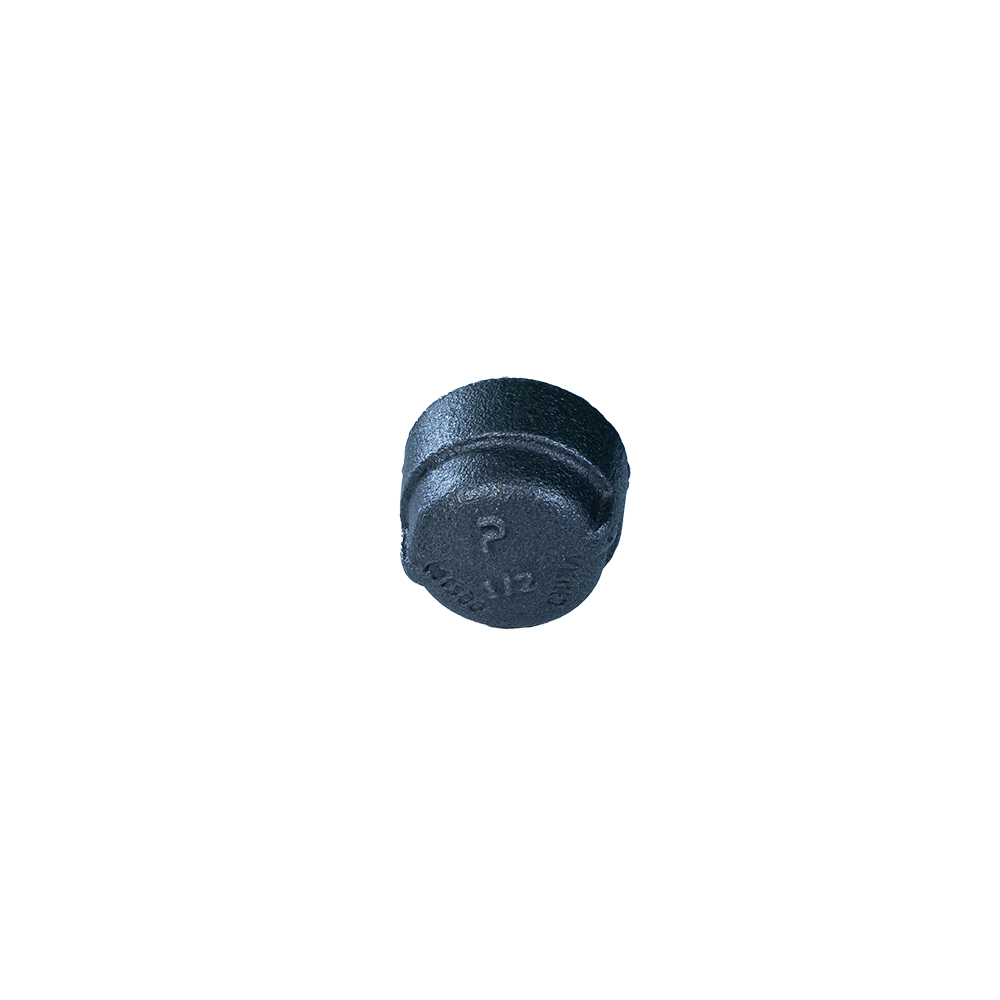
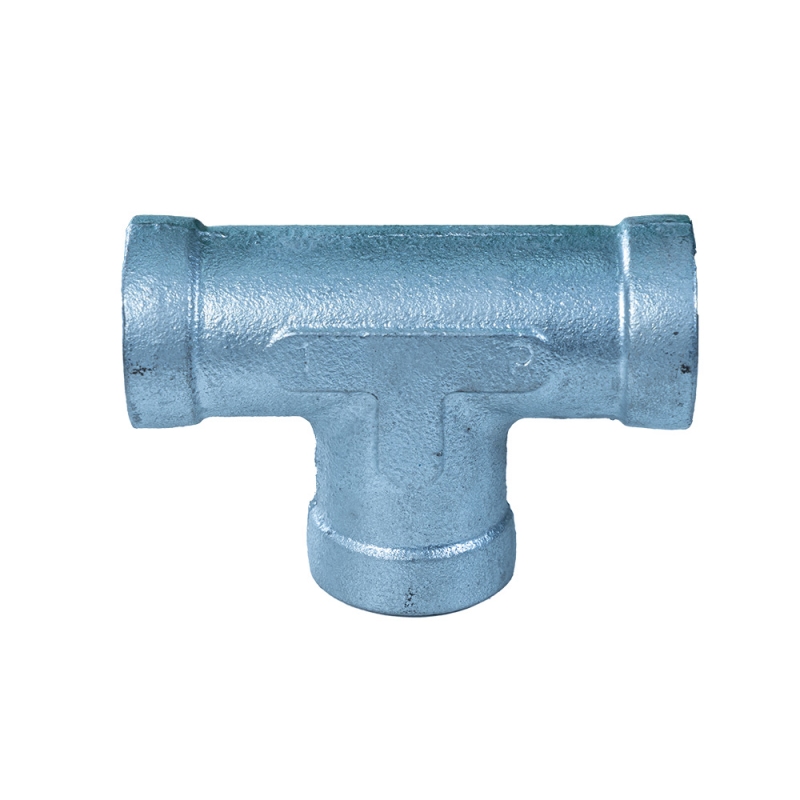
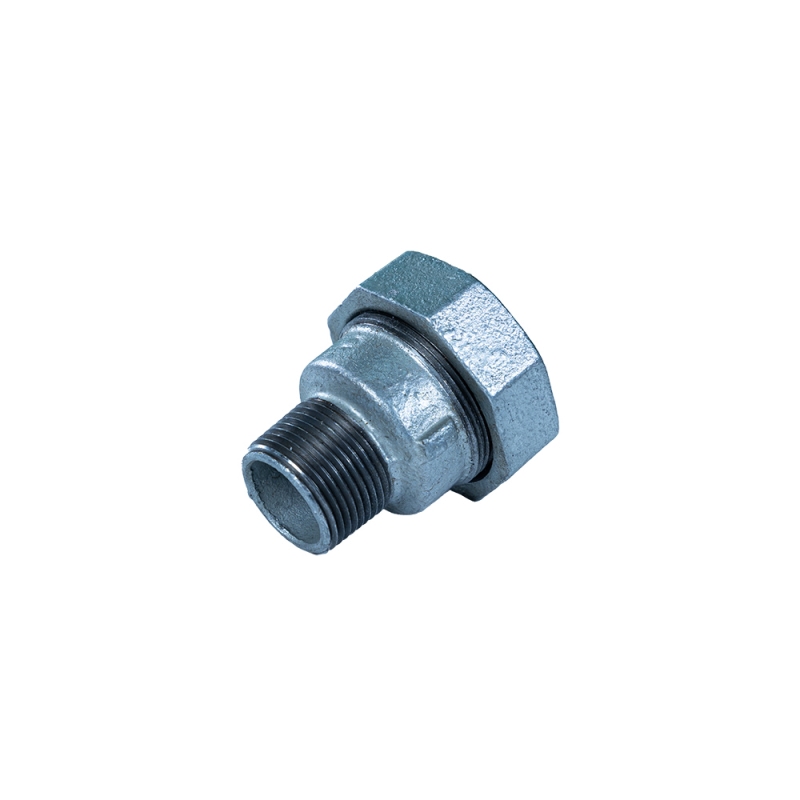
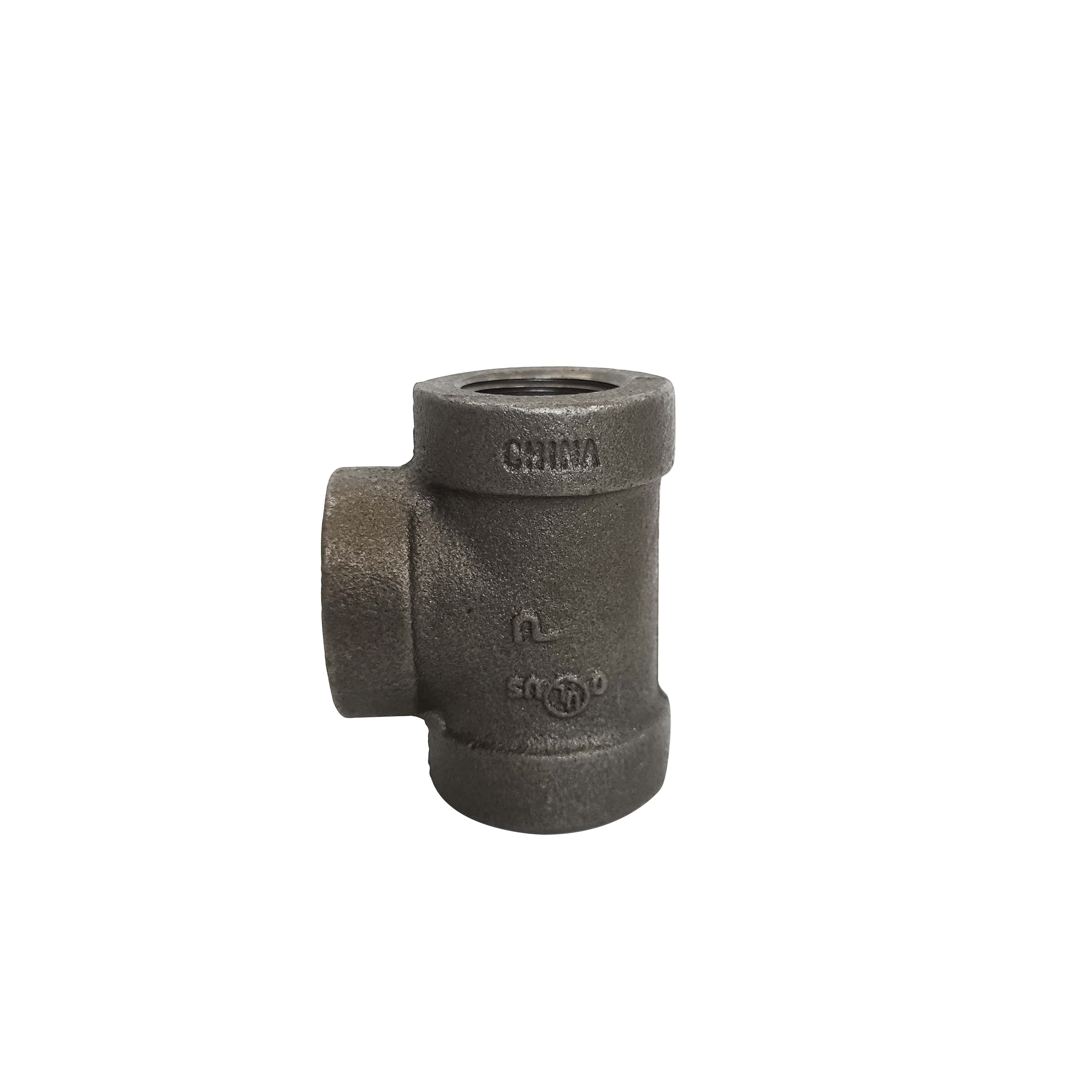
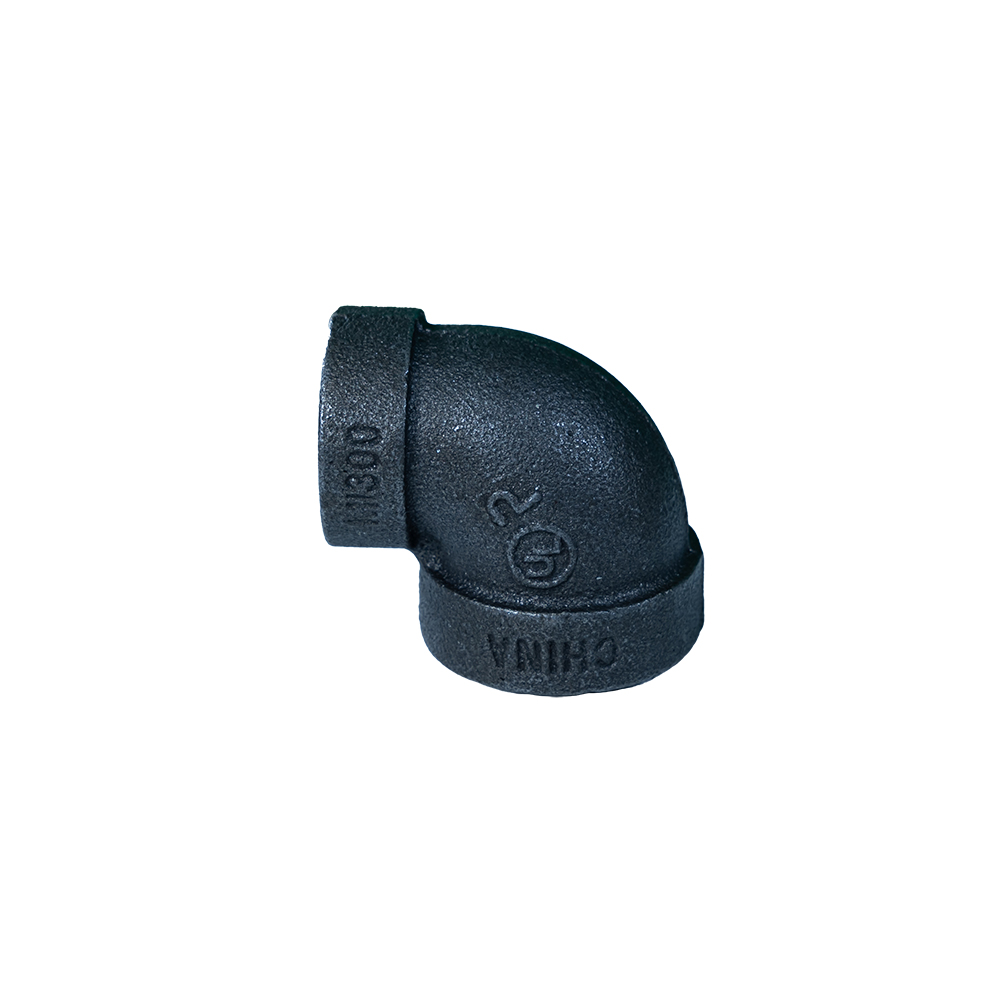
Simply put, pipe fittings are mechanical components that connect straight sections of pipe or tubing, adapt to different sizes or shapes, and control flow. Think of them as the plumbing system's bones and joints. These include elbows, tees, reducers, couplings, flanges, and more. Each plays a unique role, depending on direction, size, and function—kind of like the different joints in your own body.
Industries ranging from municipal water supplies to humanitarian aid rely on these components to ensure fluids and gases flow safely and efficiently. In disaster zones, fast-deploy pipe fittings allow teams to restore potable water quickly — a literal lifeline.
Mini takeaway:
- Pipe fittings connect, adapt, and regulate pipe networks.
- They’re crucial in both everyday applications and emergency scenarios.
Core Components of Different Pipe Fittings
1. Material Durability
The material choices vary widely: from PVC and CPVC to stainless steel, copper, and brass. Durability against corrosion, high pressure, and temperature extremes is essential. For example, stainless steel fittings are prized in offshore oil rigs for their resistance to saltwater corrosion, while PVC reigns in low-pressure irrigation systems for its affordability.
2. Connection Type
Fittings might use threaded, welded, soldered, or push-to-connect joints. Threaded fittings, common in gas lines, are user-friendly but require careful sealing. Welding ensures permanent, leak-free joints for industrial pipelines but demands skill and equipment.
3. Size and Compatibility
Pipe systems need precise matches — even a slight mismatch can cause leaks or pressure drops. So, fittings come in a variety of sizes and standards, often based on regional codes (like ANSI, DIN, or ISO specs).
4. Shape and Functionality
- Elbows: change flow direction, usually at 45° or 90° angles.
- Tees: split or combine flow in three directions.
- Reducers: adjust pipe diameter.
- Couplings: join two pipes of the same size.
5. Cost Efficiency
Price matters, but it’s not just about upfront cost. Using the right fitting reduces maintenance and downtime, leading to long-term savings. Sometimes it pays to invest a little more initially.
Mini takeaway:
- Choosing material and connection types affects durability and suitability.
- Correct sizing and design prevent system failures and enhance longevity.
How Different Pipe Fittings Are Used Around the World
These fittings aren't just technical specs on paper—they underpin critical worldwide applications. Some quick snapshots:
- Water treatment plants in Europe use corrosion-resistant fittings to handle highly purified water and chemical cleaning agents.
- Post-disaster relief zones such as after the 2010 Haiti earthquake rely heavily on quick-connect fittings to restore water supply under extreme conditions.
- Oil & gas fields in the Middle East use specialized high-pressure steel fittings to maintain safe transport of hydrocarbons over long distances.
- Urban construction projects in Asia incorporate modular fittings to speed up installation and reduce labor costs.
Oddly enough, in many developing regions where initial infrastructure investment is low, simple, cheap pipe fittings can mean the difference between access and shortage of clean water.
Mini takeaway:
- Industries everywhere rely on tailored pipe fittings for safe, efficient operation.
- Emergency and developing-area applications prioritize speed and durability.
Advantages & Long-Term Value of Knowing Different Pipe Fittings
Grasping the nuances of different pipe fittings isn't just technical trivia—it has tangible benefits:
- Cost reductions: Smart fitting selection can cut replacement frequencies by years.
- Sustainability: Durable fittings reduce waste and environmental harm from leaks.
- Safety: Reliable joints prevent catastrophic failures in hazardous systems.
- Social impact: Effective piping supports health and dignity by delivering clean water and sanitation.
Plus, it’s a confidence booster for engineers and planners who can specify from a richer toolkit. When you trust your fittings, you trust your whole system.
Product Specification Table: Common Pipe Fittings at a Glance
| Fitting Type | Material | Typical Applications | Pressure Range | Connection Type |
|---|---|---|---|---|
| 90° Elbow | Steel, PVC, Brass | Water supply, Gas lines | Up to 3000 psi (steel) | Threaded, Welded, Push-fit |
| Reducer | Stainless Steel, Copper | Industrial piping, HVAC | Up to 1500 psi | Welded, Soldered |
| Tee | PVC, Brass | irrigation, residential plumbing | Low to medium pressure | Socket, Slip-fit |
Comparing Vendors: What to Look For When Buying Pipe Fittings
| Criteria | Vendor A | Vendor B | Vendor C |
|---|---|---|---|
| Material Quality | AISI 316 L stainless steel | PVC certified ASTM D1785 | Brass alloy with anti-corrosive coating |
| Price Range | $$$ | $ | $$ |
| Customization | Custom sizes & materials | Standard sizes only | Limited customization |
| Delivery Time | 2–3 weeks | 1 week | 1–2 weeks |
Emerging Trends in Pipe Fittings
The future of pipe fittings is quietly fascinating. Innovations in smart materials — like antimicrobial coatings or corrosion sensors — promise not only longer lifespans but real-time health monitoring of piping systems. Digital twins and IoT (Internet of Things) are creeping into the industrial pipeline world, allowing predictive maintenance and reducing costly downtime.
Plus, there’s a big push towards sustainability. Recycled plastics for fittings and low-energy manufacturing processes are picking up speed, spurred on by global climate initiatives. Frankly, the piping industry is not the first thing that comes to mind when you think “green tech,” but it’s catching up fast.
Challenges and Clever Solutions
Despite their ubiquity, different pipe fittings face classic hurdles. Compatibility issues between standards can trip engineers up. Also, poor installation or lack of quality control sometimes leads to leaks or failures seemingly “out of nowhere.”
To answer these challenges, modular fitting systems that snap together without special tools are becoming popular — especially for emergency and remote applications. Coupled with better training programs and quality certifications (like ISO 9001), these advances help reduce failure rates.
FAQ: Your Top Questions on Different Pipe Fittings
Q1: How do I know which type of pipe fitting is right for my project?
A: Consider your system’s pressure requirements, materials to be transported, environment (corrosive or not), and connection compatibility. Consulting product specs and standards, or chatting with a supplier, can save headaches later.
Q2: Are plastic pipe fittings reliable for industrial use?
A: For low- to medium-pressure systems, plastics like PVC or CPVC are reliable, lightweight, and corrosion-resistant. However, high temps or pressures often require metal fittings.
Q3: Can I mix different types of pipe fittings (e.g., metal and plastic) in one system?
A: It’s possible but tricky. Expansion rates and connection types differ, which can cause leaks. If mixing is necessary, use proper transition fittings designed for this purpose.
Q4: What maintenance do pipe fittings require?
A: Regular visual inspections and pressure tests are key. Replace fittings at first sign of corrosion, cracking, or wear. Proper installation reduces future issues.
Q5: How do standards like ISO or ANSI affect pipe fittings?
A: Standards ensure fittings meet minimum specs for safety and compatibility. Using certified fittings means you’re less likely to face failures or regulatory issues.
Wrapping It Up: Why Knowing Different Pipe Fittings Matters
Honestly, the humble pipe fitting is a cornerstone of our daily life—just invisible beneath the surface. By mastering the variety and nuances of pipe fittings, you’re laying the groundwork for safer, more efficient, and more sustainable infrastructure worldwide. Whether you work in industry, construction, or humanitarian aid, these small components have a huge impact.
Interested in exploring different pipe fittings in more detail or want to get your hands on quality components? Visit our website to find out how the right fitting can make all the difference on your next project.
References
Post time: Nov-26-2025