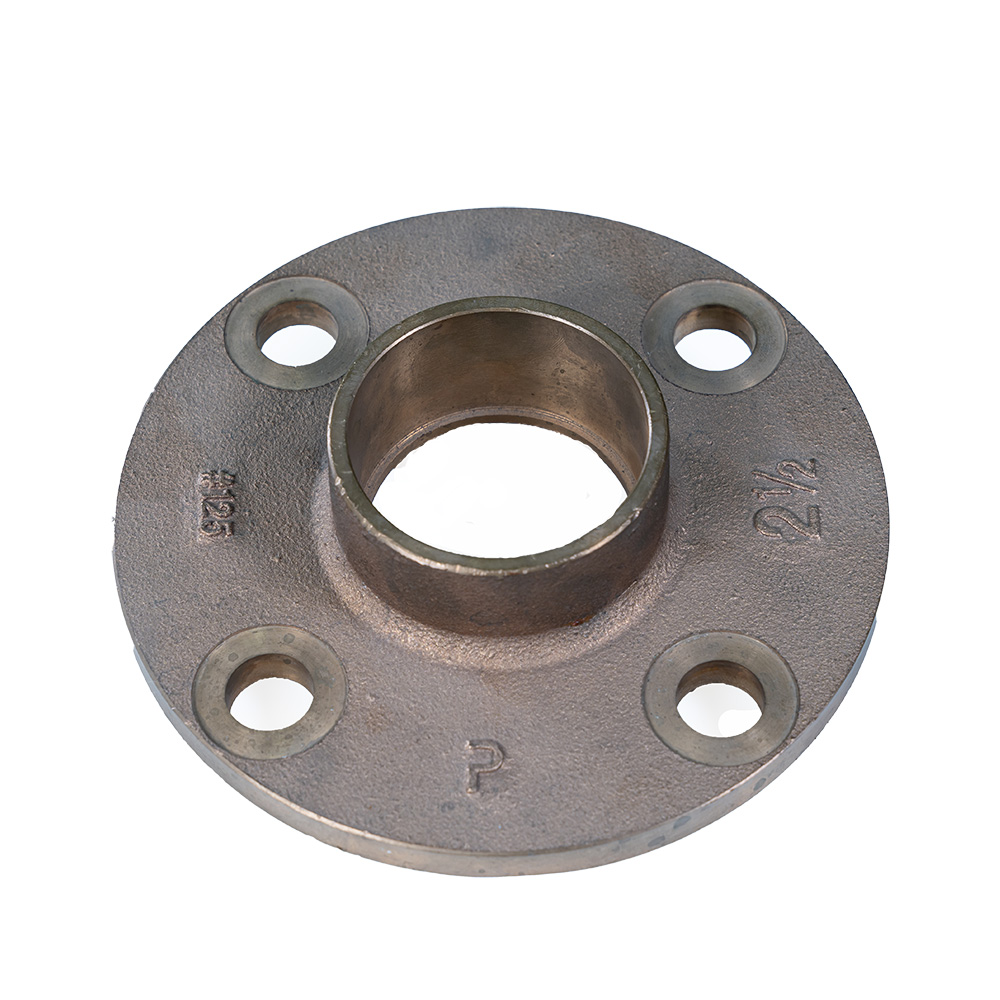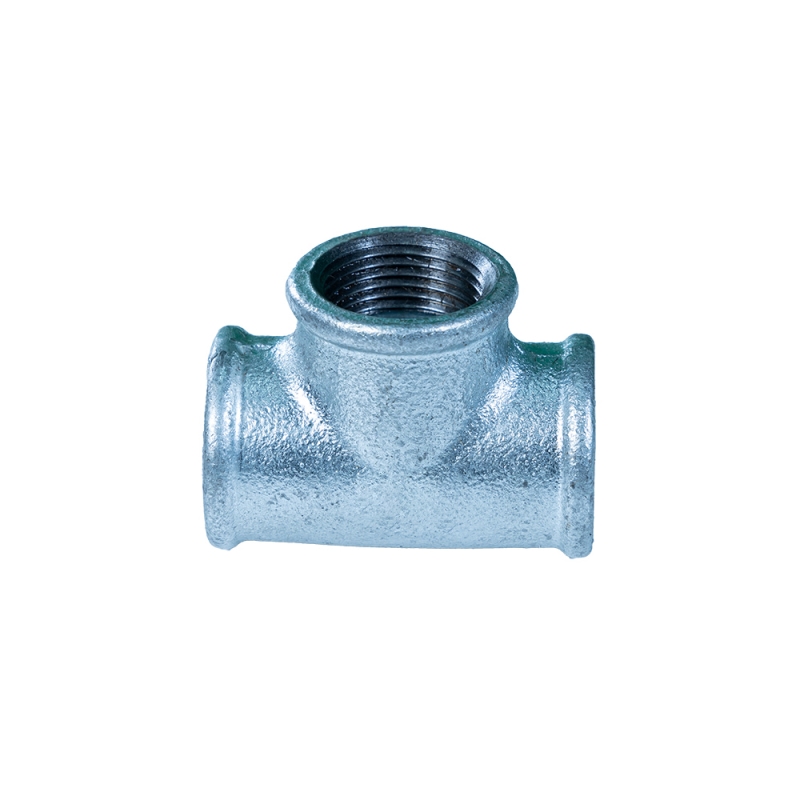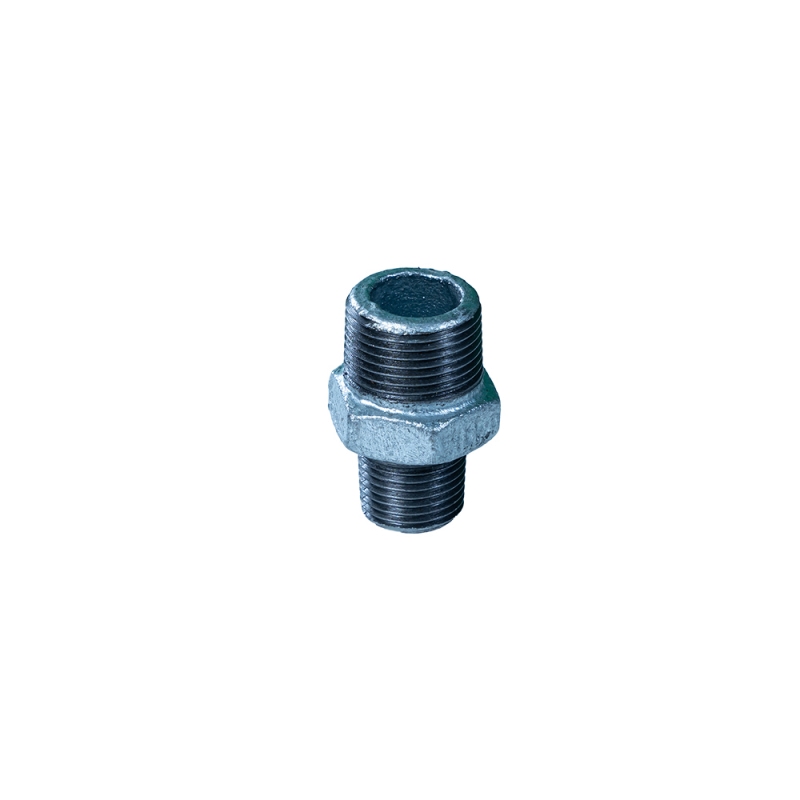

Understanding the 8mm 15mm Reducer: A Small Part with a Big Role
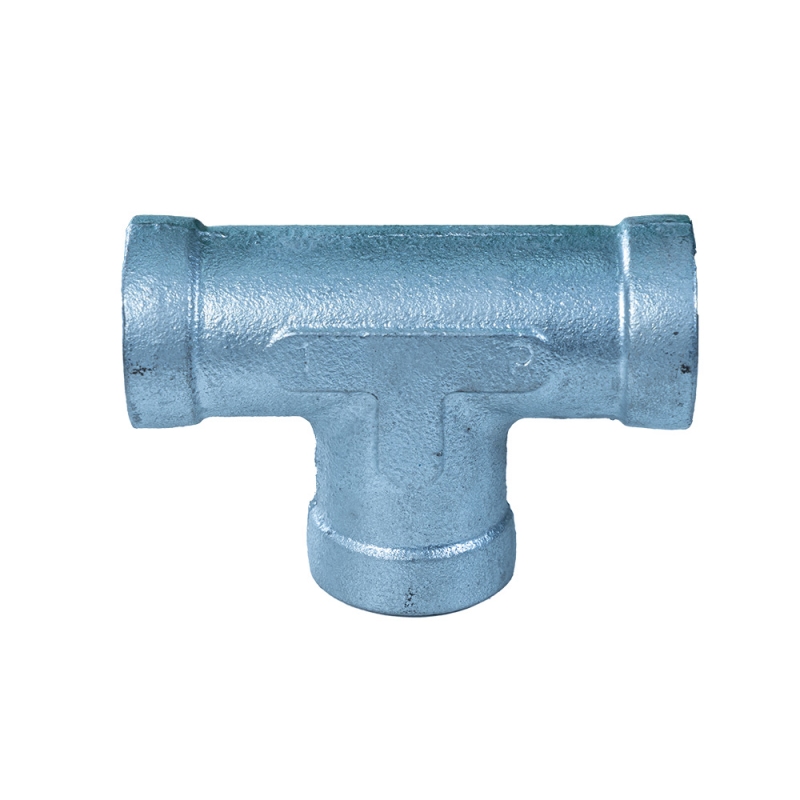
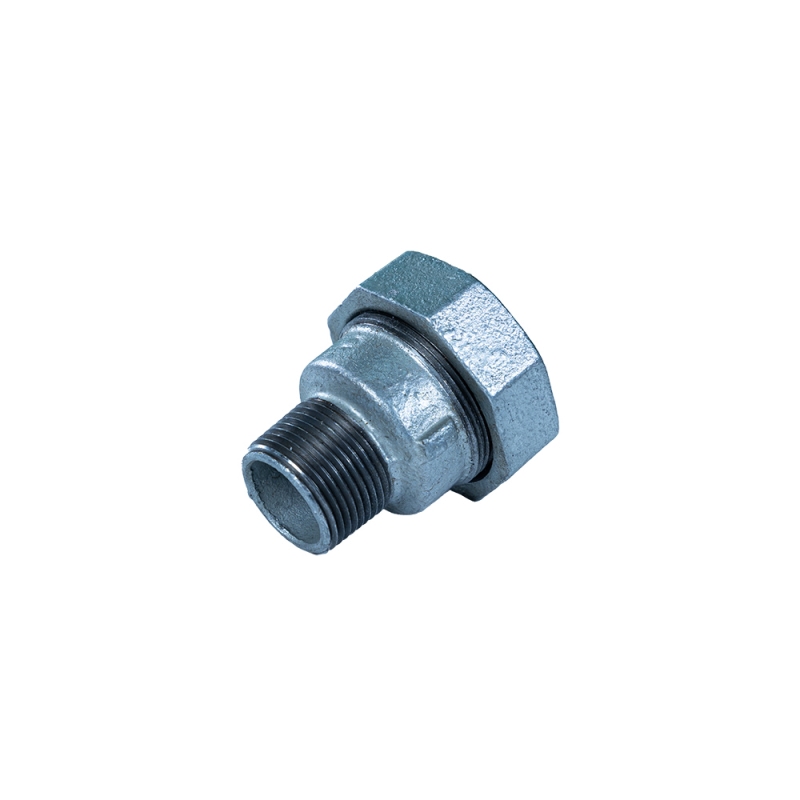
Having spent well over a decade in the industrial equipment sector, I can tell you one thing for sure: it’s often the smallest components, like an 8mm 15mm reducer, that quietly keep entire systems running smoothly. At first glance, it seems like a simple pipe fitting designed to transition between two different bore sizes — 8 millimeters to 15 millimeters — but in real terms, this small piece plays a surprisingly big role in fluid dynamics, system efficiency, and even safety.
Oddly enough, many newcomers to industrial assembly underestimate these reducers, thinking all fittings are pretty much the same. But, frankly, precision matters here. Choosing the right reducer can reduce turbulence and pressure loss, which in turn helps extend the working life of pumps and valves downstream. That’s not just theory; I’ve seen systems where swapping out generic parts for a high-quality 8mm 15mm reducer cut maintenance hassles by a good margin.
In my experience, the most reliable 8mm 15mm reducers are typically made from brass, stainless steel, or sometimes hardened aluminum alloys. Brass remains a favorite for its corrosion resistance and ease of machining, plus it handles pressure well in most pneumatic and hydraulic setups. Stainless steel versions often come into play where chemical exposure or higher pressures are a concern — common in food processing plants or chemical manufacturing.
Testing and certification are also worth mentioning here. Industry standards like ISO 9001 and ASTM specifications often back trustworthy suppliers. You want to know exactly what your reducer can withstand, especially when working with sensitive fluids or gases. I remember one particular project where certification data made all the difference in selecting between two components; the right reducer prevented serious downtime when the system ramped up to higher flow rates.
| Specification | Details |
|---|---|
| Material | Brass / Stainless Steel / Aluminum alloy |
| Size (Inlet / Outlet) | 8mm / 15mm |
| Pressure Rating | Up to 16 Bar (depends on material) |
| Temperature Range | -20°C to 120°C |
| Certifications | ISO 9001, ASTM compliant |
Now, about vendors — picking the right supplier feels like half the battle. You may find many options online but quality and consistency aren’t guaranteed across the board. From my experience advising industrial buyers, it pays to compare. Below, you’ll find a quick comparison highlighting pricing, material options, availability, and customer service for three popular suppliers.
| Vendor | Price Range (USD) | Material Options | Stock Availability | Customer Service |
|---|---|---|---|---|
| PanNext Fittings | $1.50 - $3.00 / piece | Brass, SS | High | Responsive, knowledgeable |
| Industrial Supply Co. | $1.20 - $2.50 / piece | Brass only | Moderate | Standard support |
| Alpha Components | $1.75 - $3.50 / piece | SS, Aluminum | Low | Limited hours |
I recall one job where we had a critical rebuild of a pneumatic system, and ordering the 8mm 15mm reducer from PanNext Fittings made a huge difference. The parts arrived fast, matched specifications perfectly, and their customer support helped troubleshoot a minor sizing concern before shipping. Those things add up when downtime costs are measured in thousands of dollars per hour.
Also worth a mention: customization. Some manufacturers will supply reducers with custom lengths, thread types, or surface finishes. Frankly, if your system has unique demands, it’s often better to talk directly with suppliers who can accommodate those tweaks. I’ve always found that a quick email or call saves hours of headache later.
So, if you’re on the hunt for a solid 8mm 15mm reducer, remember: quality over just price, certifications over “maybe,” and vendor support over fast checkouts. Tiny part, big impact.
Takeaway? That small fitting might just be the unsung hero of your pipeline.
References:
1. ISO 9001 Quality Management Standards, ISO.org
2. ASTM Fittings Specifications, ASTM International
3. “Industrial Fittings & Reducers,” Machinery Lubrication Magazine, 2019
Post time: Jan-01-2026