
Why the 1 1/2 to 1/2 Reducer Coupling Is a Quiet Workhorse in Industrial Fittings
After spending more than a decade in the trenches of the industrial equipment sector, I can tell you: not all pipe fittings get the appreciation they deserve. Take the 1 1/2 to 1/2 reducer coupling — it’s one of those unsung heroes that quietly keeps things flowing in thousands of plants worldwide.
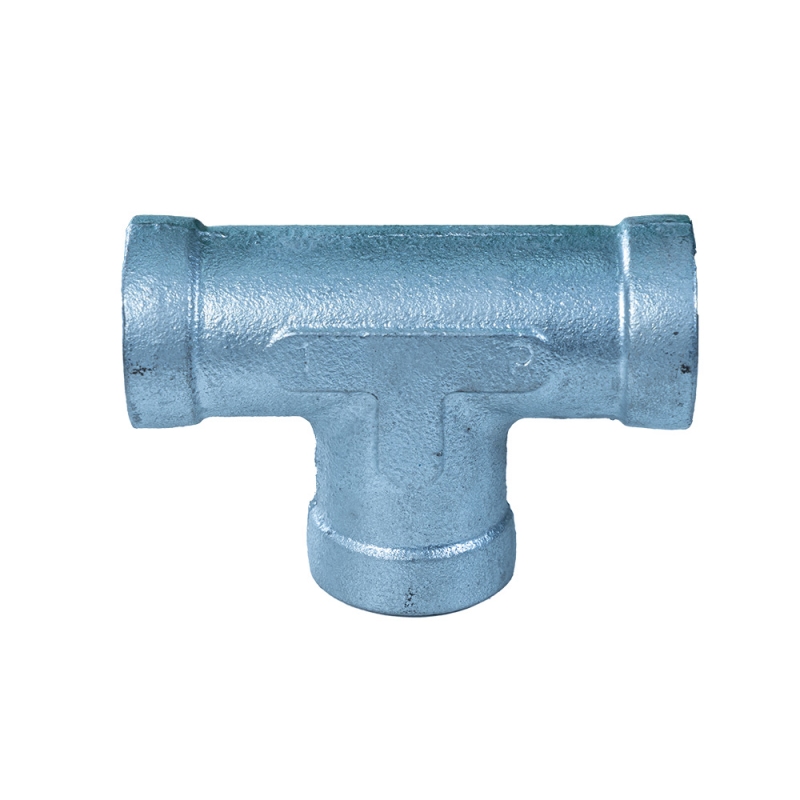
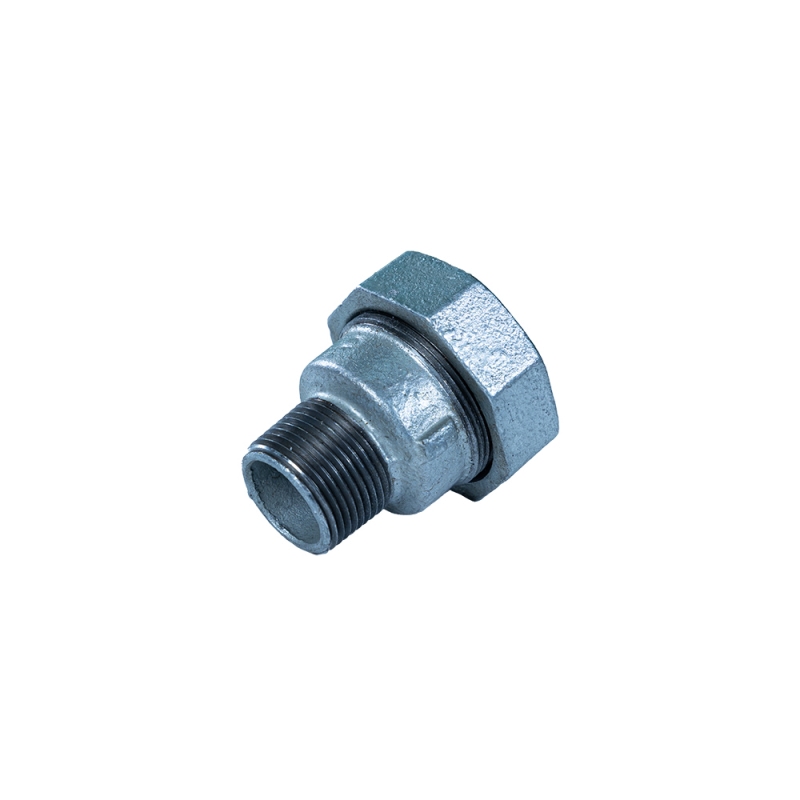
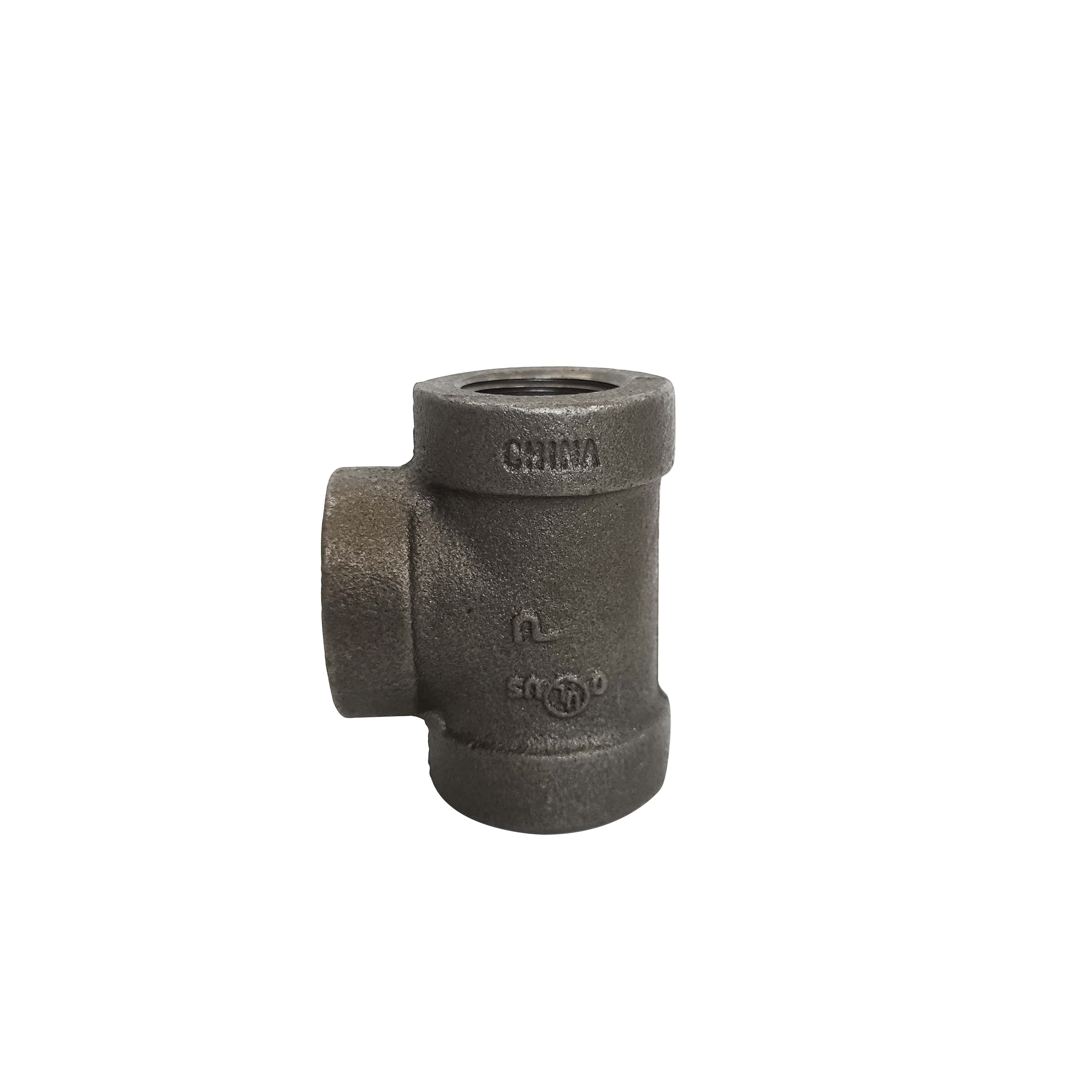
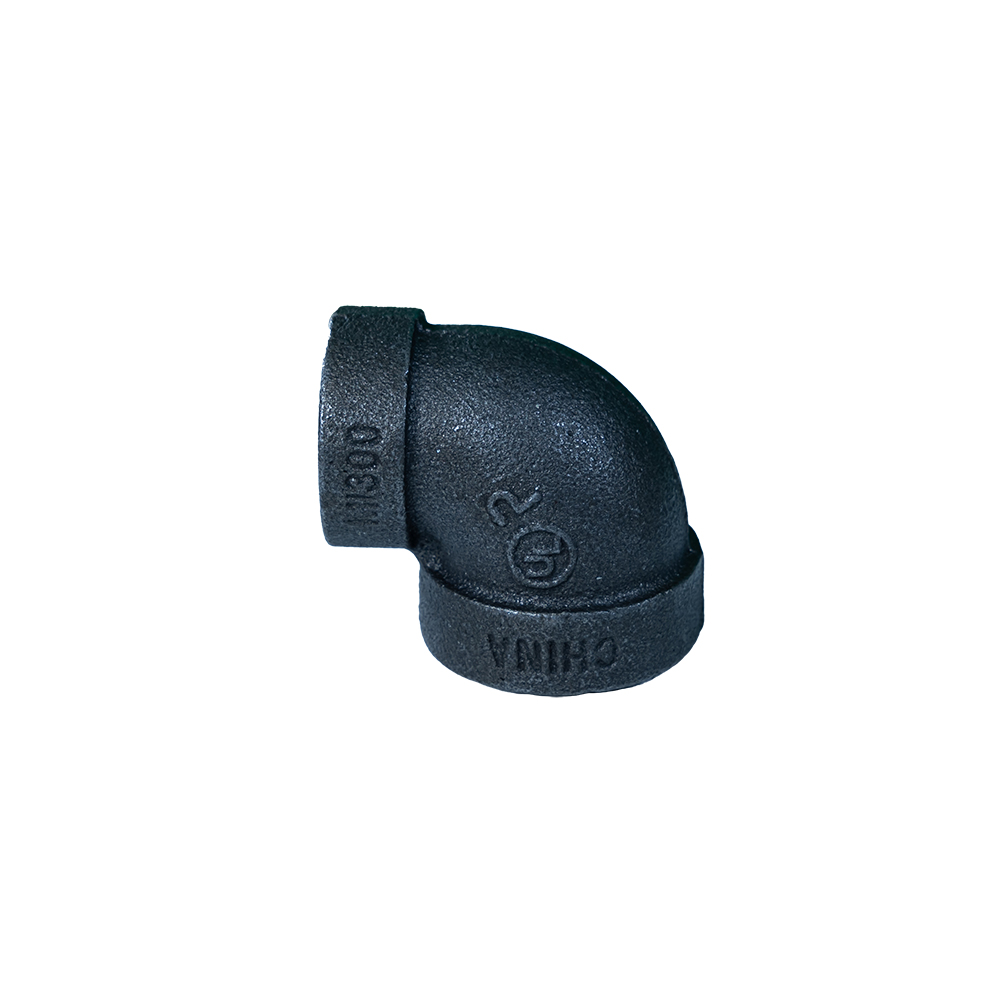
So, what’s the big deal with this seemingly simple piece of hardware? Well, its job is to connect pipes of differing diameters — specifically from 1 1/2 inches down to 1/2 inch — ensuring a leak-proof, secure transition between two sections. Sounds straightforward, right? But that’s where the devil is in the details.
Frankly, I’ve lost count of how many times a poorly made reducer coupling caused major headaches on site — fluctuating pressure, unexpected downtime, even safety risks. That’s why material quality and precise design standards really matter here. Most reliable couplings are forged from stainless steel or malleable iron, which resist corrosion and handle varying pressures above industry-standard ratings.
Oddly enough, while standard specs are pretty consistent, customization options can vary widely. Some manufacturers offer special coatings or threading options adapted to specific industrial use-cases — think chemical plants vs. food processing facilities. I recall a project where quick turnaround was needed, and custom reducer couplings with NPT threads saved the day, fitting existing pipe runs without extra modifications.
| Specification | Details |
|---|---|
| Material | Stainless Steel 304/316 or Malleable Iron |
| Connection Type | NPT Threaded / BSP Threaded |
| Working Pressure | Up to 3000 PSI (depending on material) |
| Temperature Range | -20°F to 400°F (-29°C to 204°C) |
| Standards Compliance | ANSI, ASTM, ISO certified options |
It's also worth mentioning the testing phases these couplings endure before leaving the factory floor. Hydrostatic testing, torque checks, threading standards — these aren’t just boxes to tick but real quality controls that translate into reliability once installed. Many engineers I talk to swear by products from vendors with rigorous testing protocols because they reduce call-backs and replacements dramatically.
| Vendor | Material Options | Certifications | Customization | Lead Time |
|---|---|---|---|---|
| PanNext Fittings | SS 304/316, Malleable Iron | ANSI, ASTM, ISO | Custom threads and coatings | 2-3 weeks |
| Generic Industrial Supply | Cast Iron, SS 304 | ANSI only | Limited | 4-6 weeks |
| FastFit Solutions | SS 316, Brass | ISO Certified | Moderate options | 1-2 weeks |
I also have a soft spot for vendor responsiveness. Once, during an emergency repair, PanNext Fittings delivered custom couplings at short notice, which kept a critical production line running without costly downtime. It’s that kind of service and quality that makes a difference on the ground.
In real terms, choosing the right 1 1/2 to 1/2 reducer coupling means fewer leaks, less maintenance, and more peace of mind. It might not be glamorous, but it’s a linchpin piece in piping networks — a silent guardian in industrial workflows.
So next time you see a tiny reducer coupling, you might just smile knowing what it’s really holding together beneath the surface...
References:
1. ANSI/ASME B1.20.1 Standards,
2. ASTM A47 for Malleable Iron,
3. ISO 9001 Quality Management Systems – International Organization for Standardization.
Post time: Dec-03-2025