
The Silent Power Behind Gas Infrastructure: Black Gas Pipe Fittings Explained
At first glance, black gas pipe fittings might seem like just another technical component tucked away beneath our cities and homes. Yet, understanding their role unlocks insights into global energy access, infrastructure safety, and even humanitarian aid. As the world leans increasingly on natural gas—and later, green gas alternatives—the humble black fitting ensures pipes connect seamlessly, safely, and reliably. In real terms, these fittings mean energy flows steadily, industries keep running, and homes stay warm without leaks or hazards. So, why exactly do black gas pipe fittings matter on a global scale? Let’s unpack these quietly critical connectors.
Global Context: Why Black Gas Pipe Fittings Are More Important Than Ever
The UN reports that as of 2023, nearly 3 billion people still lack access to clean and reliable energy sources, with natural gas playing a crucial transitional role.[1] Around 40% of the world’s gas transportation infrastructure employs steel pipe systems where black gas pipe fittings come into play. These fittings ensure durable joints in networks that can span thousands of kilometers—often across challenging terrains. Increasing urbanization and the energy transition amplify the need for robust gas pipe infrastructure while reactions to climate change accelerate material innovations.
But here’s a challenge: joint failures in gas piping can lead to leaks, downtime, or worse, accidents. The use of black gas pipe fittings — designed specifically to withstand pressure, corrosion, and thermal stresses — addresses this problem head-on.
Mini takeaway: Black gas pipe fittings aren’t just parts; they’re essential safety and performance components holding today’s—and tomorrow’s—gas infrastructure together.
What Exactly Are Black Gas Pipe Fittings?
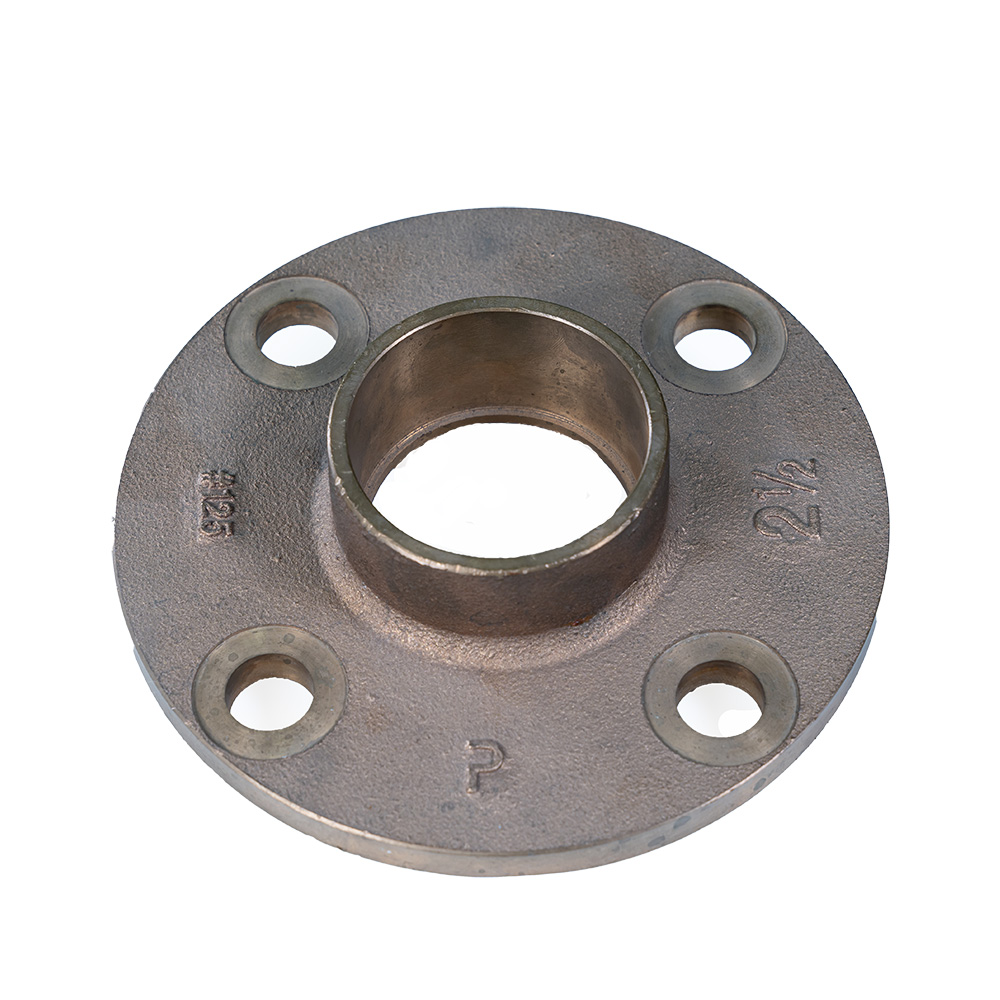
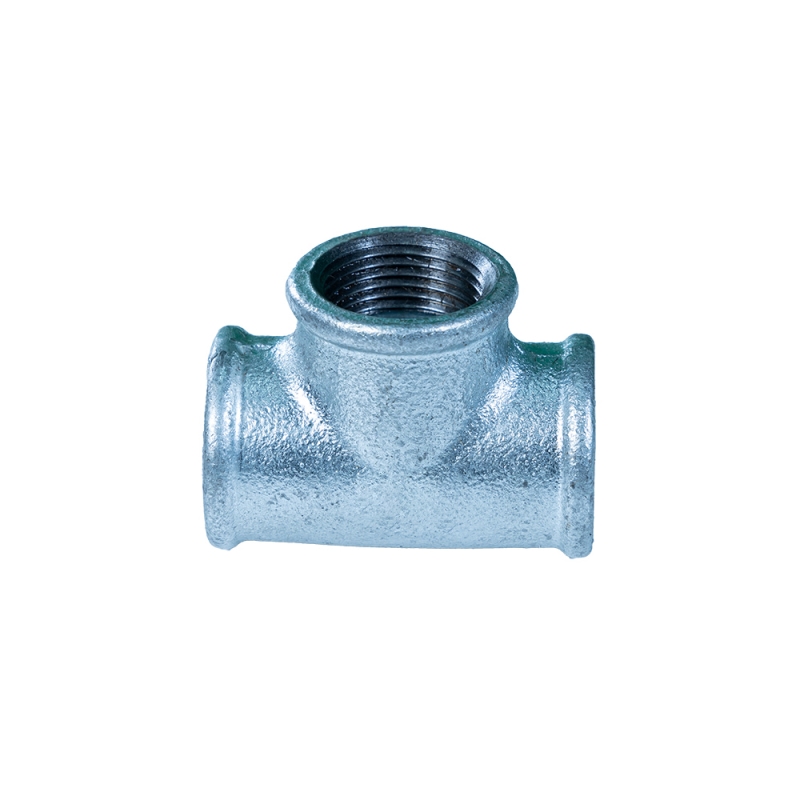
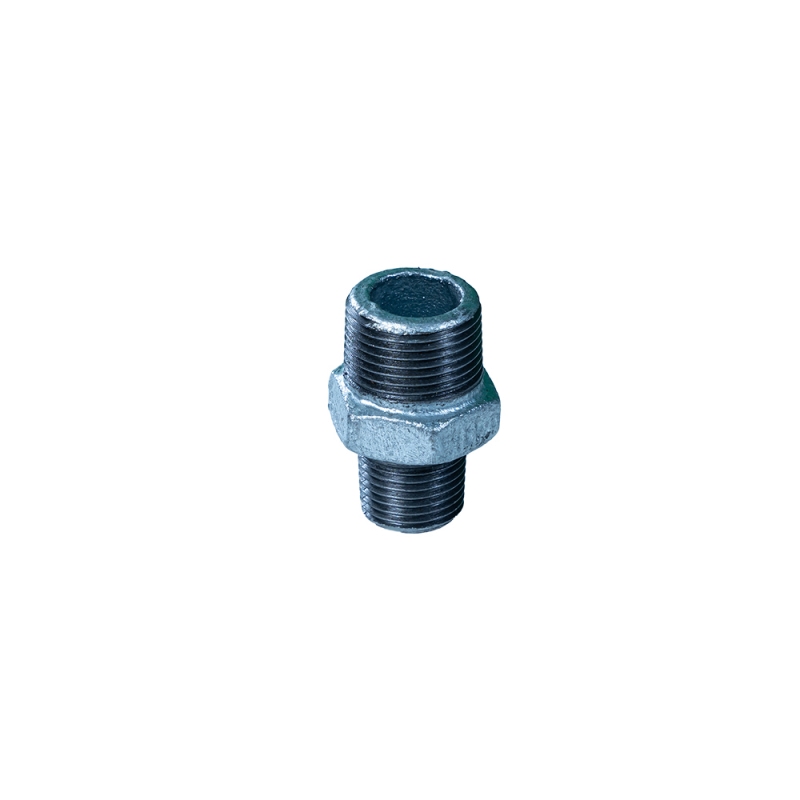
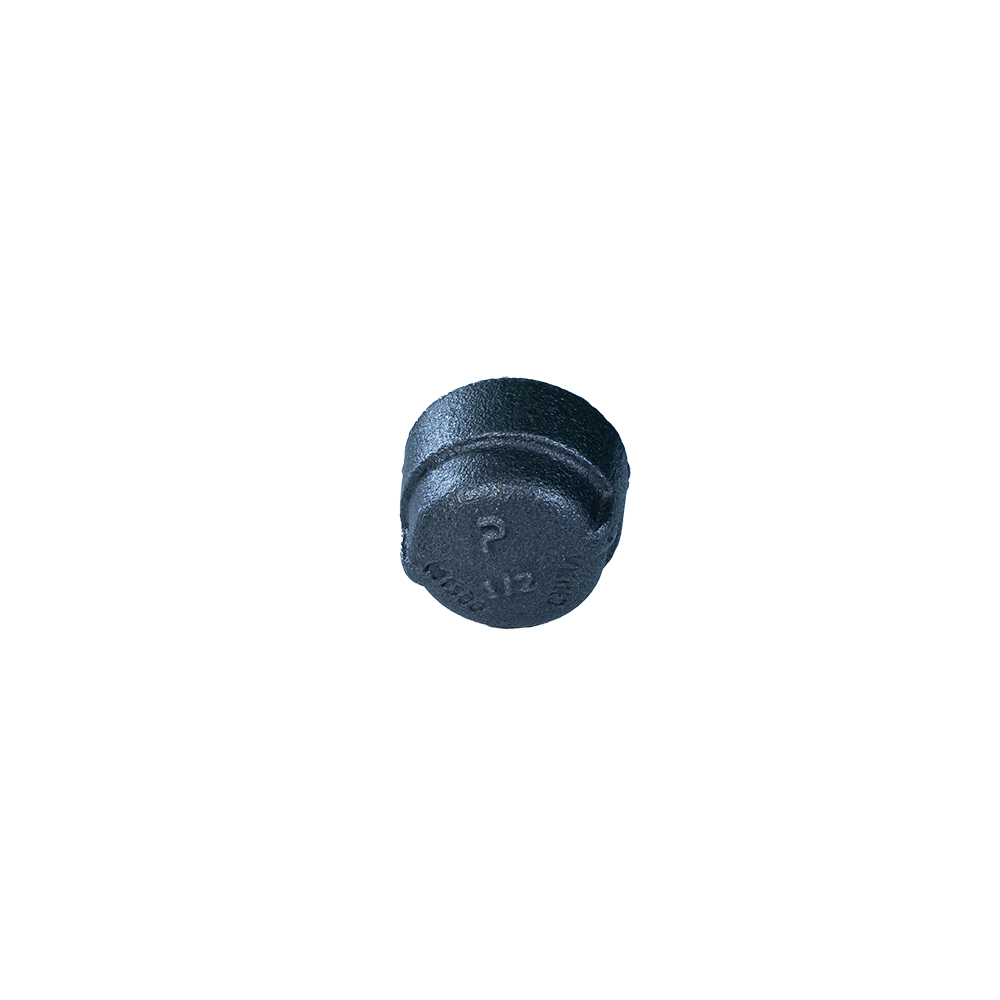
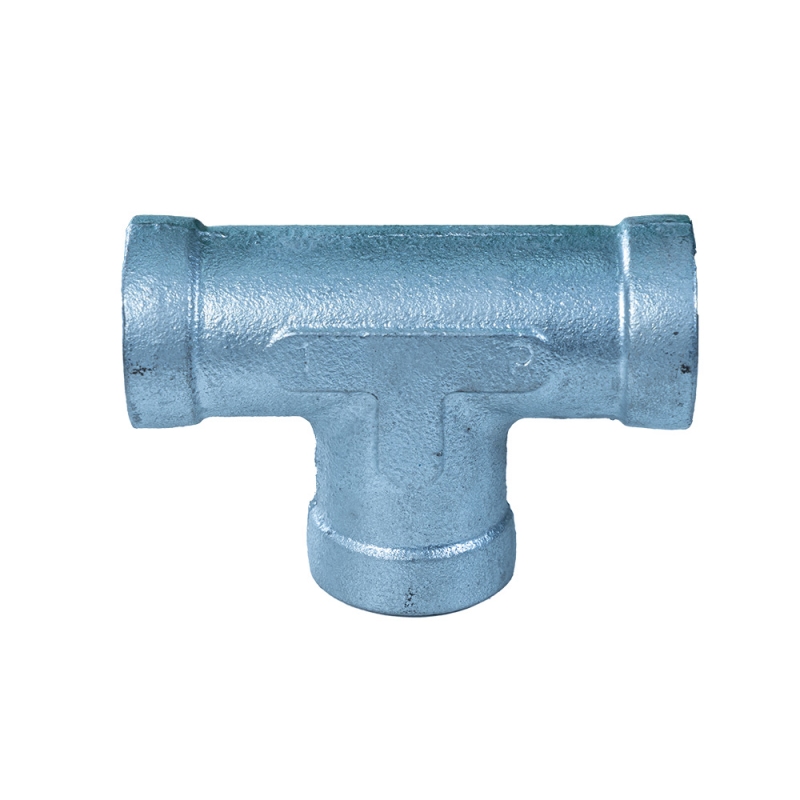
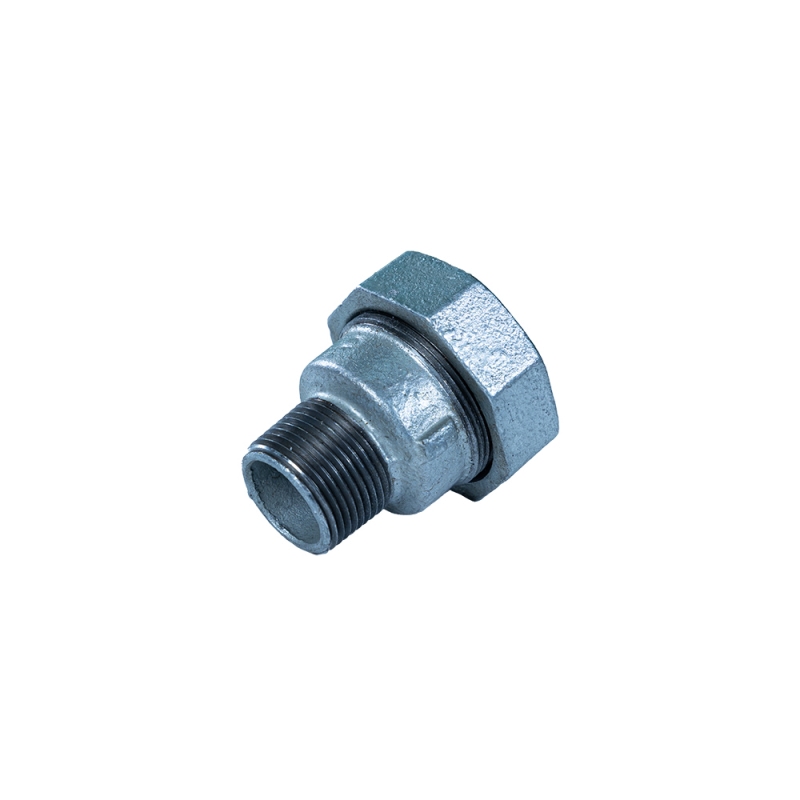
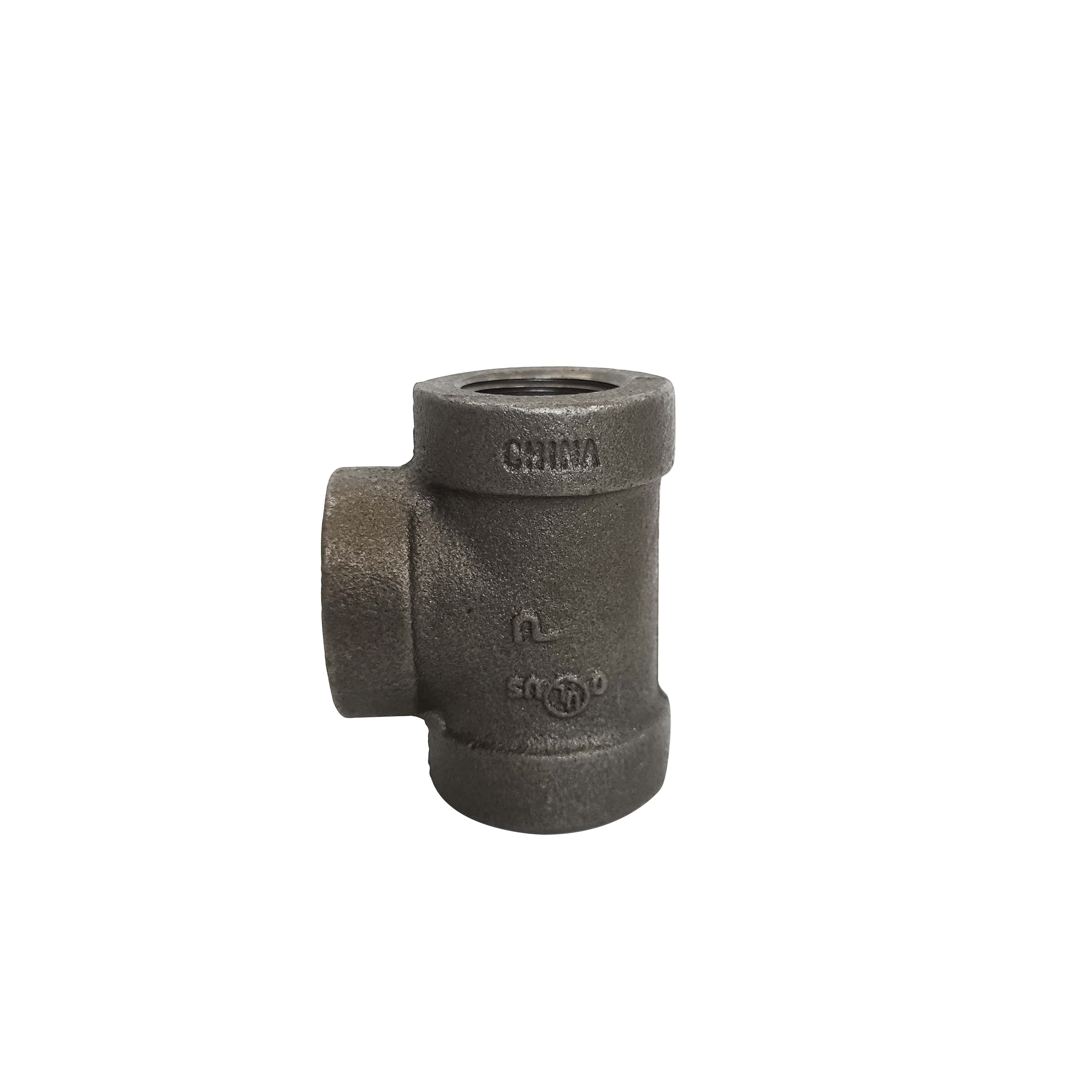
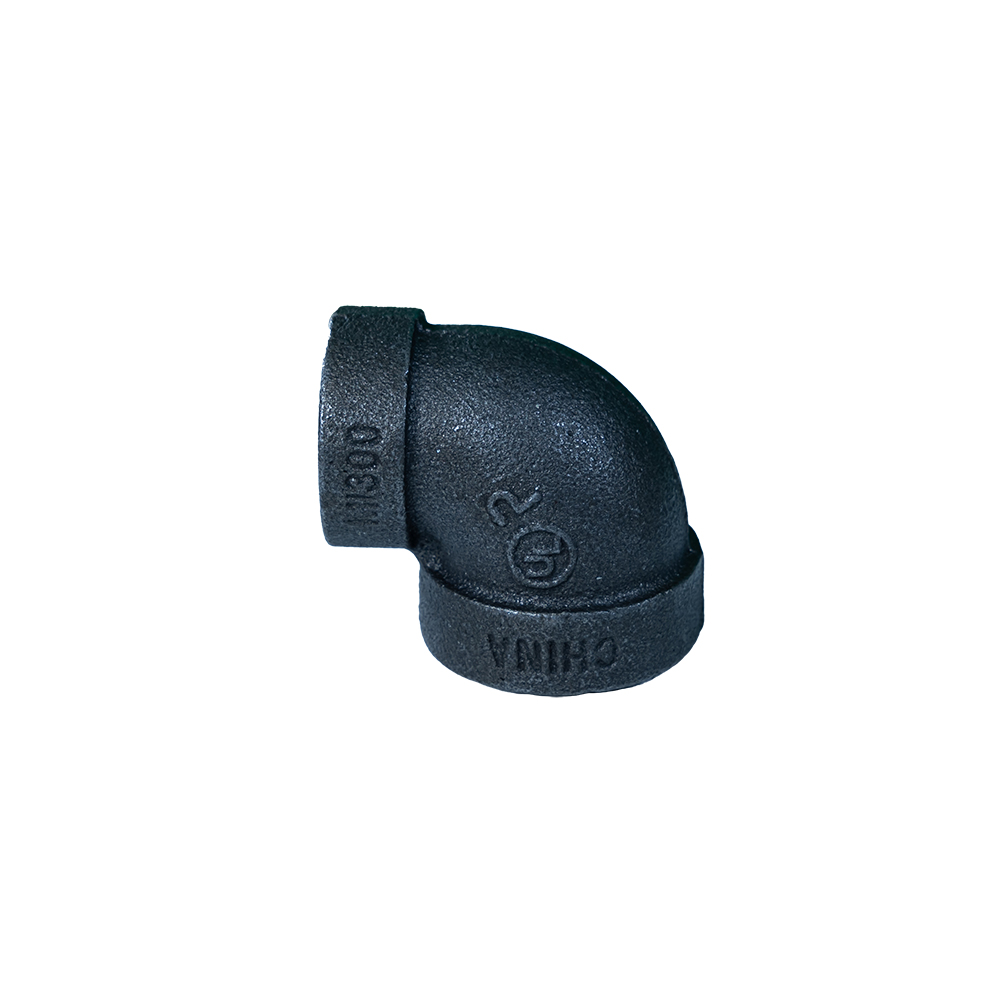
Simply put, black gas pipe fittings are the connectors and adapters used to join sections of black steel pipes designed for gas distribution. The “black” refers to the steel’s dark, uncoated surface—though sometimes painted or treated to resist rust. Unlike PVC or copper, black steel excels in high-pressure scenarios, making it a staple in industrial and municipal gas networks. These fittings come in various shapes—elbows, tees, couplings—to redirect or branch pipes ensuring optimal flow and flexibility.
In broader terms, these fittings make modern industry possible. Think about the factories needing stable fuel supply or the communities relying on uninterrupted gas heating. In humanitarian contexts—like sudden disaster relief—modular black gas piping enables quick restoration of energy services. So the connection is clear, black gas pipe fittings align with both industrial progression and essential human needs.
Core Components and Key Features of Black Gas Pipe Fittings
Durability and Strength
One of the standout features is their superior tensile strength. Black steel, combined with precise welding or threading in the fittings, withstands high pressures (often upwards of 300 psi). That durability is what makes these fittings ideal for long-term installations under harsh conditions.
Corrosion Resistance
Oddly enough, while black steel isn’t naturally rust-proof, many fittings feature anti-corrosive coatings or galvanizing options. This is crucial when the pipeline traces humid or underground routes, preventing degradation and leaks over decades.
Ease of Installation and Maintenance
Compared to alternatives, black gas pipe fittings often allow for quick assembly via threading or welding—something contractors value highly to keep projects on schedule. And when maintenance is needed, these fittings’ modular nature means specific sections can be replaced without major disruption.
Compatibility and Versatility
The fittings come standardized (often ANSI or ISO-approved) in sizes and threading styles that ensure compatibility with industry-grade black pipes worldwide—a global language of sorts in piping maintenance.
Cost Efficiency
While black steel fittings aren’t the cheapest upfront versus PVC, their lifespan and durability translate to lower life-cycle costs, particularly in critical infrastructure where safety and reliability trump mere price tags.
Mini takeaway: From durability to ease of maintenance, black gas pipe fittings offer a balanced mix of qualities that make them indispensable for gas distribution.
Global Applications: Where Black Gas Pipe Fittings Make the Difference
- Urban Gas Networks: Cities in North America and Europe have intricate natural gas grids relying on black steel pipes joined with black gas pipe fittings. These supply heating and cooking gas to millions.
- Industrial Zones: Heavy industries—from refineries to manufacturing plants—use black pipe systems with specialized fittings to transport gases safely under pressure.
- Remote and Developing Regions: In areas lacking infrastructure, NGO-led projects employ modular black gas piping to bring clean energy quickly and safely.
- Disaster Relief: Following earthquakes or floods, rapid deployment of gas pipelines using prefabricated black gas pipe fittings can restore energy access faster than rebuilding entire infrastructure.
For instance, during relief efforts in Southeast Asia after typhoons, modular black gas pipe fittings allowed workers to configure temporary pipeline segments swiftly, preventing prolonged outages. You don’t often hear about these details, but it’s these connectors that help keep life humming.
Advantages & Long-Term Value of Using Black Gas Pipe Fittings
Beyond pure functionality, the benefits are multi-layered:
- Safety and Reliability: Leak-free connections help protect communities and workers.
- Longevity: When installed correctly, systems last for decades, reducing replacement costs and minimizing environmental disruption.
- Environmental Responsibility: Preventing gas leaks directly reduces greenhouse gas emissions.
- Economic Value: Stable energy delivery supports economic activities and social wellbeing.
On a more emotional level, these fittings symbolize trust—trust that your family’s heating won’t suddenly fail in winter, that industrial plants won’t shut unexpectedly, and that energy projects all over the planet remain dependable.
Looking Ahead: Trends and Innovations in Black Gas Pipe Fittings
In an era eager for greener and smarter technologies, black gas pipe fittings are evolving too:
- New Coatings and Materials: Carbon-fiber composites and improved galvanizing promise lighter yet stronger fittings.
- Digitally Integrated Systems: Sensors embedded near fittings to detect pressure changes and leaks in real-time.
- Standardization Efforts: International bodies like ISO are refining standards to ensure compatibility with emerging green gas blends such as biomethane.
- Automation in Manufacturing: Precision robotic welding reduces human error and improves joint integrity.
These innovations hint at a future where black gas pipe fittings aren’t just passive connectors but active, smart components of an intelligent energy grid.
Common Challenges and How Manufacturers Are Addressing Them
Let’s be honest, issues like corrosion, mechanical failure at joints, or procurement delays still plague pipelines. But many vendors now offer:
- Advanced Protective Coatings: Tackling corrosion head-on.
- Modular Design Improvements: Simplifying maintenance by allowing easier part swaps.
- Quality Assurance Testing: Using ultrasonic and pressure tests to catch defects early.
Ultimately, supplier relationships matter as much as product specs—more on that shortly.
FAQ: Frequently Asked Questions About Black Gas Pipe Fittings
- Q1: How do black gas pipe fittings prevent leaks?
- A1: The fittings use either threaded or welded joints designed to create tight seals. Threaded fittings have precise threading, often tapered, so when tightened, they lock sealing surfaces tightly. Welded fittings, meanwhile, rely on heat-joined metal bonds, which are even more leak-resistant, especially under pressure.
- Q2: Can black gas pipe fittings be used outdoors in harsh climates?
- A2: Absolutely. Most black steel fittings intended for outdoor use are treated with anti-corrosion coatings and sometimes galvanized. Nevertheless, routine inspections and maintenance help prevent rust and prolong service life.
- Q3: How do I choose the right size for my installation?
- A3: Size depends on pipe diameter and system pressure requirements. Consult manufacturer catalogs or technical standards (like ANSI B16.3) and consider consulting pipeline engineers to ensure compatibility and safety.
- Q4: Are black gas pipe fittings compatible with LPG or other gases?
- A4: Yes, these fittings are generally suitable for natural gas, LPG (liquified petroleum gas), and some industrial gases, but always verify chemical compatibility and pressure ratings for your specific application.
- Q5: How can an NGO import these fittings internationally?
- A5: Most manufacturers have global distribution networks and can assist with export documentation. It helps to work with suppliers experienced in international logistics and certified to relevant standards to ensure smooth customs clearance.
Product Specification Table: Typical Black Gas Pipe Fitting
| Feature | Specification | Comment |
|---|---|---|
| Material | Black Carbon Steel (grade API 5L X42) | Industry-standard for gas piping |
| Connection Type | Threaded or Butt Welded | Depends on application |
| Pressure Rating | Up to 300 psi | Suitable for medium to high pressure |
| Coating | Galvanized or Black-Oxide | Corrosion resistance |
| Standard Compliance | ANSI B16.3 / ISO 9001 Certified | Ensures quality & compatibility |
Vendor Comparison Table: Leading Black Gas Pipe Fitting Suppliers
| Supplier | Material Quality | Global Reach | Price Range | Customization Options |
|---|---|---|---|---|
| Pannext Fittings | Premium API 5L X52 | Worldwide (60+ countries) | Mid-to-High | Tailored coating & dimensions |
| GasTech Co. | Standard API 5L X42 | Regional (Europe, Asia) | Budget-Friendly | Limited |
| SteelWorks International | High-grade carbon steel | Global but select markets | Premium | Extensive, includes sensor integration |
For those interested in quality and reliability, black gas pipe fittings from trusted suppliers like Pannext Fittings offer peace of mind and proven track records.
Conclusion: Why Investing in Quality Black Gas Pipe Fittings Pays Off Long Term
In an age brimming with energy transitions and infrastructural demands, black gas pipe fittings stand as resilient, unsung heroes. Their blend of strength, versatility, and evolving technology keeps gas flowing safely from source to consumer in cities, industries, and hard-to-reach communities. Often overlooked, these fittings underpin everything from everyday home heating to critical industrial processes. Investing in quality—supported by trusted suppliers—isn't just a procurement choice; it’s a commitment to sustainable, safe, and future-ready energy infrastructure.
To explore top-grade black gas pipe fittings and discover solutions tailored to your projects, visit us at Pannext Fittings. Reliable connections start here.
Mini takeaway: Don’t underestimate the humble fitting—they’re the quiet connectors holding critical gas systems together worldwide.
References
Post time: Dec-01-2025