
Understanding the 4-Way Tee Pipe Fitting: Why It Matters Globally
If you’re navigating the complex world of piping and plumbing, the 4-way tee pipe fitting is one of those unsung heroes. This component is critical when you need to connect pipelines in four directions, offering versatility in industries that rely on complex fluid or gas transport systems. Globally, from urban water supplies to industrial factories, its role ensures efficient and dependable flow management.
Grasping the nuances of this fitting isn’t just about plumbing. It’s about understanding how infrastructure adapts to modern needs—whether it’s in sprawling megacities or temporary relief operations. And frankly, recognizing its benefits helps engineers, supply chain professionals, and humanitarian workers deploy smarter, faster, and safer systems.
The Global Context: Why 4-Way Tee Pipe Fittings Are Essential
Globally, infrastructure investment hits trillions annually. According to the World Bank, reliable water and gas distribution pipelines are vital to urban development, accounting for efficient resource use and safety. The 4-way tee pipe fitting plays a strategic role here, allowing fluid networks to branch or merge with minimal interruption.
However, challenges abound. Rapid population growth pressures water sanitation systems worldwide. ISO standards push for more durable materials. Industrial complexes demand fittings that sustain high pressures and corrosive chemicals. The challenge? Components like the 4-way tee must be both versatile and robust while being cost-effective to manufacture and install. It’s kind of the linchpin of modern piping design.
Defining the 4-Way Tee Pipe Fitting
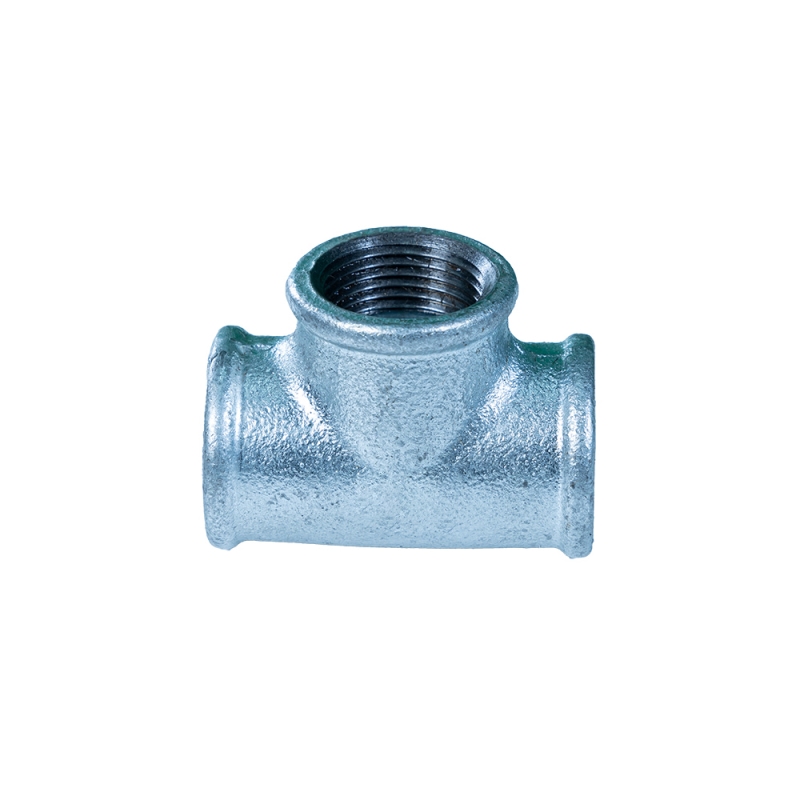
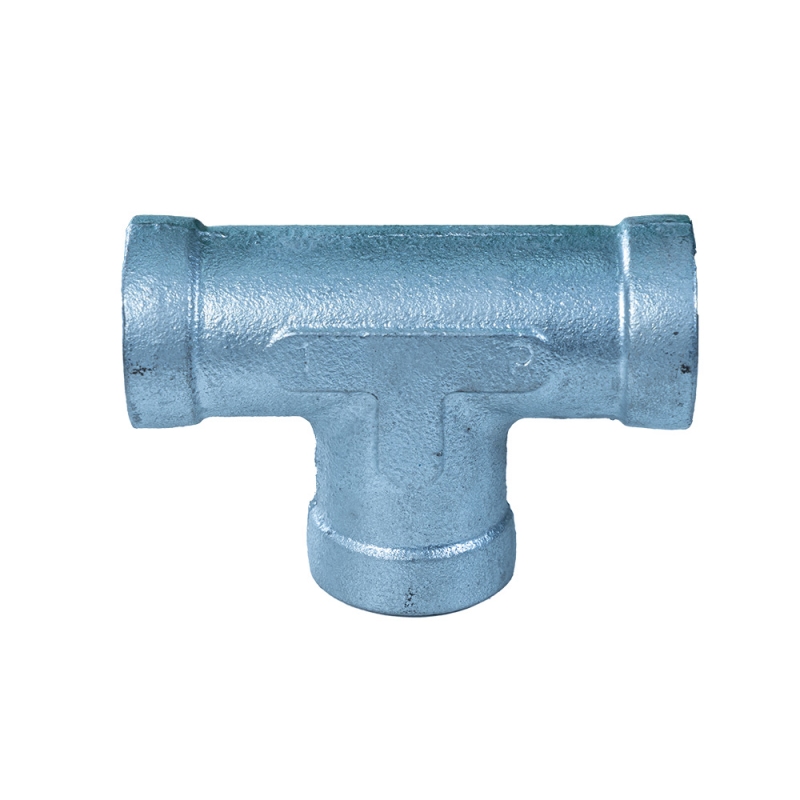
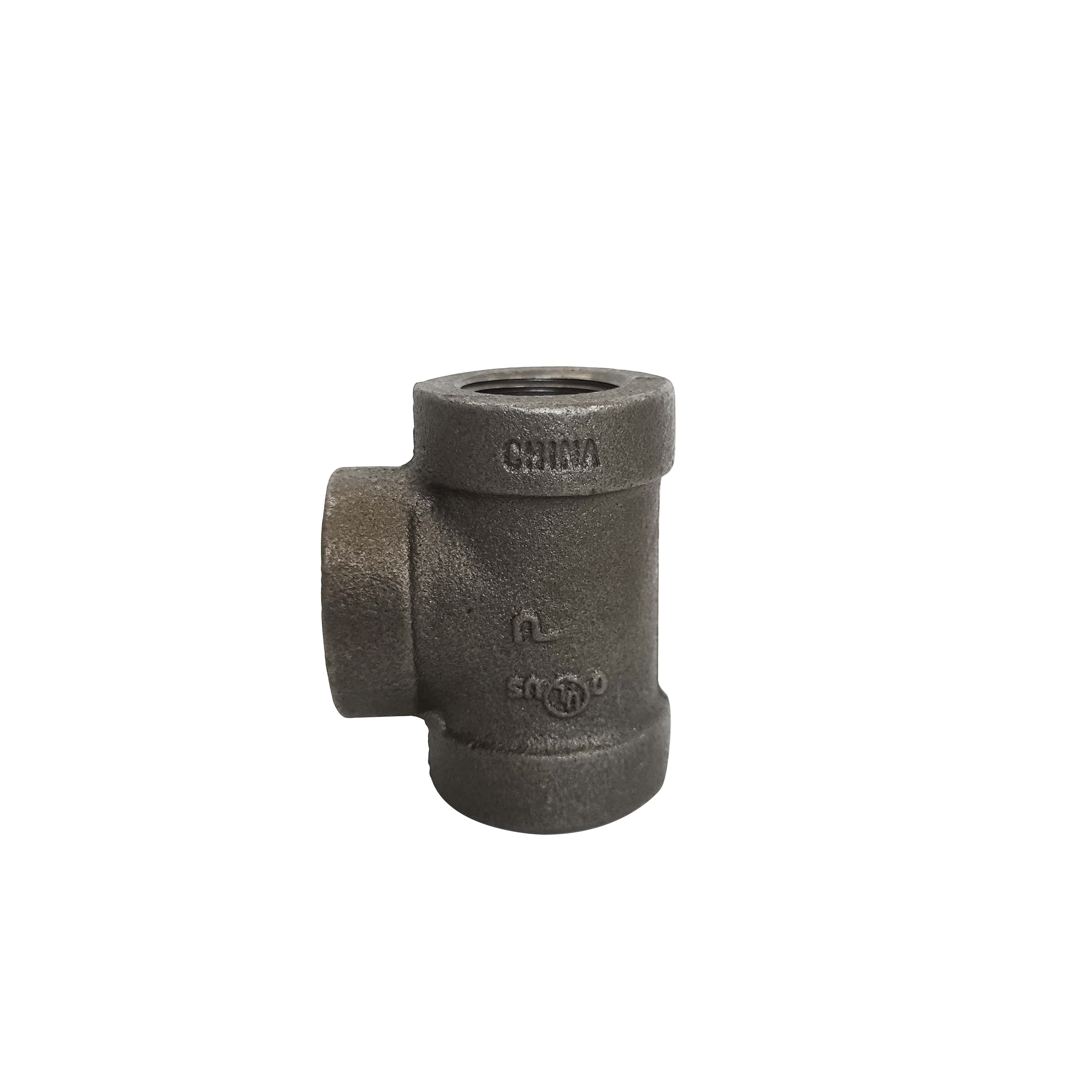
Simply put, a 4-way tee pipe fitting is a connector piece that joins four pipes at intersections, shaping a plus sign (“+”). It allows fluid or gas to flow through multiple directions simultaneously or to distribute evenly among pipelines. Think of it as a traffic roundabout for fluids—keeping the flow moving, diverting, or converging safely and reliably.
In modern industries, whether chemical plants or municipal water networks, such fittings ensure compact designs without complicated multiple joints, lowering failure chances. For humanitarian relief—like in emergency water distribution—they speed up deployment and reduce leaks.
Core Components & Key Factors That Influence Performance
1. Durability
The materials used—such as cast iron, stainless steel, or durable polymers—must withstand pressure, temperature variations, and corrosion. Many engineers point out that this aspect drastically reduces pipeline maintenance costs over decades.
2. Scalability
Because a 4-way tee fitting inherently supports multiple attachments, it’s great for systems expected to expand. It’s the “add-on-friendly” component of pipe configurations.
3. Cost Efficiency
Fewer fittings mean fewer leak points. Labor costs decrease thanks to simpler installation, and supply chains benefit from standardized components.
4. Pressure and Flow Management
Design matters a lot. A poorly engineered fitting restricts flow, causing pressure drops and operational headaches. Quality 4-way fittings have smooth internal transitions to minimize turbulence.
5. Compatibility
It’s crucial they fit seamlessly with existing pipe sizes and materials. Adaptability ensures no bottlenecks in updating infrastructure.
Mini takeaway: The 4-way tee fitting balances toughness, flexibility, and economy, making it a cornerstone of efficient piping systems worldwide.
Global Applications and Real-World Use Cases
From North America to Southeast Asia, these fittings are found in:
- Industrial plants: Chemical refineries rely on 4-way tees for complex transport of gases and liquids.
- Municipal water systems: Urban water grids use these fittings to distribute water reliably.
- Oil & Gas pipelines: Critical junction points demand high-grade fittings.
- Disaster relief operations: Emergency water distribution networks set up with modular pipe networks often use 4-way tee pipe fittings to rapidly build branching pipelines for camps and shelters.
- Remote industrial sites: Mining camps in deserts or Arctic regions use these connectors to optimize fuel and water distribution with minimal maintenance.
Oddly enough, these fittings also pop up in food and beverage processing, where sanitary design needs clever pipe routing without contamination risks.
Advantages and Long-Term Value of Using 4-Way Tee Pipe Fittings
Aside from being practical, these fittings offer:
- Cost savings: Reduced leak points slash repair bills over time.
- Environmental benefits: Minimizing pipe material and installation waste supports sustainable construction goals.
- Safety boosts: Strong, corrosion-resistant designs reduce rupture risk.
- Flexibility and innovation: Ability to quickly adapt pipeline networks fosters trust among engineers and operations managers.
It’s no small thing that a single pipe fitting type can sustain infrastructure reliability, improve worker safety, and save budgets over decades.
Product Specifications of a Typical 4-Way Tee Pipe Fitting
| Specification | Typical Value | Notes |
|---|---|---|
| Material | Stainless Steel 304 / Cast Iron / PVC | Varies by application and pressure rating |
| Size Range | 1/2" to 12" (DN15 to DN300) | Standardized sizes allow wide compatibility |
| Pressure Rating | Up to 3000 PSI (approx. 200 bar) | Depends on materials and manufacturing |
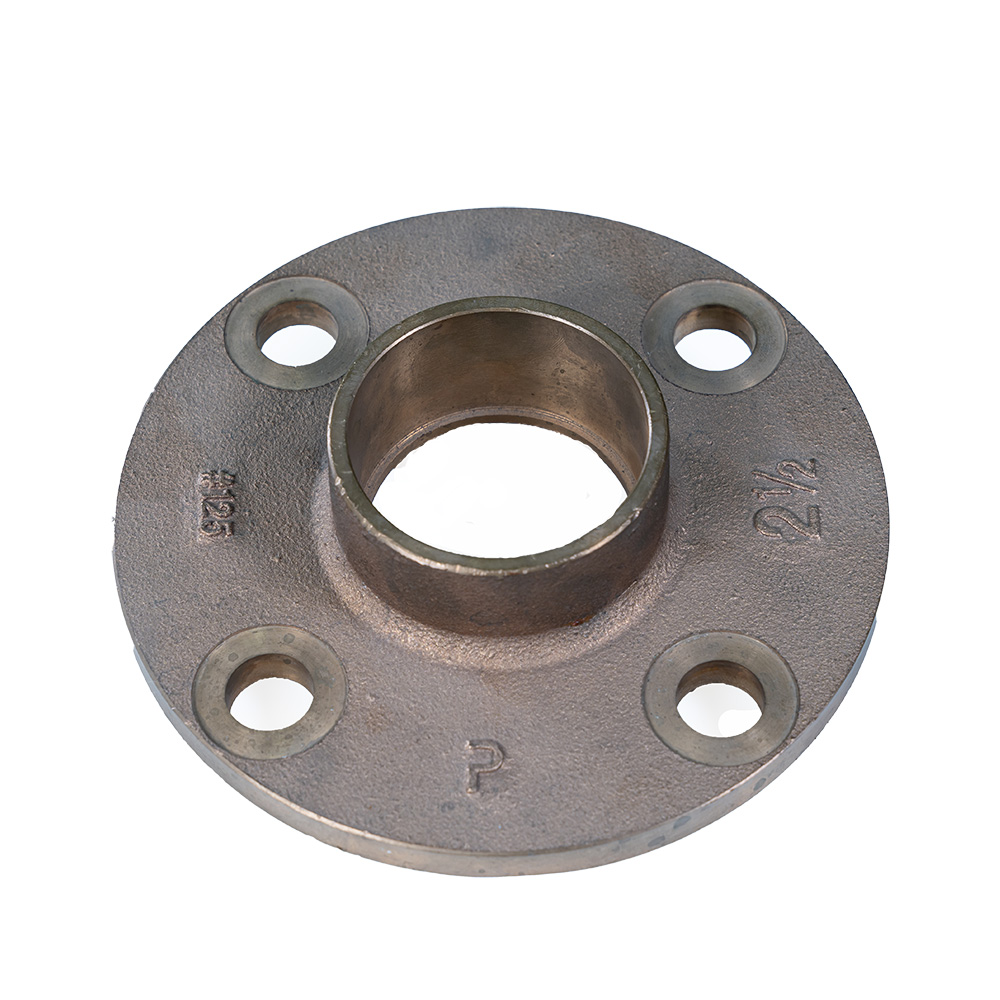
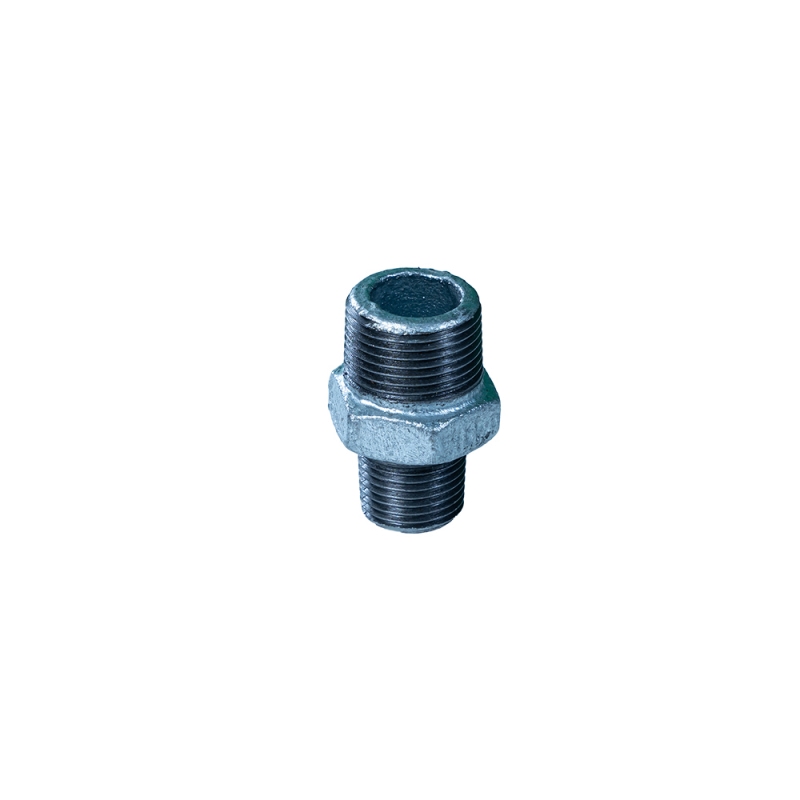
| Connection Type | Threaded / Welded / Flanged | Installation-specific choice |
| Temperature Range | -40°C to 250°C | Depends on material |
Comparing Top Vendors of 4-Way Tee Pipe Fittings
| Vendor | Material Options | Price Range (per fitting) | Lead Time | Special Features |
|---|---|---|---|---|
| PipeWorks Inc. | Stainless Steel, PVC | $25 - $100 | 2 weeks | Custom sizes, corrosion-resistant coating |
| GlobalFittings Co. | Cast Iron, Ductile Iron | $15 - $70 | 1 week | Standardized ranges, fast shipping |
| FlowTech Supplies | Stainless Steel, PVC, Brass | $30 - $110 | 3 weeks | Certification for industrial standards |
Future Trends & Innovations Surrounding 4-Way Tee Pipe Fittings
The piping industry is evolving. Innovations in materials like composite polymers and carbon fiber promise even lighter yet tougher fittings. Digital integration, such as embedding sensors inside fittings, is inching closer—allowing real-time flow and pressure monitoring.
Sustainability also takes center stage. Green manufacturing processes and fully recyclable fittings may soon become the norm. Smart cities aiming to reduce water loss see value in adaptive network components, and the humble 4-way tee is poised for upgrades too.
Challenges and How to Overcome Them
Despite advantages, some hurdles remain:
- Installation complexity: Four-way intersections can be bulky or tricky in tight spaces.
- Material fatigue: Under extreme stress, even the best fittings need replacement.
- Supply lead times: Custom-designed fittings may slow projects.
Experts recommend modular designs and pre-fabricated pipeline segments to ease installation. Also, advanced manufacturing like 3D casting reduces lead times and custom specs. Regular maintenance and condition monitoring extend service life.
FAQ: Your Practical Questions About 4-Way Tee Pipe Fittings
- Q: What materials are best for 4-way tee pipe fittings in corrosive environments?
- A: Stainless steel (especially grades like 316) and certain high-grade polymers are preferred due to corrosion resistance. Cast iron is less ideal in aggressive chemicals without protective coatings.
- Q: Can 4-way tee fittings handle high-pressure industrial applications?
- A: Absolutely. Many fittings are rated up to 3000 PSI or more when made from quality metals. Always confirm pressure ratings with manufacturers.
- Q: How do I know if a 4-way tee fitting will fit my existing pipeline?
- Check pipe size standards (e.g., ANSI, DIN). Most manufacturers offer fittings in standard diameters to match common pipe sizes. If uncertain, custom fabrication is possible but may increase costs.
- Q: Are 4-way tee fittings reusable if I need to reconfigure my piping system?
- In some cases, yes—especially threaded or flanged versions. Welded fittings are typically permanent.
Final Thoughts
The 4-way tee pipe fitting may not make headlines, but it quietly underpins some of the world’s most essential infrastructure. Its adaptability, durability, and cost efficiency make it a simple yet powerful component for fluid management worldwide.
Thinking about upgrading your pipeline or designing a robust system? Don’t overlook the value of selecting the right 4-way tee pipe fitting. Visit our website for a deep dive into products that can transform your projects — and keep your systems running smooth.
Mini takeaway: Small components often drive big innovations—you just need to know where to look.
References
Post time: Nov-29-2025