
Why 1 Inch Pipe Fittings Matter Globally
If you’ve ever worked on plumbing, HVAC, or industrial piping systems, you know how crucial small components can be. Specifically, 1 inch pipe fittings might sound niche, but they play a surprisingly big role worldwide. These fittings connect pipes in systems that distribute water, gas, air, and even chemicals. Ensuring they’re reliable means safer infrastructure, less downtime, and lower costs.
Globally, these fittings support urbanization, agriculture, environmental management, and humanitarian projects. Especially where resources or conditions are challenging, the right pipe fittings can make a tangible difference — reducing leaks, contamination, or failures that affect communities. In the end, understanding their specifications and applications is more than pipe talk; it’s about building trusted, lasting connections.
1 Inch Pipe Fittings: Their Global Importance and Context
According to the International Organization for Standardization (ISO 2531), the global piping infrastructure is set to grow by roughly 5% annually (1). With expanding urban centers, growing agricultural needs, and increasing industrial output, connecting pipes efficiently is a universal challenge. In particular, the 1 inch diameter size hits a sweet spot — small enough for easy handling yet robust enough for many medium-flow applications.
One big challenge that industries face worldwide is managing reliable fluid transport in water-scarce or disaster-prone regions. Upgrading to better 1 inch pipe fittings can significantly reduce water loss in municipal systems or provide quicker deployment in emergency sanitation setups.
So, What Exactly Are 1 Inch Pipe Fittings?
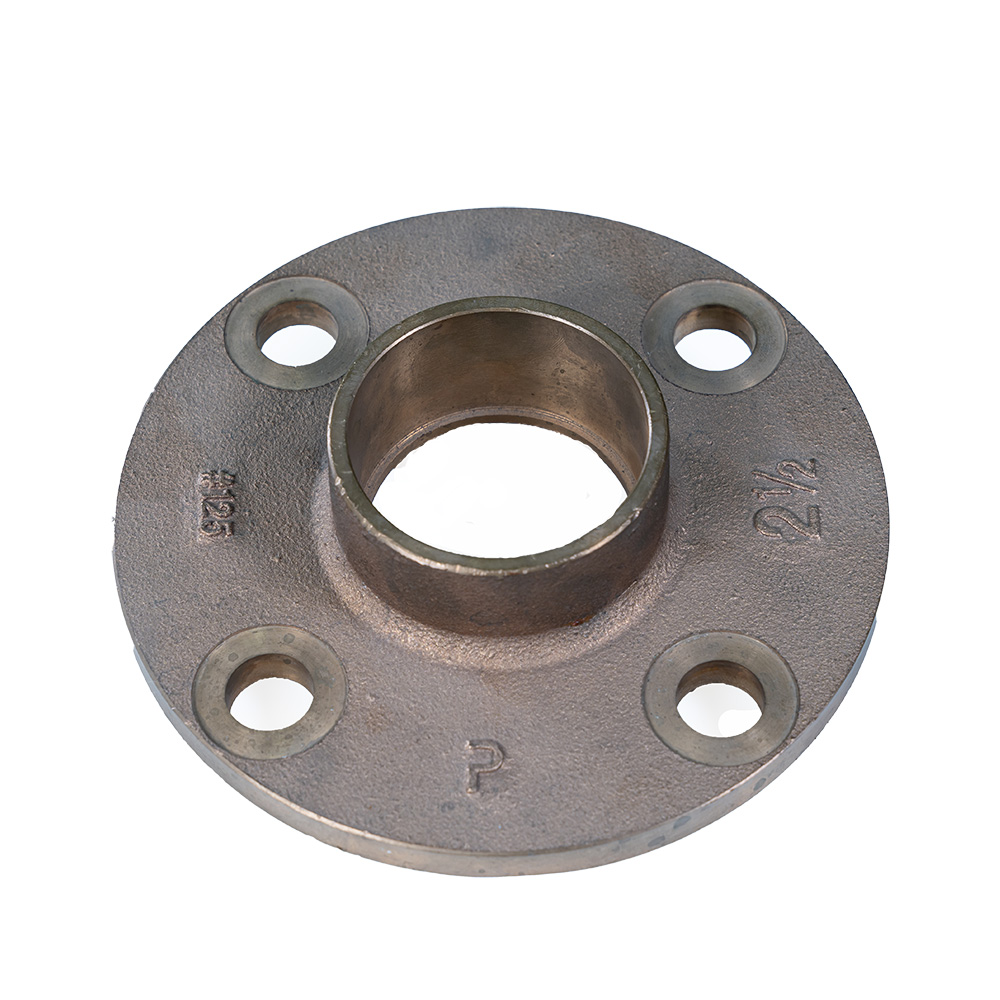
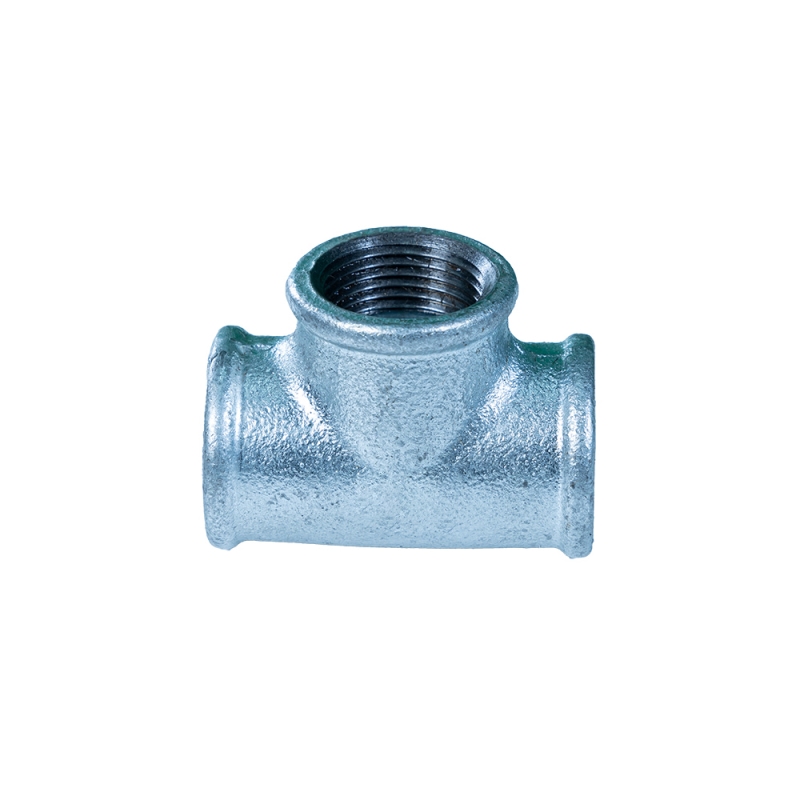
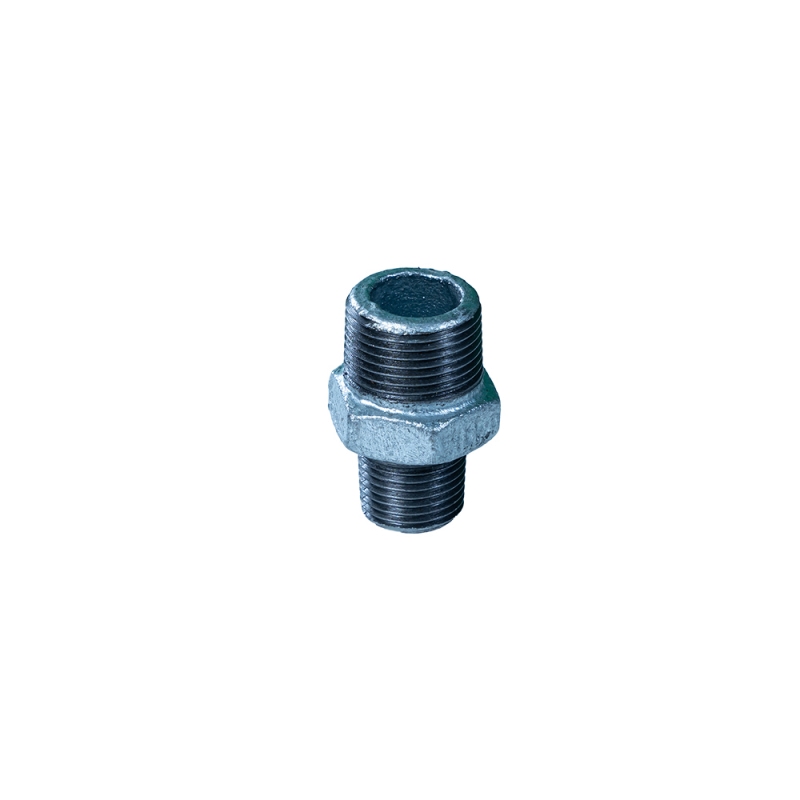
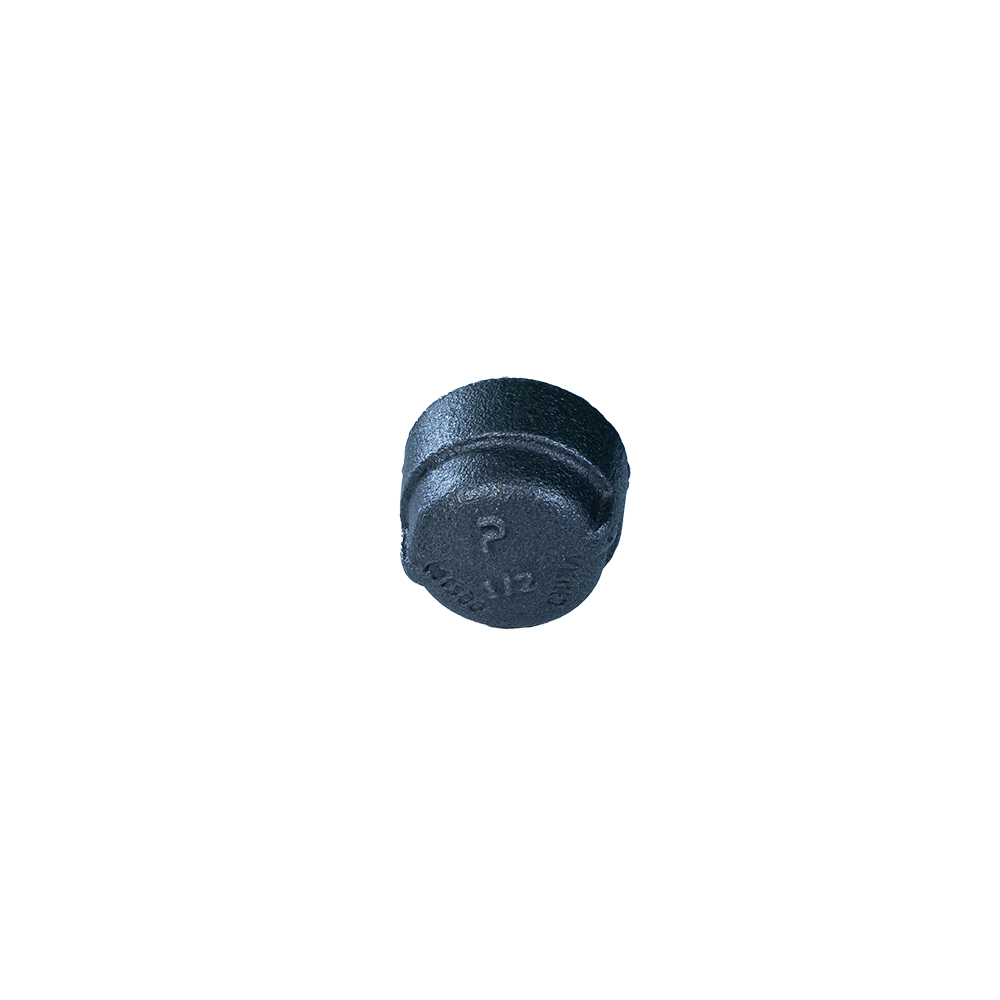
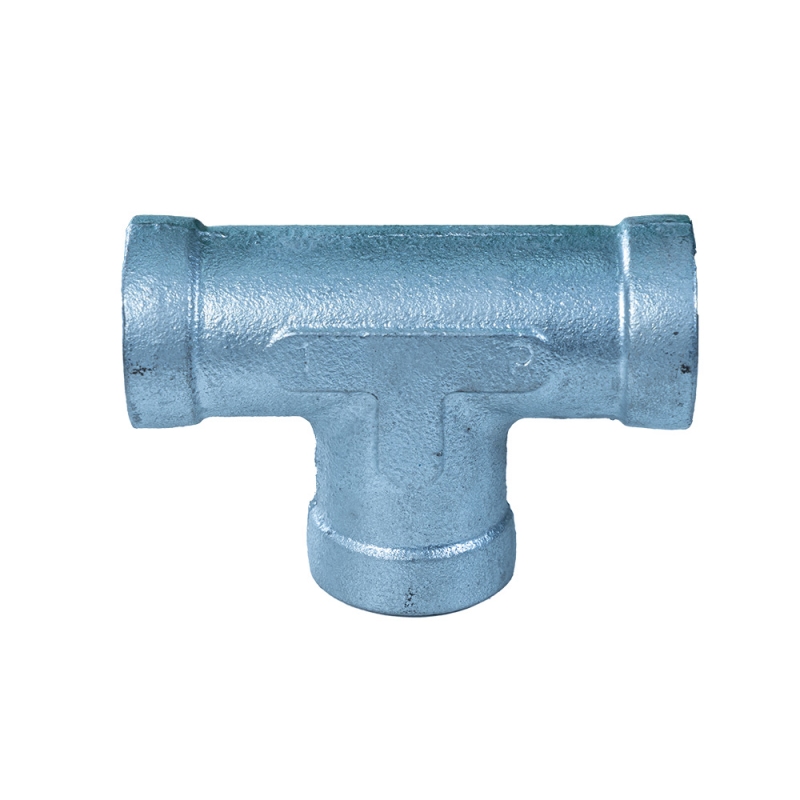
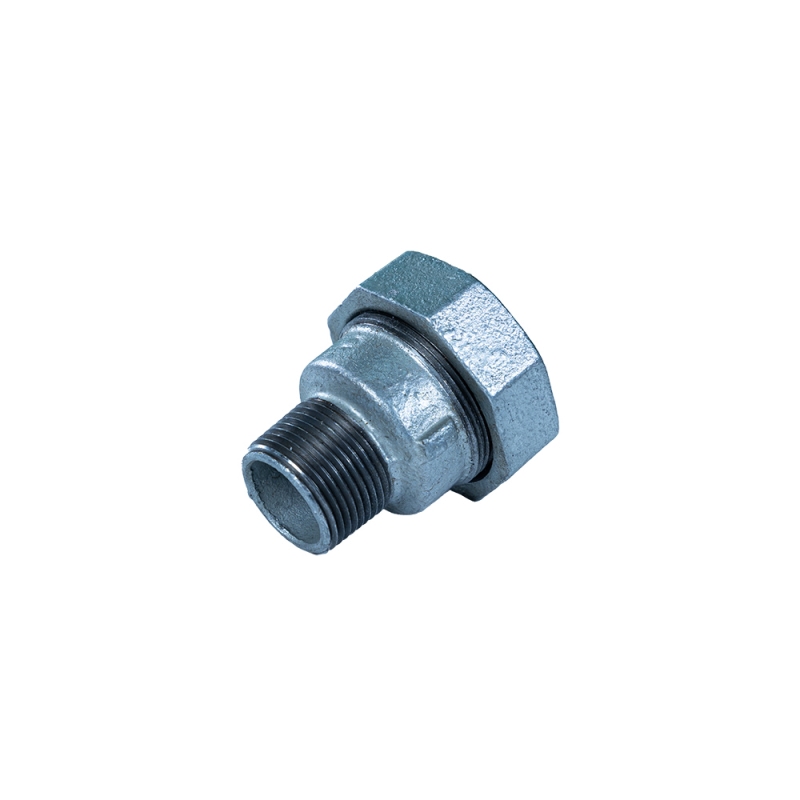
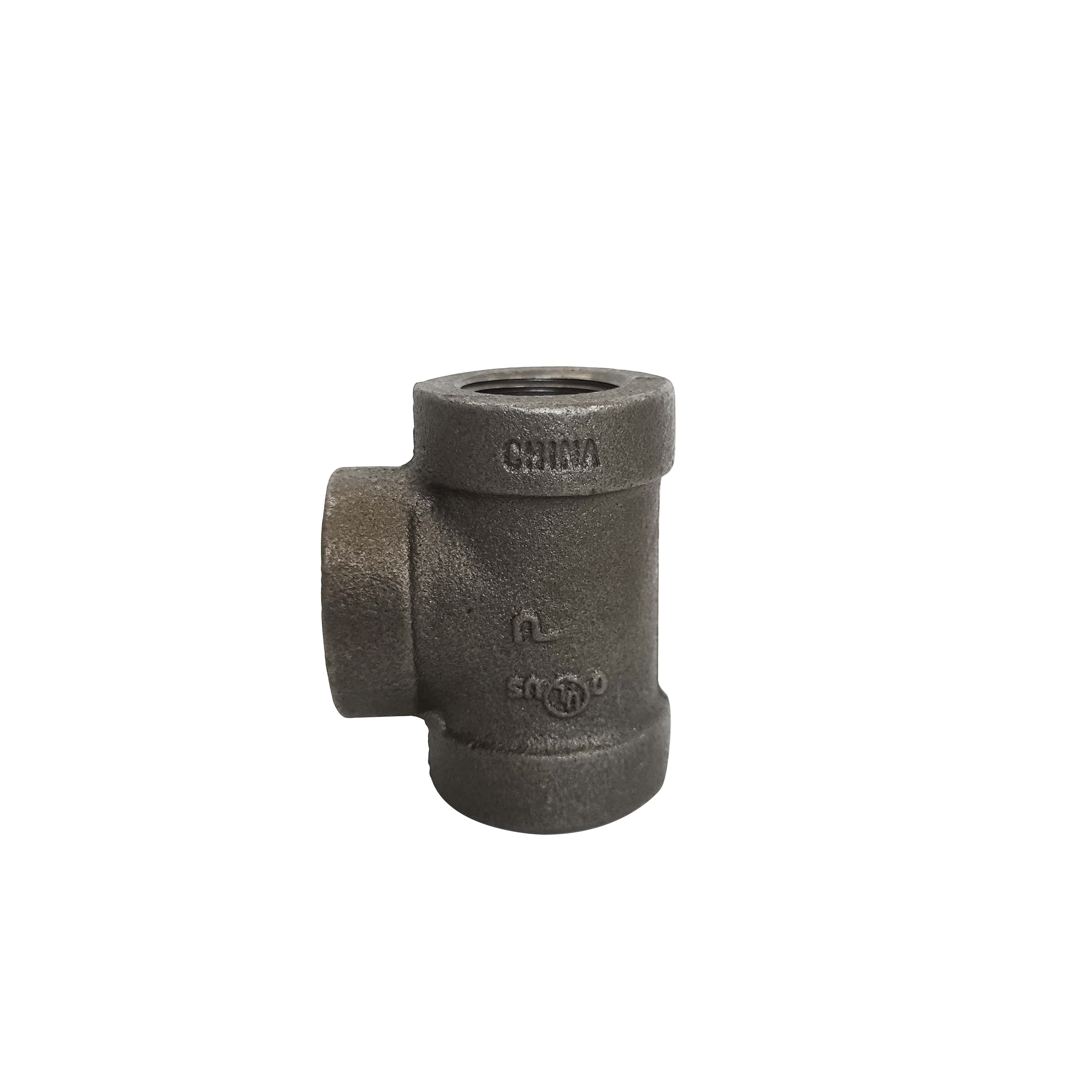
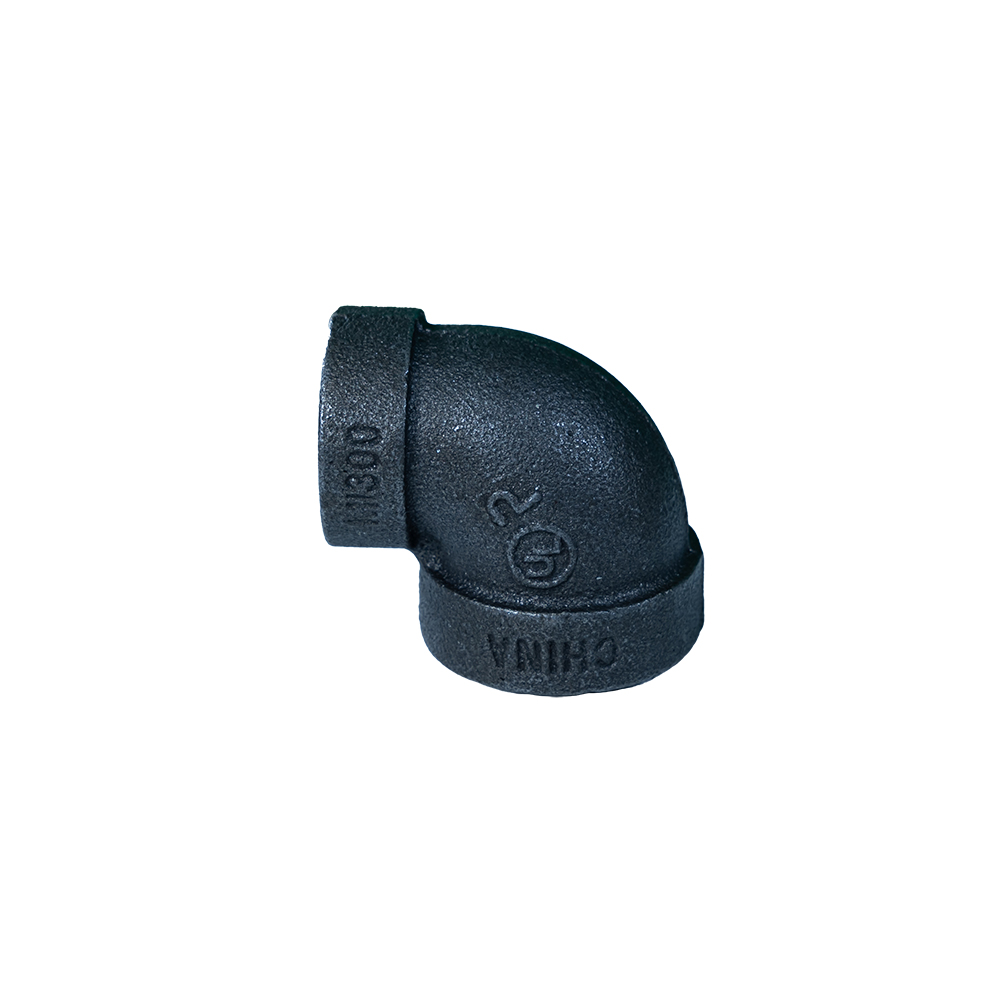
At its core, a 1 inch pipe fitting is a component that joins, extends, or terminates a pipe of approximately one-inch internal diameter. These fittings include elbows, tees, couplings, reducers, caps, and unions, usually made of materials like brass, stainless steel, PVC, or galvanized steel.
They are the unsung heroes in almost every liquid or gas piping system you might encounter — from domestic plumbing to high-tech chemical plants or even temporary refugee camp setups. The humble fitting connects vast systems, enabling everything from clean water delivery to waste removal.
Key Features That Define Quality 1 Inch Pipe Fittings
Durability and Material Choice
The choice of material drastically affects a fitting’s lifespan. For instance, stainless steel can endure corrosive environments in chemical plants, whereas PVC might be ideal for low-pressure water supply due to its light weight and resistance to rust.
Pressure and Temperature Ratings
Piping systems around the world run under wildly different pressures — roughly from 50 psi for home water supply to several hundred psi in industrial processes. The fitting’s rated limits determine where it can safely function. Similarly, temperature tolerance impacts where fittings are used, e.g., hot water lines vs. cold irrigation networks.
Ease of Installation and Maintenance
In remote regions or large-scale infrastructures, fittings that are easy to install and service drastically reduce labor costs and downtime. Threaded fittings are common in small pipes (like 1 inch), permitting quick assembly without welding.
Compatibility and Standards Compliance
Keeping fittings compatible with international standards (like ISO or ASTM) means systems can interconnect properly — critical in global supply chains and international aid operations.
Corrosion and Chemical Resistance
Materials that resist corrosion extend the system’s life and protect water quality or chemical integrity. For example, brass and stainless steel fittings resist rust better than carbon steel, which can corrode quickly if not properly coated.
Mini takeaway: Choosing the right 1 inch pipe fittings involves more than size alone — durability, pressure rating, and compatibility play lead roles in practical use.
Where Are 1 Inch Pipe Fittings Used Around the World?
From bustling cities in Europe to remote agricultural setups in Africa, 1 inch pipe fittings are everywhere:
- Urban water systems: They connect smaller residential mains, enabling reliable domestic water delivery, sanitation, and fire protection.
- Agricultural irrigation: In regions like Southeast Asia, compact fittings help assemble drip irrigation networks that conserve water critical to food security.
- Emergency and aid relief: NGOs deploy pre-fabricated sanitation systems using standardized pipe fittings to provide rapid water and waste management in post-disaster zones.
- Industrial processes: Chemical plants and manufacturing chains use 1 inch fittings to transport gases and liquids safely.
In short, their role is often quietly impactful, linking the complex systems that support life and industry.
Advantages and Long-Term Value of Using High-Quality Pipe Fittings
When you invest in good fittings, returns go beyond just avoiding leaks or outages:
- Cost savings: Less maintenance, fewer replacements, and lower water loss mean better budgets over years.
- Sustainability: Durable materials reduce waste and energy consumption in replacement cycles.
- Safety and trust: Reliable connections prevent accidents, protecting workers and communities.
- Innovation facilitation: As industries modernize, adaptive fittings support new technologies like smart sensors in pipelines.
Frankly, these benefits underline why engineers and planners never skimp on fittings — even for something as “small” as a 1 inch diameter.
Looking Ahead: Trends and Innovations in 1 Inch Pipe Fittings
Technology keeps pushing the envelope:
- Smart pipe fittings: Some manufacturers are embedding sensors in fittings to monitor pressure, flow, and leaks remotely — cutting emergency response times drastically.
- Eco-friendly materials: Bioplastics and lead-free brass alloys improve environmental footprints and health safety.
- 3D printing: Custom fittings on-demand can accelerate repairs in remote industrial sites or post-disaster rebuilds.
Automation and digital integration mean the future pipeline isn’t just pipes and connectors — it’s a connected system working smarter.
Common Challenges and How to Solve Them
That said, the humble 1 inch pipe fitting isn’t without headaches:
- Corrosion and wear: If materials don’t match the environment, fittings fail prematurely. Proper material specs are a must.
- Installation errors: Misthreading or over-tightening can cause leaks. Training and quality control help curb this.
- Supply chain delays: Especially in disaster zones, getting reliable fittings quickly can be vital. Stockpiling and vetted vendors come to the rescue.
Innovations in quality control and local fabrication often bridge these gaps, improving trust in the results.
Product Specifications: Typical 1 Inch Pipe Fitting (Example Model)
| Specification | Details |
|---|---|
| Material | Lead-Free Brass |
| Pressure Rating | 300 PSI Max |
| Temperature Range | -20°C to 120°C |
| Connection Type | Threaded (NPT) |
| Standards | ISO 7-1, ASTM B62 |
| Weight | 0.18 kg |
Comparing Top Vendors for 1 Inch Pipe Fittings
| Vendor | Material Range | Custom Sizes | Global Shipping | Quality Certifications |
|---|---|---|---|---|
| PanNext Fittings | Brass, Stainless Steel, PVC | Yes | Yes | ISO 9001, ISO 14001 |
| FitterPro | Carbon Steel, PVC | Limited | Regional | ASTM Compliant |
| GlobalConnect Pipes | PVC, HDPE | No | Yes | ISO 9001 |
FAQ: Your Questions About 1 Inch Pipe Fittings, Answered
- Q: What types of 1 inch pipe fittings are best for high-pressure applications?
- A: For high pressure, fittings made from stainless steel or brass with threaded or welded connections are ideal. They’re typically rated above 300 PSI, providing durability and leak resistance. Avoid PVC or plastic fittings at higher pressures to prevent failure.
- Q: How do I ensure compatibility between my pipes and 1 inch pipe fittings?
- Check that your pipes and fittings comply with the same standards, like ISO 7 or ASTM. Also, verify if the dimension system matches — for instance, NPT threaded fittings fit compatible threaded pipes but won’t work with BSP threads.
- Q: Can 1 inch pipe fittings be used in potable water systems?
- Yes, provided they are made from lead-free materials compliant with drinking water standards. Lead-free brass and certain plastics like certified PVC or CPVC are commonly used in potable water applications.
- Q: How do weather extremes impact the performance of 1 inch pipe fittings?
- Extreme heat or cold can cause thermal expansion or contraction, potentially stressing fittings. Choosing materials with appropriate temperature ratings and using insulation where necessary helps maintain system integrity.
- Q: Where can I buy reliable 1 inch pipe fittings internationally?
- Reputable vendors like PanNext Fittings offer global shipping and certification compliance, making them great sources for trustworthy, high-quality pipe fittings.
Wrapping it Up: The Last Word on 1 Inch Pipe Fittings
While they might seem like small players, 1 inch pipe fittings are massive behind the scenes, quietly holding together vast, complex systems that support daily life and global industry. Choosing the right fittings — the right materials, sizes, and standards — pays dividends in durability, sustainability, and cost-efficiency. If you’re planning a project, upgrading an infrastructure system, or working in emergency relief, these small components matter a lot.
Curious to explore a trusted range? Visit PanNext Fittings for durable, certified 1 inch pipe fittings designed with global needs in mind.
Sometimes, it’s the small connections that keep big things flowing.
References
Post time: Nov-28-2025