
Understanding Fire Fitting: Why It Matters Worldwide
Fire fitting might sound like a niche term, but it’s actually a crucial aspect of safety and infrastructure with a global footprint. At its core, fire fitting refers to the installation and maintenance of equipment and materials designed to prevent, control, or extinguish fires. This includes pipes, valves, couplings, and other components linked to fire suppression and protection systems. Now, why should anyone outside of construction or safety engineering care? Well, fires represent a major hazard worldwide — according to the United Nations Office for Disaster Risk Reduction, fires cause tens of thousands of deaths and immense property damage every year. Understanding fire fitting helps communities and industries reduce those risks, save lives, and protect assets.
In real terms, mastering fire fitting principles means designing buildings, factories, or outdoor setups that stand up to flames and prevent disaster escalation. And that isn’t just about tech: it’s about humanitarian relief, sustainable urban growth, and even insurance costs.
The Global Context: Fire Fitting’s Role in Safety and Development
Globally, fire safety is a priority from mega-cities in Asia to rural communities in Africa. The International Organization for Standardization (ISO) has developed standards like ISO 7240 for fire detection and alarm systems, which hinge heavily on the quality of fire fitting elements. Unfortunately, every year, nearly 180,000 people die worldwide due to fires, per WHO data, and hundreds of millions suffer injuries or property loss.
To compound the problem, rapid urbanization has increased fire risks in informal settlements and industrial zones, where proper fire fitting is often neglected due to costs or awareness. Yet the challenge remains: how can we install and maintain robust fire fitting systems that are affordable, scalable, and reliable?
"Effective fire fitting is the silent guardian preventing many small sparks from turning into catastrophic fires." — industry experts agree it’s a foundational yet overlooked component.
Breaking Down Fire Fitting: What It Really Means
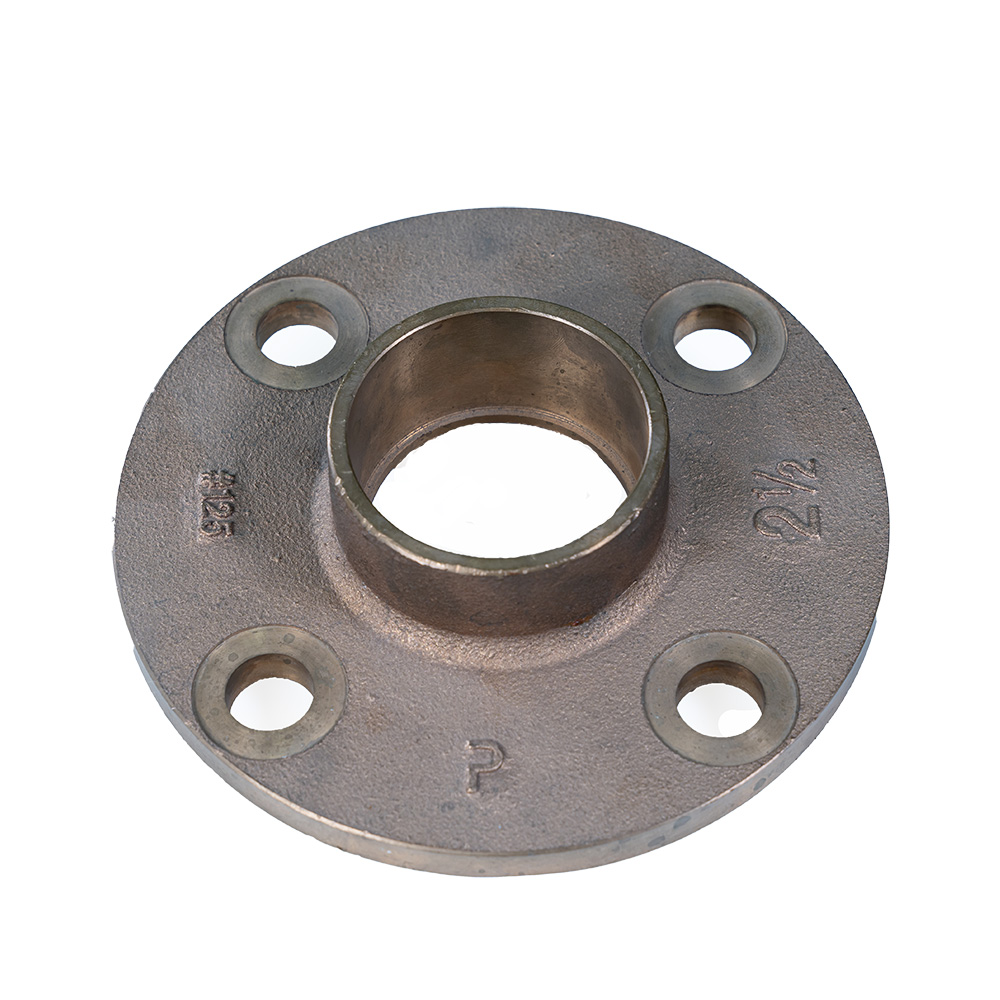
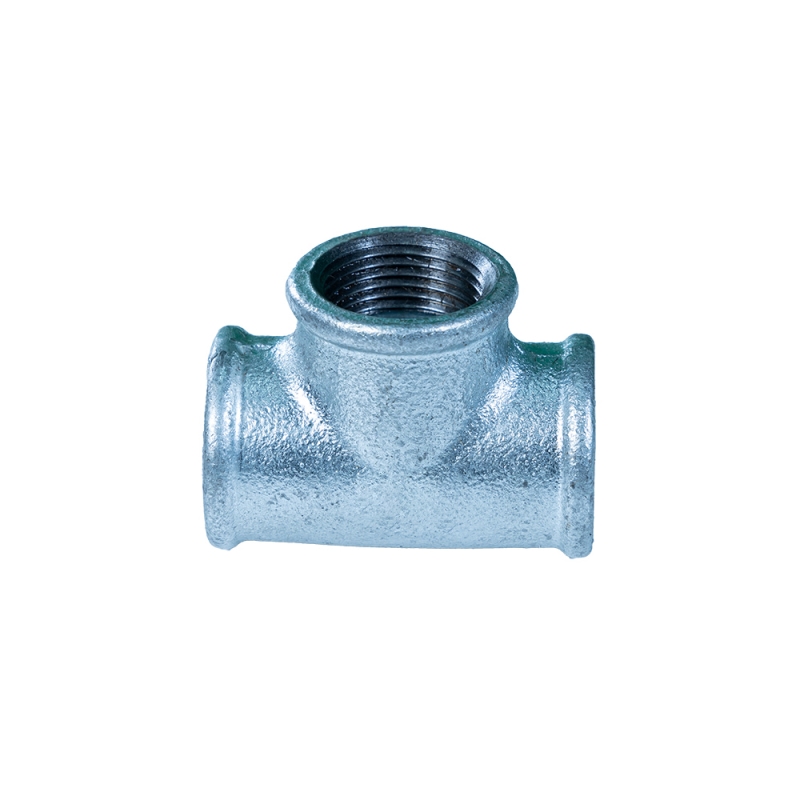
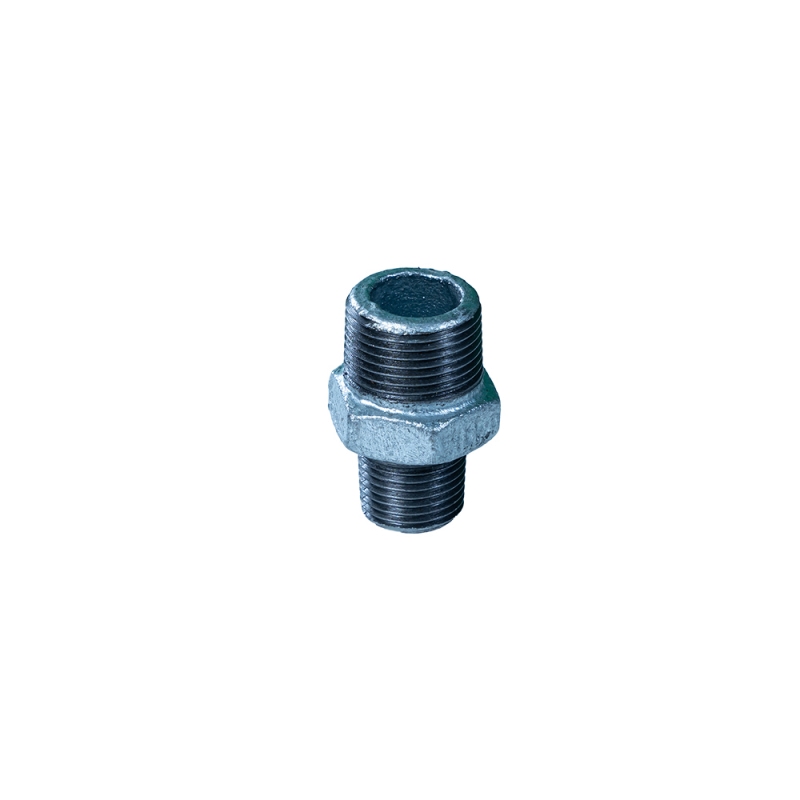
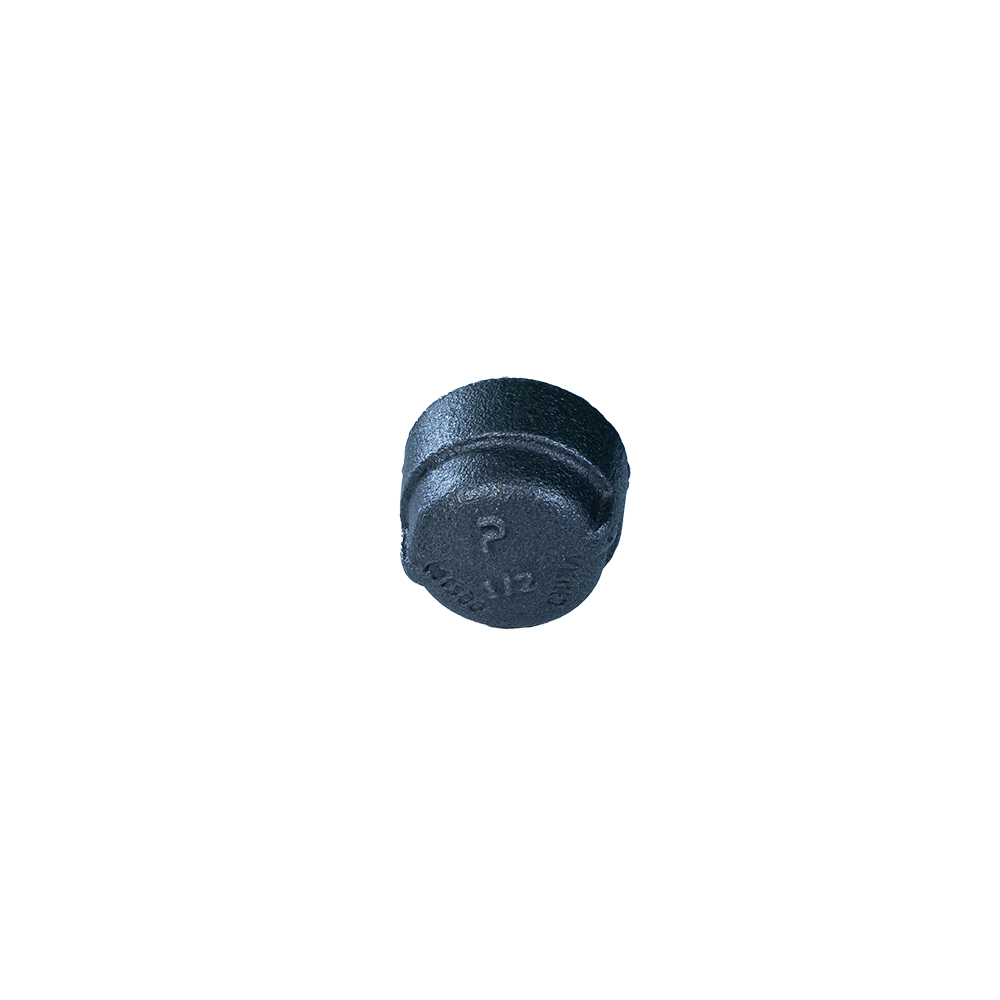
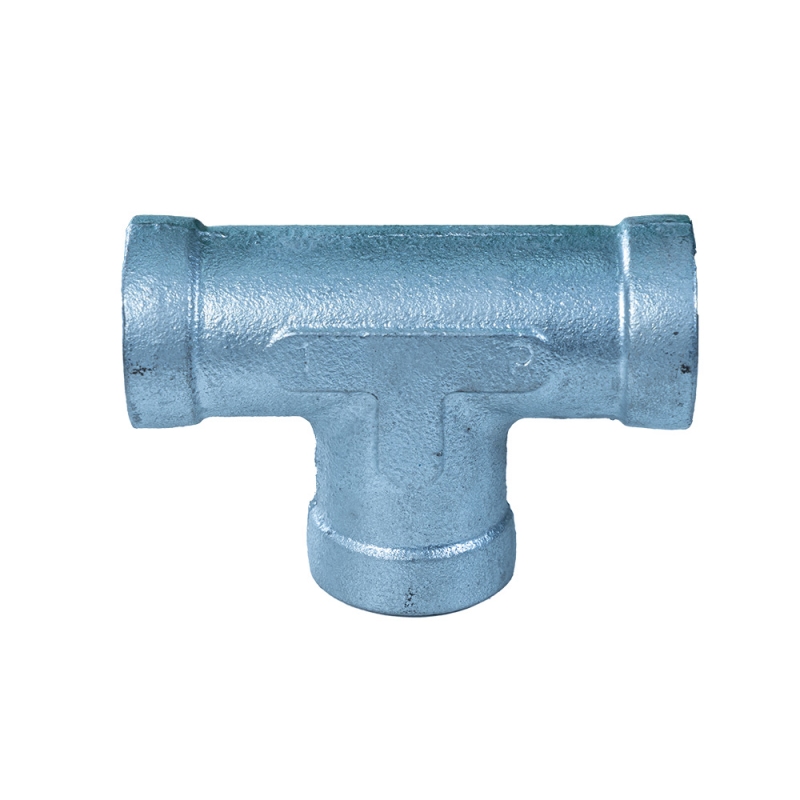
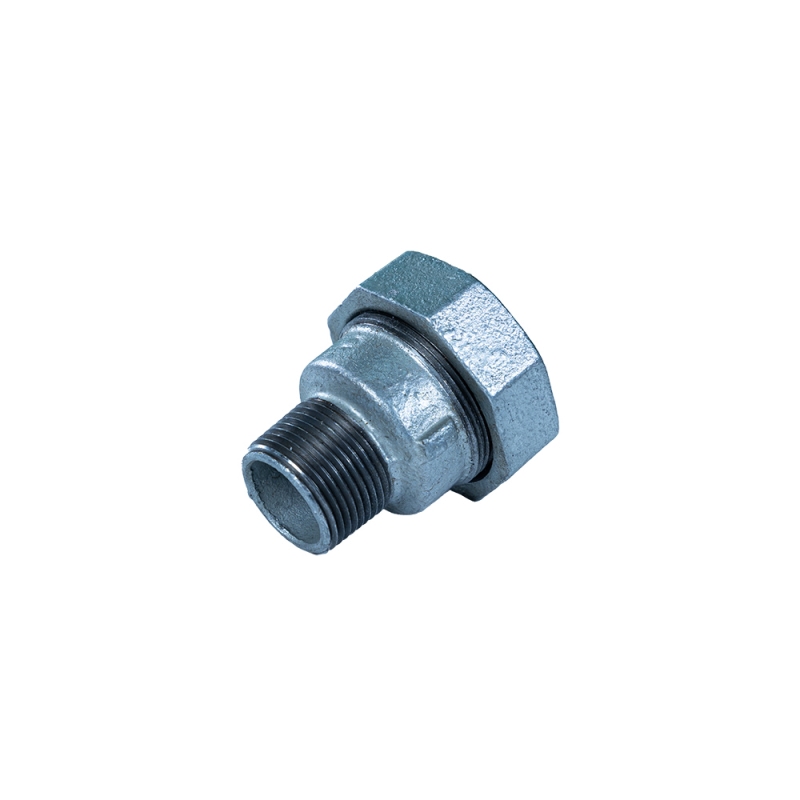
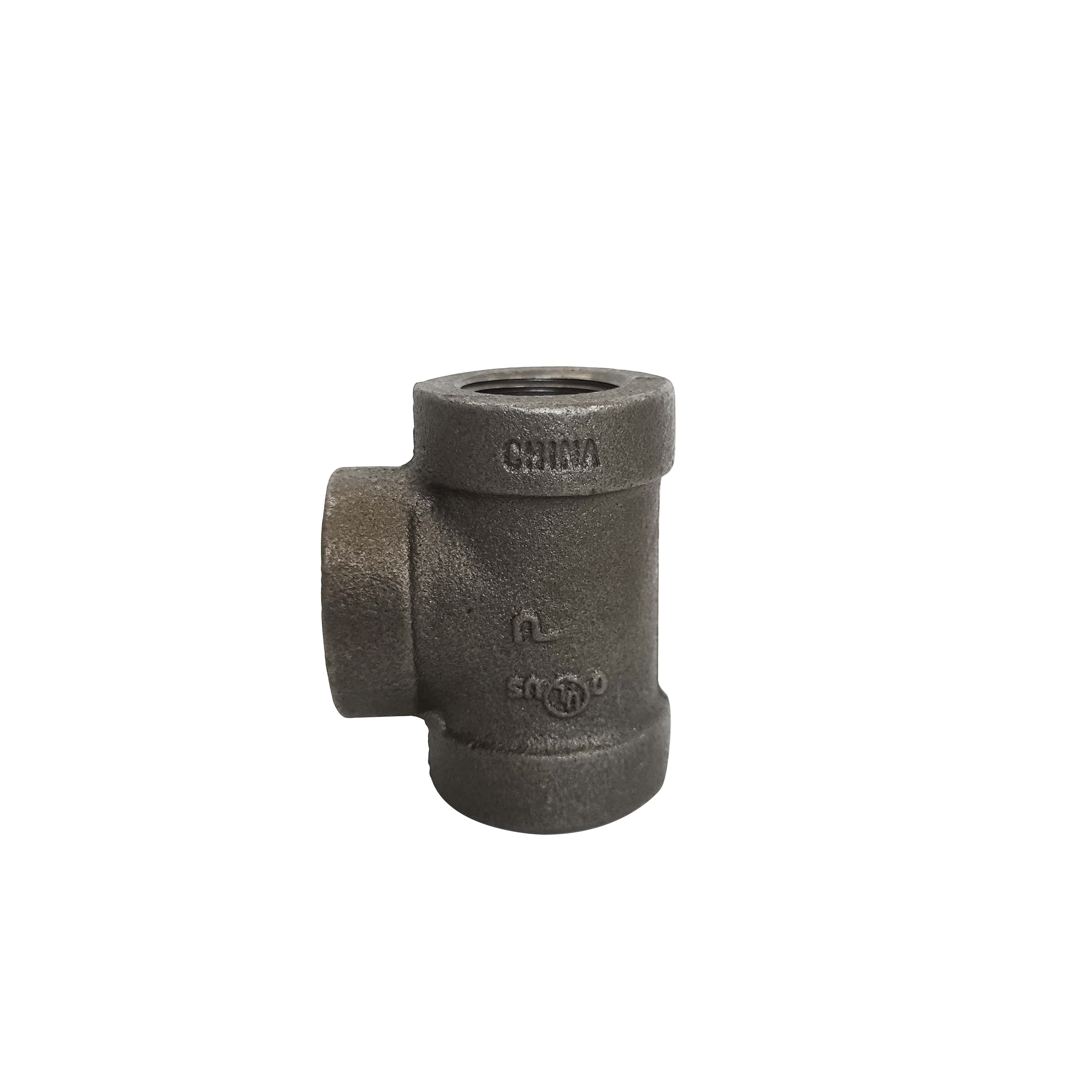
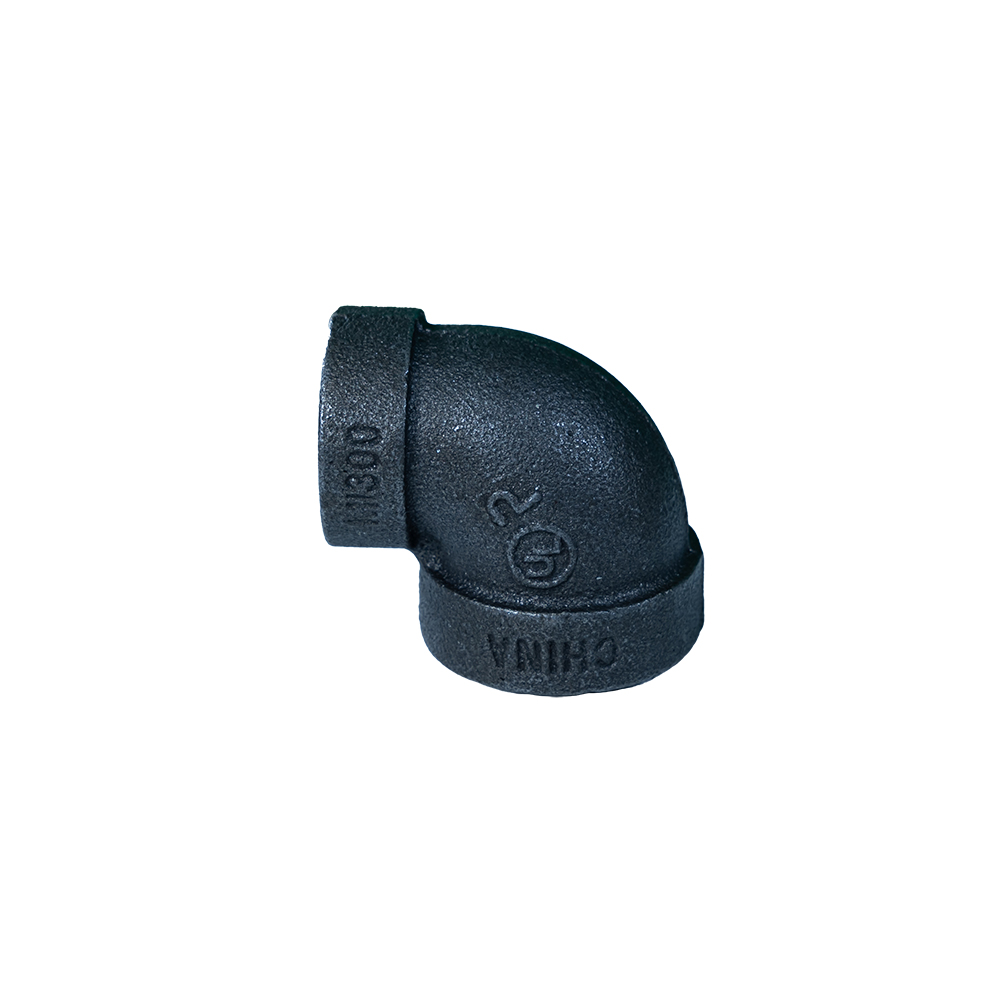
Put simply, fire fitting involves all the mechanical components and installation work associated with fire protection. We're talking about items like:
- Fire sprinkler pipes and fittings
- Valves and couplings designed specifically for fire suppression systems
- Fire hose reels and connections
- Fire pump house installations
These components need to be specially designed to withstand high temperatures, corrosive environments, and sudden pressure changes — not your average plumbing job!
Moreover, fire fitting links neatly with humanitarian efforts in disaster zones, where fast and effective fire suppression can mean the difference between rescue and tragedy. NGOs and emergency services increasingly rely on modular fire fitting equipment to rapidly set up temporary fire protection at relief sites.
Crucial Characteristics of Fire Fitting
1. Durability Under Stress
Fire fitting materials must resist extreme heat and flames. Metals like steel and brass are common, often treated with protective coatings. The fittings need to maintain integrity long enough for fire suppression to work efficiently.
2. Precision and Compatibility
These fittings have to connect perfectly with pumps, hoses, and sprinklers. Even minor leaks or mismatches can render fire systems ineffective.
3. Cost Efficiency
Realistically, fire fitting needs to be affordable to promote widespread adoption — especially in emerging markets where fire risks are growing but budgets are tight.
4. Compliance and Certification
Fire fittings must meet regional and international standards (such as NFPA guidelines in the U.S. or EN standards in Europe). Certification ensures safety and legal conformity.
5. Ease of Maintenance
Since fire fittings must perform reliably over long periods, they have to be inspectable and replaceable without major downtime.
Typical Fire Fitting Specification Table
| Component | Material | Pressure Rating | Temperature Resistance | Certification |
|---|---|---|---|---|
| Steel Pipe | Galvanized Steel | PN16 (16 bar) | Up to 300°C | ISO 9001, UL Listed |
| Coupling | Brass with Epoxy Coating | PN25 (25 bar) | Up to 400°C | EN 14540 Certified |
| Fire Valve | Cast Iron with Rustproof Paint | PN10 (10 bar) | Up to 250°C | UL & FM Approved |
Where Fire Fitting Makes a Difference: Real-World Examples
In places like Southeast Asia or sub-Saharan Africa, rapid industrial growth often outpaces infrastructure safety. Fire fitting systems are being deployed in factories, oil refineries, and urban developments, often supported by local governments or international aid. For example:
- In post-disaster relief operations, modular fire fittings allow emergency teams to set up temporary safe zones that prevent flare-ups and secondary fires after earthquakes and floods.
- Remote mining sites in Australia rely on rugged fire fitting hardware adapted for dusty, harsh environments to protect personnel and costly equipment.
- Urban centers in Europe integrate smart fire fitting with IoT devices to automate fire detection and response, reducing human risk and improving speed.
Vendor Comparison: Choosing Your Fire Fitting Partner
| Vendor | Product Range | Compliance Standards | Global Reach | Custom Solutions |
|---|---|---|---|---|
| PanNext Fittings | Sprinklers, Couplings, Valves | ISO, UL, EN Certified | Worldwide | Yes, tailored projects |
| FireSafe Components | Basic Pipes, Valves | Mostly regional certifications | Asia, Europe | Limited |
| GlobalFit Solutions | Full fire suppression kits | UL, FM Approved | North America, Europe | Moderate |
Why Fire Fitting Is Worth the Investment
Investing in quality fire fittings doesn’t just mean ticking regulatory boxes. There’s an emotional peace of mind when you know your assets and people are protected. Tangibly, it can reduce insurance premiums, avoid business downtime, and literally save lives.
For communities recovering from crises, well-selected fire fittings provide dignity and security — no one should have to fear secondary fires during relief efforts. In industry, innovation in fire fitting continues to improve reliability and environmental impact, creating safer workplaces and greener operations.
Keeping an Eye on the Future
Looking ahead, fire fitting technology is embracing new materials like composite polymers that resist corrosion even better, and smart sensors that communicate in real time with firefighting crews. Sustainability is increasingly on the table, with manufacturers reducing waste and using eco-friendly coatings. Automation — robots setting up fire fitting in hard-to-reach places, perhaps? — isn’t science fiction anymore.
Challenges and Smart Solutions in Fire Fitting
But it’s not all smooth sailing. Fire fitting projects can encounter budget constraints, supply chain delays, and maintenance neglect. Availability of certified materials remains uneven in developing areas. Yet, innovative modular designs, local manufacturing partnerships, and remote monitoring technologies are helping turn these obstacles into opportunities.
Frequently Asked Questions About Fire Fitting
Q1: What makes modern fire fittings better than older systems?
A: Today’s fire fittings use advanced materials and tighter tolerances resulting in greater durability and leak resistance. Certified systems meet international standards, improving reliability and safety over older, less tested setups.
Q2: How long do properly maintained fire fittings last?
A: With proper maintenance, quality fire fittings can function effectively for 20–30 years or more. Regular inspections and replacing worn parts ensure continuous protection.
Q3: Are fire fittings standardized globally?
A: While there are many international standards (ISO, EN, UL), regional variations exist. It's important to check local compliance requirements when selecting fire fitting components.
Q4: Can NGOs easily import fire fitting equipment for emergency zones?
A: Yes, many vendors offer modular, transportable fire fitting kits designed for rapid deployment in disaster zones. Customs and shipping logistics depend on destination policies but organizations often partner with suppliers experienced in humanitarian aid.
Q5: What is the cost range for installing a complete fire fitting system?
A: Costs vary widely depending on system size, complexity, and standards. Roughly, a small commercial setup might start around a few thousand dollars, while large industrial installations scale into the hundreds of thousands. Investing wisely in quality components avoids costly future repairs.
Final Thoughts
When you think about it, fire fitting is one of those behind-the-scenes heroes: not flashy, but indispensable. The quality of these components literally shapes how effectively we protect life and property from fire hazards globally. By staying aware of advancements and working with trusted suppliers like fire fitting specialists, businesses and communities can build safer, more resilient environments — which, frankly, feels like a pretty good deal for everyone.
Ready to upgrade your fire safety infrastructure? Visit PanNext Fittings to explore a range of certified fire fitting solutions designed for today’s challenges.
References
Post time: Nov-26-2025