
Understanding 1/4 Pipe Fittings: Small Parts, Big Impact
When you think about infrastructure — water systems, industrial piping, even complex manufacturing lines — the tiny components often get overlooked. But those little connectors, like 1/4 pipe fittings, keep the entire network humming smoothly. Globally, as industries modernize and urban populations soar, demand surges for reliable and precise pipe fittings. From industrial plants in Germany to water distribution in rural India, these small parts solve big challenges, ensuring safety, efficiency, and long-term sustainability.
In fact, the global pipe fittings market was valued at several billion USD and continues to grow by roughly 5% annually, according to recent ISO compliance and market research reports. With industries pushing for faster, leak-proof piping solutions, the humble 1/4 pipe fitting deserves a closer look.
Why 1/4 Pipe Fittings Matter in Today’s Piping Landscape
Worldwide infrastructure relies heavily on various fittings to join, control, and divert fluid flow. Quarter-inch fittings — that is, fittings designed for pipes with 1/4 inch nominal diameter — are particularly common in pneumatic systems, instrumentation lines, and smaller-scale plumbing tasks. The problem? In many industrial and remote settings, poor-quality or incompatible fittings can cause leaks, safety hazards, or costly downtime.
Improving the quality and availability of 1/4 pipe fittings globally means reduced maintenance expenses, better environmental compliance (less spillage), and enhanced system longevity. As the UN Environment Programme highlights, infrastructure resilience correlates strongly with effective, durable components such as these — especially in vulnerable regions where disasters strike often.
What Exactly Are 1/4 Pipe Fittings?
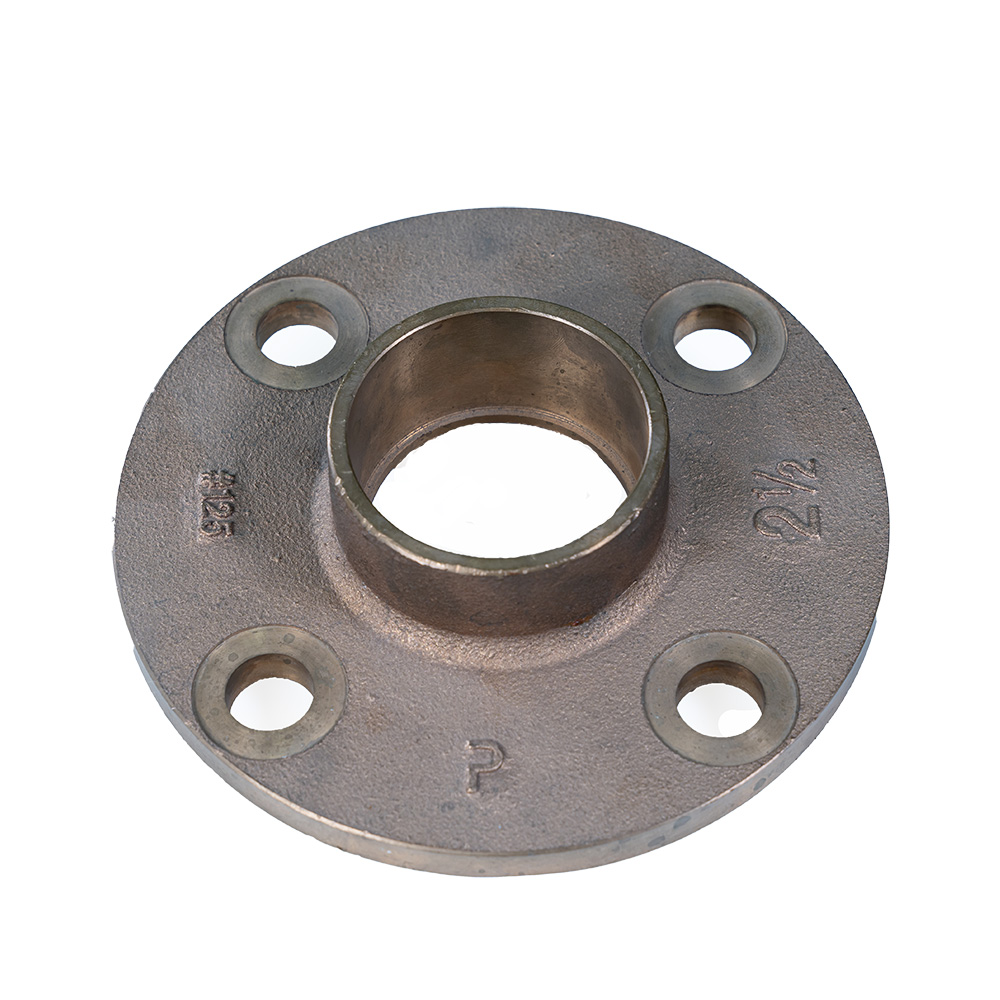
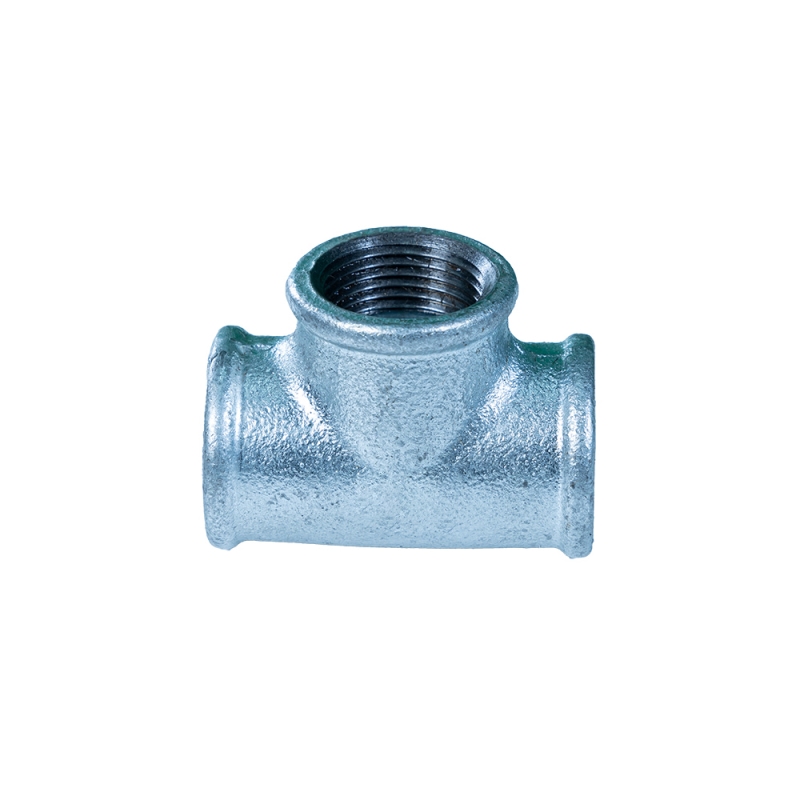
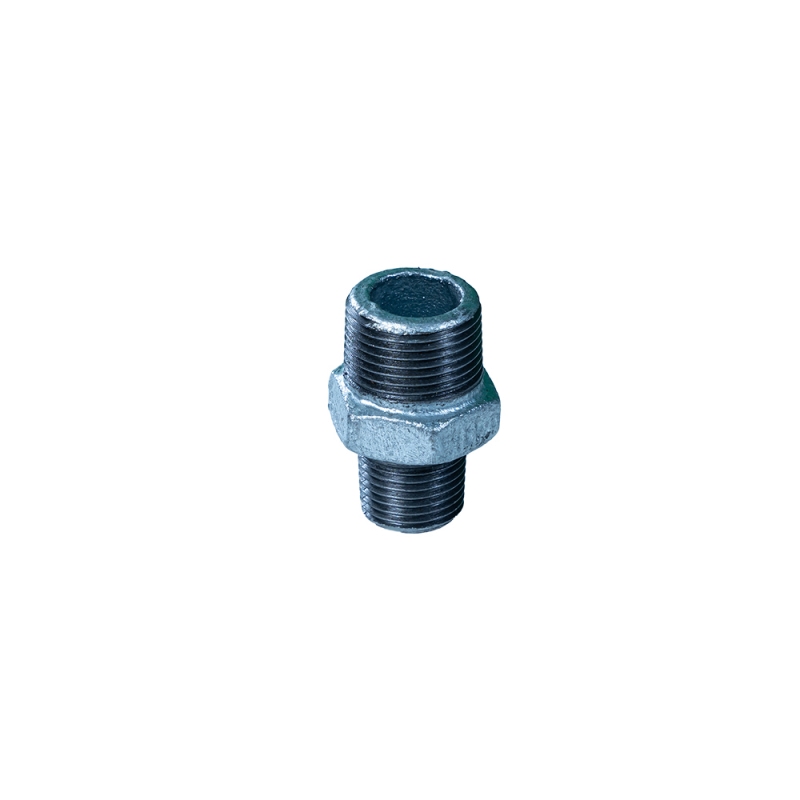
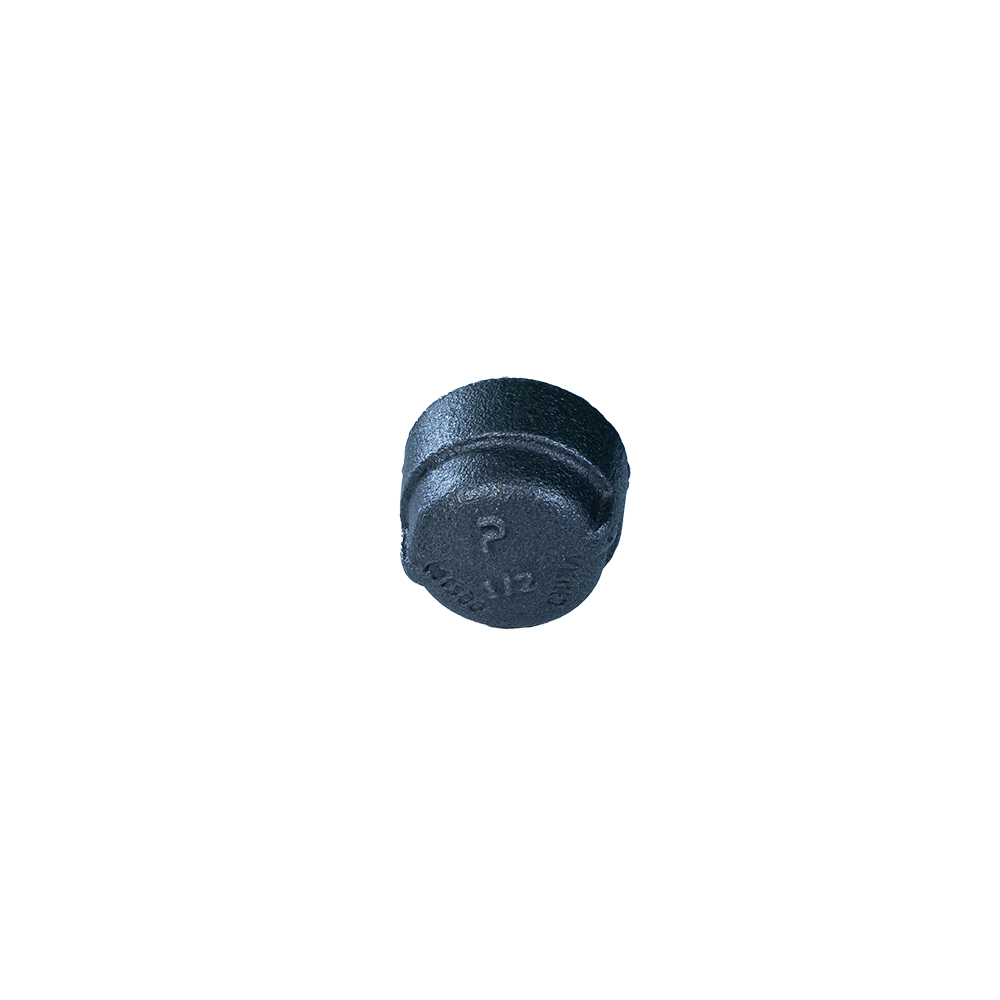
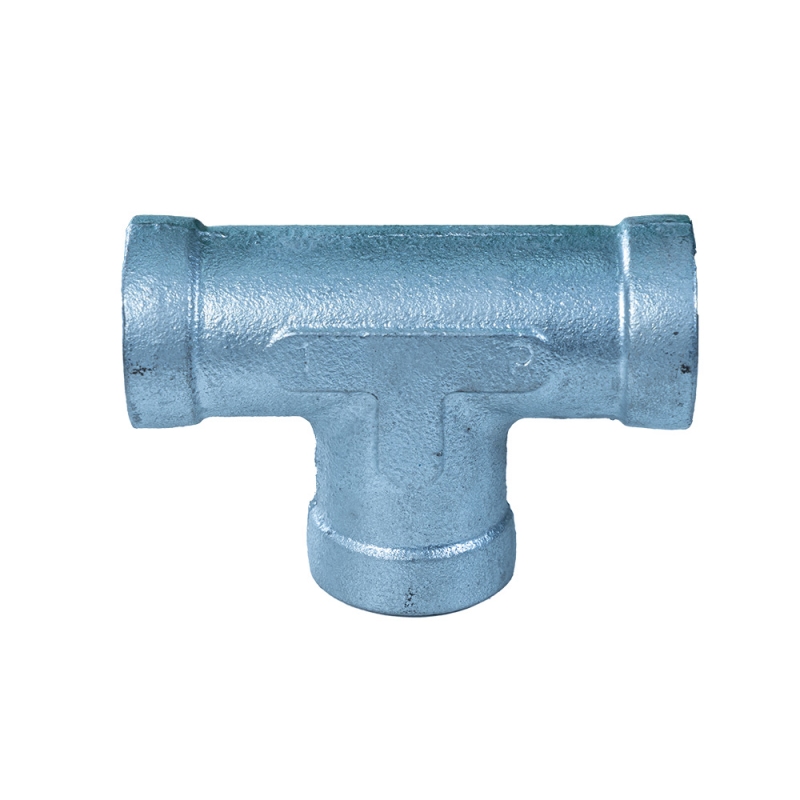
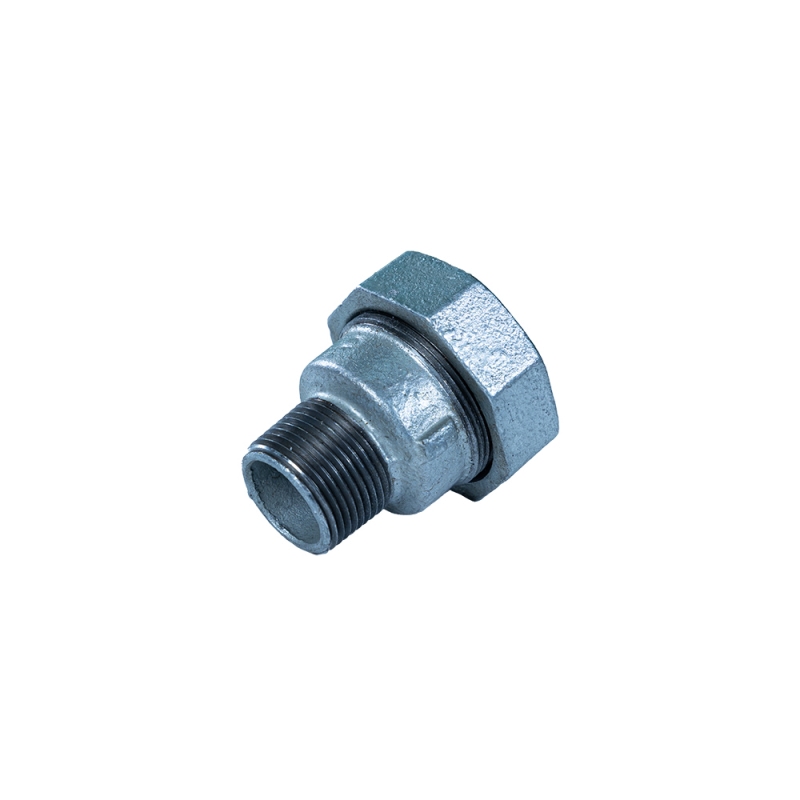
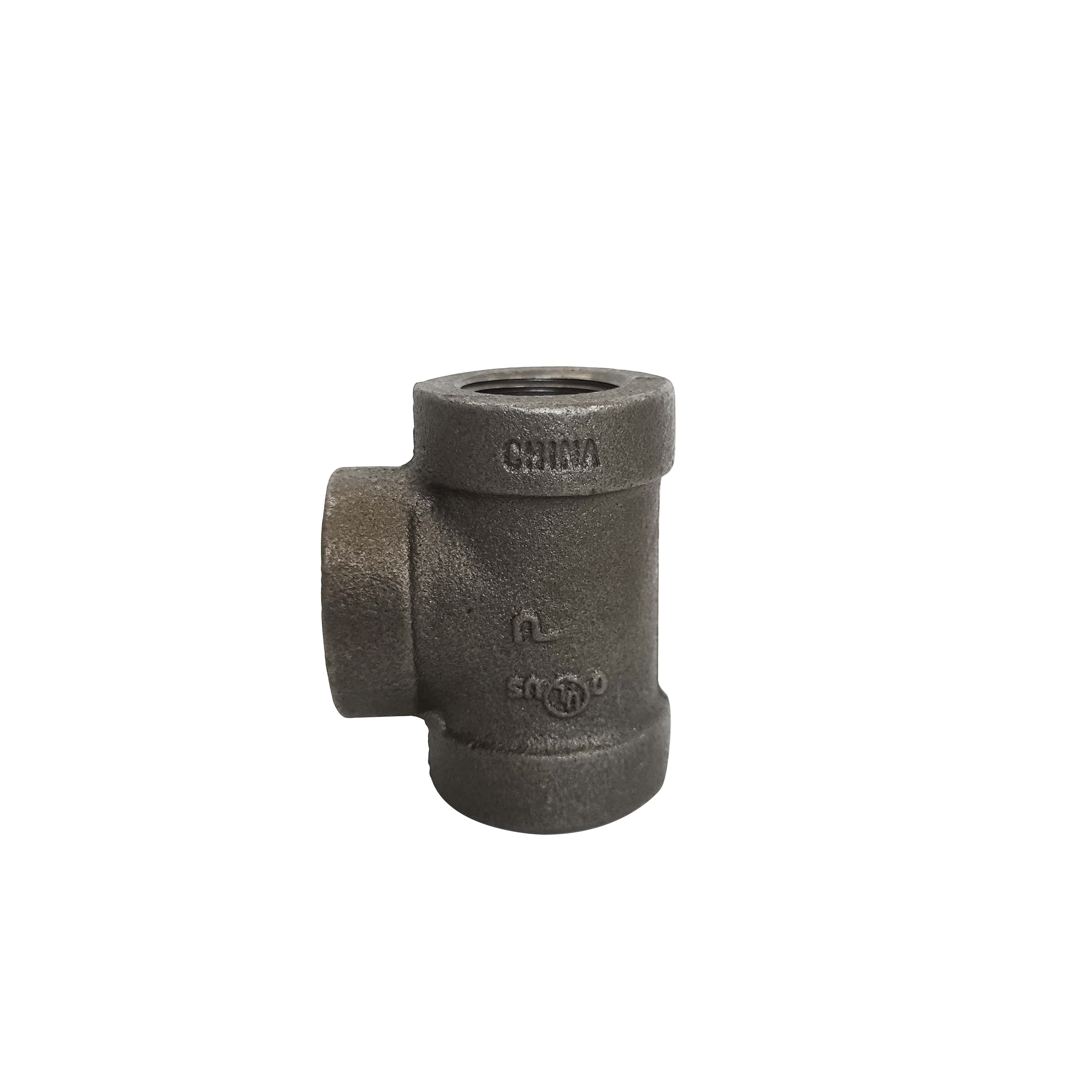
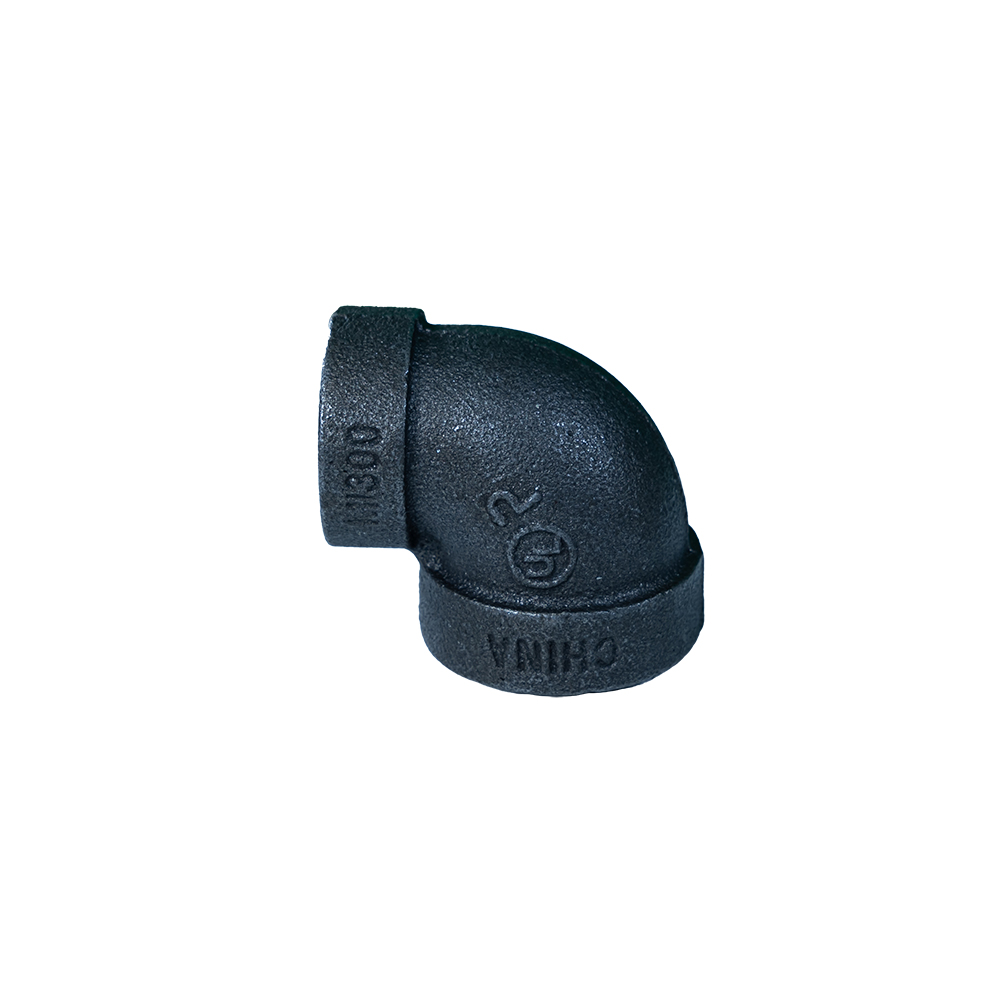
Simply put, 1/4 pipe fittings are connectors designed to join or terminate pipes of ¼-inch diameter. These fittings may include elbows, tees, unions, adapters, and couplings — often manufactured from metals like brass, stainless steel, or plastic polymers. They create tight seals, maintain pressure, and enable changes in direction or pipe size.
But their significance goes beyond size. In industries such as chemical processing or laboratory instrumentation, these tiny parts are vital for accuracy and safety. For humanitarian applications, like setting up clean water lines quickly in refugee camps, their ease of installation and reliability can directly impact community wellbeing.
Key Factors That Make 1/4 Pipe Fittings Essential
Durability and Material Quality
Most engineers I’ve spoken to swear by stainless steel variants for their resistance to corrosion, especially in chemical plants or marine environments. Brass fittings are popular in plumbing for their balance between strength and cost. Plastic models — PVC or nylon — are lightweight and ideal for less demanding applications but should be chosen carefully to avoid brittleness.
Pressure and Temperature Ratings
Fittings must withstand the operating environment. For example, pneumatic systems often run at high pressures but moderate temperatures, while steam lines demand high temperature resilience. Using the wrong fitting typically spells trouble.
Compatibility and Standards Compliance
Standards like ISO 49 and ANSI B16.11 govern how fittings should be made and tested. Compliance ensures parts from different vendors play nicely together — a no-brainer in global supply chains.
Ease of Installation
Quick assembly translates into labor savings, fewer errors, and faster project timelines. Push-to-connect or compression fittings are popular for DIY or field work, versus threaded fittings that often need specialized tools.
Cost Efficiency
Cost is always a factor, but cheap subpar fittings can cause leaks or failures — expensive mistakes in the long run. Many companies balance upfront cost with long-term reliability.
How 1/4 Pipe Fittings Are Used Around the World
Everyday, these fittings quietly serve in thousands of applications globally:
- Water infrastructure: In Southeast Asia, NGOs use standardized 1/4 pipe fittings to build modular clean water systems in remote villages.
- Industrial plants: Chemical and food processing factories rely on them to connect instrumentation lines that monitor flow, pressure, temperature.
- Automotive maintenance: High-pressure brake lines often use these small fittings due to their precision.
- Disaster relief: Quickly deployable pipelines often incorporate push-to-connect 1/4 fittings for rapid assembly after floods or earthquakes.
The neat part — while developed countries usually opt for stainless steel fittings meeting strict regulations, many developing regions benefit from affordable, easy-to-install plastic or brass versions that fit their local conditions and budgets.
Product Specification Table: Typical 1/4 Pipe Fittings Overview
| Property | Brass Fitting | Stainless Steel Fitting | Plastic (PVC) Fitting |
|---|---|---|---|
| Material | Brass (Cu-Zn alloy) | 316 Stainless Steel | PVC / Nylon |
| Max Pressure | 600 psi | 1000+ psi | 150 psi |
| Operating Temp | -40°C to 120°C | -200°C to 400°C | 0°C to 60°C |
| Installation Type | Threaded / Compression | Welded / Threaded | Push-to-connect / Solvent Weld |
| Typical Use | Plumbing, low/medium pressure | Industrial, harsh environments | Light industrial, agriculture |
Vendor Comparison: Choosing the Right Supplier for 1/4 Pipe Fittings
| Vendor | Material Options | Certifications | Lead Time | Price Range |
|---|---|---|---|---|
| PanNext Fittings | Brass, Stainless Steel, Plastic | ISO 9001, RoHS | 2–4 weeks | Mid-range |
| GlobalPipe Co. | Stainless Steel, Carbon Steel | API, ISO 14001 | 4–6 weeks | High |
| BudgetFittings Ltd. | Brass, Plastic | ISO 9001 | 1–3 weeks | Low |
The Long-Term Value & Emotional Benefits of Choosing Quality 1/4 Pipe Fittings
When systems are leak-proof, environments stay clean, and downtime shrinks, it’s not just a technical win — it’s a boost to everyone’s trust and peace of mind. I often hear operators talk about how reliable fittings feel like silent partners, keeping everything “under the radar” so they can focus on bigger-picture problems.
On top of financial savings, investing in well-made fittings supports sustainability goals — less waste, fewer replacements, and less environmental impact from leaks or spills. So the choice isn’t just about fitting pipes, it’s about fitting infrastructure into life more responsibly.
What’s Next? Trends and Innovations in 1/4 Pipe Fittings
Looking ahead, there’s a neat wave of innovation around smart fittings embedded with sensors to monitor pressure and detect leaks early. These digital twists could become common especially in automated factories and critical infrastructure. Biodegradable plastics might play a role in temporary installations, cutting down plastic pollution.
Material science is also pushing boundaries — imagine high-strength composites that are light, durable, and inert against corrosive fluids. And policy-wise, global pushes for greener manufacturing practices drive suppliers to revamp sourcing and waste management approaches.
Common Challenges With 1/4 Pipe Fittings — And How to Solve Them
- Leakage issues: Often due to wrong fitting type or damaged threads. Solution? Training installers, using thread sealants, and regular inspections.
- Material mismatches: Mixing metals can cause galvanic corrosion. Always check compatibility charts before purchasing.
- Supply delays: Pandemic and logistics hiccups remain, so order early and work with vendors like PanNext Fittings known for reliable deliveries.
FAQ: Quick Answers on 1/4 Pipe Fittings
- What sizes are standard for 1/4 pipe fittings?
- Typically designed for pipes with a nominal outside diameter around 0.25 inches (6.35 mm), but exact standards vary slightly by manufacturer and country. Checking product datasheets is always recommended.
- Can I use plastic 1/4 fittings in high-pressure systems?
- Plastic fittings generally suit low to medium pressure setups (up to about 150 psi). For higher pressure, brass or stainless steel options are safer and more reliable.
- How do I ensure compatibility between fittings and pipes?
- Look for industry standards compliance (ISO, ANSI) and matching thread types. When in doubt, vendor technical support can guide you toward the right combination.
- Are 1/4 pipe fittings reusable after disassembly?
- Threaded and compression fittings can often be reused if undamaged, but push-to-connect types may lose sealing effectiveness after multiple uses.
- How do environmental factors affect these fittings?
- Exposure to extreme temperatures, chemicals, or UV light can degrade materials. Select fittings rated for your environment and consider protective coatings if needed.
In Conclusion: Why You Should Never Underestimate 1/4 Pipe Fittings
They might seem like small cogs in a giant machine, yet 1/4 pipe fittings form the backbone of so many critical fluid systems worldwide. Whether it’s a factory line, a clean water supply, or emergency relief piping, their quality determines your system’s reliability and safety.
If you’re looking for trusted suppliers with a solid global footprint and great range, visit PanNext Fittings. Because when it comes to piping systems, the devil’s truly in the details.
Post time: Dec-01-2025