
Understanding the male coupling reducer: A seasoned perspective
Having spent over a decade deep in the nuts and bolts of industrial equipment, I’ve come across countless fittings, but the male coupling reducer holds a pretty special spot. Why? Because it’s one of those small parts that quietly keeps massive systems running smoothly. Honestly, when you’re in the thick of it—be it oil rigs, chemical plants, or industrial plumbing—every detail matters.
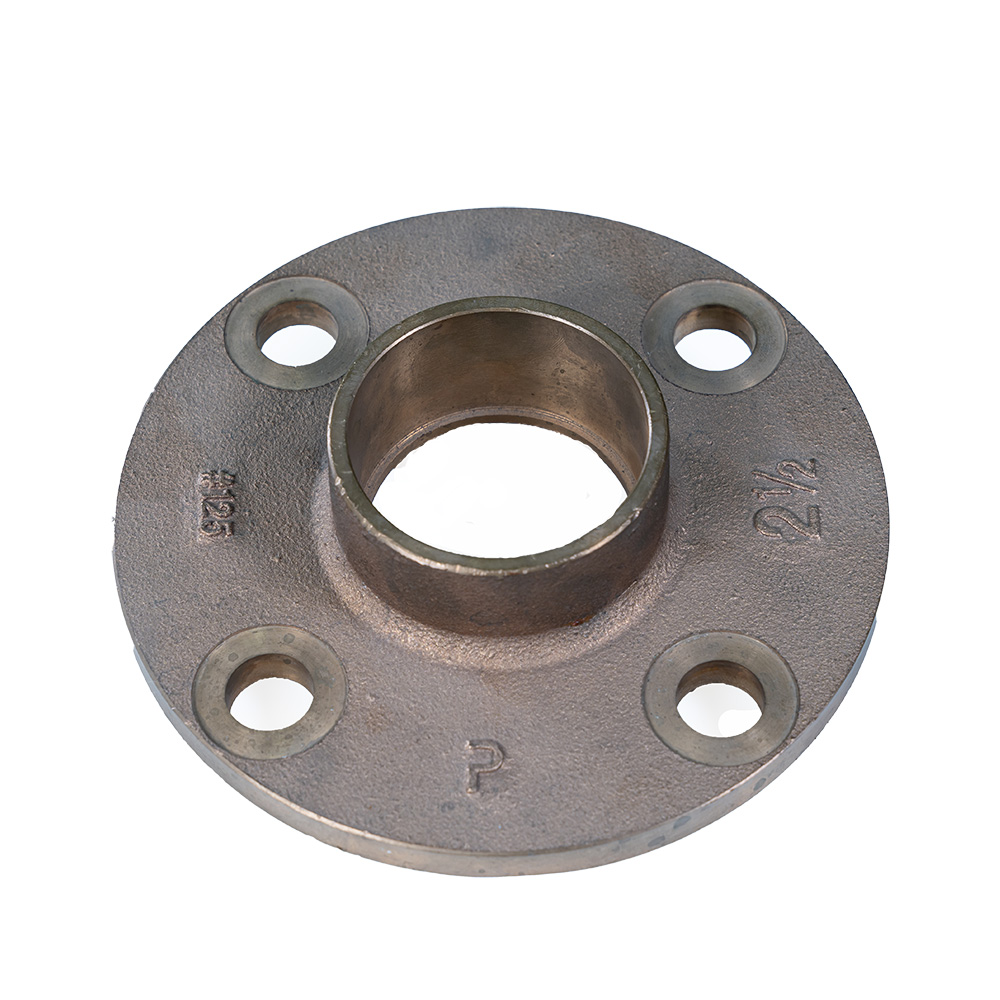
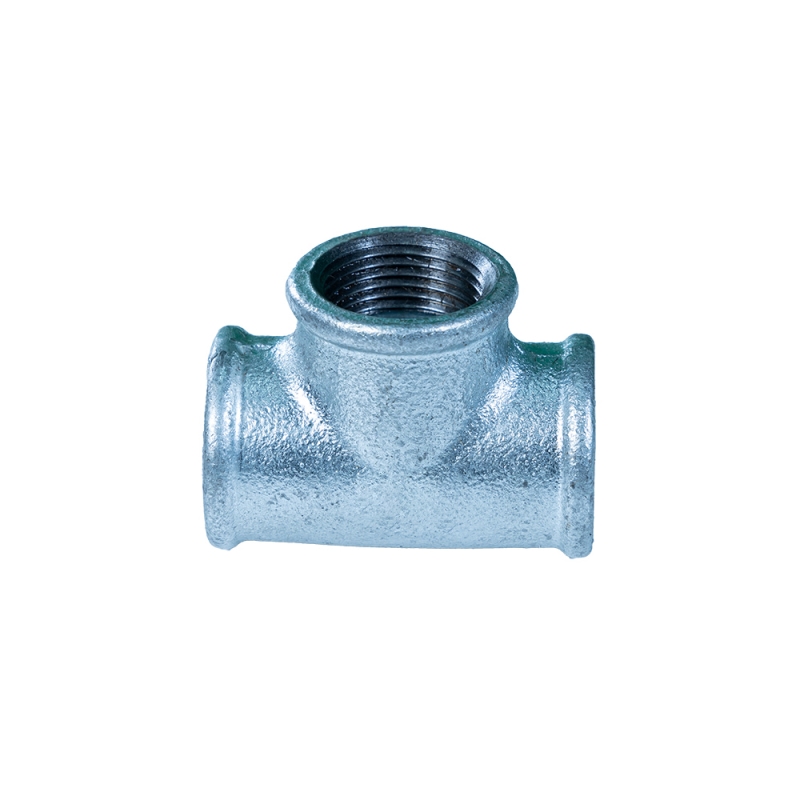
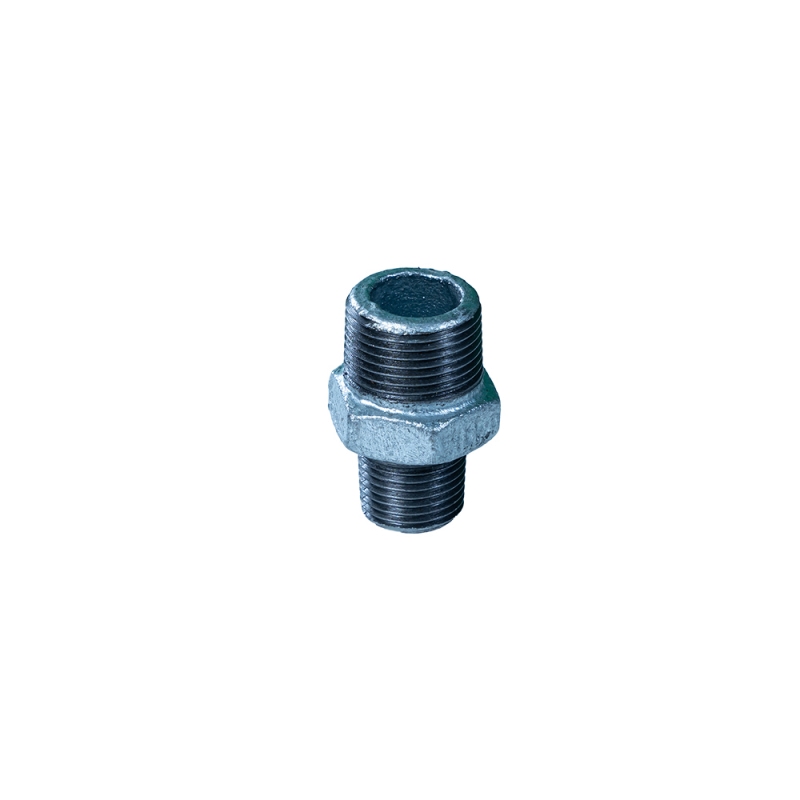
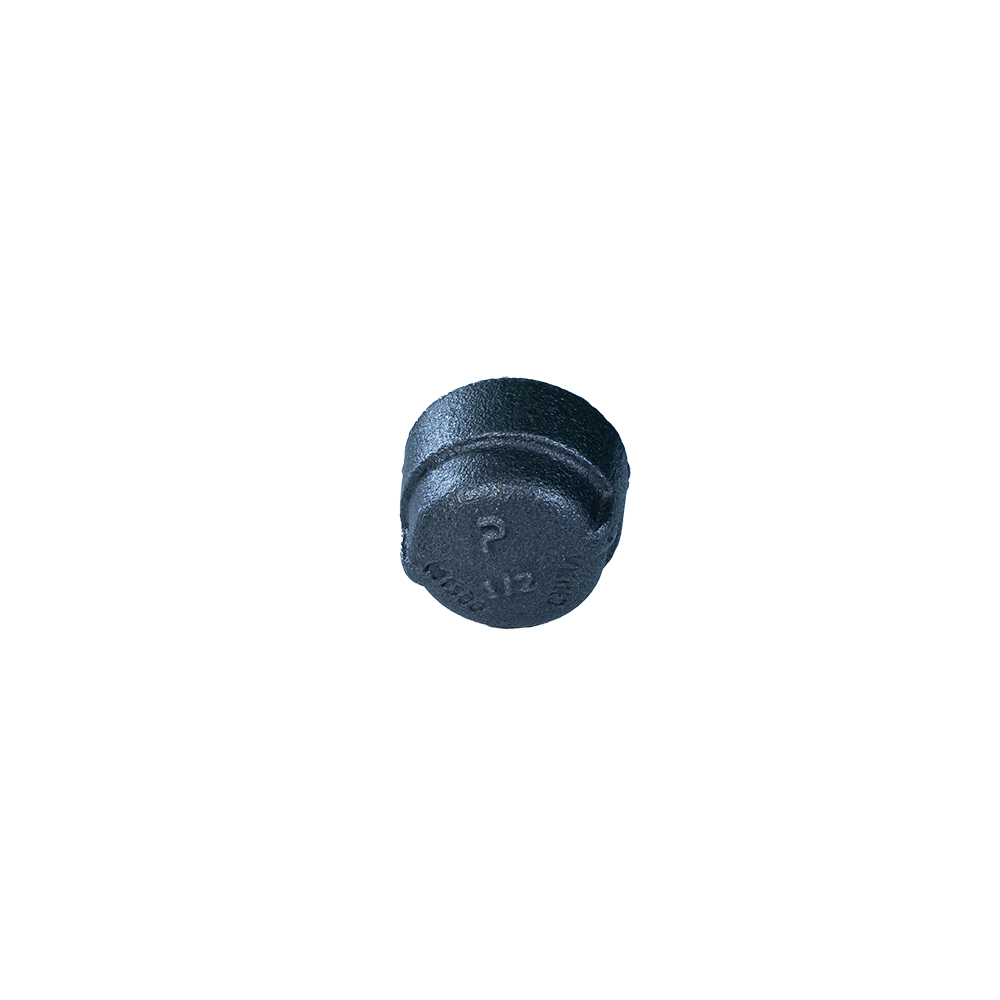
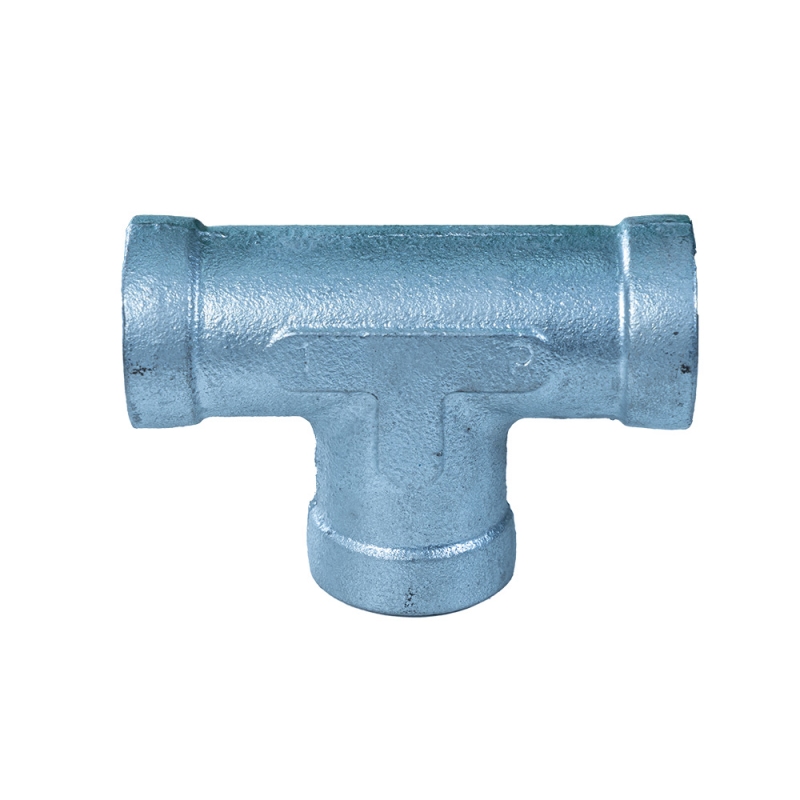
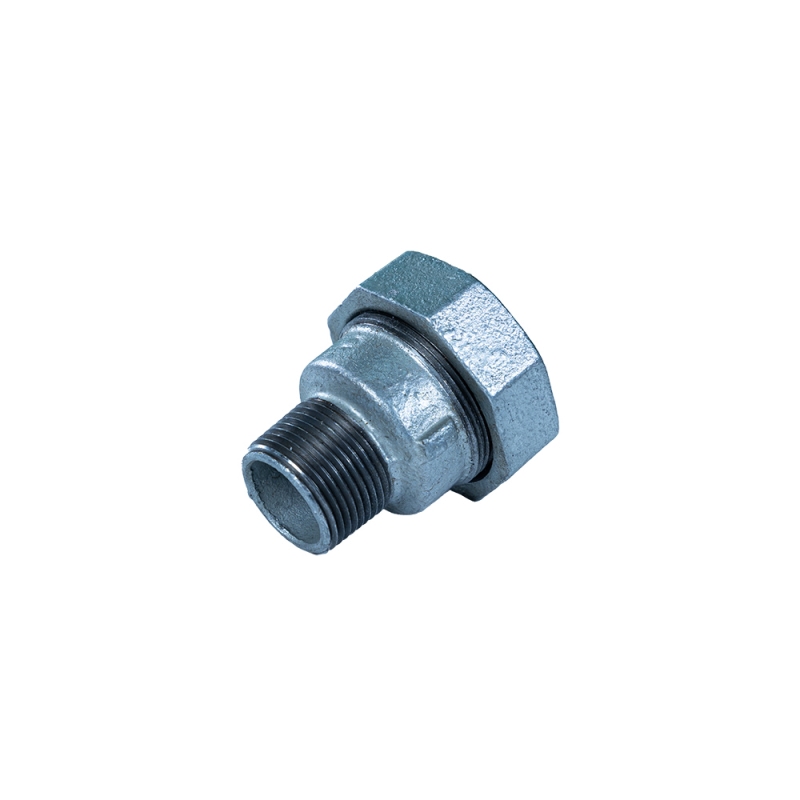
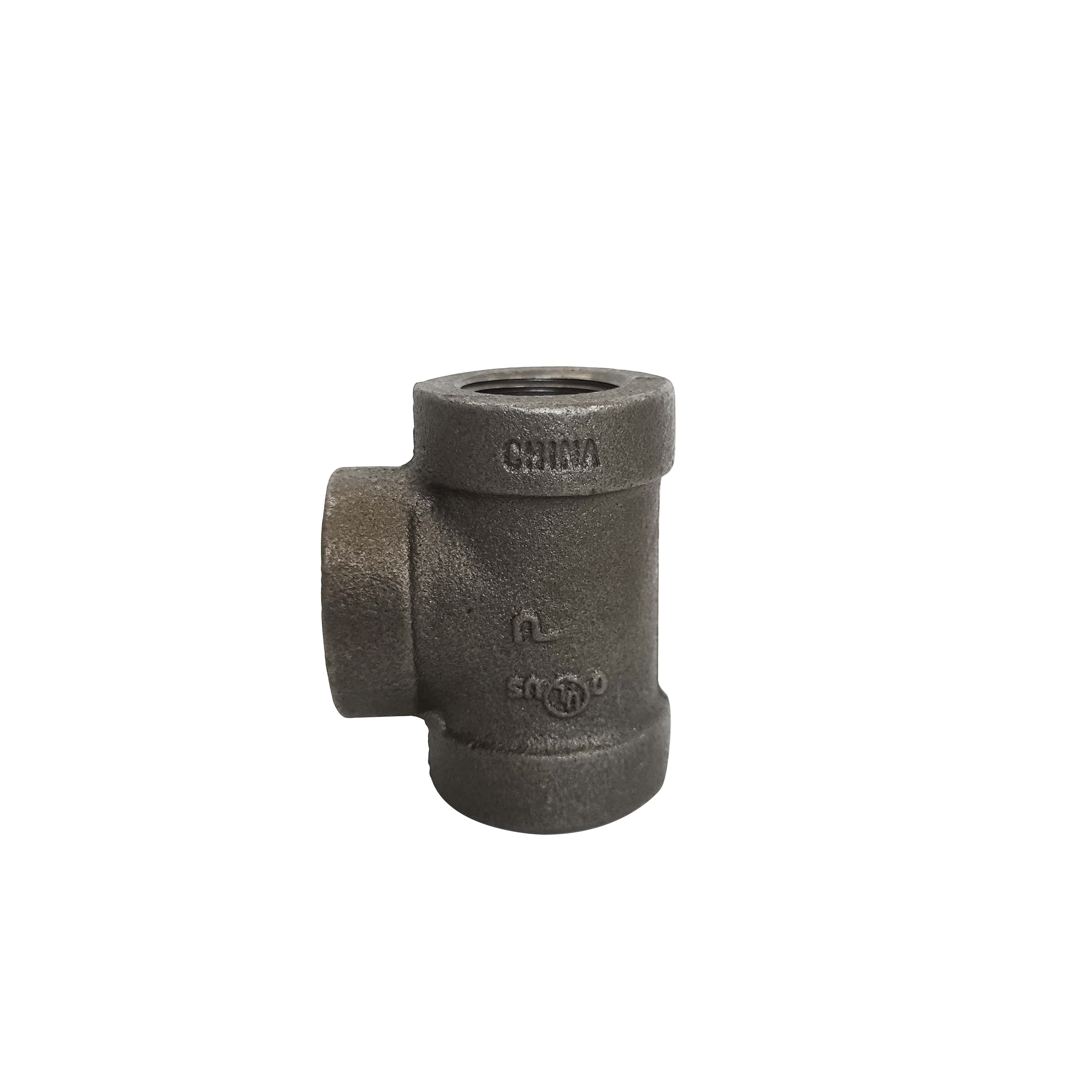
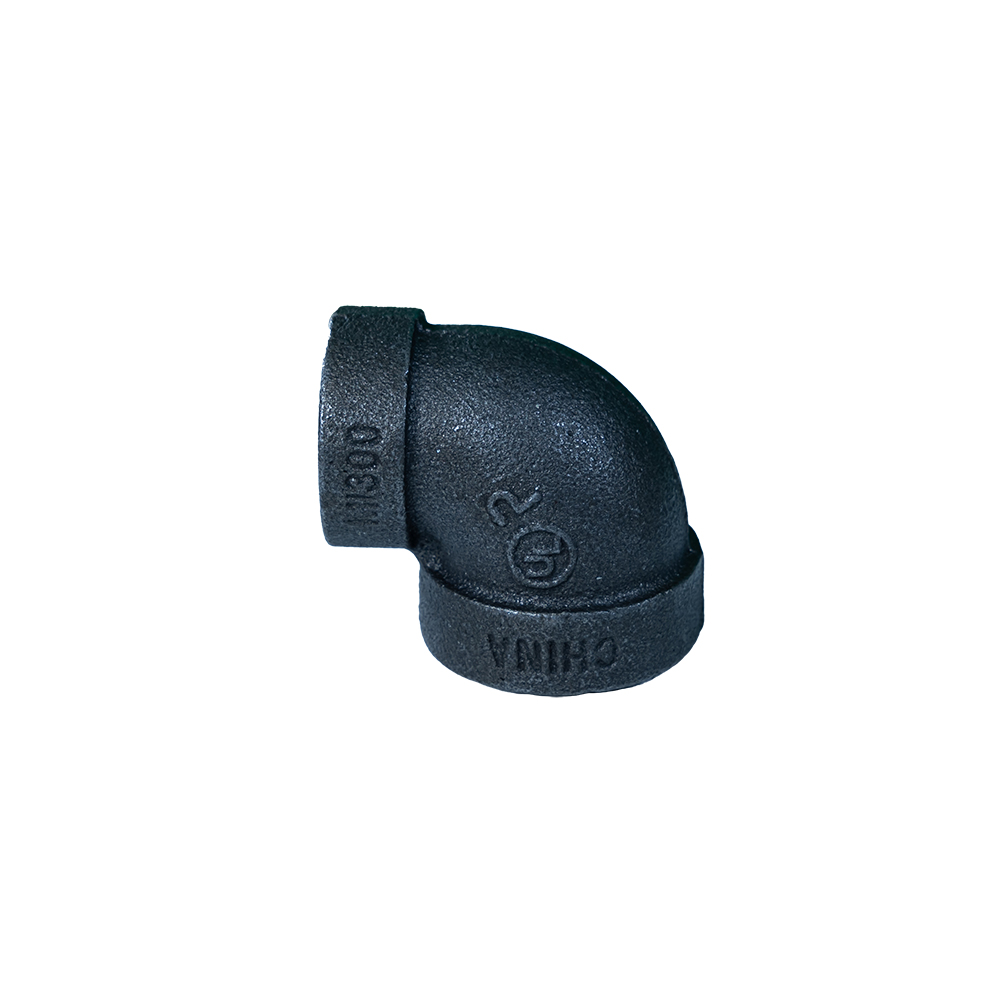
To put it simply, a male coupling reducer is designed to connect pipes of different diameters while maintaining a secure, leak-free union. Many engineers I know rely on it to adapt older systems to new configurations without costly rewiring or replacements. It’s that kind of flexibility that makes it an unsung hero on-site.
Oddly enough, despite being a simple component, the choice of material and design standards can really influence performance. From stainless steel to brass, the material must match the fluid, pressure, and temperature requirements. For example, stainless steel versions handle corrosive environments better, while brass is often favored for less demanding water or air applications.
Now, I suppose I should mention testing. It feels like these days, with stricter regulations, every coupling reducer has to pass pressure and leak tests before shipping. For my own projects, I'd always check for compliance with ASTM or ISO standards. It’s probably the one thing that keeps me sleeping easier at night, knowing the fittings won’t let me down when pressure builds up.
Product Specifications at a glance
| Specification | Details |
|---|---|
| Material | Stainless Steel (304, 316), Brass |
| Size Range | 1/8" to 4” (NPT, BSP threads) |
| Pressure Rating | Up to 6000 PSI (depending on model) |
| Temperature Range | -40°F to 400°F (-40°C to 204°C) |
| Thread Types | NPT, BSPP, BSPT |
| Finish | Passivated, Nickel Plated (optional) |
You know, back on a jobsite last year, I remember swapping out some old pipe fittings with these reducers. The end user was thrilled: the installation was quicker and cleaner than anticipated. It just goes to show the value of a good part that doesn’t complicate things.
Vendor Comparison: Finding the right male coupling reducer
| Feature | PanNext Fittings | Vendor B | Vendor C |
|---|---|---|---|
| Material Options | Stainless Steel, Brass | Stainless Steel only | Brass only |
| Custom Sizes | Yes | No | Limited |
| Pressure Rating | Up to 6000 PSI | Up to 4000 PSI | Up to 3000 PSI |
| Certifications | ISO 9001, ASTM | ISO 9001 | None |
| Lead Time | 1-2 weeks | 3-4 weeks | 2-3 weeks |
What’s really nice with PanNext Fittings is their willingness to tinker with custom sizes. I once needed a very oddly sized reducer for a retrofit and they somehow pulled it off without fuss. Not every vendor will do that. So, when it comes down to picking a coupling reducer, that sort of customer-first mindset counts for a lot in real terms.
In terms of trends, I’ve noticed more demand for corrosion-resistant coatings and lightweight versions lately; sustainability is nudging manufacturers to innovate. But at the end of the day, the key is reliability, and choosing suppliers who back their fittings with solid testing and certifications.
To wrap up, the male coupling reducer might seem like a humble component — but it’s a workhorse. Whether it's saving you time, money, or headaches, investing in quality reducers can really pay off in long-term system integrity.
Final thought: I’ve learned not to overlook the little things. Often, they hold the whole system together.
References:
1. ASTM International Standards on Pipe Fittings
2. ISO 9001 Quality Management Industry Guidelines
3. “Industrial Pipe Fittings Handbook,” 4th Edition
Post time: Dec-03-2025