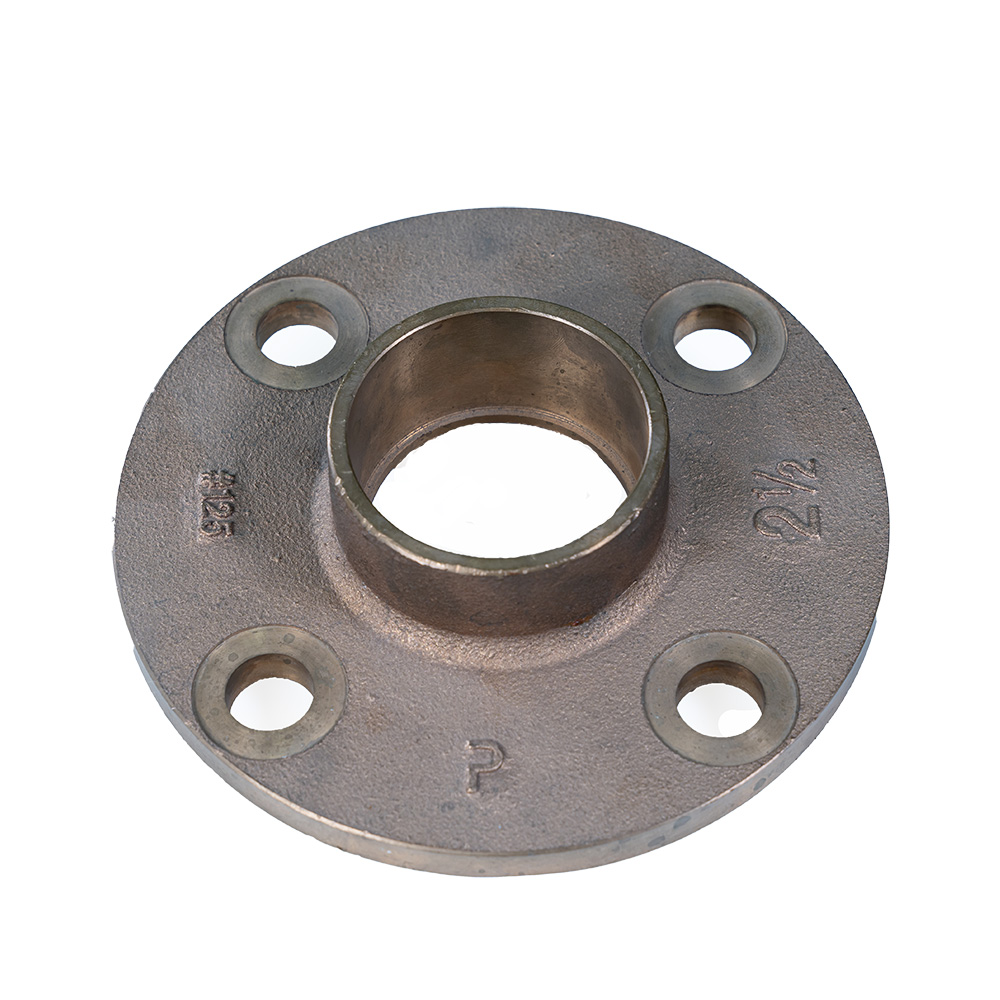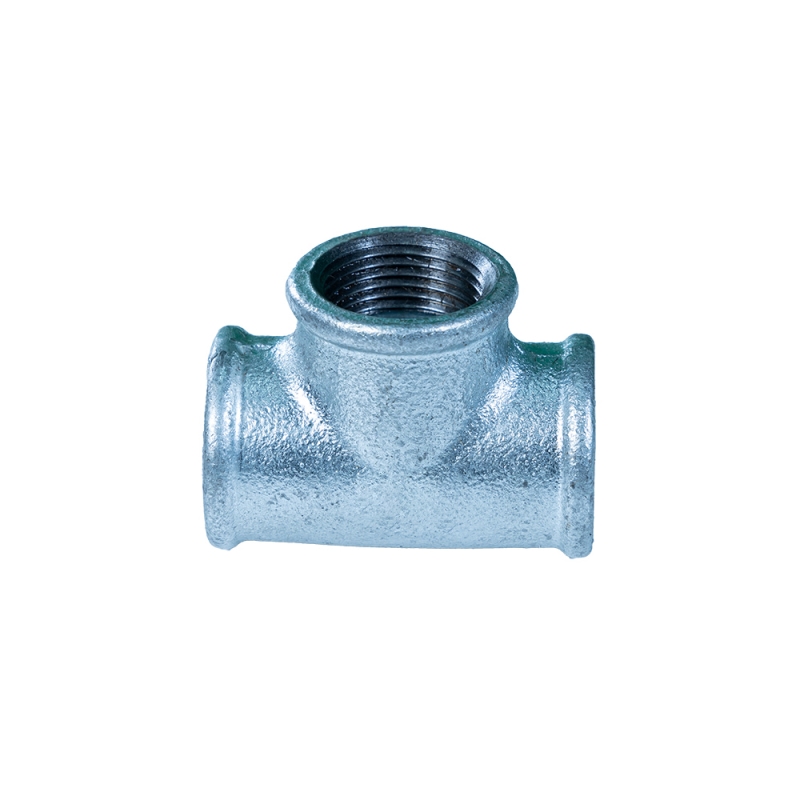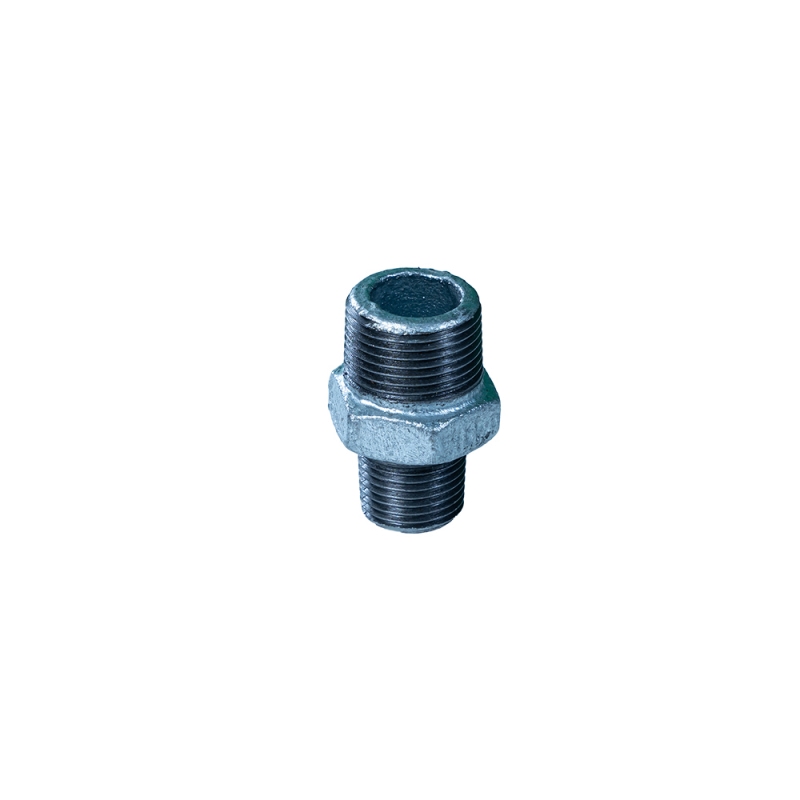

Understanding the 1 1/2 to 1 1/4 Reducer Coupling
Having spent a fair share of years in the industrial equipment world, I can confidently say that the humble 1 1/2 to 1 1/4 reducer coupling is one of those connectors that often go unnoticed but are absolutely critical in pipe fitting applications. It’s a piece that makes those tricky size transitions seamless—and frankly, it’s the kind of small part that engineers both love and sometimes curse when it comes to sourcing the right quality.
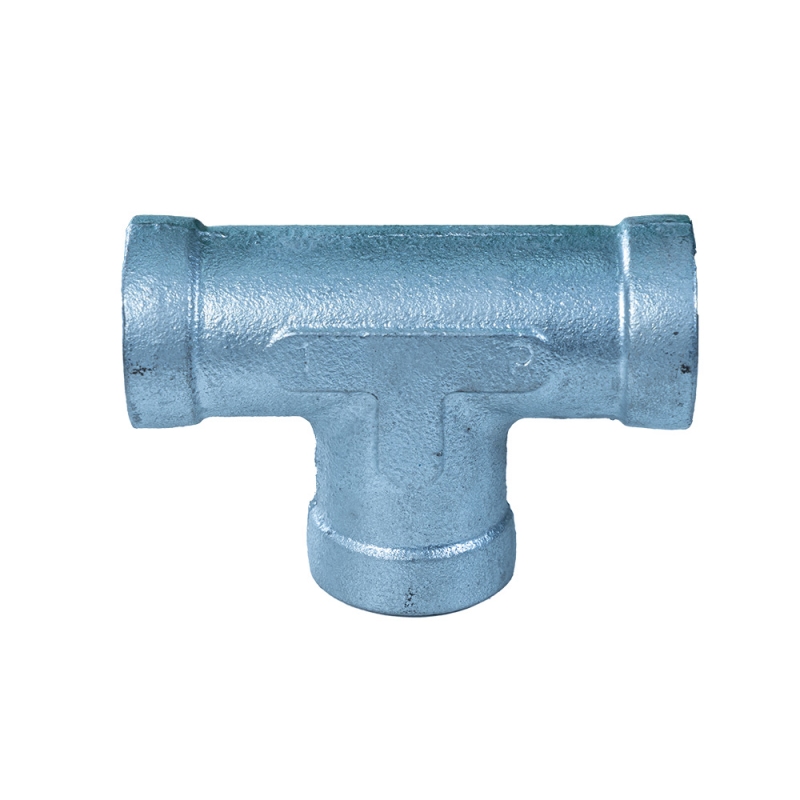
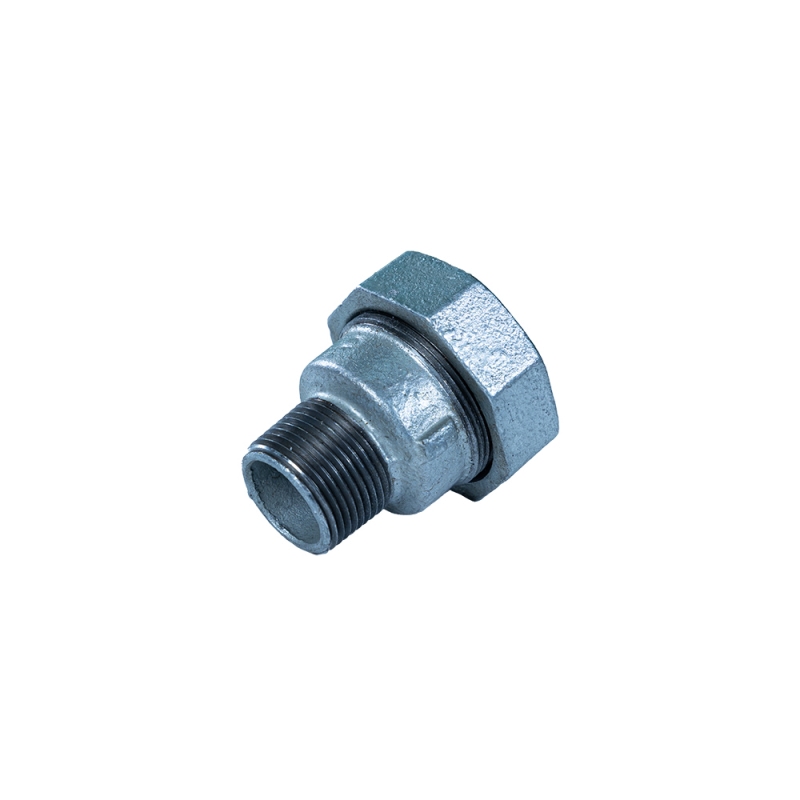
In real terms, this reducer coupling bridges pipes of different diameters — for example, joining a 1 1/2 inch pipe to a 1 1/4 inch pipe. You might think, “Hey, it’s just a fitting,” but odd sizes like this require precision manufacturing to ensure there are no leaks or pressure drops in your system. I’ve seen projects drag on because someone underestimated these little connectors.
Let’s talk materials. Most industrial reducer couplings come in stainless steel, carbon steel, or sometimes brass for specialized uses. Stainless steel is generally favored because of its corrosion resistance—especially in chemical plants or outdoor setups. For instance, 304 and 316 grades are the usual suspects here; the latter is specifically better for harsher environments due to molybdenum content. And, oddly enough, I once noticed that a particular steel mill opted out of standard grade 304 and insisted on custom heat treatment to boost durability in high-temp steam lines.
Not just materials, but the design and testing process matters—I can’t emphasize this enough. Quality reducer couplings are pressure tested to comply with API or ANSI standards (depending on application), to ensure they hold up under expected operating pressures. When you’re dealing with high-pressure hydraulic lines or steam systems, a faulty coupling could lead to costly—and dangerous—leaks. So those little details of manufacturing quality make a huge difference.
Now, if you’re wondering about advantages, a solid reducer coupling is one of the best ways to maintain flow efficiency and reduce turbulence at pipe transitions. This means less wear and tear on your pumps and fewer headaches down the line. Also, the right coupling helps with easier maintenance; I remember a client who swore by quick-release reducer couplings — they saved him hours on pipe replacement during a plant shut down.
| Feature | Details |
|---|---|
| Material | 304 Stainless Steel (others available) |
| Pressure Rating | Up to 3000 PSI (varies by model) |
| Connection Type | Threaded or Welded Options |
| Temperature Range | -20°C to 400°C (-4°F to 752°F) |
| Standards | ANSI B16.11, API 5CT compliant |
| Finish | Polished or Matte (customizable) |
Speaking of vendors, I’ve worked with quite a few over the years, and not all reducer couplings are created equal. Some suppliers prioritize quick turnaround but compromise on traceability or consistent heat treatment. Others, very niche and smaller, offer superb customization but with longer lead times.
| Vendor | Material Quality | Customization Options | Lead Time | Price Range |
|---|---|---|---|---|
| PanNext Fittings | High-grade 304/316 SS | Full customization available | 2-3 weeks typical | Mid-range |
| IndustryFit Inc. | Standard carbon steel | Limited sizes | 1 week | Budget-friendly |
| CustomCouplings LLC | Various alloys on request | Highly customizable | 4-6 weeks | Premium |
One practical tip from my time on site: always order a few extra couplings than you think you’ll need. It sounds obvious, but mismeasurement or damage during installation happens more than you’d expect. This is the sort of lesson you learn only after getting your hands dirty. And by the way, working with a vendor like PanNext Fittings can really smooth out the ordering and customization process if you want to avoid those unnecessary delays.
In closing, these reducer couplings might seem small, but they’re quite vital for system integrity and flow efficiency in industrial piping. Choosing the right size, material, and quality can directly impact maintenance costs and safety. It feels a little like the unsung hero of pipe connections, don’t you think?
Thanks for a quick dive into what truly makes a difference when working with 1 1/2 to 1 1/4 reducer couplings. Hope this gives you a better sense of what to look for next time you’re sourcing fittings.
References:
- American National Standards Institute (ANSI) B16.11 Standards
- API Specification 5CT — Supplier guidelines
- Material datasheets from major stainless steel producers
Post time: Dec-03-2025